


This article was written and reviewed by Serge, MSc. I hold degrees in Plant Biology, Environmental Biology and Biogeochemistry, with research experience in plant physiology, ecosystem science, and field-based environmental studies. Every article on this site is grounded in real academic training and genuine scientific research.
Affiliate disclosure: This site has affiliate links, including Amazon. As an Amazon Associate I earn from qualifying purchases, at no extra cost to you.

If you love strawberries like I do, think about this for a moment: why do so many supermarket strawberries look perfect but barely taste like anything?
Sometimes it’s because we’ve grown used to the visual appeal rather than the flavor. And during the off-season, when fresh strawberries aren’t available, we rely on frozen or imported fruit. Often, you have no idea where they were grown or how. You might even convince yourself that buying and eating those satisfies your strawberry craving, but does it really?
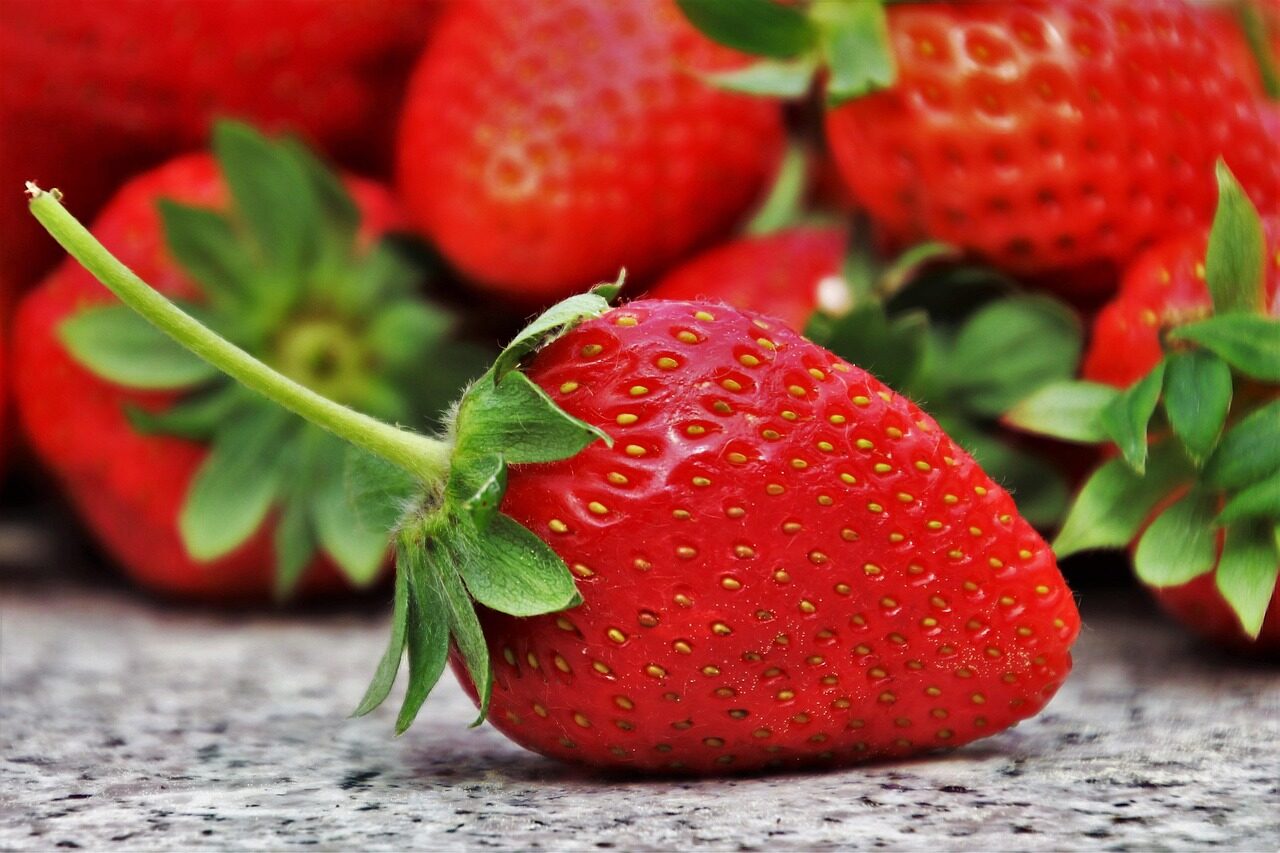
When summer comes and you can bite into a freshly harvested strawberry, the difference is striking. The sugars are balanced, the aroma is intense, and the fruit feels alive in your mouth.
That’s because the plant’s chemistry, its natural sugars, organic acids, and aromatic compounds, has developed under sunlight and in proper soil. Your brain recognizes it immediately, and eating strawberries becomes an experience, not just a habit.
Even though my formal research wasn’t on strawberries, my academic background in plant biology, environmental biogeochemistry, and plant physiology gives me a unique perspective on why strawberries taste so good and how to grow them optimally.
Understanding soil chemistry, nutrient cycles, and plant stress responses can make a tangible difference for your harvest.
About Strawberry Plants
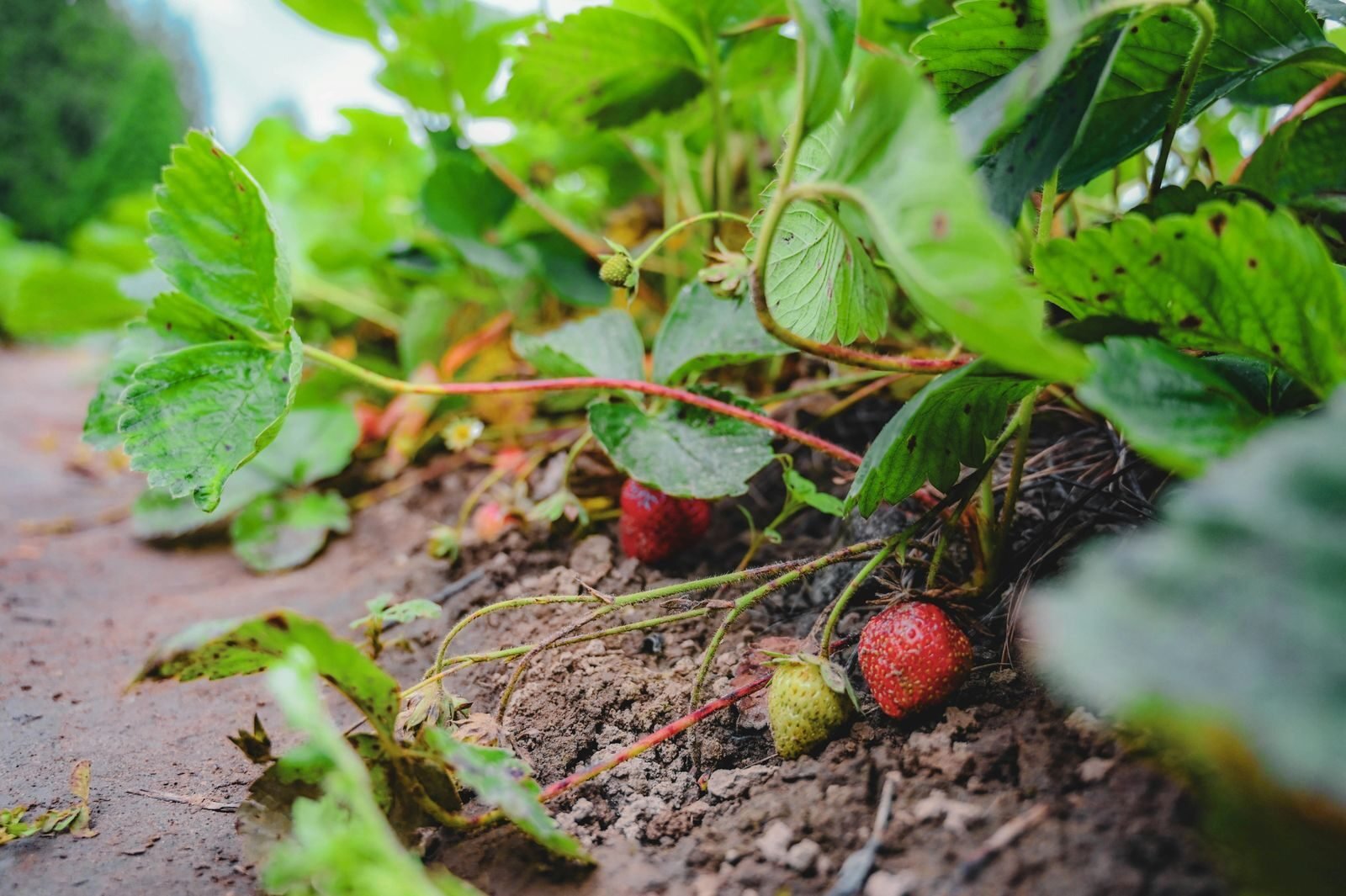
Strawberries (Fragaria × ananassa Duch., family Rosaceae) are perennial plants that produce sweet, red fruits on compact, low-growing runners.
Unlike many fruiting plants, strawberries develop both flowers and fruits on short-lived structures called crowns. Each crown can produce multiple flower clusters, and the timing of fruiting is highly influenced by day length, temperature, and water availability.
From a physiological standpoint, strawberries synthesize sugars, organic acids, and aromatic compounds in their fruits through photosynthesis in the leaves and translocation via phloem tissue.
Sunlight, nutrient availability, and temperature all regulate these processes, which is why a strawberry harvested from a sun-warmed garden will taste totally different from a supermarket variety grown under industrial conditions.
Choosing the Right Variety
Selecting the right type for your space is critical:
-
June-bearing: Produce a single, large crop in late spring to early summer. Ideal if you want a big harvest all at once.
-
Everbearing: Produce two to three harvests per season, usually spring and fall. Great for smaller spaces or staggered picking.
-
Day-neutral: Flower and fruit continuously as long as temperatures stay between 10–25°C. Perfect for extended harvests in containers or raised beds.
Each variety has different chilling and light requirements. Paying attention to this ensures you get the maximum fruit quality and flavor. Personally, I often start with a mix of everbearing and day-neutral varieties, it spreads out the harvest and lets me enjoy fresh strawberries for weeks.
Soil Preparation: The Foundation of Flavor
Strawberries have shallow, fibrous roots. That means the top 20–25 cm of soil is crucial for nutrient uptake, water absorption, and root-microbe interactions.
-
Soil Type: Light, sandy loam or loamy soil works best. Compacted clay can suffocate roots and reduce yield.
-
pH: Slightly acidic soil, 5.5–6.5, maximizes nutrient availability. Calcium, magnesium, and potassium uptake are particularly sensitive to pH.
-
Organic Matter: Incorporate compost or well-aged manure. This improves water retention, soil structure, and microbial activity—essential for nutrient cycling.
-
Drainage: Strawberries do not like “wet feet.” Raised beds or mounds help prevent root rot.
Maintaining balanced soil nutrients ensures plants have the energy to produce sugars and aromatic compounds in the fruits. Nutrient stress or uneven watering can result in pale, bland strawberries even if the plant looks healthy.
Planting: Step by Step
-
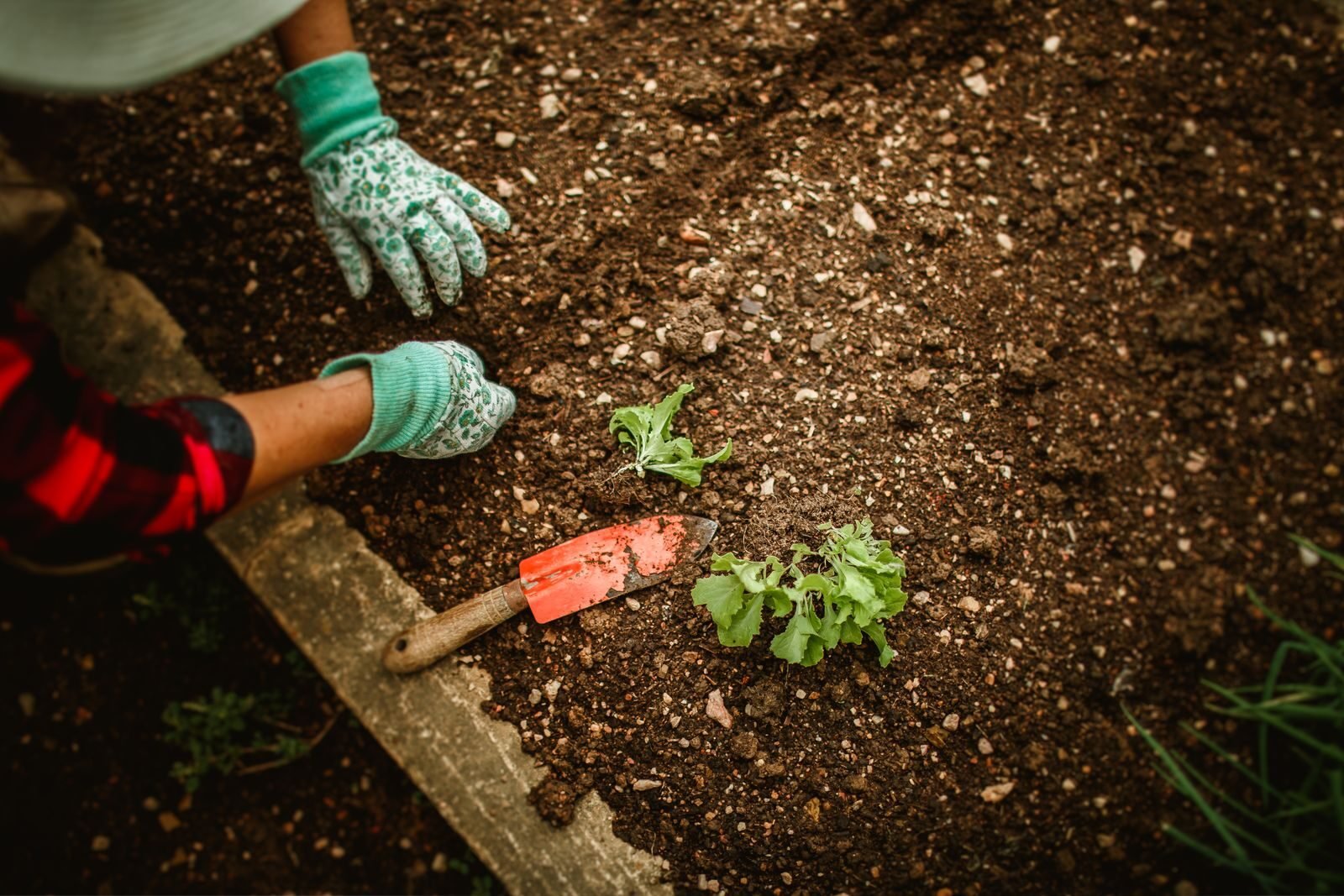
Starting Plants: You can grow strawberries from bare-root plants, potted seedlings, or runners. Bare-root plants are often easier for new gardeners. Soak them in water for 1–2 hours before planting to rehydrate roots.
-
Planting Depth: The crown, the central growing point—should sit just above the soil surface. Plant too deep, and the crown may rot; too shallow, and roots dry out.
-
Spacing: Allow 25–30 cm between plants and 60–75 cm between rows. Proper spacing ensures airflow, reduces fungal diseases, and allows each plant to access light.
-
Mulching: Straw, pine needles, or black plastic mulch protects fruits from soil contact, maintains moisture, and keeps root-zone temperature stable.
Sunlight and Temperature
Strawberries need at least 6–8 hours of sunlight daily. Full sun supports photosynthesis, which drives sugar production in the fruits.
Temperature affects flowering and fruit set. Optimal daytime temperatures are 18–25°C. Nights below 5°C or above 25°C can reduce fruit quality and delay harvest. If you grow in pots, move them to spots with good sun exposure and consider shade during extreme heat.
Watering and Moisture Management
Strawberries are highly water-dependent, especially during flowering and fruiting:
-
Keep the soil consistently moist, like a wrung-out sponge.
-
Avoid overhead watering if possible to reduce fungal diseases; drip irrigation is ideal.
-
Mulching helps reduce evaporation and maintain stable moisture.
Too little water stresses the plant, increasing bitter or bland fruit compounds. Too much water dilutes sugars, producing watery berries.
Feeding and Nutrition
Balanced nutrition is crucial:
-
Nitrogen: Supports leaf growth early but avoid over-fertilizing, too much makes leaves lush but reduces fruit sweetness.
-
Phosphorus: Promotes strong root development.
-
Potassium: Critical for fruit quality, flavor, and color.
-
Calcium & Magnesium: Maintain cell structure and prevent disorders like blossom-end rot.
A combination of compost, organic fertilizers, and occasional foliar feeding can keep strawberries healthy and productive.
Flowering and Pollination
Strawberry flowers are hermaphroditic, but insects like bees improve pollination and fruit formation. Hand pollination is possible in indoor or greenhouse setups using a soft brush.
Pollination affects fruit shape, size, and seed distribution. Fully pollinated fruits develop more uniformly and taste sweeter.
Fruit Development and Ripening
Strawberry ripening involves sugar accumulation, acid reduction, and volatile aroma compound production. Sunlight exposure and consistent watering are key for full flavor.
-
Harvest when berries are fully red and slightly soft to the touch.
-
Pick regularly, every 2–3 days for ripe berries, to encourage new fruiting.
-
Handle gently; strawberries bruise easily and lose flavor quickly after harvest.
Common Pests and Stress Management
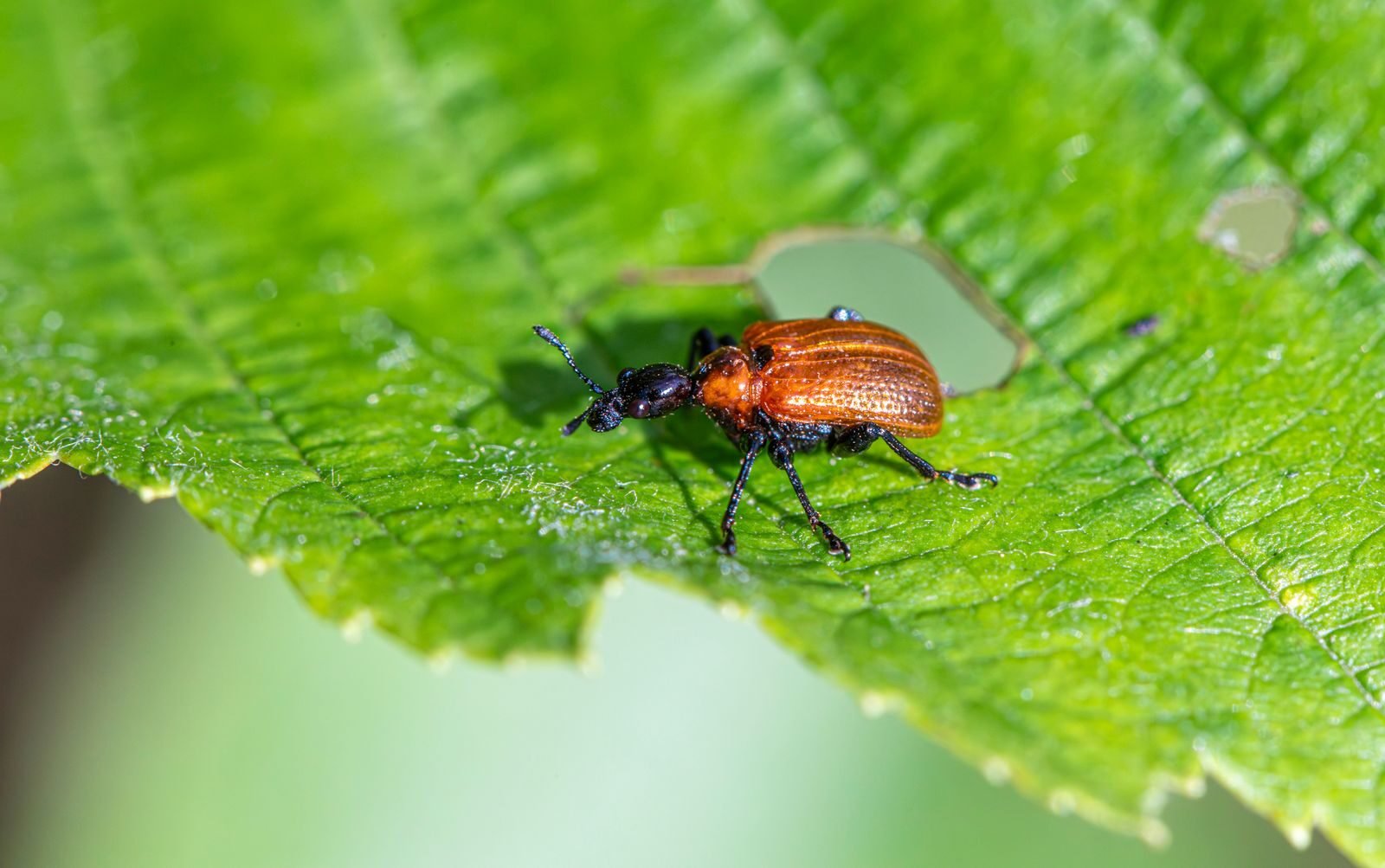
Strawberries face pests like aphids, spider mites, slugs, and birds. My practical advice:
-
Use row covers to protect young plants.
-
Encourage beneficial insects like ladybugs and predatory mites.
-
Handpick slugs or use organic slug traps.
Stress can also come from temperature extremes, water fluctuations, or nutrient imbalances. These factors can reduce fruit sweetness or cause deformed berries. Stable water, nutrients, and mild stress help develop flavorful fruits.
Propagation: Growing from Runners
Strawberries naturally produce runners, which are small stems that develop new plantlets:
-
Allow runners to root in nearby soil or pots.
-
Once established, sever from the mother plant.
-
This method preserves genetic traits and ensures your plants produce high-quality fruit.
You can also propagate from seeds, but it’s slower and more variable. Seed propagation is mainly for breeding or experimenting with new varieties.
Harvesting and Enjoying Your Strawberries
Pick berries when they’re fully red, fragrant, and slightly soft. Morning harvests are ideal, the sugars are highest after overnight rehydration, and the fruit is at its peak flavor.
Strawberries are delicate, handle gently and enjoy immediately or refrigerate for 1–2 days. For longer storage, freezing is an option, but remember: fresh berries always taste sweeter.
Summary
Growing strawberries isn’t just about planting and waiting, it’s about noticing, experimenting, and understanding. When you pay attention to how your plants respond to soil, water, light, and stress, you start to see the connection between care and flavor. That’s why your homegrown berries can taste so vibrant, full, and sweet, while supermarket fruit often feels flat and forgettable.
The process teaches you something deeper, too: how plant biology, nutrient cycling, and environmental conditions all come together to create flavor and resilience. By observing your plants, adjusting mulch, shade, and watering, and learning from their reactions, you begin to think like a scientist while gardening with your hands.
And beyond the taste, growing strawberries at home is a small but meaningful step for sustainability. You reduce packaging, transportation, and water waste, enrich your soil with compost, and support beneficial microbes, all while enjoying the simple joy of harvesting fruit you’ve truly nurtured.
There’s a unique satisfaction in tasting the results of your own care, and that’s the heart of why growing your own strawberries is worth every effort.
FAQs
Q: Can I grow strawberries in pots?
Yes! Containers 20–30 cm deep work well. Make sure they drain properly and receive enough sunlight.
Q: Can I grow strawberries from a store-bought fruit?
It’s possible but tricky. Seeds inside fruit may germinate, but genetic traits and disease resistance are uncertain. Bare-root plants or runners are more reliable.
Q: When should I plant strawberries?
Early spring or late fall is best for most climates. Day-neutral varieties can extend the harvest season.
Q: How long before I get fruit?
Typically, 4–6 weeks after planting bare-root plants in spring for early harvests, or one full season for optimal yield.
Q: Can strawberries grow indoors?
Yes, with strong light (ideally 12–14 hours per day) and proper containers. Pollination may require hand-brushing flowers.
Q: Will strawberries come back every year?
Perennial strawberries produce for 3–5 years before productivity declines. Renovate beds by replacing older plants with runners or new bare-root plants.