

This article was written and reviewed by Serge, MSc. I hold degrees in Plant Biology, Environmental Biology and Biogeochemistry, with research experience in plant physiology, ecosystem science, and field-based environmental studies. Every article on this site is grounded in real academic training and genuine scientific research.
Affiliate disclosure: This site has affiliate links, including Amazon. As an Amazon Associate I earn from qualifying purchases, at no extra cost to you.
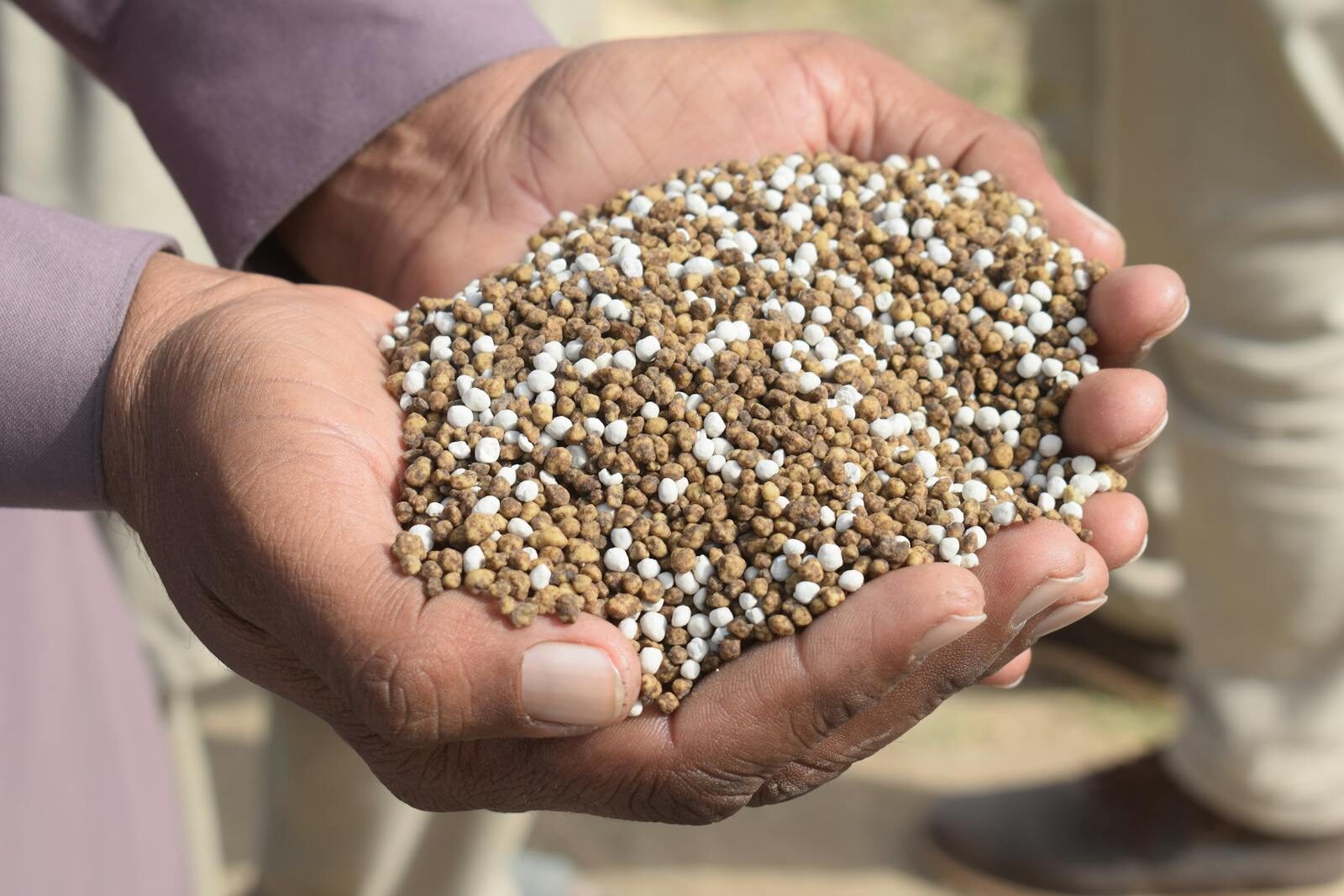
The best fertilizer for plants isn’t a brand name.
It’s the one your soil actually needs.
Most gardeners choose fertilizer based on what’s on sale or what the label promises: “more blooms,” “bigger harvest,” “lush green growth.” But fertilizer only works properly when it matches three things:
– Your soil condition
– Your plant type
– The plant’s growth stage
If those don’t align, even expensive fertilizers won’t deliver results.
Let’s break this down properly.
Don’t Choose Fertilizer Before You Understand Your Soil!
Before deciding between organic pellets, liquid feeds, or synthetic granules, ask:
What is my soil pH?
Does my soil already contain enough phosphorus?
Is organic matter low?
Is the soil sandy or clay-heavy?
If you haven’t tested your soil, you’re guessing.
And guessing often leads to over-fertilizing, which causes poor growth, nutrient lockout, and sometimes more pests and disease.
Soil testing gives you direction. Fertilizer should correct imbalances, not randomly add nutrients.
Understanding NPK
You’ve seen the three numbers on fertilizer bags: N–P–K.
Here’s what they actually mean in practice.
Nitrogen (N)
Nitrogen drives leafy growth. It fuels chlorophyll production and vegetative expansion.
You need nitrogen for:
– Leafy greens
– Early growth stages
– Lawns in active growth
But excess nitrogen:
– Causes soft, weak stems
– Reduces flowering
– Makes plants more prone to disease
– Delays fruit production
In sandy soils, nitrogen leaches quickly. In clay soils, it stays longer. That alone changes how you should apply it.
Phosphorus (P)
Phosphorus enhances root formation and supports initial plant growth.
It’s important for:
– Seedlings
– Transplants
– Flower initiation
But here’s the reality:
Many soils already contain adequate phosphorus. Adding more does nothing except increase environmental runoff risk.
Excess phosphorus can also interfere with micronutrient uptake, especially zinc and iron.
This is why soil testing matters.
Potassium (K)
Potassium regulates water balance, stress tolerance, and fruit quality.
It becomes critical for:
– Tomatoes
– Peppers
– Flowering ornamentals
Potassium strengthens plant tissues and improves resistance to heat and drought stress.
Unlike nitrogen, it doesn’t drive excessive leafy growth.
Many gardeners underapply potassium while overapplying nitrogen.
Organic vs Inorganic Fertilizers. What Really Changes
The difference is not just “natural vs synthetic.”
It’s about how nutrients behave in soil.
Organic Fertilizers
Examples:
Compost
Poultry manure pellets
Bone meal
Seaweed-based feeds
Fish-based products
Characteristics:
Nutrients are released slowly
Depend on microbial breakdown
Improve soil structure over time
Increase organic matter
Best for:
Long-term soil improvement
Open-ground gardens
Systems where soil biology matters
Limitation:
Release speed depends on temperature and microbial activity.
Cold soil = slower nutrient release.
Inorganic (Synthetic or Mineral) Fertilizers
Examples:
Ammonium nitrate
Urea
Sulphate of potash
Complete soluble fertilizers
Characteristics:
Fast-acting
Highly concentrated
Precise nutrient ratios
No contribution to soil organic matter
Best for:
Containers
Acute deficiencies
Controlled feeding schedules
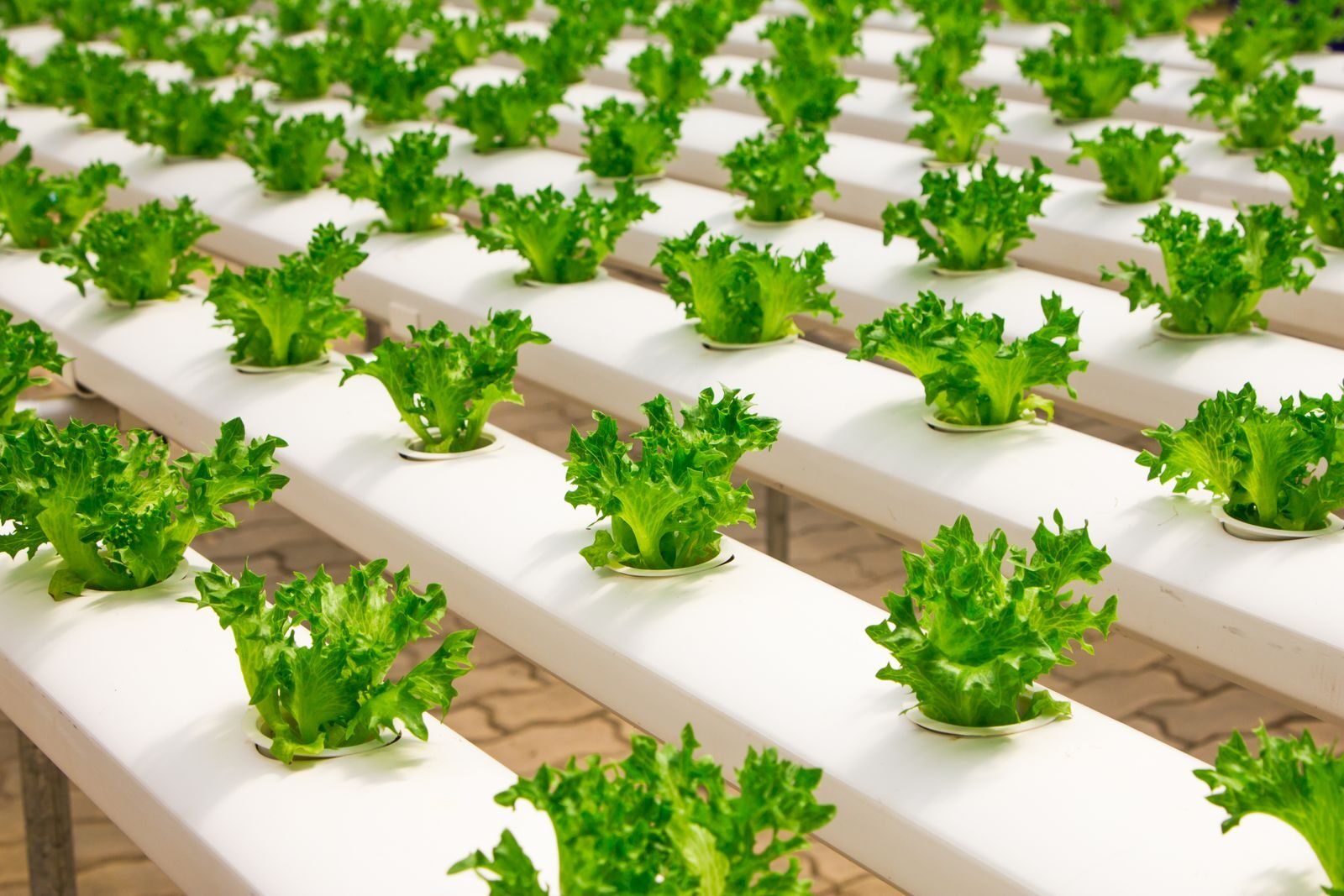
Hydroponic systems
Risk:
Over-application can cause salt buildup and root burn.
Best Fertilizer Based on Soil Type
This is where most guides stay shallow. Soil type changes everything.
Sandy Soil
Characteristics:
Drains quickly
Low nutrient-holding capacity (low CEC)
Nutrients leach easily
Strategy:
Use slow-release fertilizers
Split nitrogen applications into smaller doses
Increase organic matter regularly
Avoid heavy single applications
Sandy soil needs consistency, not intensity.
Clay Soil
Characteristics:
Higher nutrient retention
Higher CEC
Slower drainage
Prone to compaction
Strategy:
Moderate nitrogen applications
Avoid overloading phosphorus
Improve structure with organic matter
Ensure drainage before heavy feeding
Clay soils hold nutrients well, sometimes too well.
Acidic Soil
If pH is below 6:
Calcium and magnesium may be low
Aluminum toxicity can occur
Phosphorus availability decreases
In this case, correcting pH may be more important than adding fertilizer.
Sometimes lime improves plant growth more effectively than additional nutrients.
Alkaline Soil
If pH is above 7:
Iron deficiency becomes common
Manganese availability decreases
Phosphorus may become less accessible
Chelated micronutrients may be necessary.
Adding more NPK won’t fix iron chlorosis.
Best Fertilizer by Plant Type
Now let’s apply logic.
Leafy Vegetables (Lettuce, Spinach)
Need:
Moderate nitrogen
Balanced phosphorus
Adequate potassium
Avoid:
Excess nitrogen late in growth
Root Crops (Carrots, Beets)
Need:
Balanced feeding
Not excessive nitrogen
Too much nitrogen causes leafy tops but poor root development.
Fruiting Vegetables (Tomatoes, Peppers)
Early stage:
Moderate nitrogen
Flowering and fruiting:
Increase potassium
Reduce nitrogen slightly
This prevents excessive leaf growth and encourages fruit production.
Lawns
Nitrogen timing matters.
Spring:
Moderate nitrogen
Late summer:
Avoid heavy nitrogen
Autumn:
Lower nitrogen, higher potassium for stress tolerance
Perennials and Shrubs
Generally require:
Moderate feeding
Avoid over-fertilizing mature plants
Many established perennials thrive with minimal intervention if soil health is good.
Feeding by Growth Stage (Most Overlooked Factor)
Plants don’t need the same nutrients all season.
Seedling Stage
Light feeding only.
Excess nutrients damage young roots.
Vegetative Stage
Nitrogen demand increases.
Balanced feeding supports leaf expansion.
Flowering Stage
Reduce nitrogen slightly.
Increase potassium support.
Encourages flower formation instead of leafy growth.
Fruiting Stage
Potassium becomes critical.
Nitrogen should not dominate.
Late Season
Minimal feeding.
Plants should harden off, not produce new soft growth.
Common Fertilizer Mistakes
-
Feeding without soil testing
-
Applying phosphorus every year “just in case”
-
Over-liming without measuring pH
-
Heavy nitrogen late in season
-
Ignoring soil organic matter
-
Fertilizing stressed or drought-affected plants
Fertilizer cannot fix compaction, poor drainage, or damaged roots.
Sometimes the problem isn’t nutrient deficiency. It’s soil structure.
Environmental Considerations
Fertilizers don’t just affect plants.
Excess nutrients can:
Leach into groundwater
Run off into surface water
Disrupt soil microbial balance
Increase salt accumulation
Feeding soil biology often produces better long-term results than feeding plants aggressively.
Building organic matter reduces reliance on synthetic inputs over time.
So What Is the “Best” Fertilizer?
The best fertilizer:
Matches soil test results
Respects soil type
Fits plant growth stage
Avoids unnecessary nutrients
Supports long-term soil health
It could be organic, a precise synthetic feed, or even better, sometimes nothing at all.
Frequently Asked Questions
What is the best fertilizer for vegetable gardens?
A balanced fertilizer guided by soil test results. Fruiting vegetables often need higher potassium during flowering and fruiting.
Can you over-fertilize plants?
Yes. Excess nutrients can burn roots, cause weak growth, and disrupt nutrient balance.
Is organic fertilizer better than synthetic?
Organic fertilizers improve soil structure and biology. Synthetic fertilizers provide fast, precise nutrients. The best choice depends on your system and goals.
How often should plants be fertilized?
Depends on plant type, soil condition, and fertilizer type. Slow-release organic feeds may last months, while liquid feeds may be applied weekly during active growth.
Should I fertilize if soil test levels are adequate?
Not necessarily. Excess fertilization can create imbalance and waste resources.
Conclusion
The right fertilizer helps plants grow strong without harming the soil or creating nutrient problems.
Choosing fertilizer based on your soil type, the kind of plant, and its growth stage turns fertilizer into a helpful tool instead of something you use automatically.
When used carefully, it can improve plant health, increase growth, and protect the soil that supports all your plants.
By thinking about what your plants actually need, you get better results and keep your garden or farm healthy for years to come.