


This article was written and reviewed by Serge, MSc. I hold degrees in Plant Biology, Environmental Biology and Biogeochemistry, with research experience in plant physiology, ecosystem science, and field-based environmental studies. Every article on this site is grounded in real academic training and genuine scientific research.
Affiliate disclosure: This site has affiliate links, including Amazon. As an Amazon Associate I earn from qualifying purchases, at no extra cost to you.
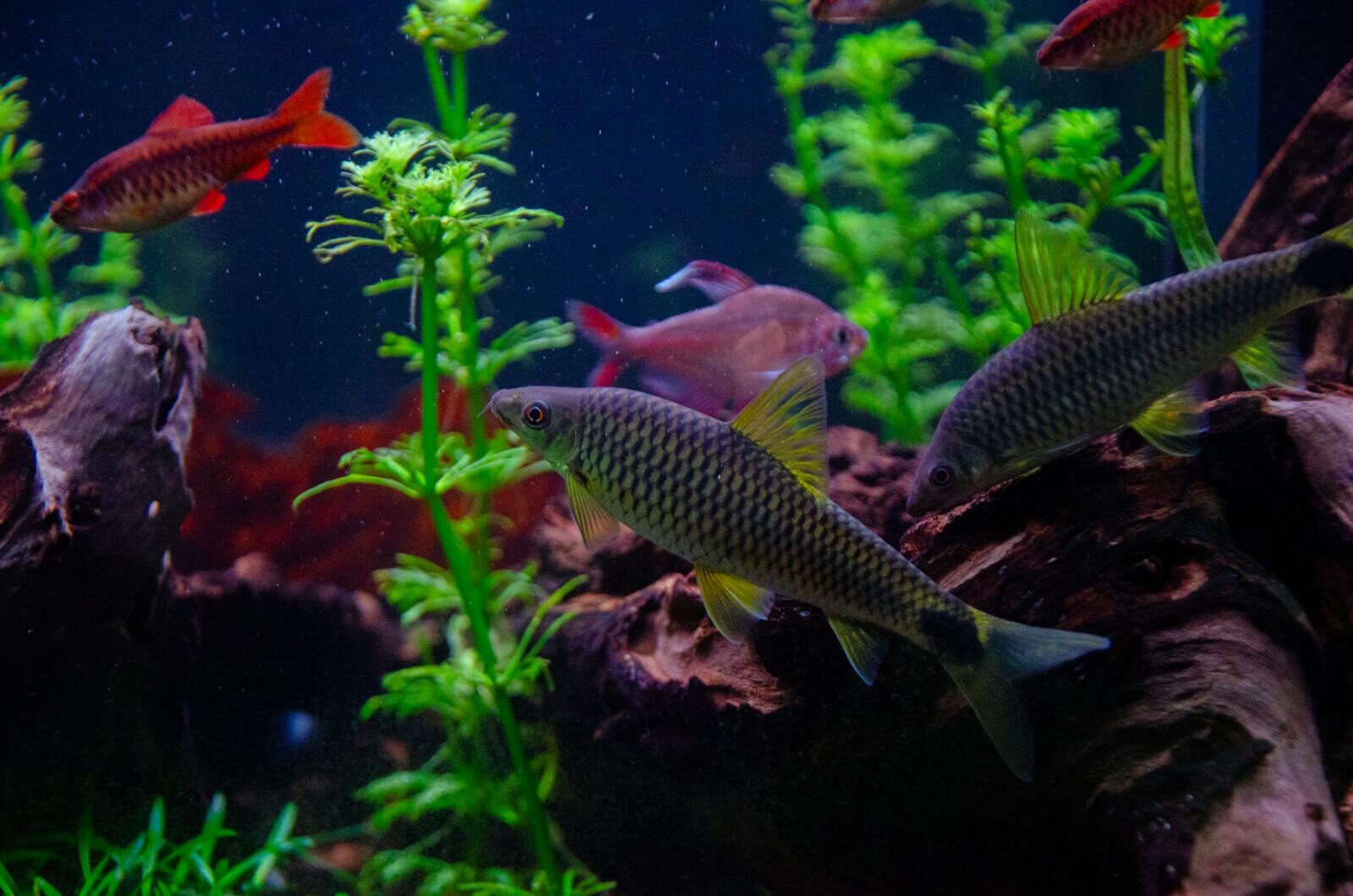
When people ask me for advice on their aquariums, they often expect a tip about a specific filter brand or a recommendation for a colorful fish. I usually disappoint them because I don’t see an aquarium as a hobbyist project. I see it as a biogeochemical reactor.
My background isn’t in retail pet care; it’s in the study of how environments “breathe.”
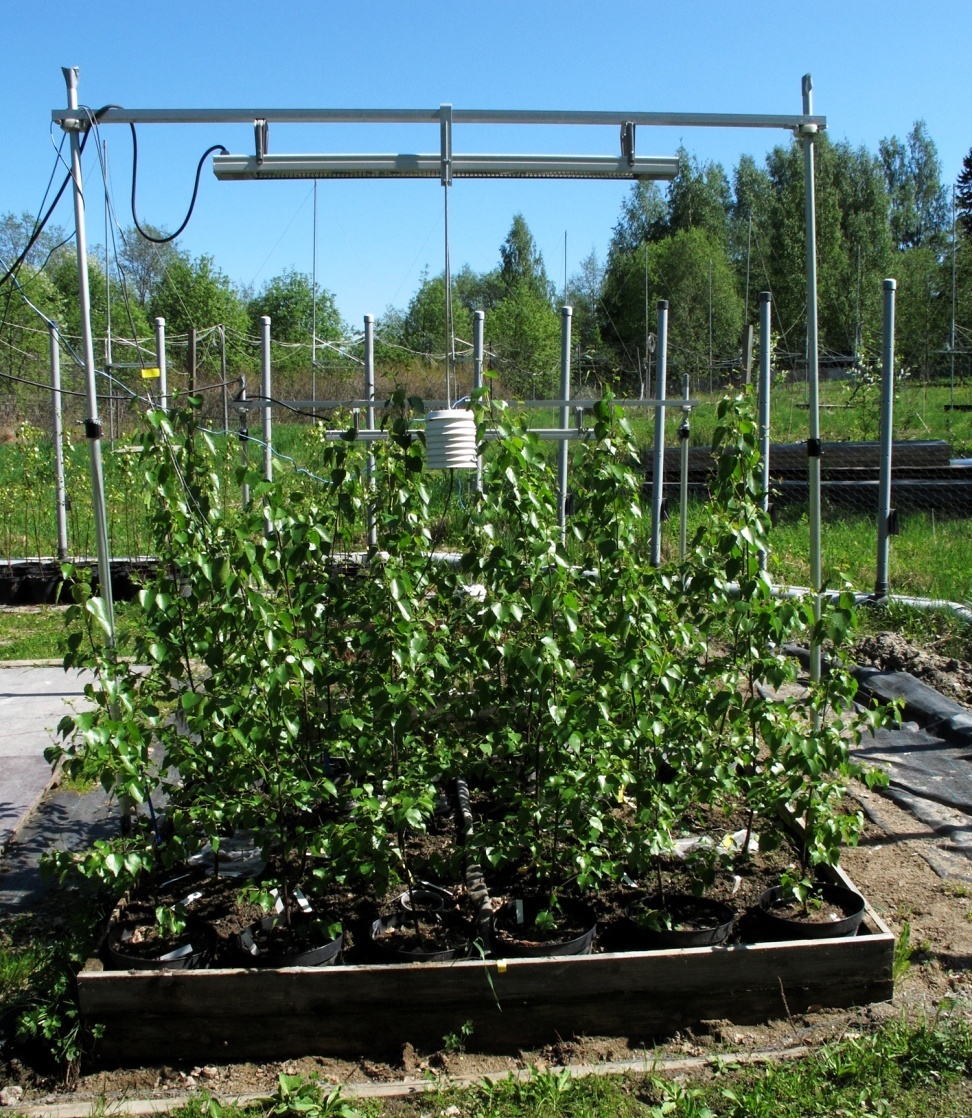
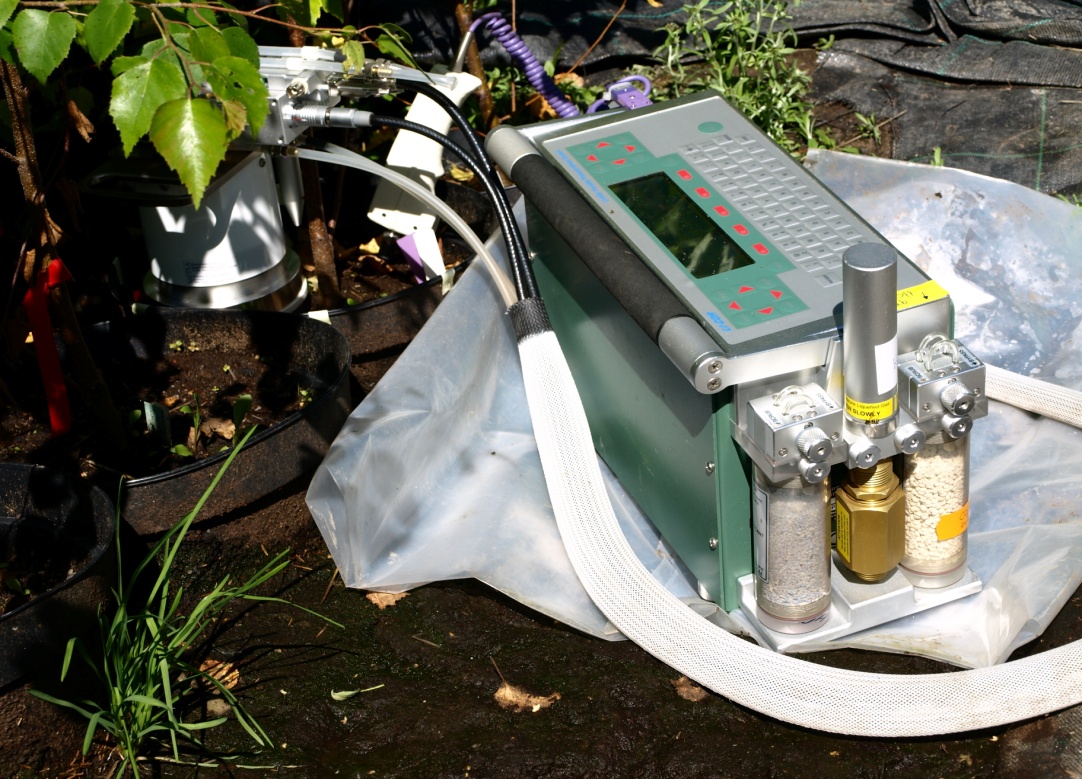
My research work focused on Silver Birch (Betula pendula) and how factors like warming and tropospheric ozone shift the “Soil Respiration”, the literal exhale of the earth. I spent a lot of time measuring how tiny changes in temperature forced trees and microbes to change their metabolism.
Designing a closed-loop aquatic system relies on the same principles. An aquarium is essentially a smaller, wetter version of the forest floor. By understanding the flux of gases and how microbes respond to their environment, it is possible to create a system that maintains its own equilibrium without constant cleaning.
1. The Physics of the “Closed Loop”
A standard aquarium is an open system: food is added and waste is removed constantly. A closed-loop system is self-sustaining.
In this setup, plants are not just decoration, they are the main waste processors. Aquatic plants can absorb ammonia (NH4⁺) more efficiently than typical store-bought filters. With enough plant biomass, water is not just filtered; it is chemically transformed.
2. The Substrate: It’s a Benthic Battery
In environmental biology, the benthic zone, the mud at the bottom of a pond, is where key biological and chemical processes occur. In an aquarium ecosystem, the substrate stores nutrients and chemical potential that support plant growth over time.
Gravel alone is inert and provides no nutrients. Instead, a dual-layer approach based on the Walstad Method can be used, with attention to Cation Exchange Capacity (CEC):
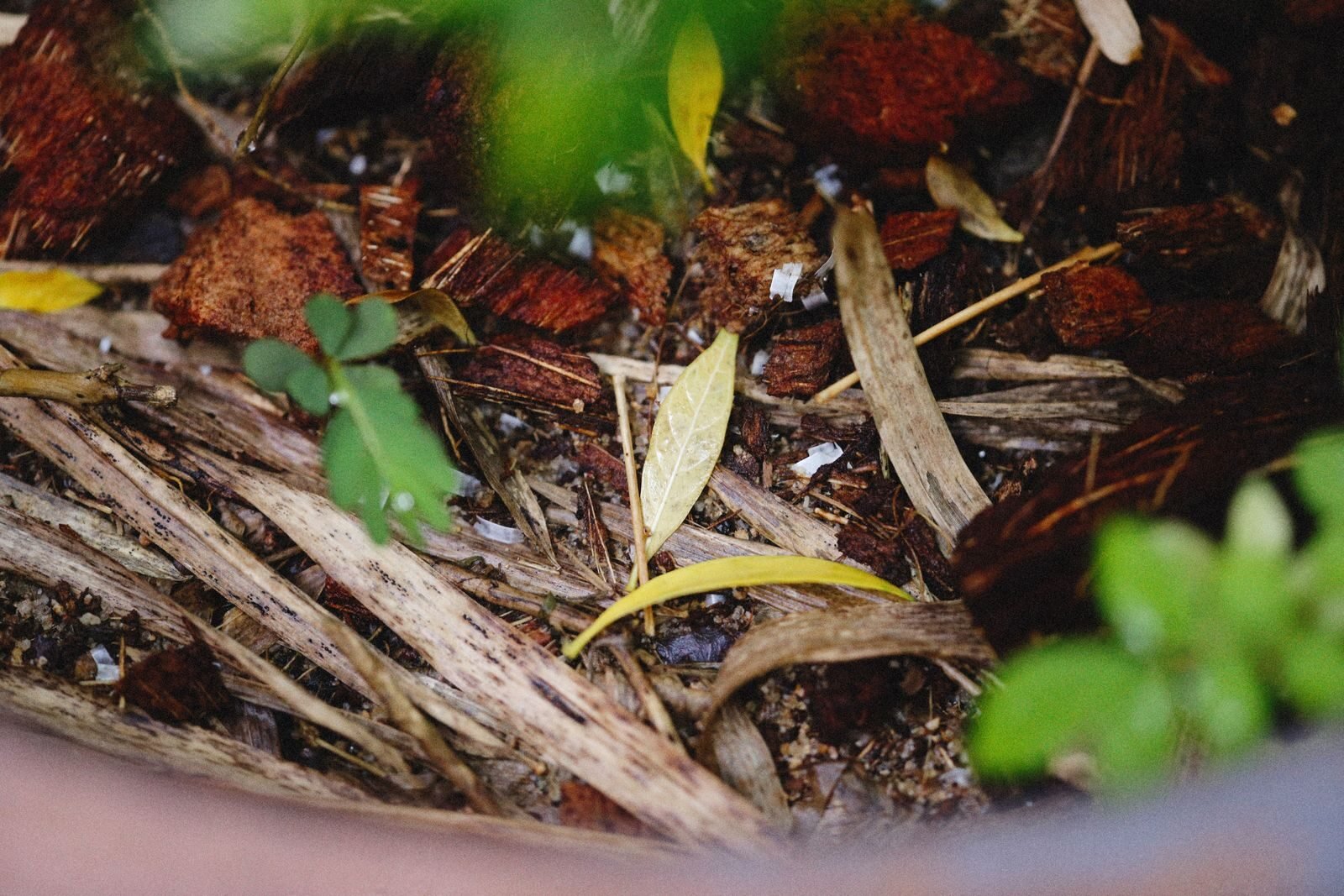
The Mineral Core (1 inch): Use organic-rich potting soil. This provides carbon and micronutrients, such as boron and manganese, which support plant growth and the formation of bioactive compounds. This is similar to the nutrient-rich soil observed in forest and field studies.
The Barrier Cap (2 inches): A sand layer is placed on top of the soil. It allows plant roots to access the nutrient-rich layer while preventing excessive nutrient release into the water, which can lead to algae overgrowth.
3. Substrate Depth and Oxygen Gradients
Research shows that the most effective natural filtration occurs in the substrate. A thin layer of gravel at the bottom of a tank is insufficient. To achieve a self-sustaining system, the substrate should be several inches deep to allow proper microbial activity.
This depth creates an oxygen gradient. The top layer is oxygen-rich, while the bottom layer becomes oxygen-poor (anoxic). In the anoxic zone, specialized bacteria perform denitrification, converting nitrates, the waste produced by fish, into nitrogen gas (N2).
Substrate provides surface area for microbial colonization, enhancing nutrient cycling and improving water quality (Rana & Ray, 2025). This process reduces the need for frequent water changes and helps maintain a balanced aquarium ecosystem.
4. The Temperature Trap
In my research on Silver Birch, I found that even a tiny temperature increase (just +0.9°C) totally changed how the soil “breathed.” It made the microbes work faster, which can actually stress the plants.
This is the exact same thing that happens in your aquarium!
Water holds less oxygen as temperature rises. If the water becomes too warm, microbial activity increases, consuming oxygen rapidly. This can reduce oxygen available for plants or aquatic animals and destabilize the system.
Place your tank in a location with stable temperature, away from direct sunlight, heaters, or drafts. Maintaining temperature stability is key to a long-lasting, healthy ecosystem.
5. Redox Potential: The Hidden Soil Factor
Redox Potential measures how readily the aquarium substrate gains or loses electrons, which affects nutrient availability for plants.
In a newly set-up planted tank, the substrate is highly oxidized. As the tank matures, the deep substrate gradually develops a lower redox state. This is beneficial because it keeps minerals like iron (Fe²⁺) in a reduced, plant-available form.
In a tank with only gravel and high oxygen levels, iron can oxidize (essentially rust), making it unavailable to aquatic plants. A deep, nutrient-rich substrate helps maintain a reduced state, ensuring minerals remain accessible and supporting healthy plant growth (Mattila 2024).
6. Carbon Sequestration in the Small-Scale Ecosystem
Carbon sequestration isn’t just a global phenomenon, it occurs in aquariums as well. As aquatic plants grow, they absorb CO₂ from the water and convert it into cellulose.
When leaves die and settle into the substrate, decomposer organisms break them down, returning carbon to the soil. Allowing some leaf litter to remain in the tank helps build substrate structure over time, supporting a self-sustaining nutrient cycle and making the aquarium ecosystem more resilient as it matures (Xie et al., 2023).
FAQs
Q: What is the golden rule of aquascaping?
Beyond appearance, the biological golden rule is substrate integrity. Adequate substrate depth is essential. A thin substrate cannot support anaerobic zones, which are needed for nutrient cycling. Without them, waste accumulates and frequent water changes become unavoidable.
Q: What is needed for a self-sustaining ecosystem?
A balanced system requires three components: nutrient-rich soil, healthy aquatic plants, and detritivores such as shrimp or snails. Soil stores nutrients, plants absorb waste, and detritivores recycle organic matter. Removing any one of these elements disrupts the nutrient cycle.
Q: Can a self-sustaining ecosystem be made in a fish tank?
Yes, but size matters. Larger tanks are more stable because they have greater buffering capacity against chemical and biological fluctuations. Beginners are more likely to succeed with larger volumes than with small containers.
Q: Where is the best place to set up an ecosystem aquarium?
Choose a location with minimal environmental fluctuation. Avoid direct sunlight, heaters, and air vents. Stable temperature and light conditions reduce stress on plants and microbes and improve long-term system balance.
Q: How do you make a self-sustaining ecosystem with fish?
Stock lightly. Plant biomass should significantly exceed fish biomass. Plants are the primary processors of waste; if fish load exceeds plant capacity, the system becomes unstable.
Q: Should a filter be used in a self-sustaining aquarium?
A traditional chemical filter is not required. However, a simple sponge filter can be beneficial. It provides surface area for beneficial bacteria without disrupting the biological processes of the tank.
Q: Why does a self-sustaining aquarium sometimes smell?
Odors usually indicate hydrogen sulfide production, caused by overly compacted substrate. Burrowing organisms, such as Malaysian trumpet snails, help prevent this by keeping the substrate aerated.
Q: Will a self-sustaining aquarium have algae?
Some algae is normal and part of a healthy food web. Excessive algae usually indicates excess light or an imbalance between light, nutrients, and available carbon. Adjusting light intensity often restores balance.
Summary
Building one of these tanks isn’t a “set it and forget it” trick. It’s about setting the right biological conditions and then stepping back. My background in botany and biogeochemistry has shown me that nature is incredibly resilient, if you give it the right foundation.
You aren’t just “keeping fish.” You are managing a living, breathing, chemical cycle. If you respect the science of the substrate and the physiology of the plants, the system will take care of itself.