

This article was written and reviewed by Serge, MSc. I hold degrees in Plant Biology, Environmental Biology and Biogeochemistry, with research experience in plant physiology, ecosystem science, and field-based environmental studies. Every article on this site is grounded in real academic training and genuine scientific research.
Affiliate disclosure: This site has affiliate links, including Amazon. As an Amazon Associate I earn from qualifying purchases, at no extra cost to you.
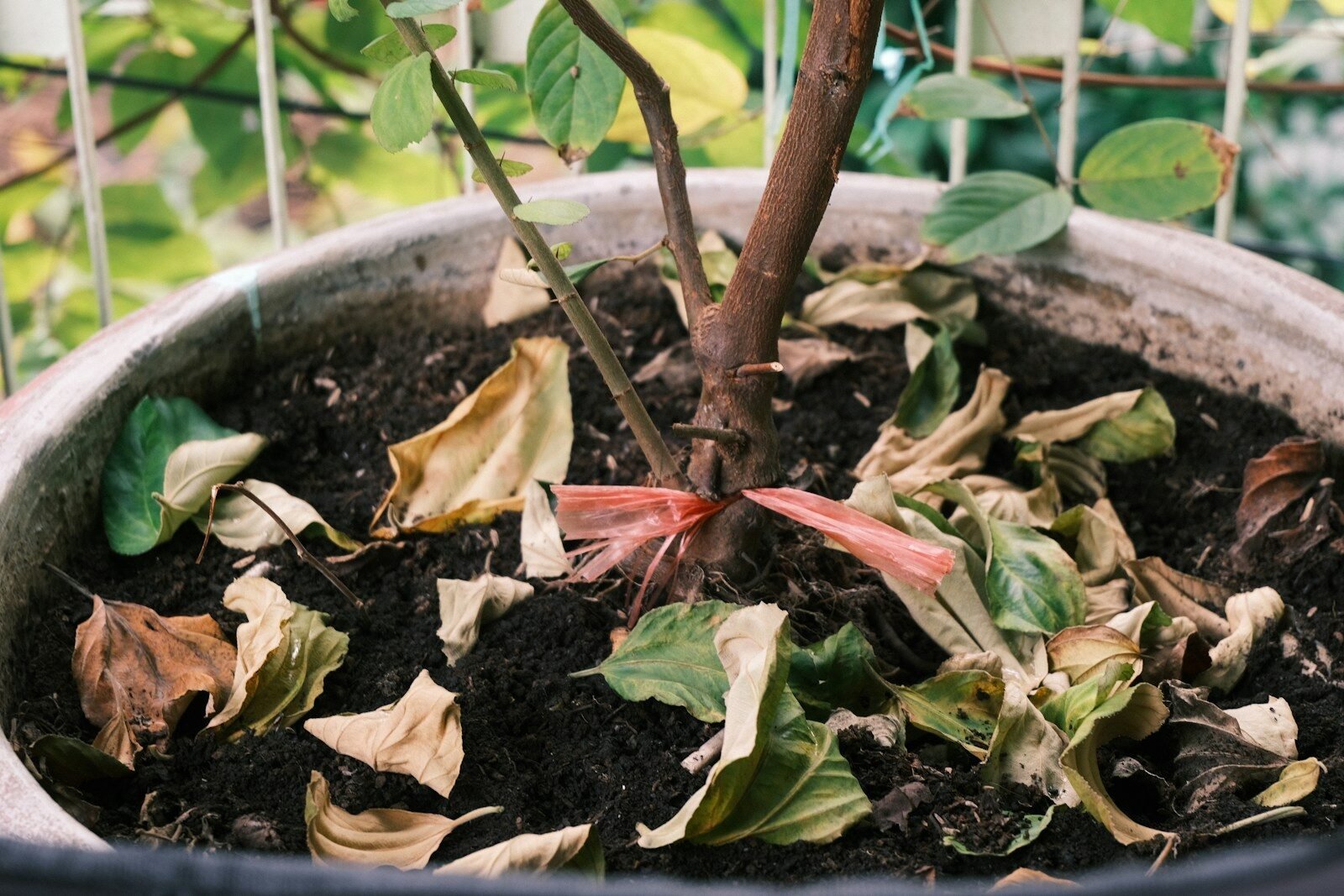
When your houseplant starts dropping leaves, is something wrong, or is the plant just doing normal housekeeping?
Both are possible, and telling them apart is the whole game. A plant quietly shedding an old leaf now and then is healthy. A plant letting go of handfuls of leaves at once is sending a different message.
Let me show you what leaf drop actually is, what causes it, and how to read which kind you’re seeing.
What tracking birch leaves showed me about leaf drop
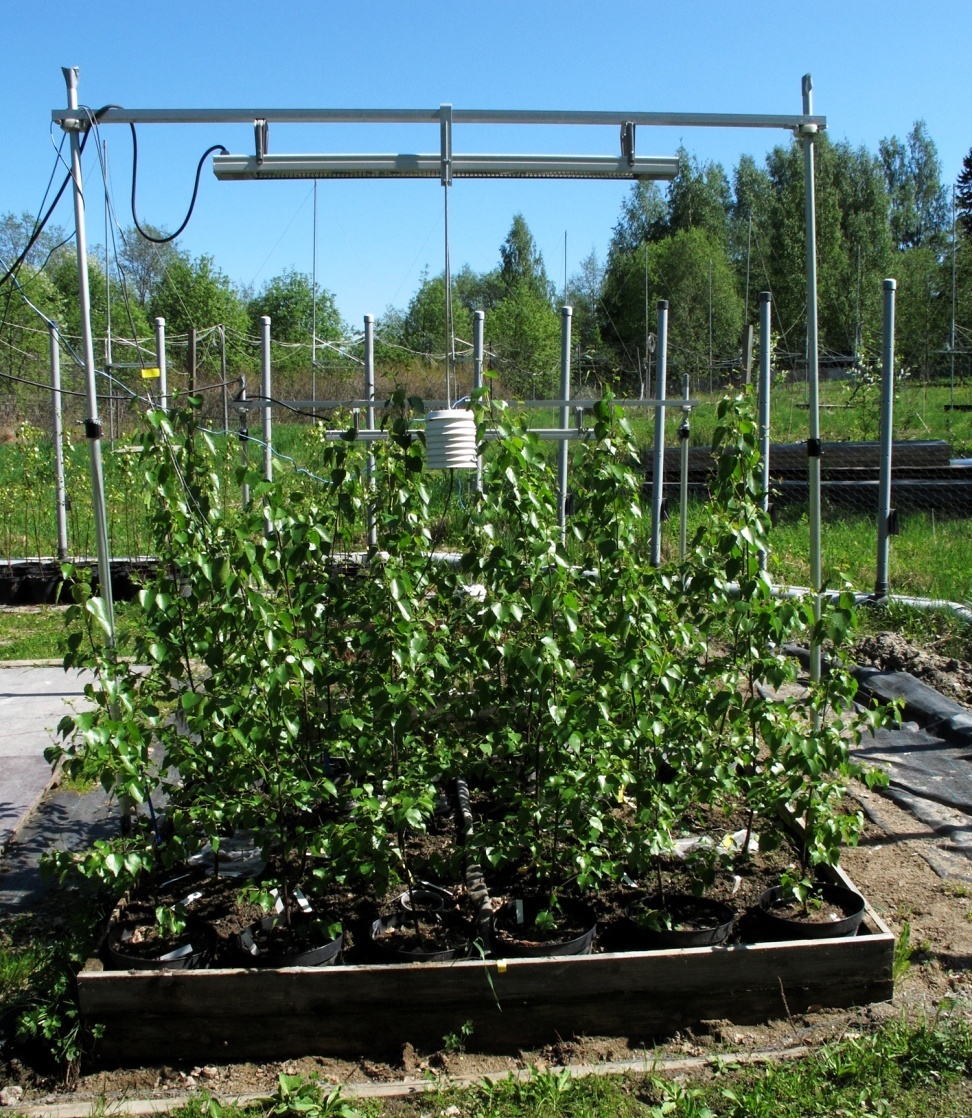
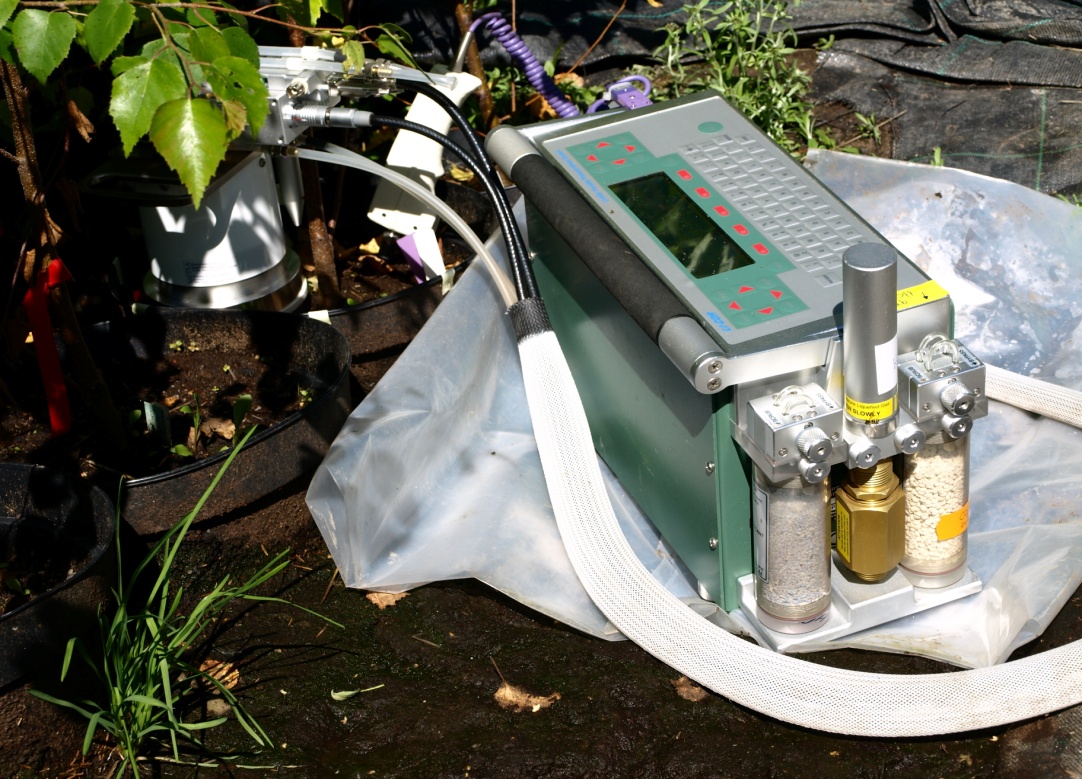
For months I counted the leaves on the same birch saplings, right through the growing season, under different treatments, warming and elevated ozone among them, which I won’t get into here.
Leaves dropped along the way, and the pattern was clear. It was mostly the lower, older leaves that went, with the odd one higher up now and then.
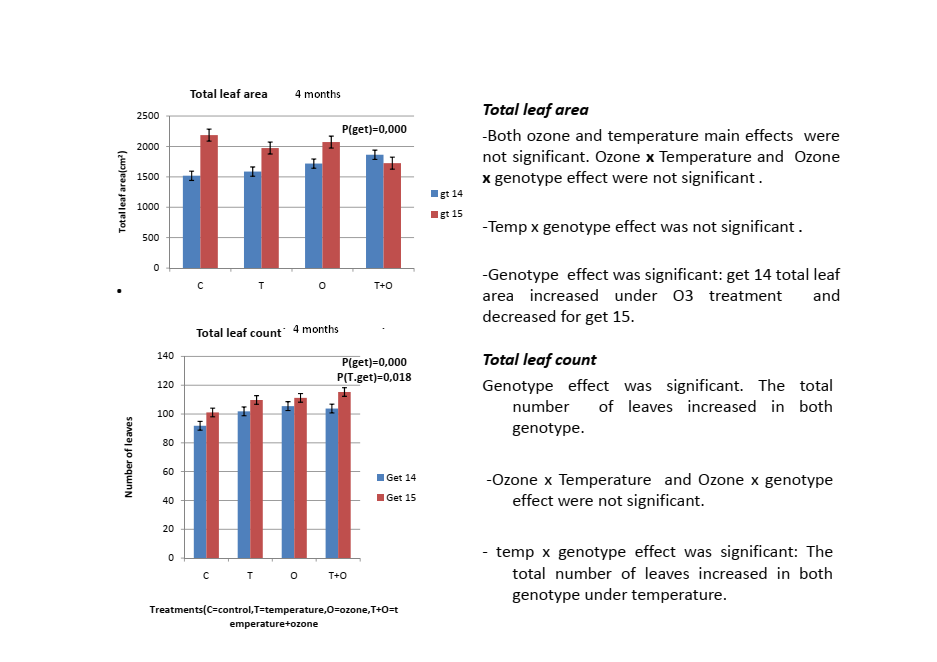
Here is the part that changed how I think about leaf drop. Even as those lower leaves fell, the plants kept producing new ones, so the total leaf count held up. In my end-of-season data the counts held up across every treatment, and under the warming treatment they rose rather than fell.
And by the close of the season, every plant was still alive, just in different conditions. Leaf drop on its own wasn’t a sign of a plant failing. A plant letting go of its old lower leaves while pushing new growth up top is usually just doing its normal turnover.
Leaf drop is something the plant does on purpose
A leaf doesn’t simply fall off. The plant drops it deliberately, through a process called abscission. As Loyola University explains, the plant builds a special zone of weak-walled cells at the base of the leaf, a separation layer, and lets the leaf go cleanly.
In other words, the plant chooses to shed that leaf, usually to stop spending water and energy on a leaf that’s old, shaded or no longer paying its way. Knowing that leaf drop is an active decision, not just decay, helps you read it.
The question is always: what is the plant responding to?
The normal kind you don’t need to worry about
Plants shed their oldest, lowest leaves as a matter of course. Those bottom leaves are shaded by the newer growth above them, so they earn less and the plant cuts them loose to reinvest upward.
If you’re seeing the odd lower leaf yellow and then drop while the top of the plant looks healthy and keeps growing, that’s routine. It’s the same turnover I watched in the birch, where the plants stayed healthy while steadily dropping their older leaves. Nothing to fix here.
Shock: the most common sudden dropper
If a plant drops a lot of leaves quickly, and they’re not just the old ones, shock is the usual reason. Plants dislike sudden change. A new plant coming home from the shop, a repot, a move to a different room, or a cold draft from a door or window can all trigger a wave of dropping.
Iowa State Extension notes that temperature extremes and sudden changes in light are among the leading triggers, and sums it up simply: “Improper environmental conditions is the leading issue that causes leaf drop” (Iowa State University Extension).
The good thing is that shock drop often settles on its own once the plant adjusts, as long as the new spot is suitable. Give it a few weeks before you start changing things.
Watering trouble: too much or too little
Water problems are behind a lot of leaf drop. When soil stays waterlogged, the roots suffocate and rot, and a plant with failing roots sheds leaves because it can no longer supply them. When soil dries out too far, the plant drops leaves to cut its water losses.
Because the two look similar from the top, telling overwatering from underwatering is the thing to sort out first, and the long-term answer is watering by what the soil is telling you rather than on a schedule.
Too little light
A plant in a spot that’s too dark can’t support all its leaves, so it drops the lower and inner ones it can’t afford to run. If your plant is going bare from the bottom and leaning hard toward the window, light is a likely culprit, and it’s worth checking how much light your plant really needs and how it copes indoors.
Pests and other stress
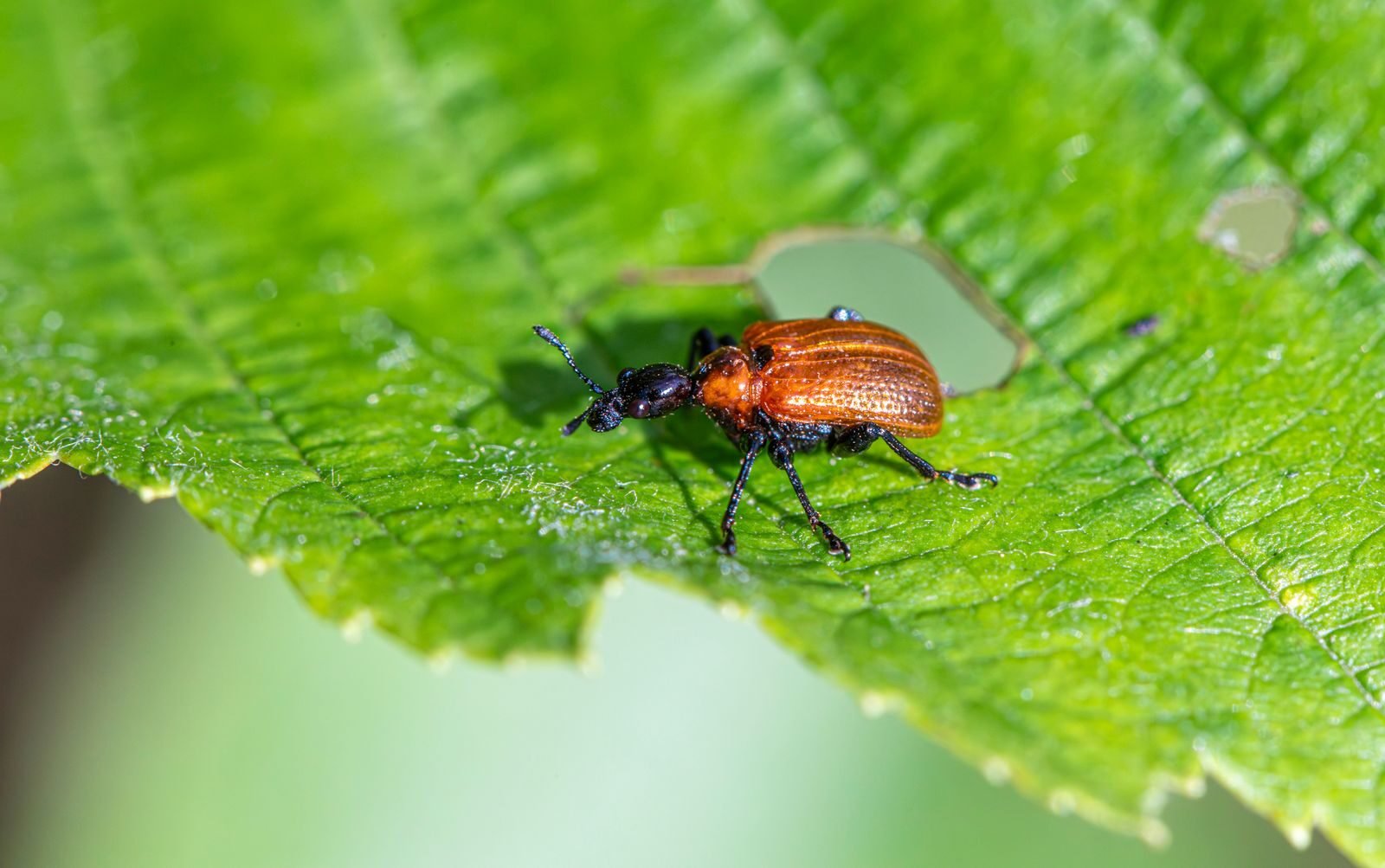
Sap-sucking pests weaken a plant and can bring on leaf drop, so if the conditions look right, check the stems and leaf undersides for insects like spider mites.
If you find bugs but aren’t sure what they are or how to treat them, my guide What’s Bugging My Houseplant? walks you through identifying the pest and a least-toxic-first treatment ladder. Leaf drop also tends to come alongside other signals, and curling is a common one, since in my own field work leaves often curled before they dropped.
Reading the whole set of clues together beats reacting to the drop alone.
Reading the pattern
The pattern tells you which kind you have. A few old lower leaves going slowly while the plant grows on top is normal. A sudden wave of leaves, including healthy ones, points to shock or a recent change.
Dropping from the bottom up with soggy soil points to the roots. Dropping after the soil went bone dry points to thirst. Going bare in a dark corner points to light.
If you want a wider framework for reading a struggling plant, a guide to spotting a stressed plant helps, and leaf drop is often one of several things going wrong at once, so it’s worth checking against the other causes that push houseplants into decline.
How I’d work through it
I’d ask first whether the leaves dropping are the old lower ones or healthy ones from all over. Old and low means probably normal. Healthy and sudden means look at what changed recently, a move, a repot, a draft.
Then I’d feel the soil, soggy points to roots, bone dry points to thirst. Then I’d check the light and look the plant over for pests. Most leaf drop sorts into one of those before anything unusual.
A few questions I get asked
My new plant started dropping leaves days after I brought it home. Did I kill it?
Almost certainly not. That’s classic shock from the change in light, humidity and temperature between the shop and your home. Put it in a suitable spot, leave it be, and give it a few weeks to settle before worrying.
Only the bottom leaves are dropping. Is that bad?
Usually not. Shedding old lower leaves while the top keeps growing is normal turnover. Watch the new growth, if that’s healthy, the plant is fine.
My plant dropped loads of leaves at once. Will they grow back?
Often, yes, as long as the cause is fixed. A plant that drops leaves from shock or a dry spell usually pushes new ones once it recovers. Judge it by whether new growth appears, not by the leaves it lost.
Should I cut back on watering if leaves are dropping?
Only if the soil is staying wet. Dropping with soggy soil means ease off and check the roots. Dropping with bone-dry soil means the opposite. Feel the soil before you decide.
Still not sure what your plant is telling you?
Leaf drop overlaps with yellowing, curling and wilting, and it’s easy to treat the wrong cause. If you’d like a shortcut from the symptom you can see to the cause behind it, I built a guide for exactly that: What’s Wrong With My Plant?
It’s a plant scientist’s symptom-to-cause-to-fix system, a 9-page instant PDF, made to work through the moment your plant looks off.
A plant dropping a few old leaves is just keeping house. A plant dropping many at once is reacting to something you can usually find and fix. Read which one you’re seeing, and leaf drop stops being frightening.