


This article was written and reviewed by Serge, MSc. I hold degrees in Plant Biology, Environmental Biology and Biogeochemistry, with research experience in plant physiology, ecosystem science, and field-based environmental studies. Every article on this site is grounded in real academic training and genuine scientific research.
Affiliate disclosure: This site has affiliate links, including Amazon. As an Amazon Associate I earn from qualifying purchases, at no extra cost to you.
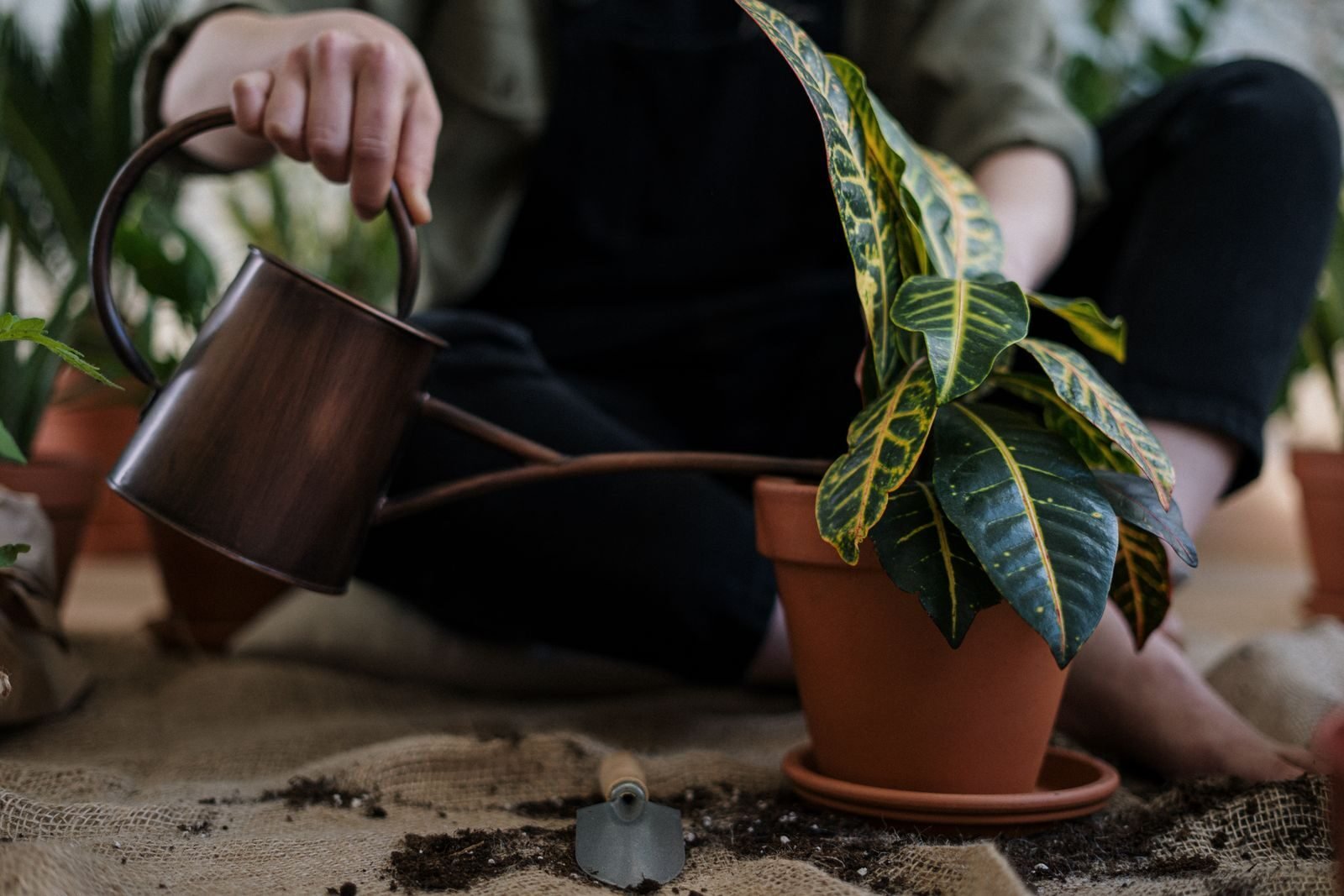
Feeding is the part of houseplant care people most often get backwards…
The usual instinct is that a struggling plant must be hungry, so out comes the fertilizer, when more often the plant was fine and the feeding is what tips it over.
I studied plant nutrition, how plants take up their food and what happens when there’s too much of it, so let me walk you through when a houseplant actually needs feeding, how much, and the mistake that does the most harm.
Your plant probably came pre-fed
Here’s the first thing worth knowing, and it’s the reason so many new plants get over-fed…
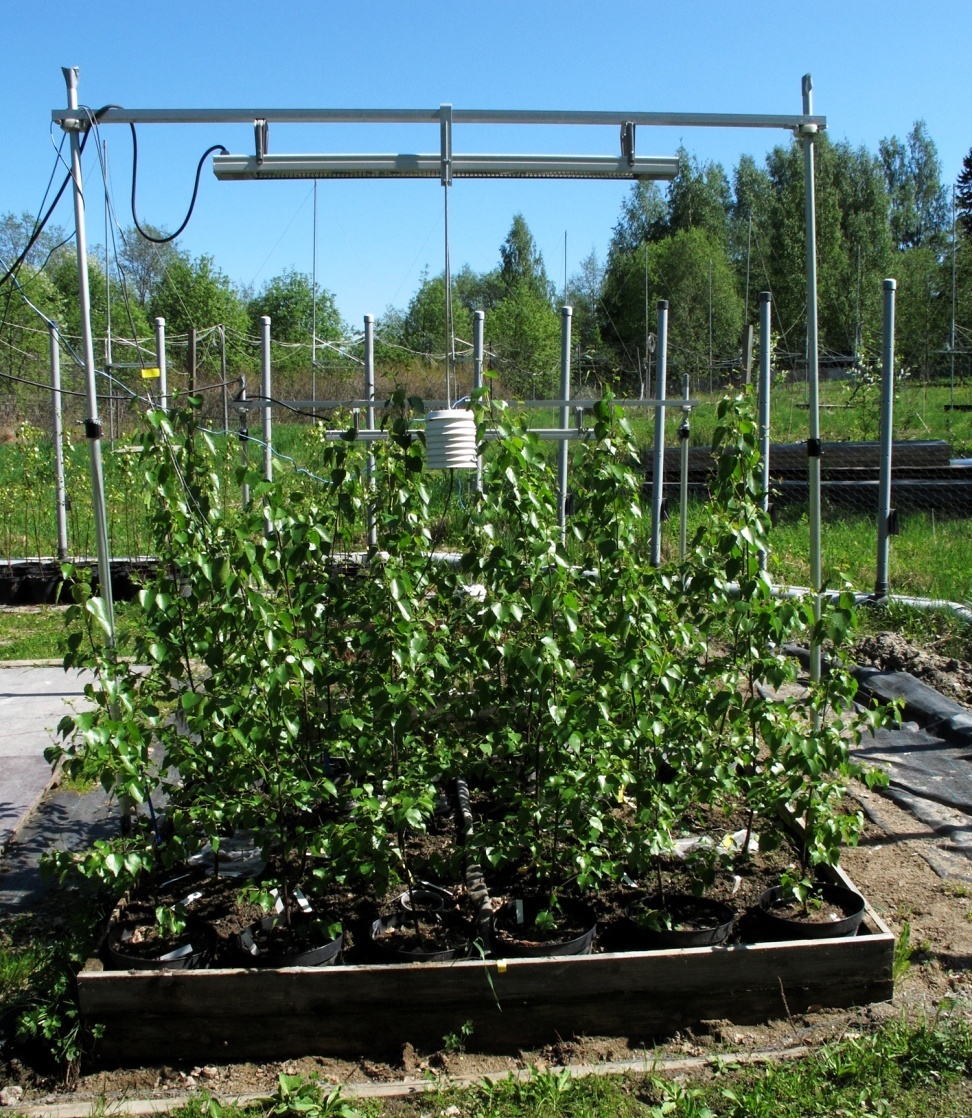
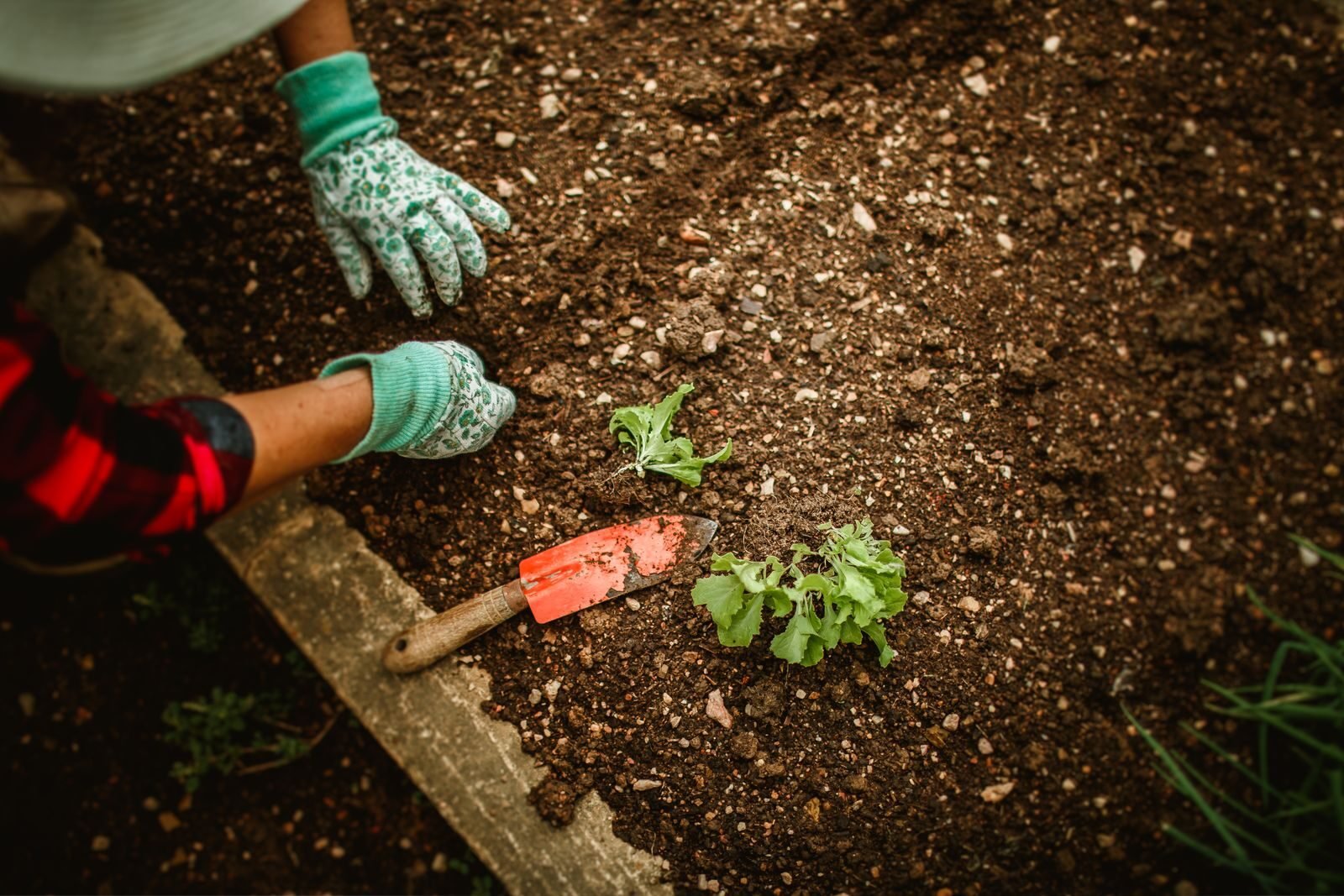
A plant you bring home is already sitting in soil that carries its own food. I saw this clearly in my field work: the young plants came in rich nursery soil, and the prepared soil we potted them into was bagged and already fed. Fresh potting mix is the same. It comes with a nutrient charge mixed in, enough to keep a plant going for a while with nothing added.
So a newly bought or freshly repotted plant does not need feeding straight away. It’s living off its soil. Start adding fertilizer on top of that and you’re stacking food the plant can’t use, which is where the trouble starts. Feeding is really about what happens later, once the soil’s own food has been used up, not something you do the day you get the plant.
What the plant is actually using
When you do feed, you’re topping up three main nutrients, usually written on the bottle as NPK.
From my plant nutrition study, the short version is this…
Nitrogen (N) drives leafy green growth.
Phosphorus (P) supports roots and flowers.
Potassium (K) helps the plant run its everyday processes and cope with stress.
For most leafy houseplants, a balanced feed where those three numbers are roughly even is all you need. You don’t have to match a special formula to every plant.
The way those nutrients actually get into a plant is more involved than “add feed, plant eats,” and if you want the deeper version I wrote about how nutrients, pH and ion dynamics work from the lab side. The thing to hold onto here is that fertilizer is not plant food in the way we think of food. The plant makes its own food from light.
Fertilizer is more like the minerals it needs in small amounts to do that, and the key words are small amounts. A plant can only take up so much, and the rest just builds up in the soil.
When to feed, and when to stop
Timing matters more than most people realise. Plants feed when they’re growing, and they grow when there’s light and warmth. So the feeding season is spring and summer.
Through autumn and winter, when the light drops and most houseplants slow right down or stop, they’re barely using nutrients, and feeding them then just leaves the fertilizer sitting in the soil. UNH Extension puts it plainly: only feed houseplants when they’re actively growing, and put the fertilizer away from around October until spring.
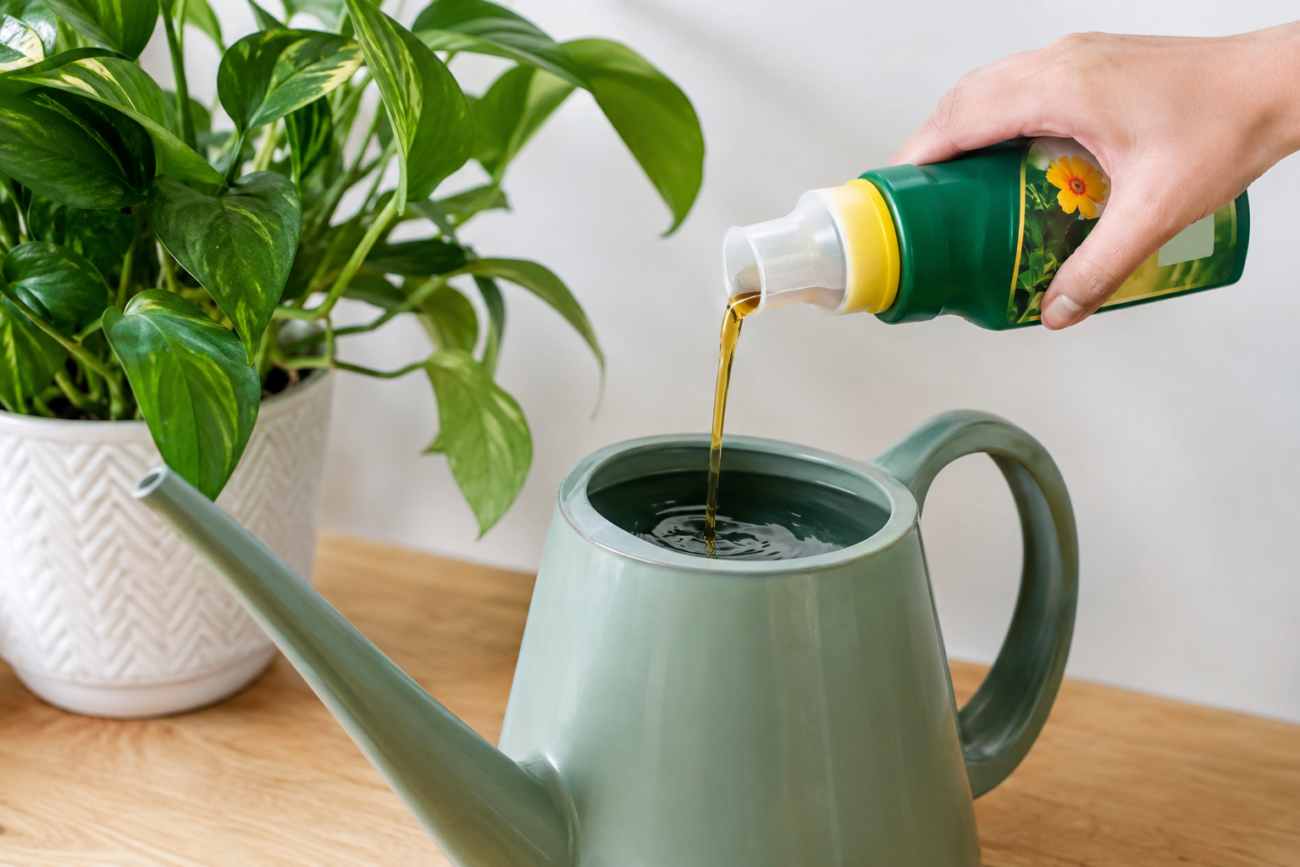
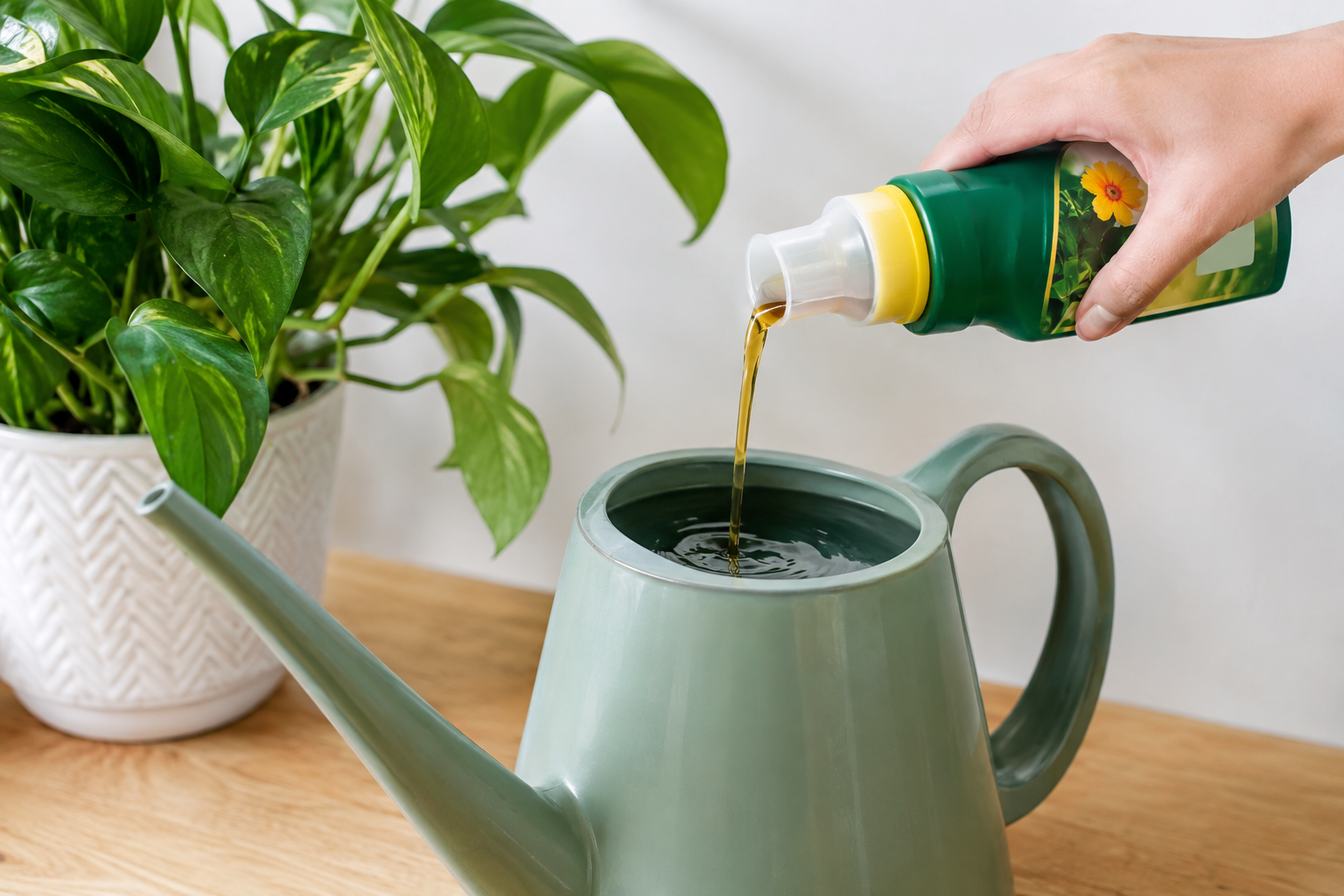
In the growing months, little and often beats a big dose. For most plants, a balanced liquid feed diluted to half or even quarter strength, given every few weeks while they’re growing, is plenty. The diluting is not me being cautious for the sake of it. It’s the single best way to avoid the one real danger with feeding, which is giving too much.
The mistake that does the damage
Over-feeding harms a plant more reliably than under-feeding, and this is the part my nutrition training made me careful about. Fertilizer is salt.
When you add more than the plant can use, those salts build up in the soil, and once they get concentrated enough they start pulling water back out of the roots and burning the root tips and leaf edges. University of Maryland Extension notes the same thing: too much fertilizer builds up as salt in the soil.
The signs look like this…
A white crust on the soil surface or around the pot rim is salt build-up you can see. Brown, crispy leaf tips and edges are often the same salts at work. Burned roots struggle to take up water, and if they stay stressed in soggy, over-fed soil they can tip into root rot.
A plant that’s been fed hard but looks worse, not better, is usually telling you to stop, not to feed more. If you think you’ve over-fed, the fix is to flush the pot, watering it through heavily a few times so the excess salt washes out the bottom, then easing right off.
Reading the plant instead of the calendar
Underfeeding does happen, and it shows as slow, weak growth and pale leaves on a plant that’s otherwise healthy and in good light, usually one that’s been in the same tired soil for a long time. Nitrogen is the nutrient behind leafy green growth, so a genuine shortage often shows as overall paleness, one of the patterns I covered in why houseplant leaves turn yellow.
But before you reach for fertilizer, it’s worth ruling out the things that look like hunger but aren’t, poor light, cramped roots, or old soil that needs refreshing. A plant stretched out and pale is short of light, not food, and feeding it makes the weak growth worse.
If it’s a dim spot that’s the problem, a grow light does far more than fertilizer ever would. And if you want to pin down exactly what a plant is short of, I wrote a full guide on how to test your soil’s pH and nutrients properly, and another on choosing the right fertilizer for what your soil actually needs.
Often the best long-term answer isn’t a bottle at all. Refreshing the soil when you pot a plant on, or topping it with a little compost, feeds the plant slowly and steadily the way its original soil did, without the salt build-up that comes from liquid feed.
That slow feeding is really the work of the living soil itself, which I went into in why overwatering kills plants, where the microbes break down organic matter and release nutrients at a pace the plant can actually use.
Frequently asked questions
How often should I fertilize my houseplants?
Only while they’re actively growing, which for most is spring and summer. In those months, a balanced liquid feed at half strength every few weeks is plenty. Stop over autumn and winter, when the plant isn’t growing and can’t use it.
Do I need to feed a plant I just bought or repotted?
No, not straight away. Fresh potting mix and nursery soil already carry a nutrient charge, so a new or freshly repotted plant is fed for a while. Wait a couple of months before you start, or you risk over-feeding.
Can I over-fertilize a houseplant?
Yes, and it’s more harmful than under-feeding. Fertilizer is salt, and too much builds up in the soil, burns the roots and leaf tips, and leaves a white crust on the surface. Feed less than you think you need.
What do the numbers on fertilizer mean?
They’re the amounts of nitrogen, phosphorus, and potassium, the three nutrients plants use most. Nitrogen for leaves, phosphorus for roots and flowers, potassium for general health. For most leafy houseplants, a balanced feed with roughly even numbers is fine.
Why does my plant look worse after feeding?
Usually because it didn’t need feeding, or got too much. If there’s a white crust on the soil or the leaf tips are browning, that’s salt build-up. Flush the pot with plenty of water a few times and stop feeding until it recovers.
Should I use liquid feed, or something slow-release?
Either works. Liquid feed, well diluted, gives you control and is easy to stop. Slow-release or a top-up of compost feeds more gently over time. Whichever you use, the rule is the same: less is safer than more.
Feed your plants while they’re growing, go light, and stop in winter, and you’ll avoid the mistake that catches most people. A plant is far easier to rescue from too little feed than from too much. Free plant guides are on the site whenever you want to go further.