

This article was written and reviewed by Serge, MSc. I hold degrees in Plant Biology, Environmental Biology and Biogeochemistry, with research experience in plant physiology, ecosystem science, and field-based environmental studies. Every article on this site is grounded in real academic training and genuine scientific research.
Affiliate disclosure: This site has affiliate links, including Amazon. As an Amazon Associate I earn from qualifying purchases, at no extra cost to you.
You have heard the advice a hundred times: don’t overwater your plants. What almost nobody explains is why overwatering does the damage, and once you understand that, you stop making the mistake for good.
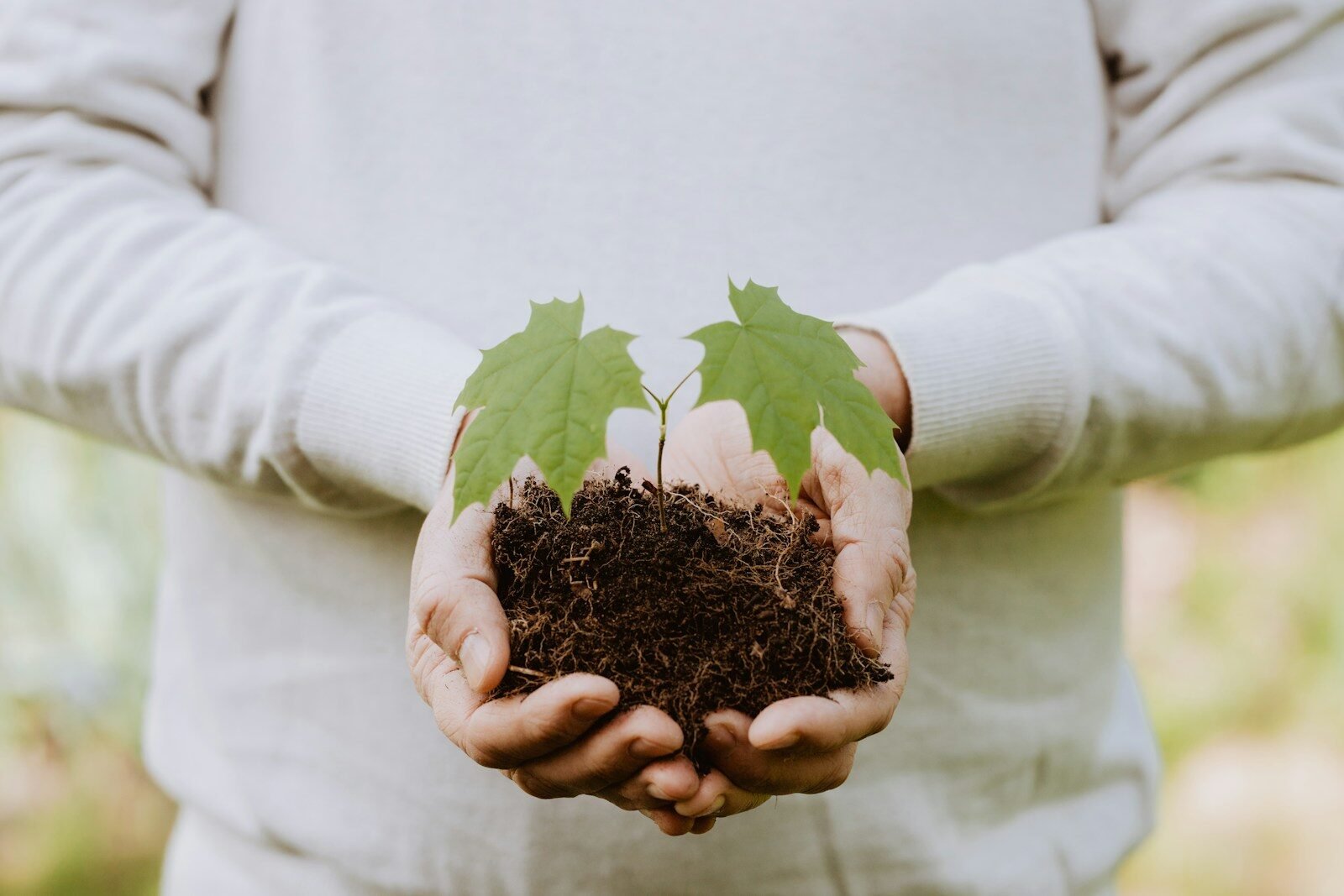
The answer isn’t in the leaves. It’s in the soil, and in one fact most people never stop to think about: your soil is alive…
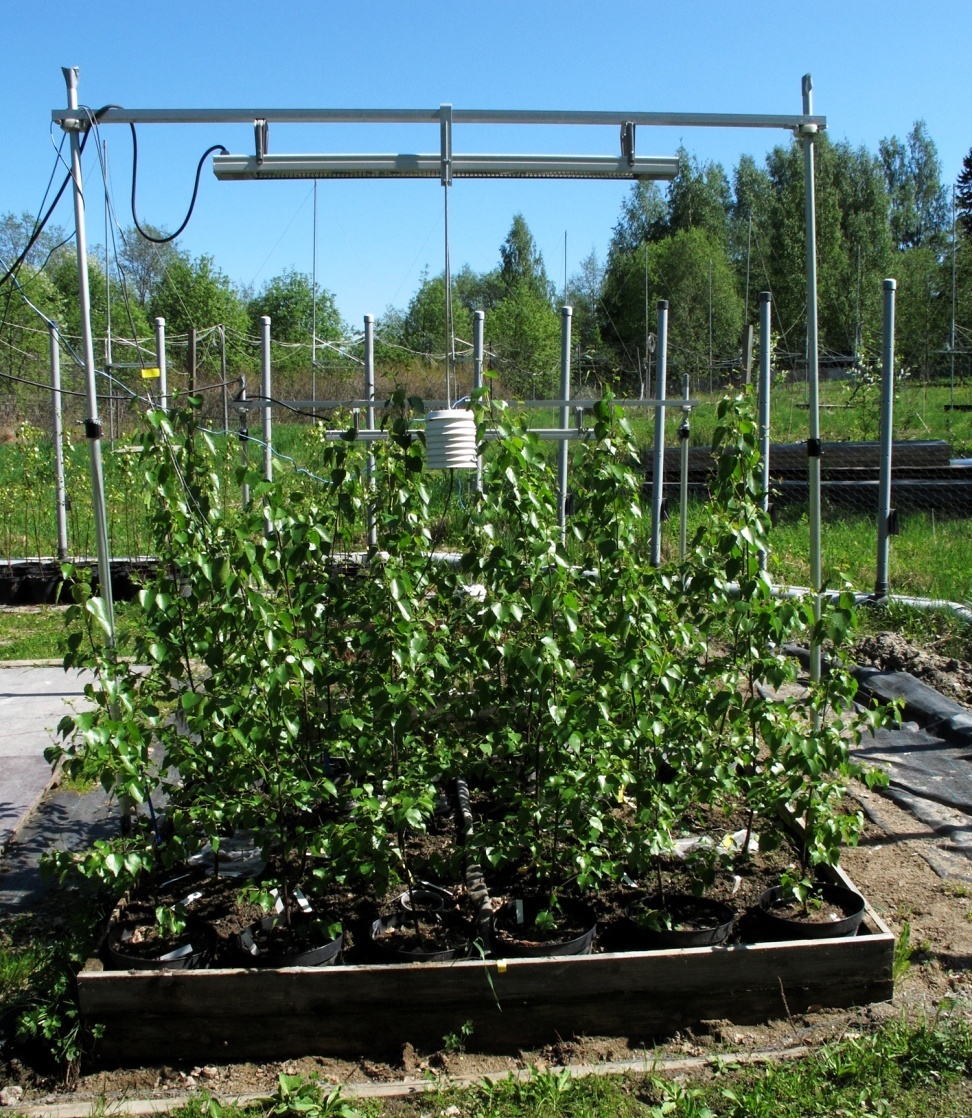
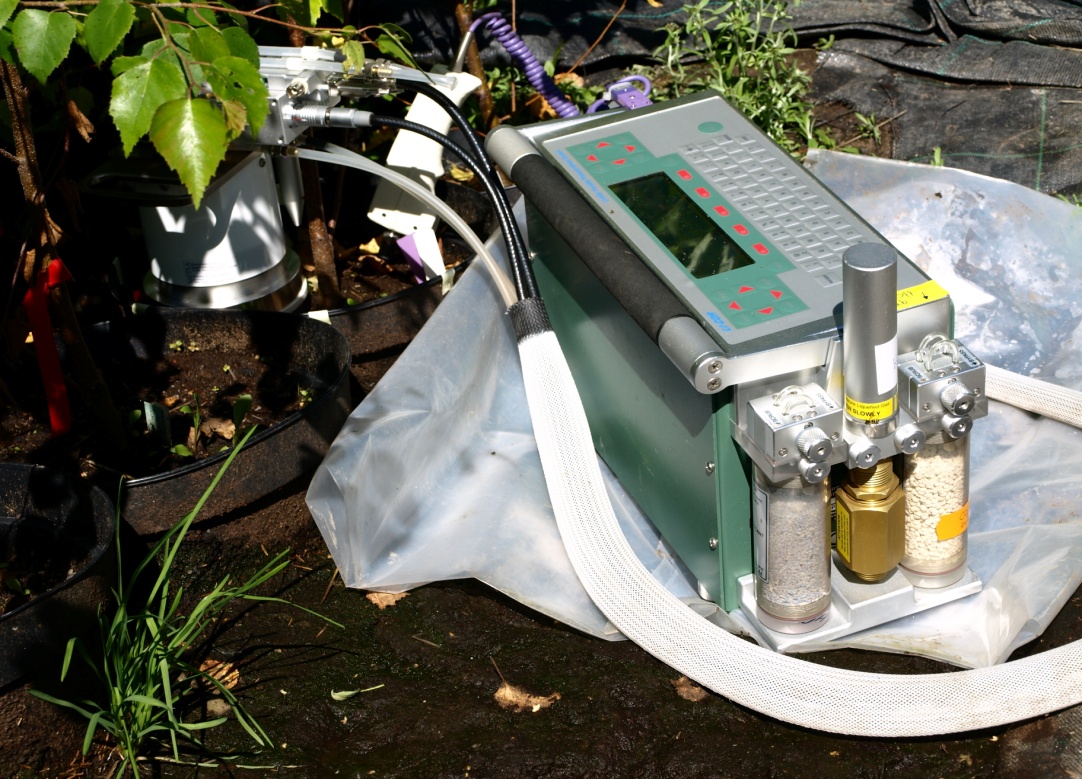
I spent a full growing season measuring soil respiration, the carbon dioxide that soil gives off, using a LICOR chamber, so let me tell you what’s going on down there every time you water.
Your soil is breathing
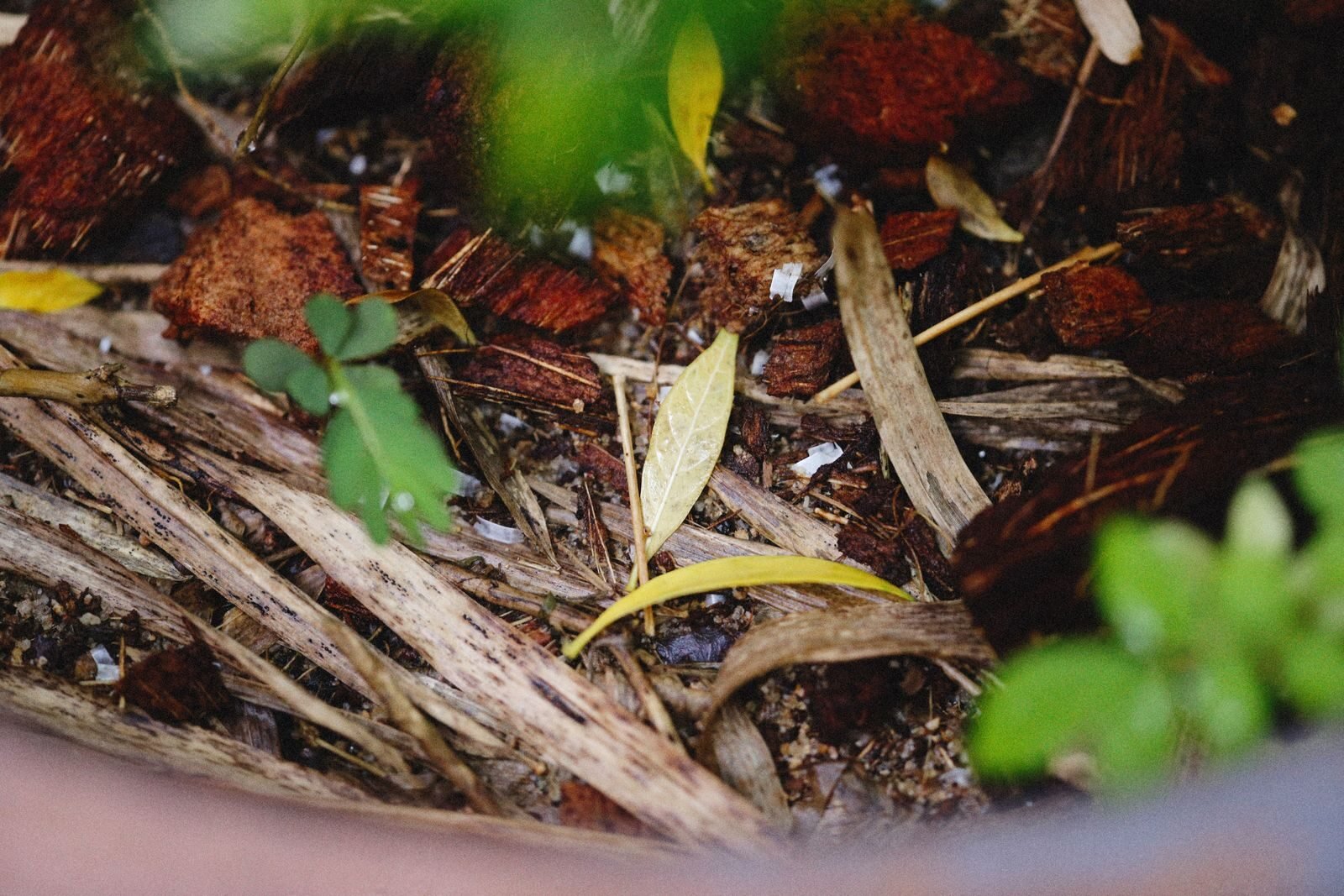
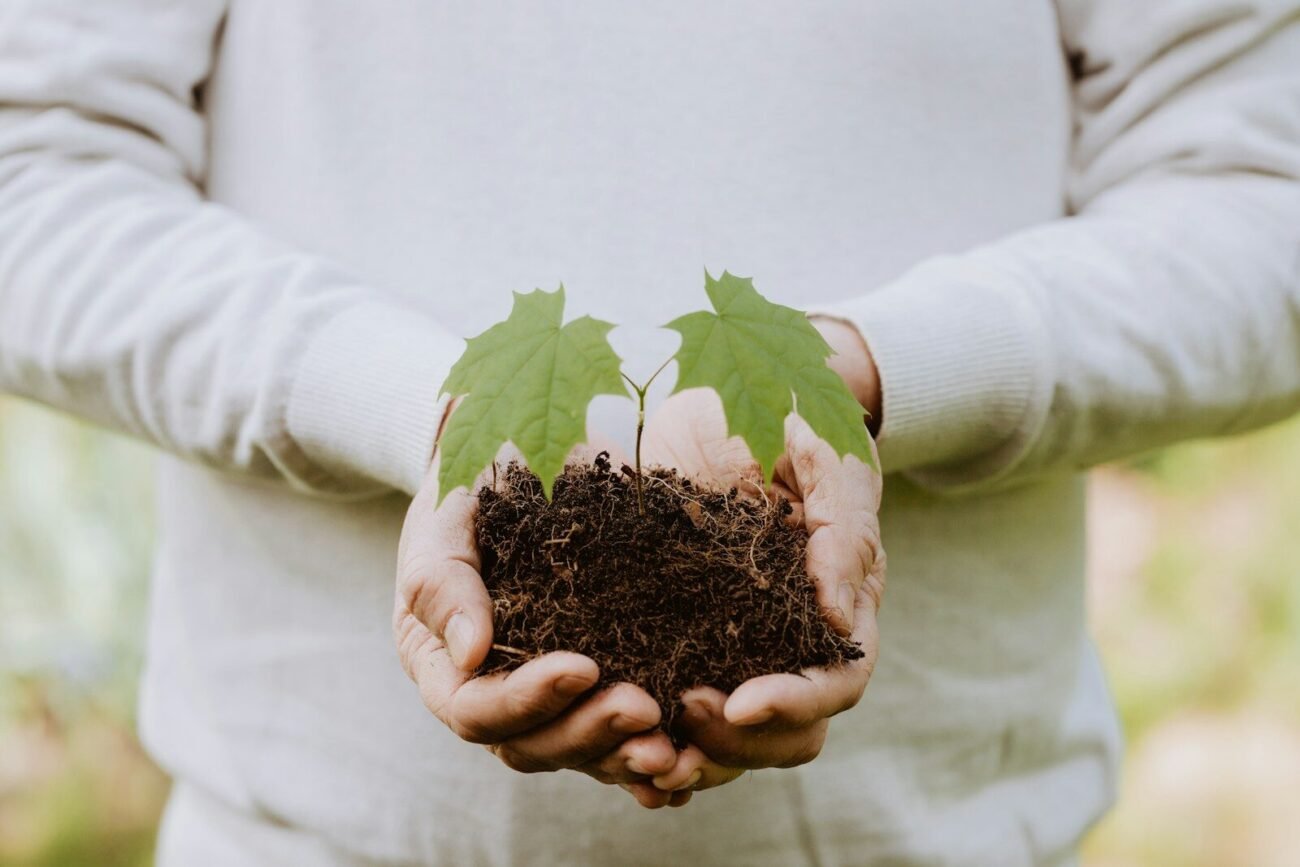
Soil is not an inert thing your plant sits in. It’s packed with life, roots, fungi, and billions of microbes, and all of it is breathing. The roots and the soil life take in oxygen and give off carbon dioxide, the same as we do, and scientists call this soil respiration.
It’s one of the largest movements of carbon anywhere on the planet. A healthy, active soil is one that’s breathing steadily. A soil that’s barely active is one where that life has slowed or stopped. Soil scientists at the University of Arizona Extension describe it the same way, as the carbon dioxide given off by roots and by the microbes breaking down organic matter. If you want the science on its own, I go deeper into it in why every plant parent should care about soil respiration.
What I measured, and what moisture does to it
I measured soil respiration across a whole season with a LICOR chamber, recording the carbon dioxide coming off the soil along with its temperature and moisture every single time. Two things shaped what I found.
The first was warmth. When I warmed the plots even slightly, the soil breathed faster, respiration went up by roughly a quarter to a third. The microbes simply work faster when it’s warmer.
The second, and this is the one that applies directly to your houseplant, was moisture. Soil respiration is at its highest when the soil is moist but not wet. Let it dry out too far and the life slows down, because microbes and roots can’t work without water.
Let it get waterlogged and it slows down again, because once water fills all the spaces in the soil, the oxygen runs out. USDA soil health guidance puts it plainly: respiration rises with moisture up to a point, then drops off when the pores fill with water and oxygen gets cut off. That moist, airy middle is where soil is most alive.
Why this explains overwatering
Here’s where it connects to the pot on your windowsill. Your pot is a small, closed version of the soil I was measuring. It has the same life in it, and the same need for both water and air.
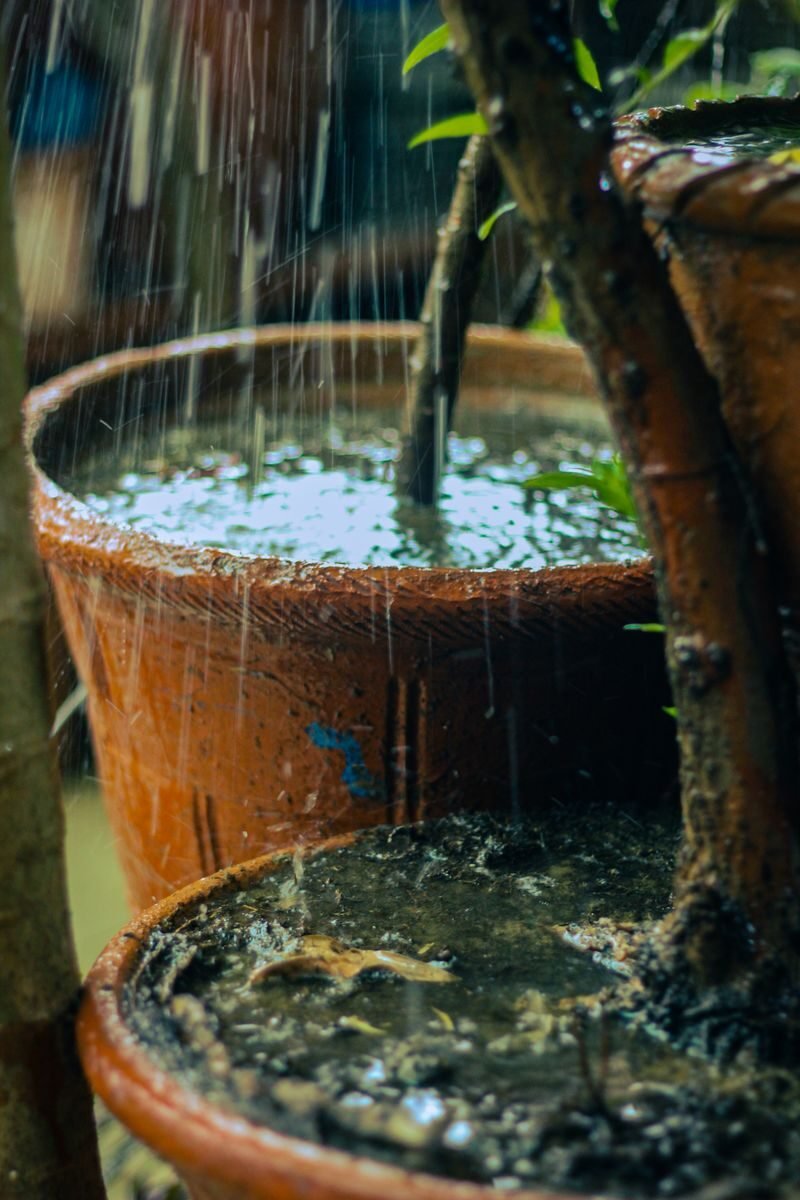
When you overwater, you fill all those tiny air spaces with water. The oxygen gets pushed out, and the roots and the soil life that depend on it start to suffocate. Roots that can’t breathe can’t take up water or nutrients, and before long they begin to rot.
So the thing that kills an overwatered plant isn’t the water itself. It’s the loss of air around the roots. That’s also why a drowning plant and a thirsty plant can look the same from above, both are failing to get water, but for opposite reasons.
And letting it dry out does the reverse
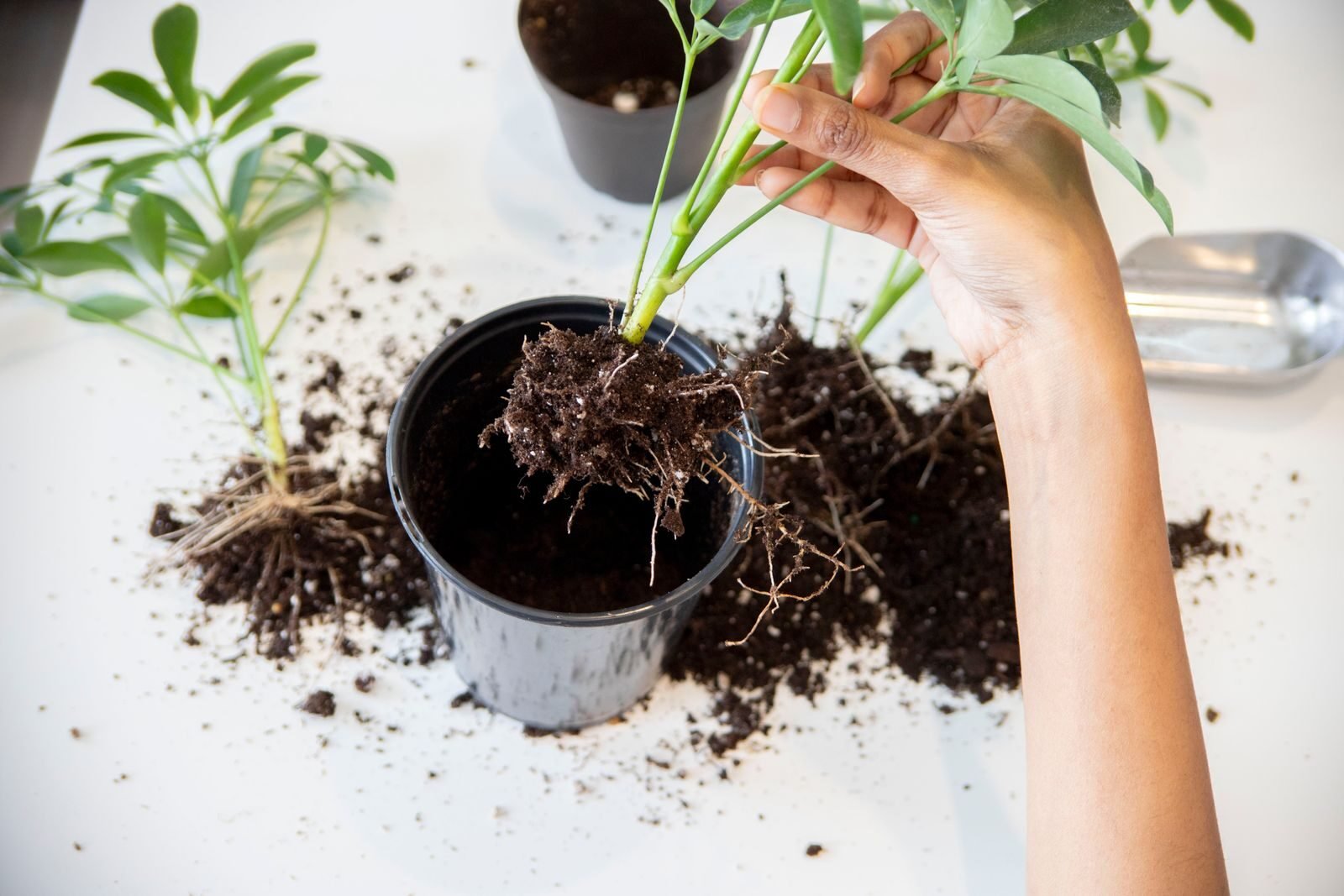
The opposite, letting a plant go bone dry, is just as bad. Without water, the roots and the soil life can’t do their job, so everything slows and stalls.
This is the part I found most useful from my own measurements, and it’s simple: both extremes shut the soil down. Too wet, there’s no air. Too dry, there’s no water. What you’re after is the moist, airy middle, and that’s exactly what good watering aims for. If you want the practical side of getting there, I wrote a full guide on how to water your houseplants properly.
A pot is a living thing, so keep it alive
One more point, because it’s easy to forget a pot is alive at all…
The microbes in your soil aren’t just passengers. As they break down organic matter, they release the nutrients your plant feeds on, which is why good soil does so much of the work for you. Keep that soil alive, moist but never soggy, with air in it and something for the microbes to feed on, and the whole system works with you.
Drown it, and you lose not just the roots but the life that was feeding them. It’s also why the mix you plant into makes such a difference, but that’s a whole topic of its own.
So next time you reach for the watering can, think about what’s happening below the surface. You’re not just adding water, you’re either keeping the soil breathing or drowning it. Water when the top of the soil has dried, water thoroughly so the whole root ball drinks, let the excess drain away, and never leave the pot standing in water. That rhythm keeps the air in the soil, and the air is what keeps everything alive.
And if your plant is already showing the signs, lower leaves turning yellow, wilting even though the soil is wet, or a sour smell coming off the pot, it may already be sliding toward root rot. That’s what I built What’s Wrong With My Plant? for. You start from what you can see, and it walks you to the cause and the fix, so you’re not left guessing.
Frequently asked questions
Is soil really alive?
Yes. A healthy soil is full of living things, roots, fungi, and billions of microbes, and they’re all respiring, taking in oxygen and giving off carbon dioxide. That activity is what releases nutrients for your plant, so living soil does a lot of the feeding for you.
Why does overwatering kill plants?
Because it drowns the roots. When water fills all the air spaces in the soil, the oxygen runs out, and roots that can’t get oxygen can’t take up water or nutrients and start to rot. It’s the lack of air, not the water itself, that does the harm.
Can plant roots really drown?
They can. Roots need to breathe, and they get their oxygen from the air pockets in the soil. Keep the soil waterlogged and those pockets stay flooded, so the roots suffocate. This is what’s behind most root rot.
How long can soil stay wet before it’s a problem?
There’s no exact clock, but soil that stays soggy for days at a time is heading for trouble, because the roots are without air that whole time. Letting the top of the soil dry between waterings, and making sure the pot drains, is what keeps it from getting there.
Does better soil really make a difference?
A lot. A mix that holds some air and drains well keeps the oxygen in the soil even after you water, which is exactly what roots and soil life need. A dense, airless mix that stays wet works against you.
Your soil is doing far more than holding your plant upright. It’s breathing, feeding, and working for you, as long as you keep it moist and full of air. Water with that in mind and most of the common mistakes sort themselves out. Free plant guides and calculators are on the site whenever you want to dig deeper.