

This article was written and reviewed by Serge, MSc. I hold degrees in Plant Biology, Environmental Biology and Biogeochemistry, with research experience in plant physiology, ecosystem science, and field-based environmental studies. Every article on this site is grounded in real academic training and genuine scientific research.
Affiliate disclosure: This site has affiliate links, including Amazon. As an Amazon Associate I earn from qualifying purchases, at no extra cost to you.
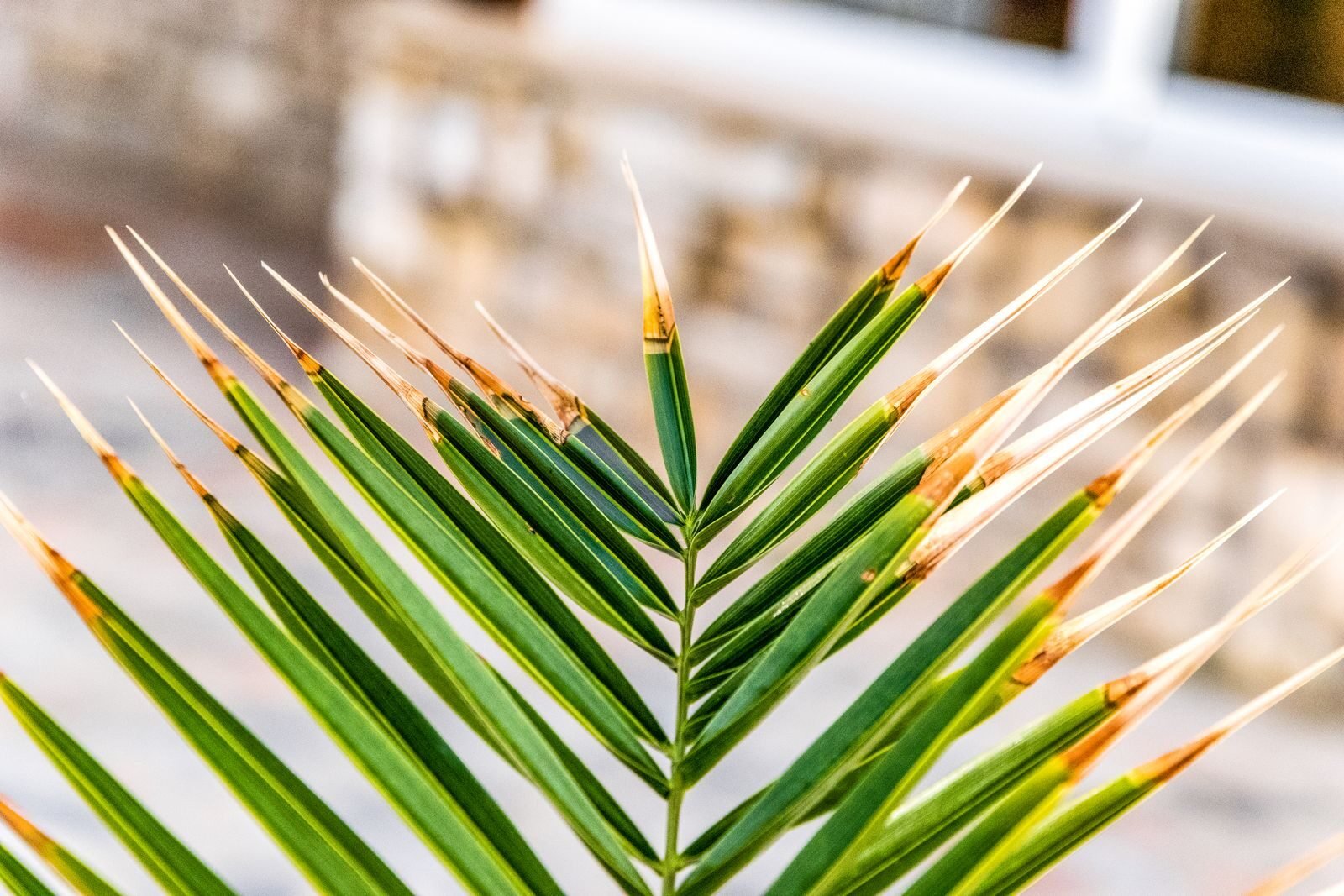
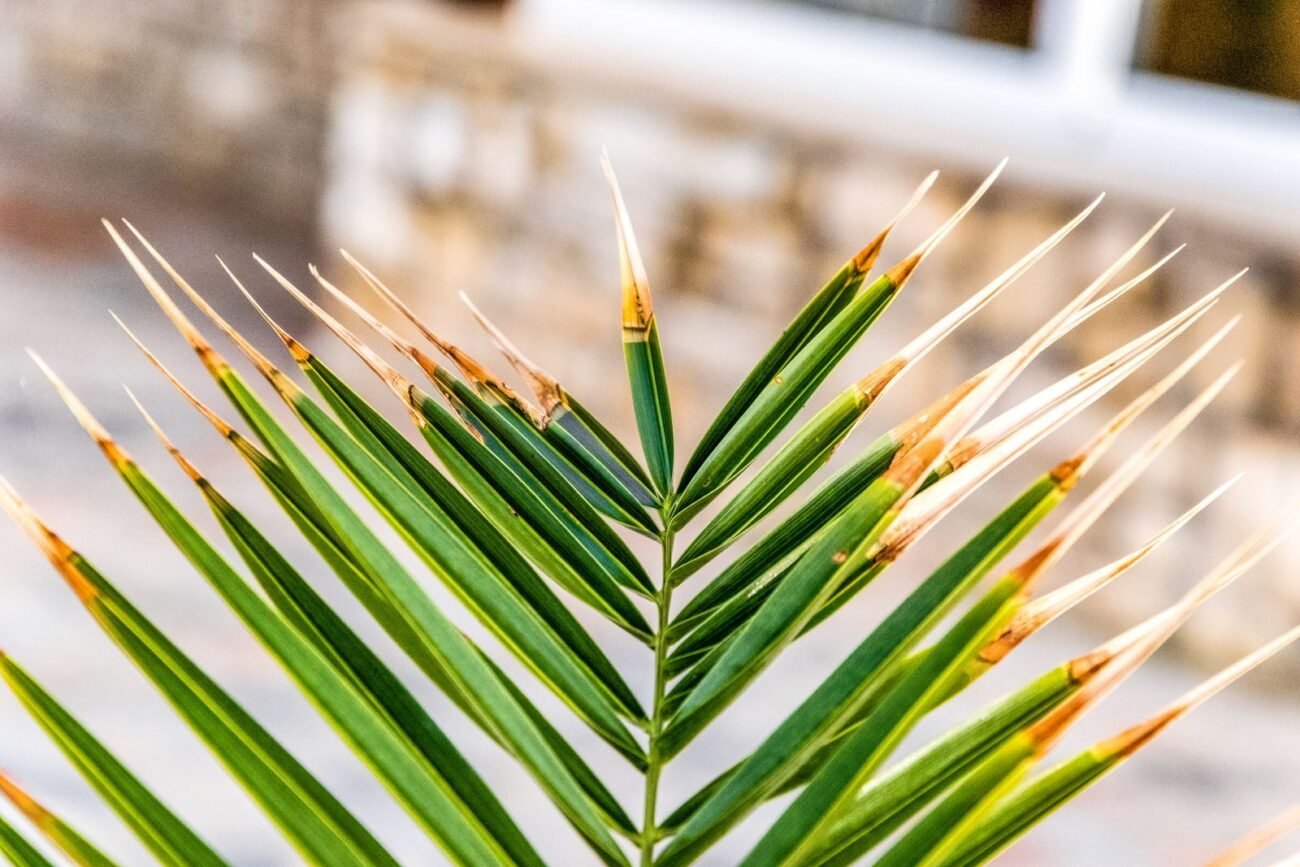
Brown, crispy tips on a green leaf is one of the questions I get asked most, and I want to put your mind at ease straight away: it is almost never a disease.
In all my time working with plants, brown tips have nearly always come down to something simple in the plant’s air, water, or feed, not an illness. That is the good news, because it means the fix is usually easy, and the leaf is not lost.
Let me walk you through how I think it through when I see it.
This is not a disease, so do not treat it like one
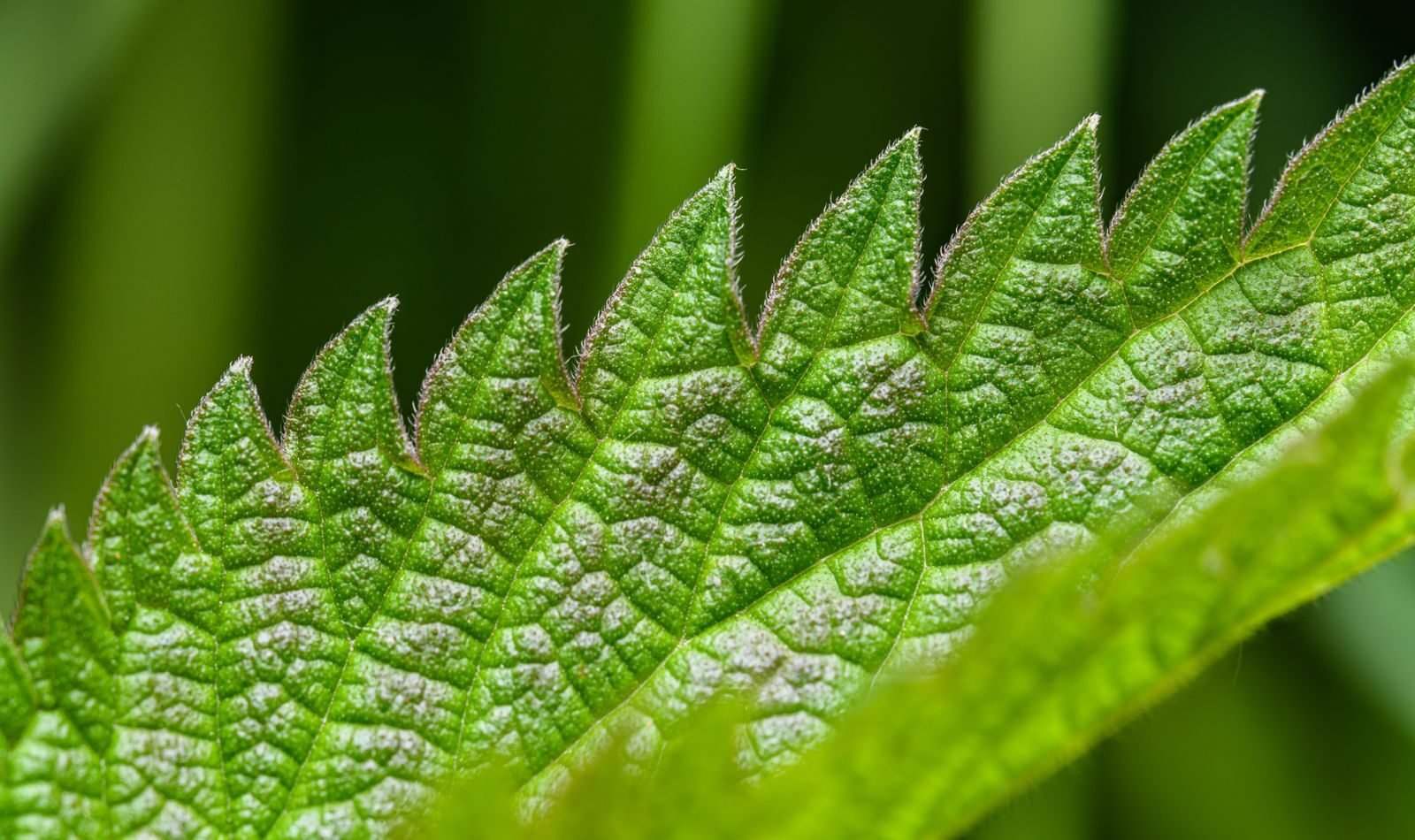
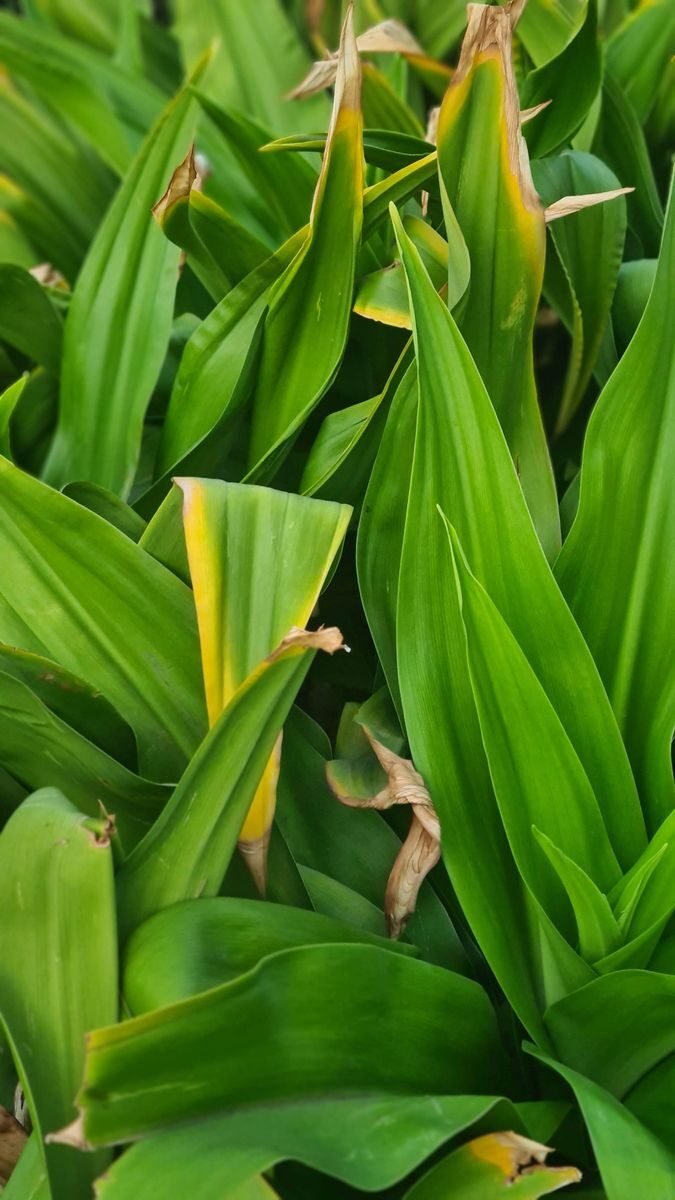
The first thing I do is rule out disease, and brown tips almost always clear that bar quickly. A disease tends to show as soft, mushy, spreading patches or spots. Brown tips are the opposite: dry, crisp, and stuck to the ends and edges of the leaf while the middle stays green.
When I see that pattern, I know I am looking at the plant reacting to its conditions, not fighting an infection, and that points me toward the fix instead of a fungicide.
There is one thing I check before anything else. If the whole leaf is turning yellow and then browning off, that is a different problem, a leaf dying back rather than a healthy leaf with crispy ends. I wrote about that separately in why houseplant leaves turn yellow. Here I am talking about the green leaf with brown, dry tips, which is what most people mean when they ask me.
Why the tip is always where it shows
The reason the damage lands on the tip and the outer edge, and not the middle, is something I came to understand studying plant nutrition, and it is the idea that makes all of this click.
Water travels up from the roots and out to the far edges of the leaf, carrying whatever is dissolved in it. The tips are the farthest point that water has to reach, and as it arrives there and evaporates into the air, anything it was carrying, salts, minerals, fluoride, gets left behind and builds up.
So the tip is where those things collect first, and it is why so many different causes all show up in the same spot. Once I understood that, brown tips stopped being a mystery to me.
The causes I look for, and how I tell them apart
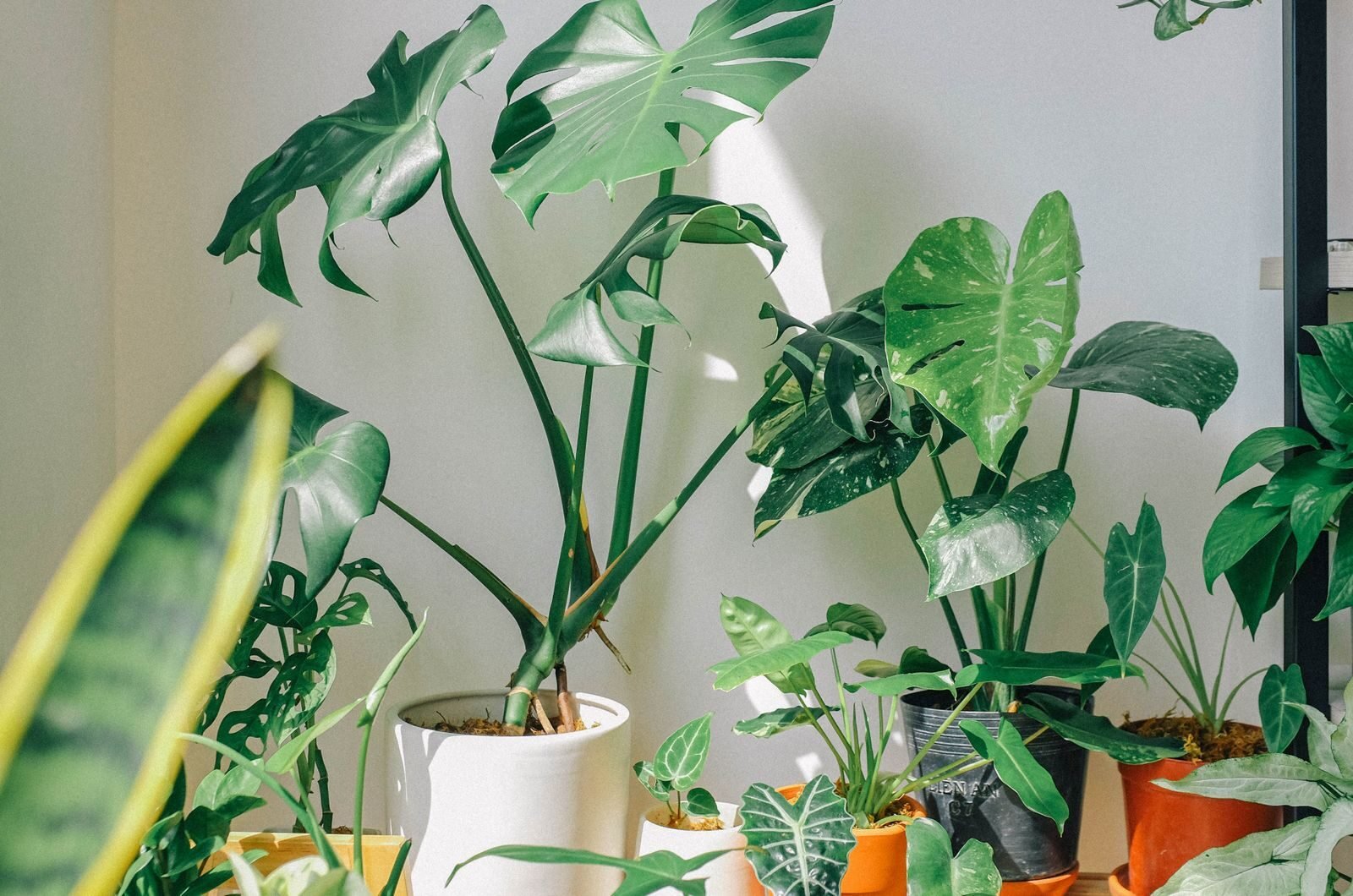
Dry air is the one I come across most, and it gets worse in winter. When the heating runs, indoor air dries out, and the leaf loses water from its edges faster than the roots can push it up, so the tips dry and crisp even when the soil is damp. The Royal Horticultural Society treats brown leaf margins as a standard sign of low humidity indoors, and it fits what I find: tropical plants, which come from humid places, are the ones that complain first.
Tap water is the cause people rarely suspect, and it is the one my training in water chemistry makes me check early. Tap water is not simply water. It carries chlorine, fluoride, and dissolved minerals, and while most plants shrug that off, a handful do not.
Spider plants, dracaenas, calatheas, and peace lilies take those compounds up and store them in their leaf tips until the tissue there dies and browns. Guidance from NC State Extension says the same, that these plants react to the salts, chlorine, and fluoride in tap water with browning tips. So if your plant is one of the sensitive ones, and the tips keep browning however much you fuss over humidity, I would look hard at what comes out of your tap.
Feeding can cause it too, and this is one I learned to watch for while studying plant nutrition…
Fertiliser is basically salt, and a plant can only use so much of it. Give it more than it needs, or let the salt build up in the soil month after month, and it starts to collect at the roots and leaf tips and burn them. The sign I look for is a white crust on top of the soil or around the rim of the pot. So if the tips started going brown after you had been feeding regularly, the answer is usually less feed, not more.
The last thing I check is watering that goes from one extreme to the other. If you let a plant dry out completely, soak it, then let it bake dry again, the roots keep falling behind, and it is the leaf edges that pay for it.
I studied how plants handle water stress, and the tips suffer first for the same reason they always do: they are the farthest point the water has to reach, so they are the first to run short when the roots can’t keep up. Watering little and often, so the soil stays evenly moist, is what keeps them from drying out.
Why brown tips are easy to get wrong
This is the part that trips people up…
Dry air, tap water, salt build-up, and uneven watering can all leave you with the same brown, crispy tip. They look identical on the leaf. So the real skill is not knowing the causes, it is working out which one is behind your plant’s tips, because each needs a different fix. Add humidity when the problem is really your water, and nothing changes.
That is why I made What’s Wrong With My Plant?. It is the way I work a plant out myself, put into a guide: you start from what you can see, answer a question or two, and it points you to the cause, the fix, and a quick way to check you have it right before you change anything.
Brown tips are one of the five problems it covers, and it is laid out so you can follow along with the plant in front of you. If you want the answer for your own plant instead of a list of maybes, that is what it gives you, for less than the price of the plant.
What I would do right now
Whatever the cause, there are a few safe things you can do today.
I would start with the room, not the pot. If the air is dry, especially with the heating on, move your plants closer together or put a humidifier near the sensitive ones. For those sensitive plants, try filtered water, rainwater, or tap water left out overnight, and see if the new leaves come in clean.
If you think salt has built up, water the pot heavily and let it drain right through, a few times over, to rinse the salt out, then go easier on the feed after that. Try to water evenly from now on, rather than letting the plant dry out hard and then flooding it.
You can also trim the brown tips with clean scissors, cutting at an angle so the leaf keeps its shape, but that just tidies it up, the new tips will keep browning until you fix the cause.
The old brown will not turn green again, so the thing I watch is the new growth. When the fresh leaves come in clean, I know it has worked.
Frequently asked questions
Should I cut off the brown tips?
You can, to tidy the plant, and I often do. Cut at an angle with clean scissors to follow the leaf’s shape. It will not harm the leaf, but on its own it does not fix the problem, new tips will keep browning until you deal with the cause.
Why does my plant get brown tips even though I water it well?
Because watering is often not the cause. More often it is dry air, tap water, or salt build-up. When someone tells me the tips keep browning on a plant they water carefully, humidity and water quality are the first two places I look.
Is tap water bad for my houseplants?
For most plants it is fine. For the sensitive ones, spider plants, dracaenas, calatheas, and peace lilies, the fluoride and chlorine in tap water collect in the leaf tips and brown them over time. For those, I would use filtered water, rainwater, or tap water left to stand overnight.
Why are the tips brown but the rest of the leaf still green?
Because the tip is the farthest point the plant’s water reaches, so anything harmful in the water or soil concentrates there first while the rest of the leaf keeps working. That pattern is what tells me it is a conditions problem, not a disease.
Will the brown tips keep spreading?
The brown already on a leaf will not heal, but it should stop creeping once you fix the cause. If fresh brown keeps turning up on new leaves, the cause is still there, usually the water or salt build-up.
Why do all my plants suddenly get brown tips in winter?
Winter heating dries indoor air, often well below what tropical houseplants want, and that drop in humidity is the usual reason tips brown across several plants at once when the heating comes on.
Brown tips are your plant pointing at its conditions, its air, its water, or its feed, not a sign it is failing. Find the one that fits, change it, and let the new leaves show you it worked. Free plant guides and calculators are on the site whenever you want to go further.