


This article was written and reviewed by Serge, MSc. I hold degrees in Plant Biology, Environmental Biology and Biogeochemistry, with research experience in plant physiology, ecosystem science, and field-based environmental studies. Every article on this site is grounded in real academic training and genuine scientific research.
Affiliate disclosure: This site has affiliate links, including Amazon. As an Amazon Associate I earn from qualifying purchases, at no extra cost to you.
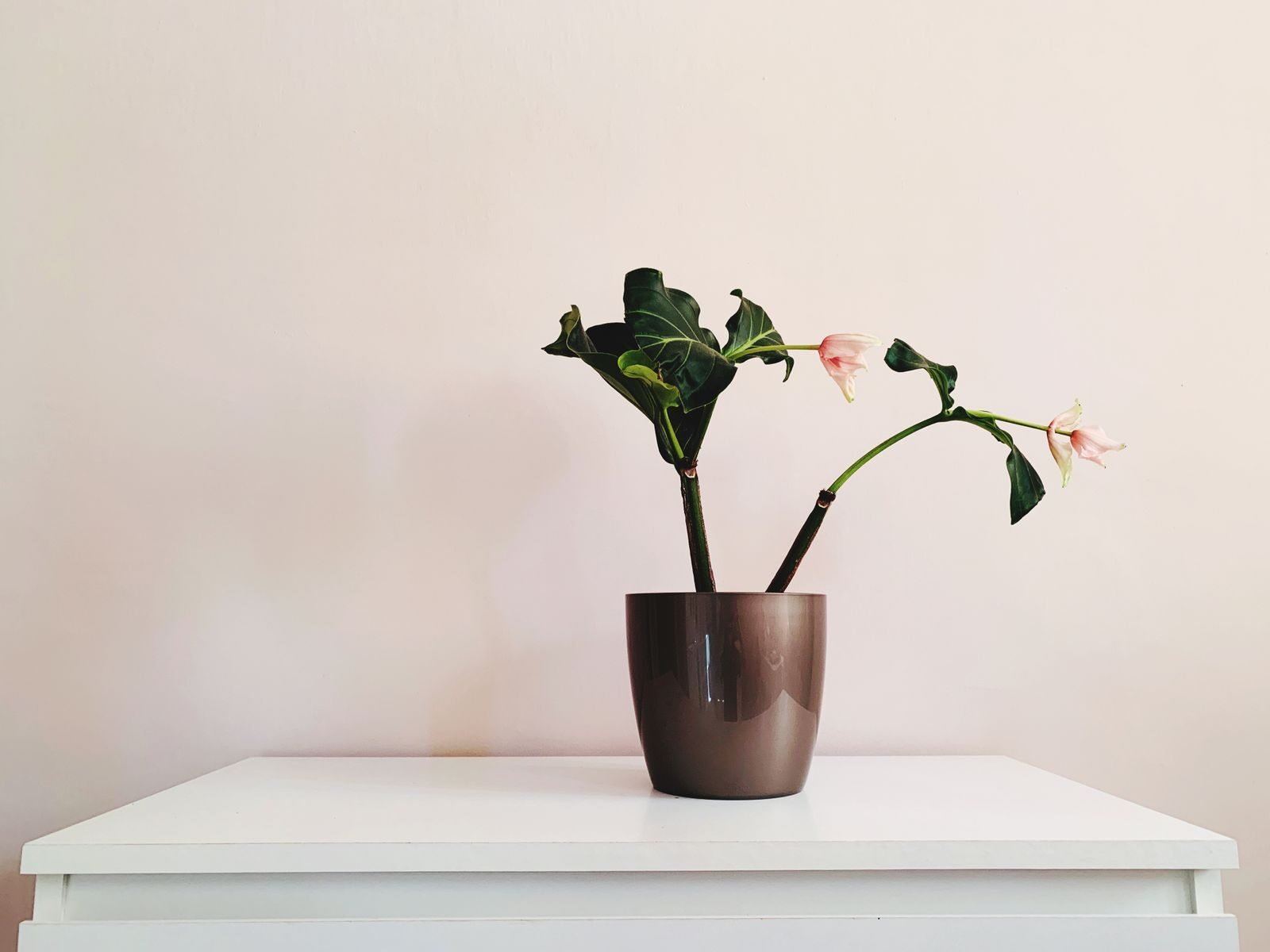
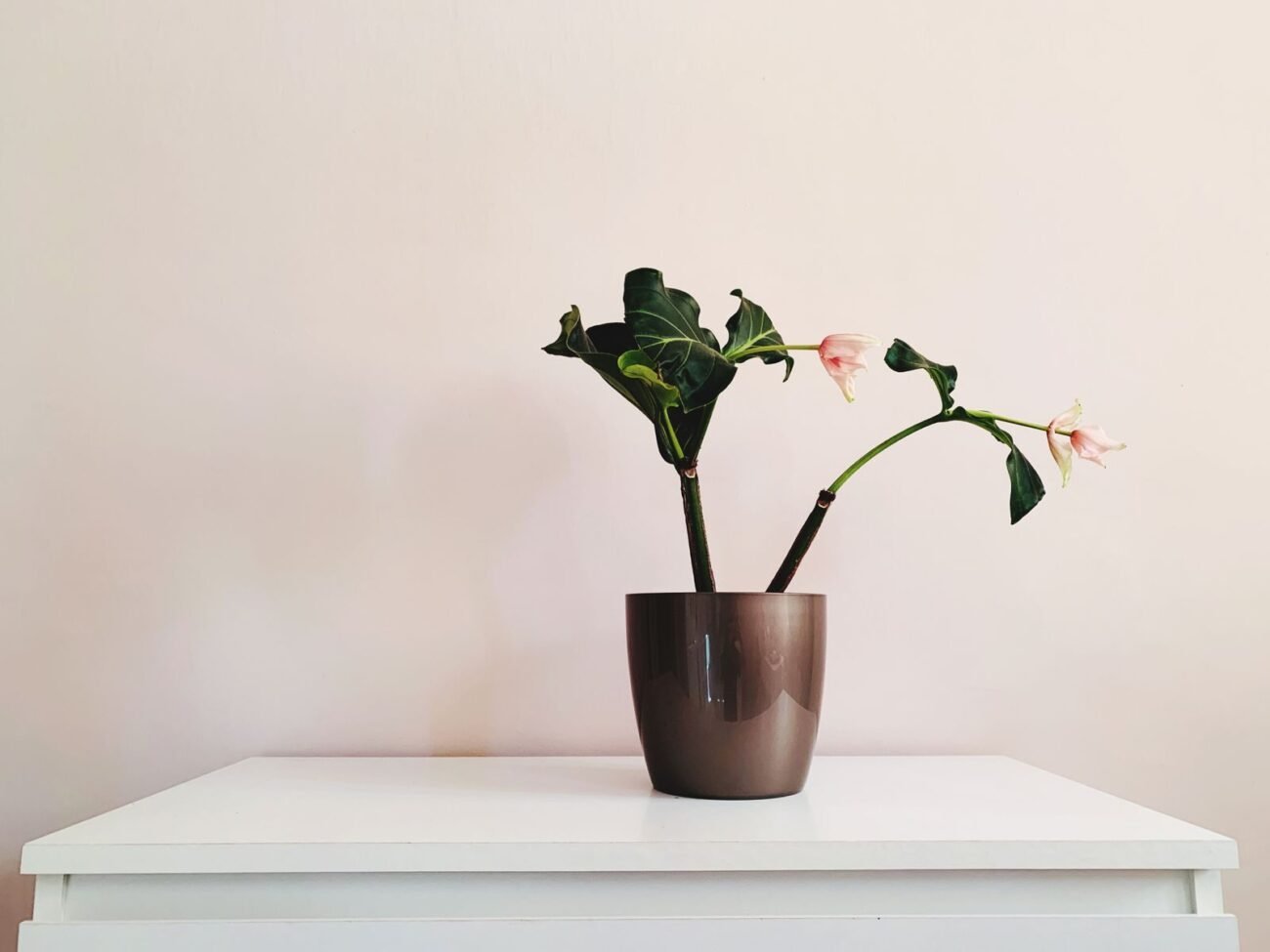
A drooping plant looks like it is begging for water. Most people give it some. That reflex is one of the most common ways I have watched a houseplant die, because a wilting plant is just as likely to be drowning as it is to be thirsty, and water is the last thing a drowning plant needs.
Overwatering and underwatering are the two biggest reasons plants struggle indoors, and they are constantly mistaken for each other. The good news is that once you understand why they look so alike, telling them apart takes about thirty seconds. Here is how I do it, and how to bring a plant back from either one.
Why Overwatering and Underwatering Look the Same
Both problems end with the same picture: soft, drooping, yellowing leaves on a sad-looking plant. That is the trap. The reason they look identical comes down to what is happening at the roots.
A plant wilts when its cells lose turgor, the internal water pressure that holds the leaves firm. The point where that pressure runs out is called the turgor loss point, and it is the moment a leaf visibly droops. So wilting is not really about how much water is in the soil. It is about how much water is reaching the leaves.
With underwatering, the cause is obvious: there is no water in the soil to deliver. With overwatering, the cause is hidden and worse. Roots do not just soak up water, they have to breathe. Root cells need oxygen to pull water and minerals in. When soil is waterlogged, water fills the air spaces between the soil particles and the roots begin to suffocate. Studies of waterlogged roots show how fast a lack of oxygen damages them, and damaged roots cannot absorb water even while the plant is sitting in it.
That is the cruel part. An overwatered plant wilts in soaking wet soil, looking exactly like a thirsty one. You reach for the watering can, and you finish the job.
What an Overwatered Plant Looks Like
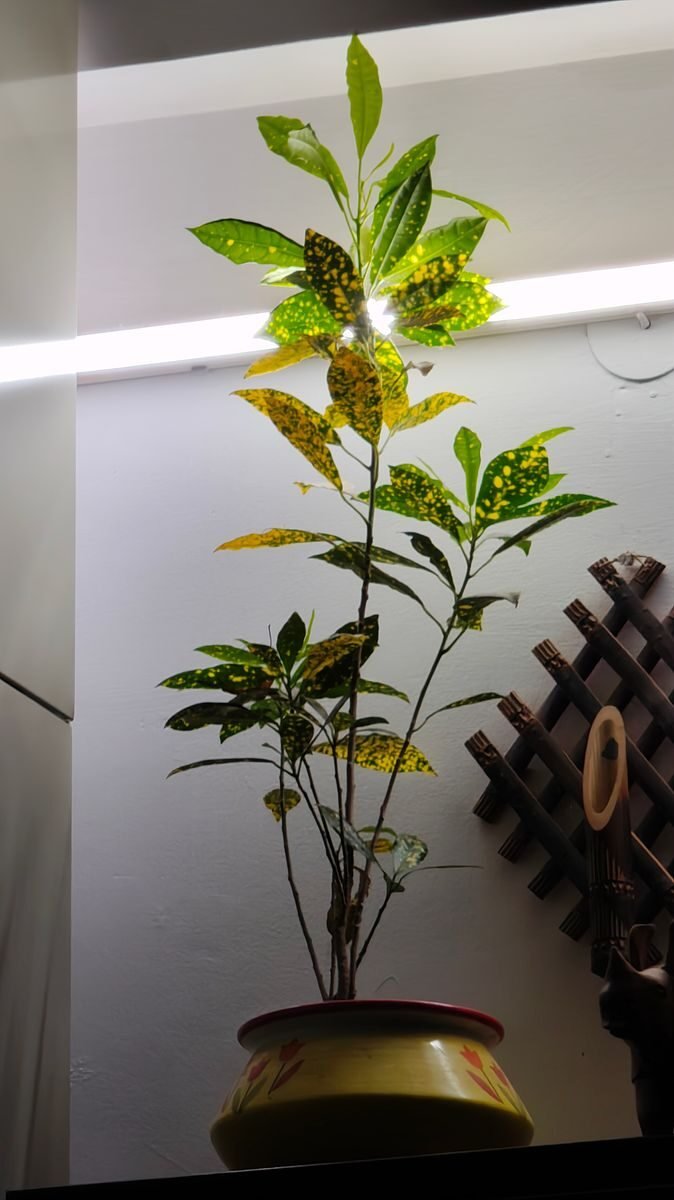
Overwatered plants look soft and swollen rather than dry. The leaves turn yellow, often the lower ones first, and they feel limp or mushy. You may see translucent or blistered patches where cells have burst from taking on too much water, and the base of the stem can go soft and brown. The soil stays wet for days and sometimes smells sour.
There are usually clues on the soil surface too: a crust of mould, or a cloud of fungus gnats, both of which thrive in permanently damp soil. If you slide the plant out of its pot and the roots are brown, soft, and smelly instead of firm and pale, that is root rot, the endpoint of long-term overwatering.
What an Underwatered Plant Looks Like
Underwatered plants look dry rather than soft. The leaves go crispy and brown at the edges and tips, they may curl inward, and they feel papery when you touch them.
The soil pulls away from the sides of the pot, and the whole thing feels surprisingly light when you lift it. The telling sign is speed: a thirsty plant that still has healthy roots often perks back up within hours of a good drink.
The One Check That Settles It
Do not judge by the surface of the soil. This is where most people go wrong. Soil moisture changes a lot with depth, and the top layer is a poor guide to what is happening at the roots. The surface can be bone dry while the root zone below is still soggy, or the reverse.
So check where the roots actually are. Push a finger about two inches into the soil, slide in a wooden skewer, or use a soil moisture meter.
Then read it against the wilting:
– Wet at the roots and wilting: overwatered. Stop watering.
– Dry at the roots and wilting: underwatered. Water it.
A quick second check is to lift the pot. Heavy means wet, light means dry. Between the finger test and the pot weight, you will almost never guess wrong again.
How to Fix an Overwatered Plant
- Stop watering. This is the first and most important step. Do not add another drop until the soil has dried out.
- Move it to bright, indirect light with airflow. This helps the soil dry and lets the roots start breathing again. Avoid blazing direct sun on a stressed plant.
- Skip the fertiliser. A damaged root system cannot use it, and the salts only add stress. Feed again once the plant has recovered.
- Check the roots if it is badly waterlogged. Slide the plant out, let the rootball dry on newspaper for a few hours, and trim any brown, mushy roots with clean scissors.
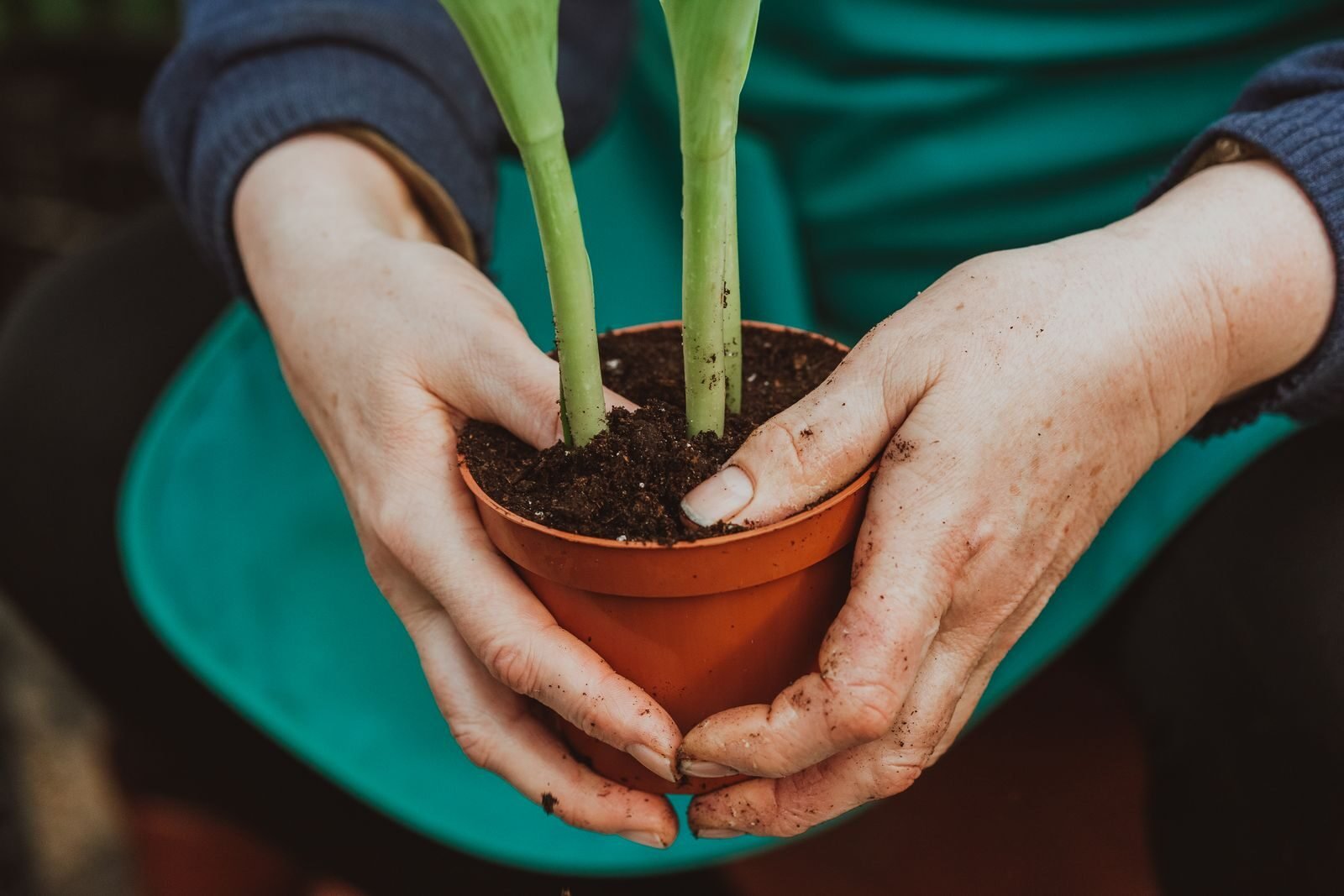
- Repot into fresh, well-draining mix. Use a pot with working drainage holes so the roots are never left standing in water again.
- Be patient. Recovery is slow because the plant has to grow new roots before it can support its leaves. Give it time and resist the urge to fuss.
How to Fix an Underwatered Plant
- Water it thoroughly. A good soak is usually all it takes, and the plant will often recover on its own.
- Bottom-water if the soil repels water. If it has gone so dry that water runs straight down the sides, stand the pot in a tray of water for twenty to thirty minutes and let it drink from below until the surface feels damp.
- Trim the fully crispy leaves. Those will not come back, so let the plant put its energy into new growth.
The rebound is quick for a reason. Once water reaches the cells, turgor pressure is restored and the leaves firm up again, often within a few hours. That fast recovery is exactly why underwatering is far less dangerous than overwatering: the roots were never harmed, they were only empty.
Is Overwatering Worse Than Underwatering?
In most cases, yes. A thirsty plant with healthy roots complains loudly and bounces back within a day of watering. An overwatered plant fails quietly: the roots rot or suffocate, and the plant cannot recover until it regrows them, which is slow and sometimes does not happen at all. A dry plant is a problem you can usually reverse in an afternoon. A drowned plant can take weeks, or cost you the plant.
So if you are ever unsure and have to guess, err on the dry side. Most houseplants handle a short drought far better than a long soak.
How to Water So This Stops Happening
The habit behind both problems is watering on a fixed schedule, every Tuesday, or for a set number of minutes, without looking at the soil. Plants do not drink on a calendar. How fast they use water depends on light, warmth, pot size, and season, so the same plant might need water twice a week in summer and once a fortnight in winter.
Check first, then water. For most houseplants, water only when the top few centimetres have dried out. When you do water, water thoroughly until it runs from the drainage holes, then tip away anything that collects in the saucer. A pot with drainage and a well-draining mix does most of the work for you.
What Watching the Soil Taught Me
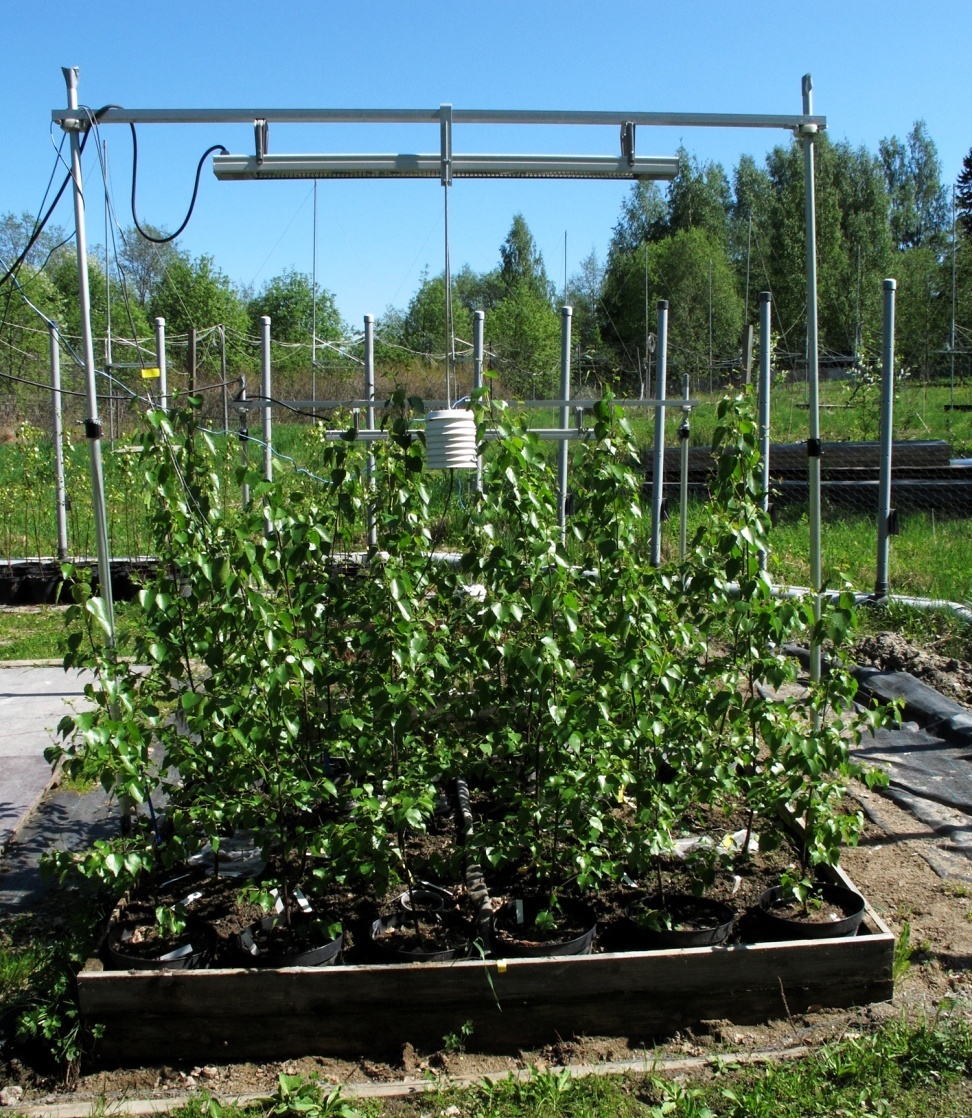
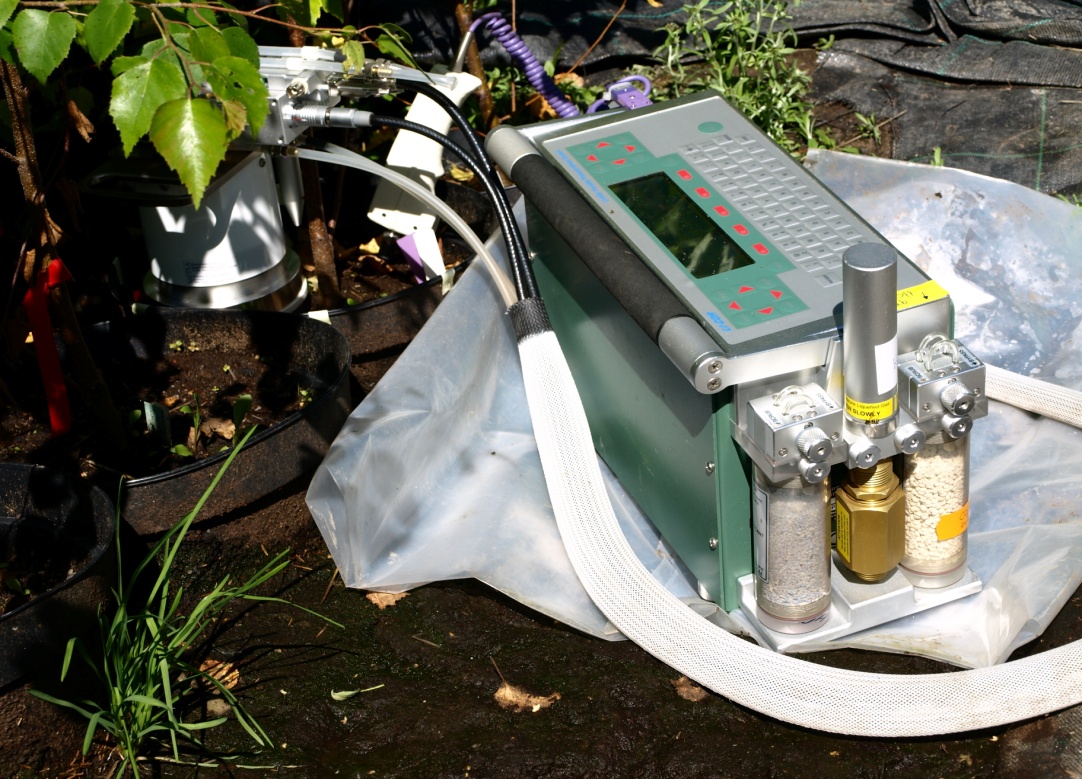
During a full growing season of research I measured soil moisture at set depths, over and over, on the same ground. When you track water that closely, one lesson lands hard: the surface almost never tells you what is happening below it. Soil an inch down can be soaking while the top looks dry, and the roots only care about the layer they sit in.
That is the whole problem with watering by eye. People read the surface, or read the drooping leaves, and act on the wrong signal. My background in plant physiology is exactly this, how a plant moves and loses water and what its roots need to function, and the habit it left me with is simple: when a plant looks off, I check the root zone before I do anything else. Do that one thing and you stop killing plants with kindness.
Frequently Asked Questions
How do you tell if you are overwatering or underwatering?
Check the soil at root depth and feel the leaves. Wet soil with soft, mushy leaves means overwatered. Dry soil with crispy, papery leaves means underwatered. The soil check matters more than the leaves, because both problems can cause wilting.
How do you fix overwatered plants?
Stop watering, move the plant to bright indirect light with good airflow, and let the soil dry out. If it is badly waterlogged, unpot it, trim any brown mushy roots, and repot into fresh well-draining mix. Do not fertilise while it recovers.
Is overwatering worse than underwatering?
Usually yes. Underwatered plants often recover within a day because their roots are still healthy. Overwatering damages the roots themselves, and the plant cannot recover until it grows new ones, which is slow and sometimes fatal.
How many minutes should I water my plants?
Time is the wrong measure. Water until it runs out of the drainage holes, which tells you the whole root zone is moist, then let the soil dry to the right point before watering again.
How do you know if a plant is underwatered?
The leaves go dry and crispy at the edges, the soil pulls away from the sides of the pot, and the pot feels light when you lift it. An underwatered plant with healthy roots usually perks up within hours of a good drink.
How do you fix an underwatered plant?
Water it thoroughly. If the soil is so dry that water runs off, bottom-water by standing the pot in a tray of water for twenty to thirty minutes. Trim off fully crispy leaves and let new growth come through.
How long does it take for an underwatered plant to recover?
Turgor usually returns within a few hours to a day once the roots reach water, so the plant firms up quickly. Leaves that already went crispy will not un-crisp, but the plant resumes healthy growth soon after.
Can underwatered plants recover?
Almost always, as long as the roots are still alive. Underwatering empties the roots but does not usually damage them, so a good soak brings most plants back. Only a plant left dry for a very long time, with dead roots, will fail to recover.
What do overwatered plant leaves look like?
Soft, limp, and yellowing, often starting with the lower leaves. You may also see translucent or blistered patches where cells have burst from too much water, and the stem base can turn soft and brown.
What do underwatered plant leaves look like?
Dry and crispy, browning at the edges and tips, and often curling inward. They feel papery rather than mushy, which is the quickest way to tell them apart from overwatered leaves.
Can you tell the difference just by looking at the leaves?
The feel of the leaves is a strong clue, mushy for overwatered and crispy for underwatered, but always confirm with the soil. Because both problems cause wilting and yellowing, the leaves alone can fool you. The moisture at root depth is what settles it.