

This article was written and reviewed by Serge, MSc. I hold degrees in Plant Biology, Environmental Biology and Biogeochemistry, with research experience in plant physiology, ecosystem science, and field-based environmental studies. Every article on this site is grounded in real academic training and genuine scientific research.
Affiliate disclosure: This site has affiliate links, including Amazon. As an Amazon Associate I earn from qualifying purchases, at no extra cost to you.
You will probably never see a thrips…
What you see is what they leave behind: silvery streaks on the leaves, tiny black dots of waste, and flowers that open bleached, streaked, or deformed. By the time the damage shows, the thrips have been feeding for a while, tucked into the buds and growing tips where a spray never reaches.
Thrips are the pest people misdiagnose more than any other, because the insect is almost invisible and the damage looks like a disease or a nutrient problem. I want to show you how to know it is thrips, why they shrug off a single spray, and the approach that clears them, which means treating a place most people never think to look.
What thrips are and what the damage looks like
Thrips are tiny slender insects, under 2 mm long, shaped like little slivers. Most are pale yellow, brown, or black, and if you tap an infested flower over white paper you may see them scatter as fast-moving specks. That paper test is the quickest way to confirm them.
They do not chew leaves like a caterpillar. Each thrips punctures the surface cells of a leaf or petal and sucks out the contents, one cell at a time. That feeding style is the whole reason the damage looks the way it does.
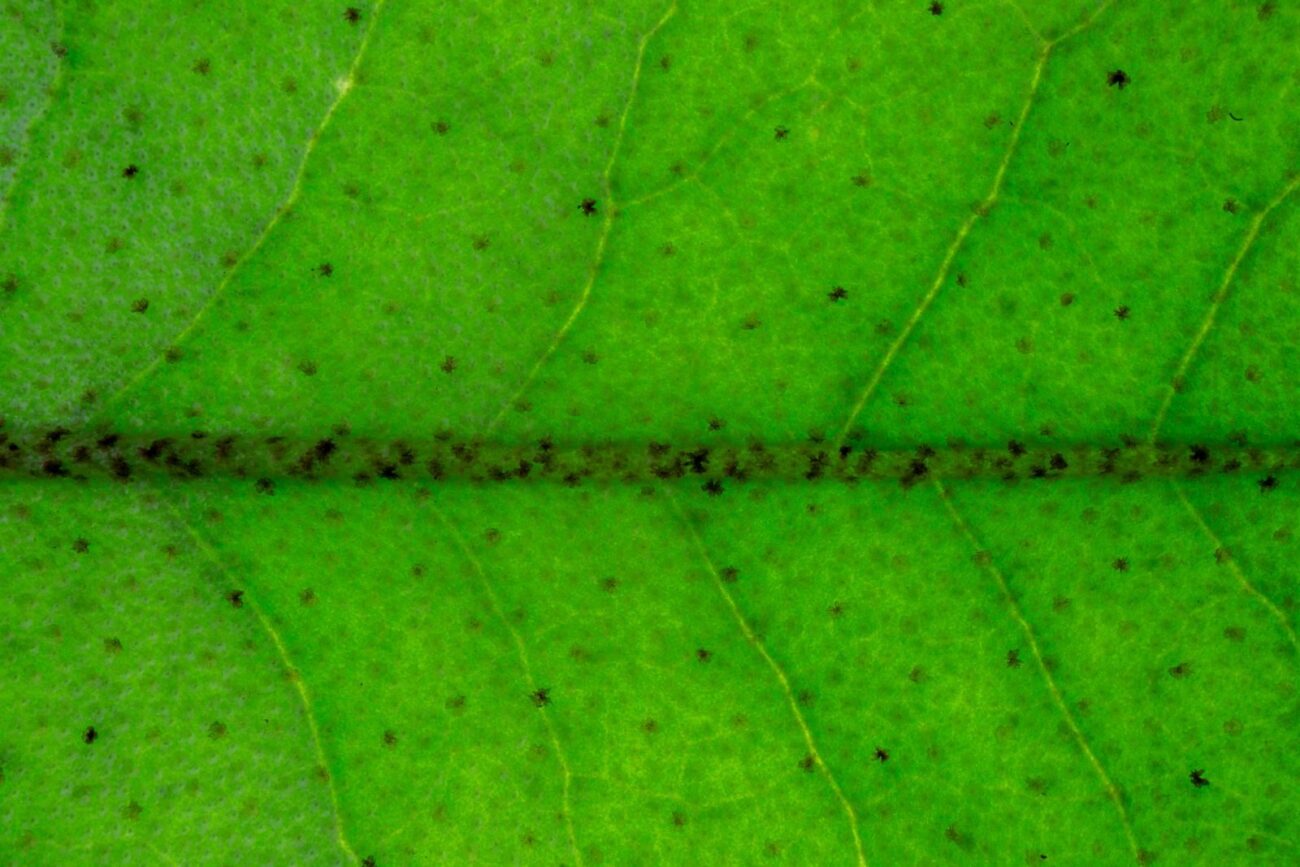
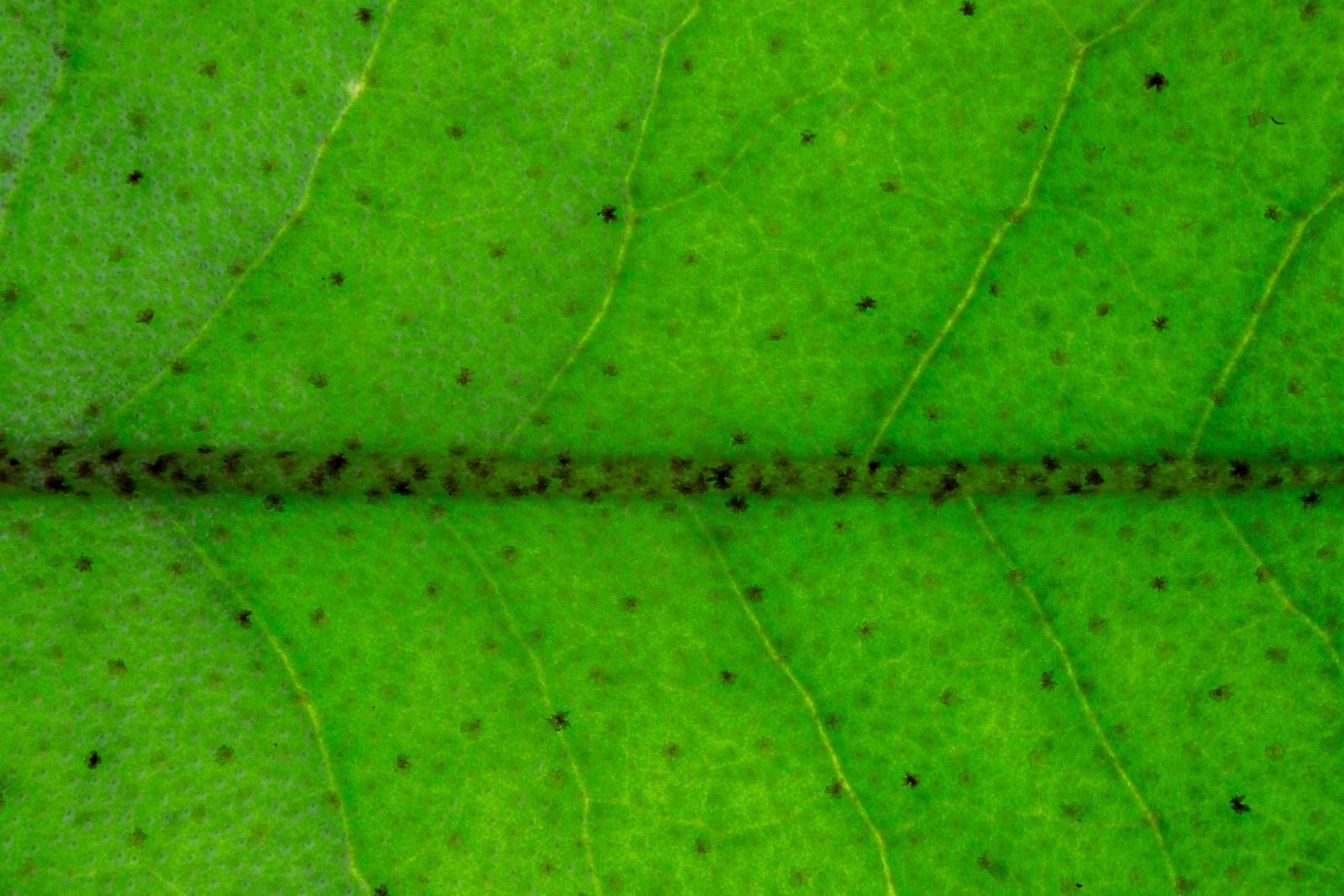
Here is the part I find neat, and it explains the silver sheen everyone asks about. When a thrips empties a leaf cell, air moves in to replace the sap that was inside. A leaf cell full of sap is clear and lets light through to the green below. A cell full of air scatters light back at you, so it reads as silvery or metallic. Those silvery patches are simply thousands of emptied cells, and the tiny black specks dotted across them are thrips droppings.
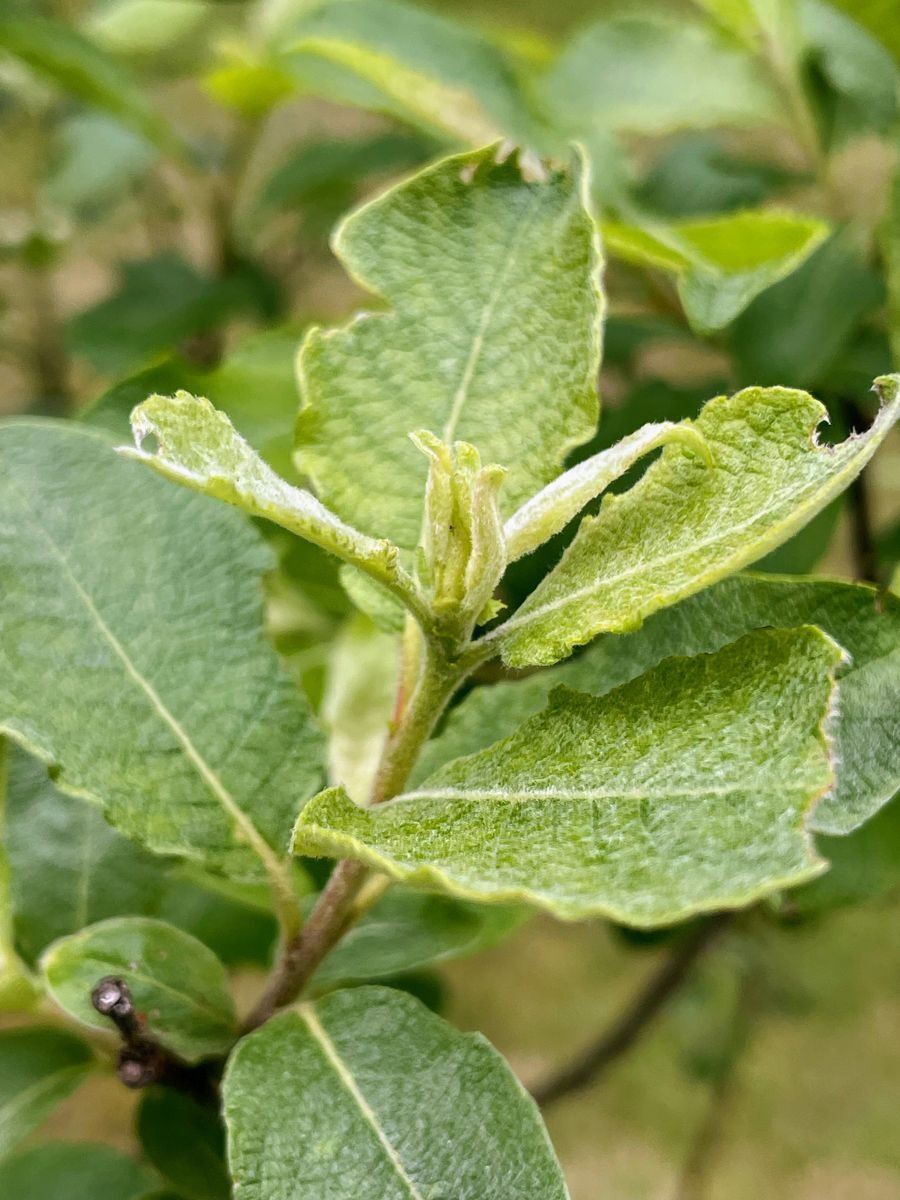
On flowers you get streaking, white flecks, and petals that come out crumpled or brown at the edges. On leaves you get that silvery stippling, often with a dull, tired look and distorted new growth, since thrips love the soft growing tip most of all.
Why thrips beat a single spray
This is the part that changes how you treat them. Most people spray the leaves, see no change, and give up, and the reason is that the thrips were never only on the leaves.
In my experience two things put them out of reach. First, they hide in the tightest spots on the plant: inside unopened flower buds, in the folds of new growth, and down in leaf sheaths. When I spray, the open surfaces get coated and the sheltered ones do not, which is exactly where the thrips are sitting.
Second, and this is the one almost nobody mentions, thrips do not spend their whole life on the plant. After feeding as young larvae, most thrips drop off the plant and pupate in the top layer of the soil or potting mix. So at any moment a chunk of your thrips population is underground, untouched by anything you spray on the leaves, waiting to emerge as adults and start again.
Once you understand that, the constant comebacks make sense. You spray, you kill the adults you can reach, and a week later a fresh wave climbs up out of the soil. Beating thrips means hitting the plant and the soil, and doing it on repeat.
How I get rid of thrips
There is no single spray that ends it. What works is knocking the numbers down, treating both the plant and the soil, and keeping at it for several weeks while every hidden stage comes through.
Start by removing the worst
If the infestation is on a few flowers or the softest tips, cut them off and bin them, since those buds are full of feeding thrips and eggs. On a badly hit houseplant, taking off the worst leaves and spent flowers removes a large part of the population in one go. Do not compost the trimmings.
Then rinse the plant. A firm spray of water, especially into the growing tips and under the leaves, knocks many thrips off and gives your other treatments less to fight.
Blue sticky traps to catch the adults
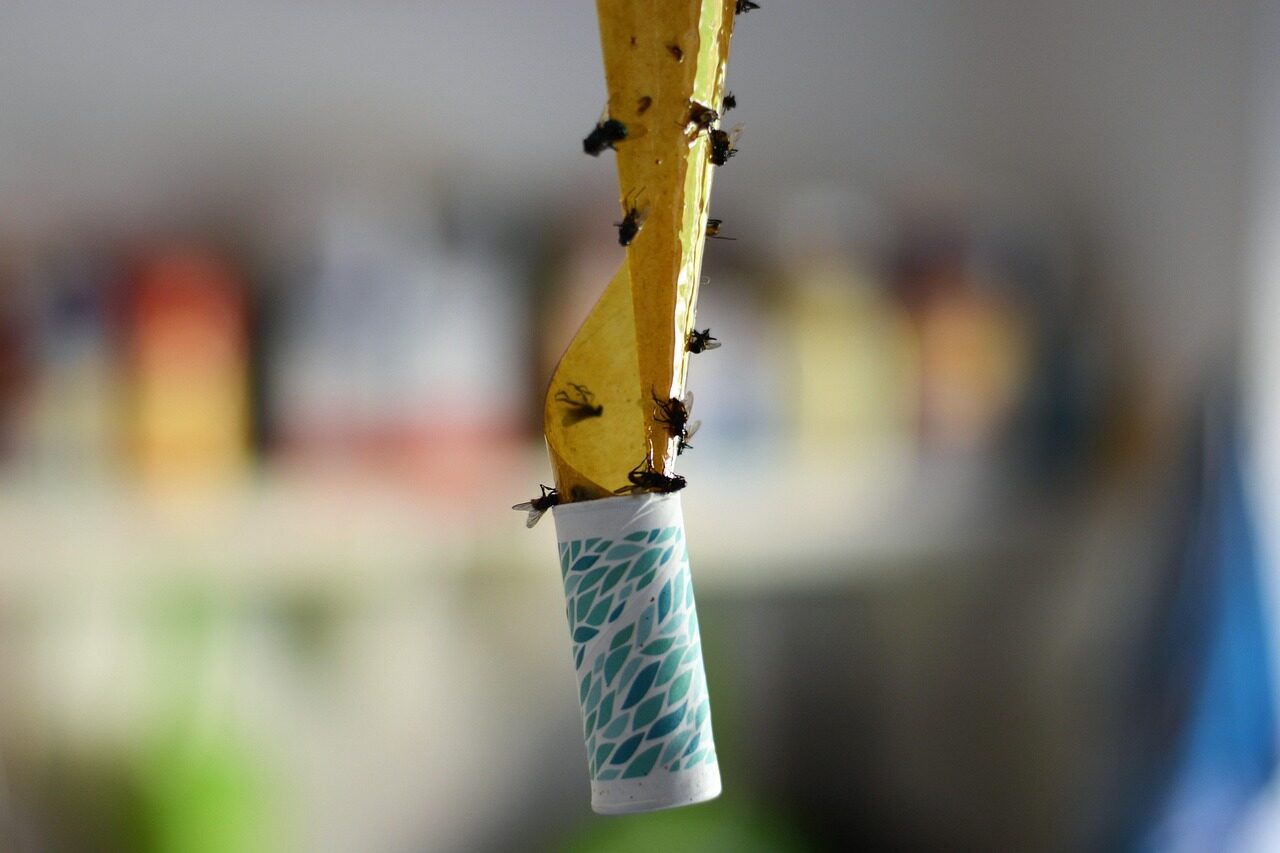
Sticky traps pull in the flying adults, and they tell you how bad things are. Thrips are drawn to blue more strongly than to the yellow that most pests prefer, so blue traps are the better pick for them, though yellow still works if that is what you have.
Traps will not clear an infestation on their own, since they do nothing about the larvae in the buds or the pupae in the soil. But they thin the breeding adults and give you a clear read on whether your numbers are falling.
Spray the plant, and treat the soil
For the plant, insecticidal soapPractical Guide to Organic Pest Control., neem oil, or horticultural oil all work on contact, and neem also disrupts feeding and breeding as it lingers. Coat the plant thoroughly, getting into the growing tips and leaf folds, and repeat every five to seven days for at least three or four rounds to catch each new wave.
The step most people miss is the soil. Because thrips pupate in the top layer of the potting mix, a soil drench, or beneficial nematodes watered into the soil, kills that hidden stage before it emerges. Treating the leaves without treating the soil is why thrips seem impossible to shift. Do both.
Bring in the predators
This is where thrips are genuinely beatable long term, and it is my preferred route on anything indoors or under glass. Several tiny predators specialise in thrips: predatory mites like Amblyseius and Neoseiulus hunt the larvae on the plant, and soil-dwelling mites and nematodes deal with the stage down in the mix. You can buy them, and in an enclosed space they reach the hidden stages that a spray never will.
Outdoors, lacewings, minute pirate bugs, and predatory mites will take on thrips if you avoid broad insecticides that kill them along with the pest. Thrips are notorious for shrugging off chemical sprays, so leaning on predators is often more effective than escalating the chemistry.
How I stop thrips coming back
Check new plants closely before they join the others, and keep any new arrival apart for a couple of weeks. Thrips ride in on shop-bought plants and cut flowers, and they are small enough to miss unless you look into the buds and along the new growth. Cut flowers in particular are a common way they get onto your houseplants.
Keep a blue sticky trap up near vulnerable plants even when things look clean, since it gives you weeks of warning before you would spot the damage. Catching thrips early is a far smaller job than catching them late.
Beyond that, keep plants in good health and do not let them sit bone dry and stressed, since stressed plants tend to suffer worse. And if thrips keep returning no matter what you spray, the answer is nearly always the same: you are treating the plant but not the soil, or you stopped after a round or two. Treat both, and run the full few weeks.
FAQ
What do thrips look like, and how do I know I have them?
Thrips are tiny, under 2 mm, and shaped like thin slivers, in pale yellow, brown, white, or black. I rarely spot the insect first. I notice the damage: silvery streaks, white flecks on flowers, and tiny black dots of waste. To confirm, I tap a flower or leaf over white paper and watch for fast-moving specks.
What kills thrips instantly?
Insecticidal soap, neem oil, and horticultural oil kill the thrips they directly touch on contact. No single spray ends an infestation, though, since larvae hidden in buds and pupae in the soil survive. I pair the contact spray with repeat sprays and a soil treatment to actually finish them.
Why are thrips so hard to get rid of?
Because they hide where sprays cannot reach and split their life between the plant and the soil. While I treat the leaves, larvae sit safe inside the buds and pupae wait in the top of the potting mix. That is why they keep coming back, and why treating both the plant and the soil is the only thing that works.
Does neem oil actually kill thrips?
Yes, and it is one of my main tools. It kills on contact and also disrupts thrips feeding and breeding as it lingers on the plant. I coat the whole plant, get right into the growing tips, and repeat weekly, alongside a soil treatment for the pupae.
Will Dawn dish soap kill thrips?
Soap does kill the thrips it wets, since it breaks down their soft bodies. I do not use dish detergent, though, because it carries degreasers and scents that burn some leaves. I use a mild liquid soap or a proper insecticidal soap instead, and I test one leaf first.
Does vinegar kill thrips?
I would not use it. Vinegar strong enough to kill thrips also scorches the leaves, and weak enough to be safe it does very little. Soap, neem oil, and predators do the job without harming the plant.
Do thrips live in the soil?
Partly, yes, and this is the key to beating them. Most thrips drop off the plant to pupate in the top layer of the soil or potting mix, so a stage of their life is always underground. This is why leaf sprays alone fail, and why I always treat the soil with a drench or beneficial nematodes.
Should I throw away a plant with thrips?
Usually no. Most plants recover if I treat the plant and the soil and stay on a schedule. I only bin one if it is small, cheap, badly overrun, and sitting next to plants I care about, since thrips spread easily and one stubborn plant can reinfect the rest.
Can thrips infest my house?
Not the way fleas or bedbugs do. Thrips need living plants to feed and breed, so they cannot set up home in your carpets or furniture. What happens is they move from plant to plant, so indoors they spread across your houseplants rather than through the house itself.
Do thrips bite humans, and why do they land on me?
Thrips feed on plants, not people, so they do not truly bite. On a warm day, often before a storm, which is why some call them thunderbugs, swarms drift onto skin and can give a harmless pinprick nibble. It does not spread disease and does not mean they will live on you.
Will thrips go away on their own?
Outdoors, natural predators often keep them in check if I leave those predators alone. Indoors and under glass they rarely leave on their own, since nothing eats them and the warm dry air suits them. Waiting it out inside usually means a bigger problem in a few weeks.
How long does it take to get rid of thrips?
I plan on three to four weeks of repeat treatment, sometimes more. That covers the time for eggs, larvae, and soil pupae to all come through and be dealt with. Stopping after the first clean-looking week is what lets them bounce back, so I keep going even when the plant looks clear.
What is the difference between thrips and spider mites?
Both are tiny and both stipple leaves, so I understand the mix-up. Spider mite damage is a fine even speckling, often with delicate webbing, and mites cluster on leaf undersides. Thrips damage is more silvery and streaked, dotted with tiny black droppings, and the thrips themselves are longer and sliver-shaped rather than round.
What plants do thrips attack most?
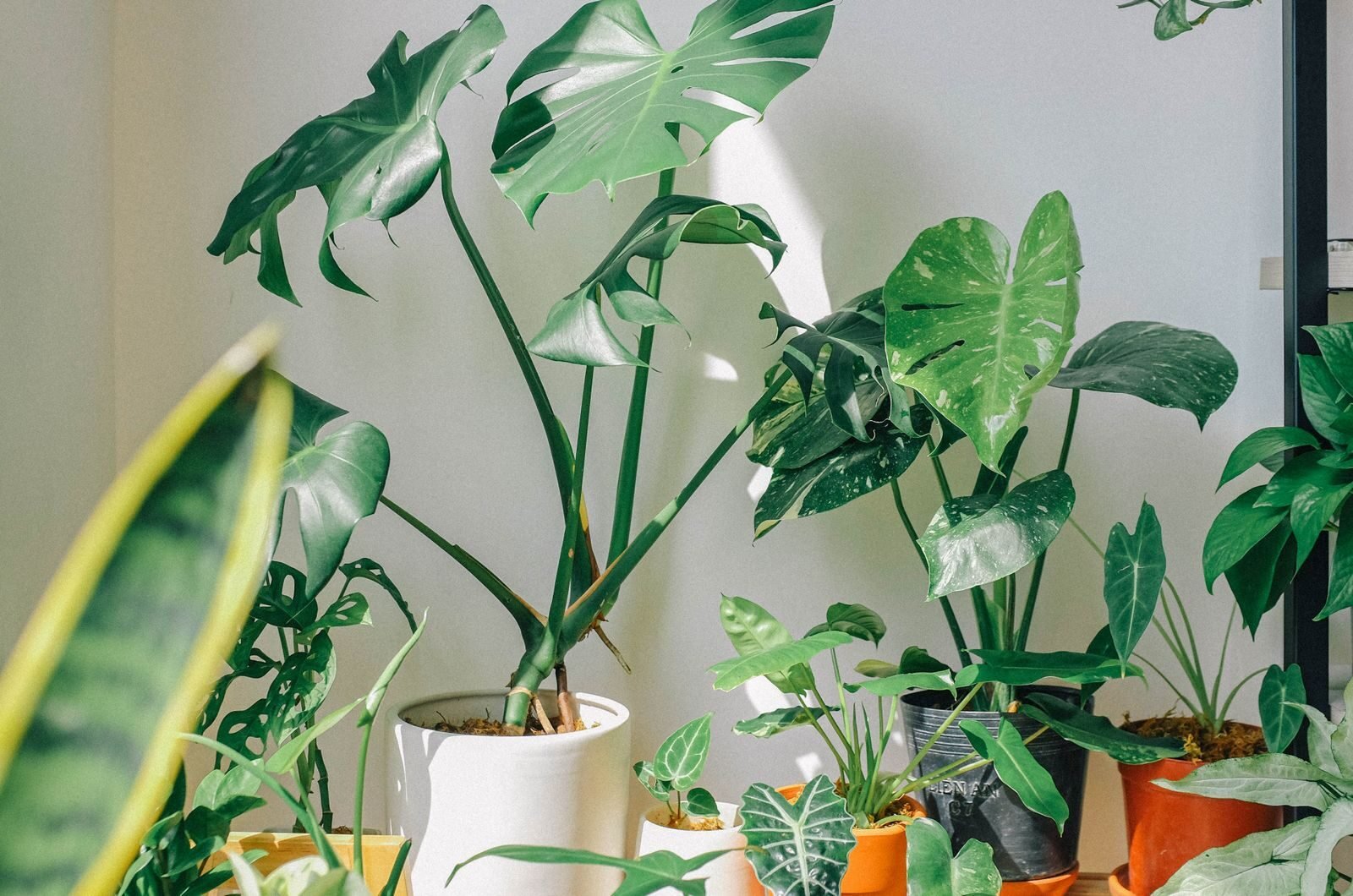
Almost anything, but they go for flowers and soft new growth, so roses, other blooms, and many houseplants get hit hardest. Indoors, monstera, philodendron, and other soft-leaved plants are common targets, and outdoors onions, beans, and tomatoes suffer. Anything flowering or pushing tender new growth is at risk.
Fight them where they hide, not just where you see them
Thrips feel unbeatable only because most people fight them in one place. The damage is on the leaves, so that is where the spray goes, while the larvae sit safe in the buds and the pupae wait in the soil. Treat all three, keep at it for a month, and they come apart like any other pest.
If you do one thing differently, treat the soil as well as the plant, and check every new plant and bunch of cut flowers before they get near the rest. That single habit stops most thrips problems before they start.