





This article was written and reviewed by Serge, MSc. I hold degrees in Plant Biology, Environmental Biology and Biogeochemistry, with research experience in plant physiology, ecosystem science, and field-based environmental studies. Every article on this site is grounded in real academic training and genuine scientific research.
Affiliate disclosure: This site has affiliate links, including Amazon. As an Amazon Associate I earn from qualifying purchases, at no extra cost to you.
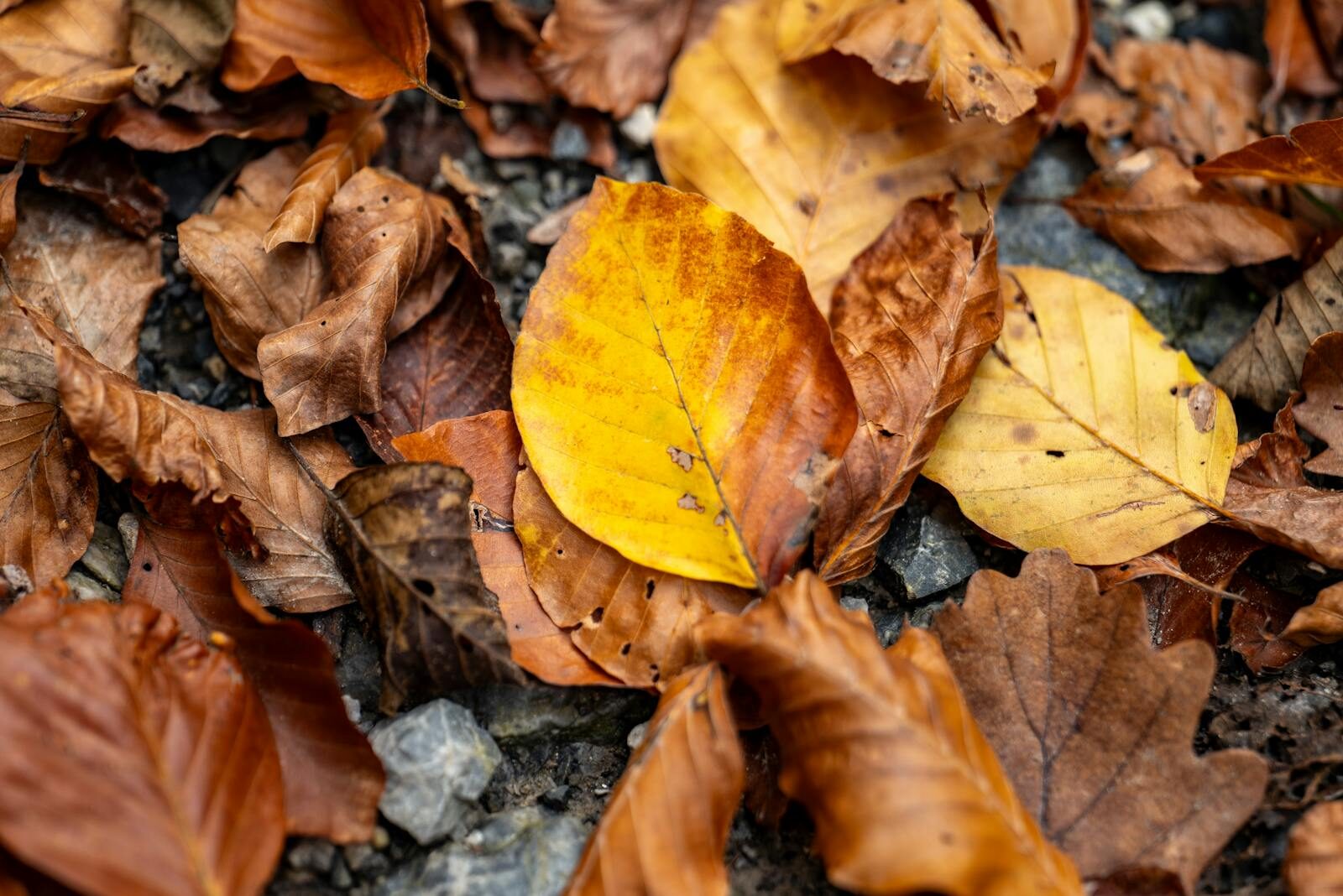
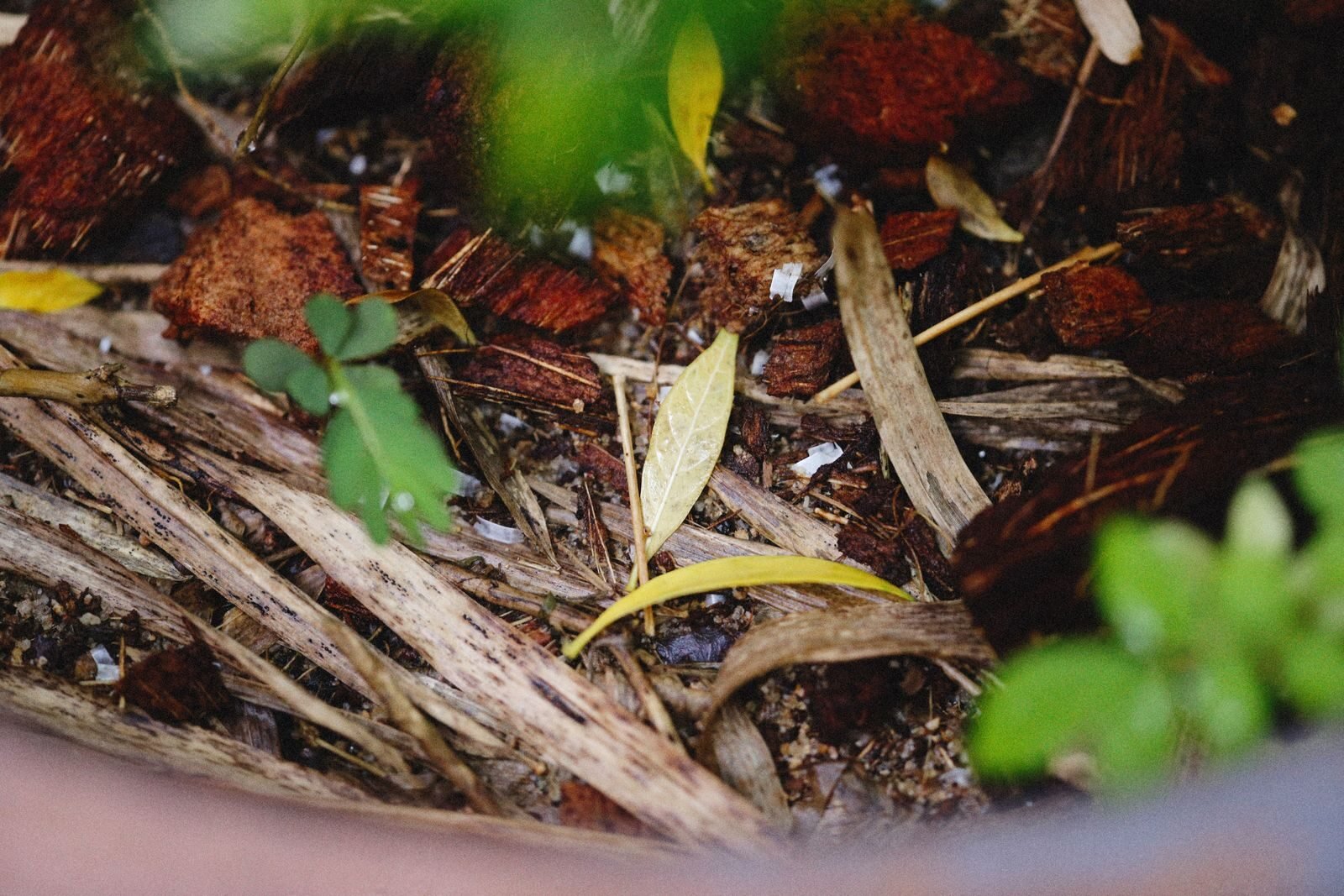
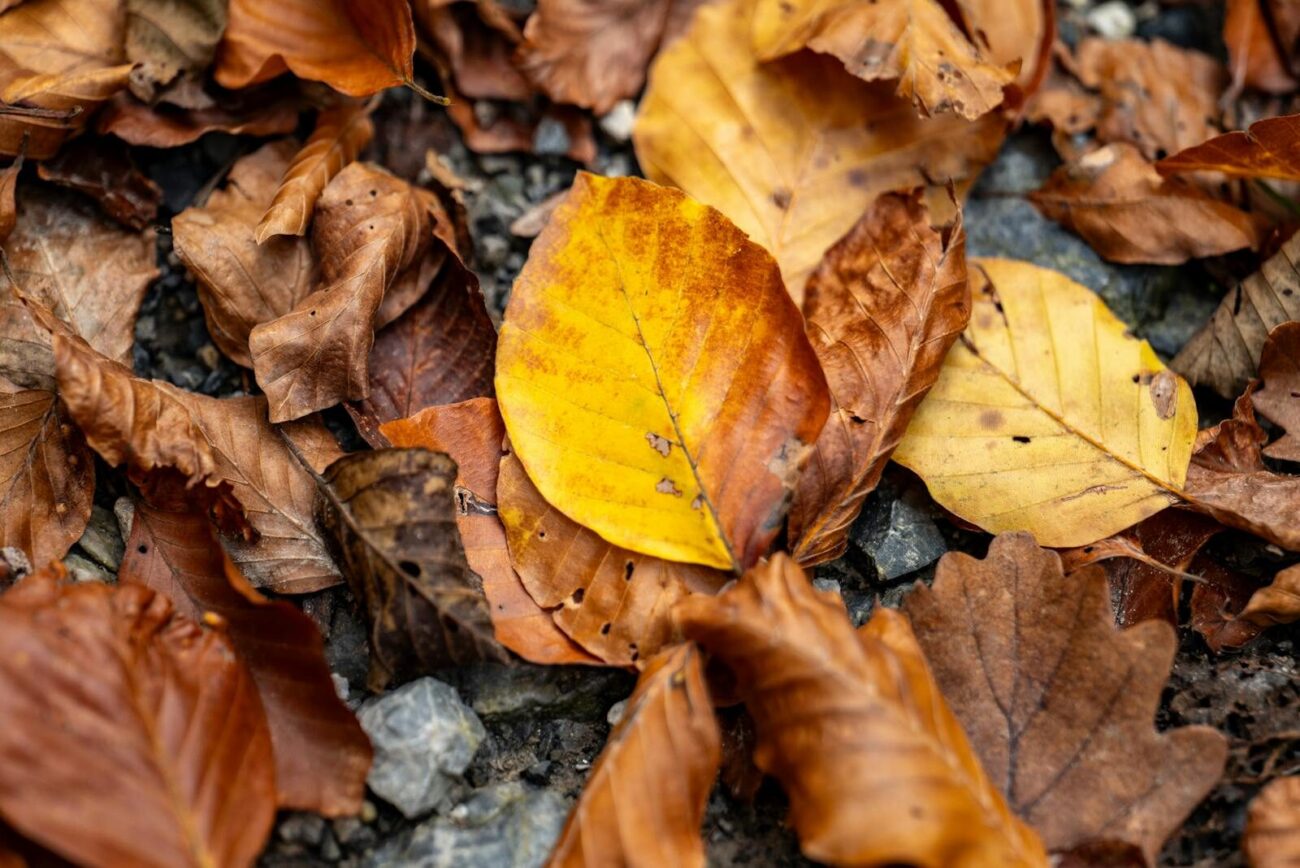
When a leaf falls to the forest floor or a branch breaks from a tree, a transformation begins. Plants do not simply vanish. Instead, they enter a quiet, complex process that recycles nutrients, feeds microbial communities, and shapes the soil.
Over a decade of studying plant biochemistry, environmental biology, and biogeochemistry, I’ve observed decomposition both in the lab and in the field. Each observation has revealed the depth and intricacy of this process, far beyond the simple idea of “rotting away.”
The Beginning: Breaking Down Plant Tissues
Decomposition starts almost immediately after a plant dies. Even before microbes arrive, plant cells begin to autolyze, their own enzymes start digesting cellular components.
Soft leaves and delicate stems lose structure rapidly, while woody branches, rich in lignin and cellulose, resist decay. During fieldwork, I’ve often examined fallen logs and noticed how their surfaces soften, while interiors remain surprisingly intact for years.
The plant’s chemical composition heavily influences how decomposition proceeds:
High-nitrogen leaves break down quickly, releasing nutrients fast.
Leaves or stems rich in lignin or tannins decay slowly, acting as long-term carbon stores.
Even at this early stage, environmental conditions such as moisture, temperature, and exposure to sunlight play a role in how fast the breakdown occurs.
Microbial Communities: Nature’s Hidden Workforce
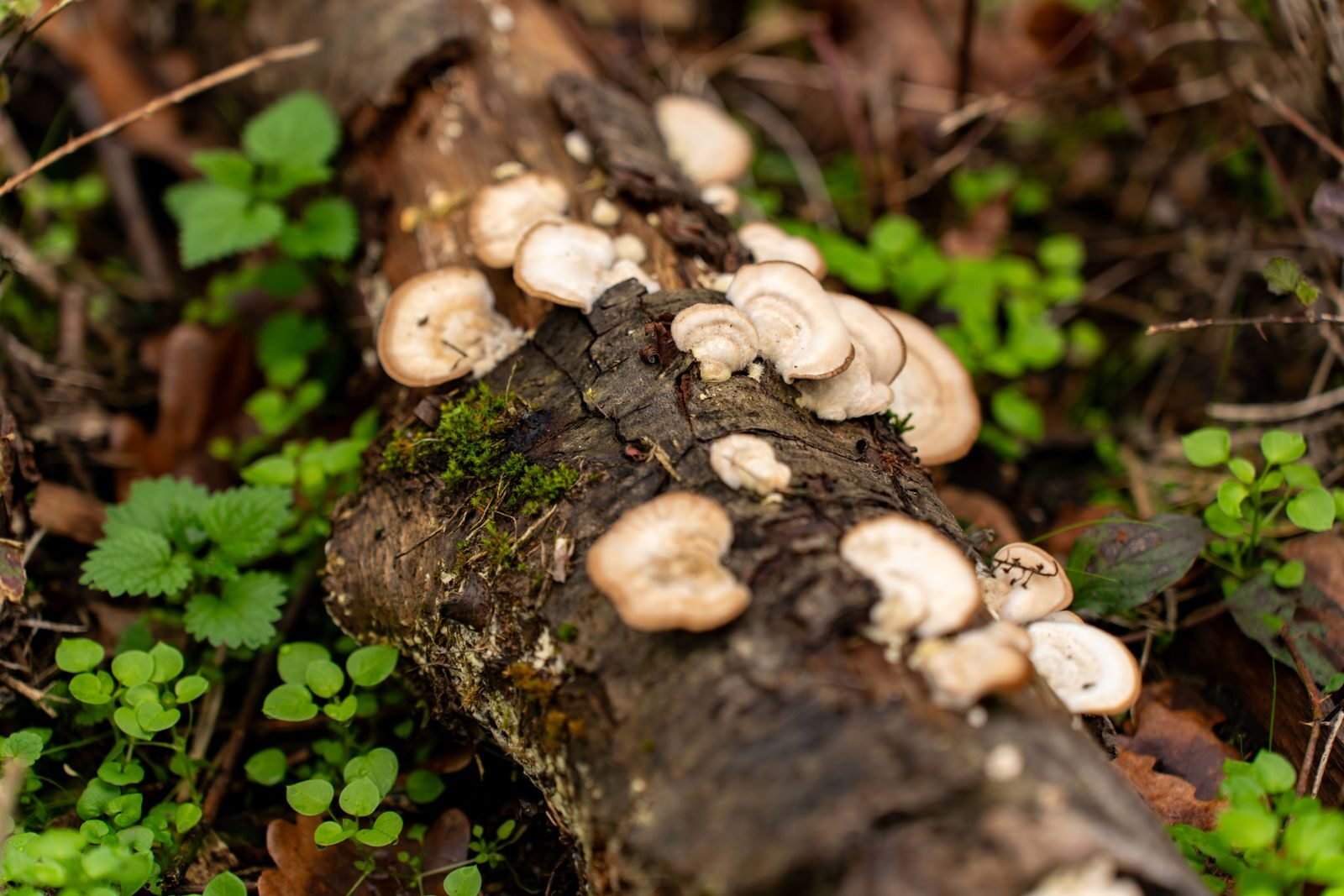
Soon, microbial communities take over. Fungi, bacteria, and other microorganisms are the main drivers of decomposition, converting plant material into forms that can be reused in the ecosystem.
Fungi specialize in breaking down tough polymers like lignin and cellulose. Bacteria primarily process softer tissues and recycle nutrients such as nitrogen and phosphorus.
From my research, I’ve seen microbial populations change day by day under decomposing plants. Each species contributes at different stages, forming a complex network of chemical transformations.
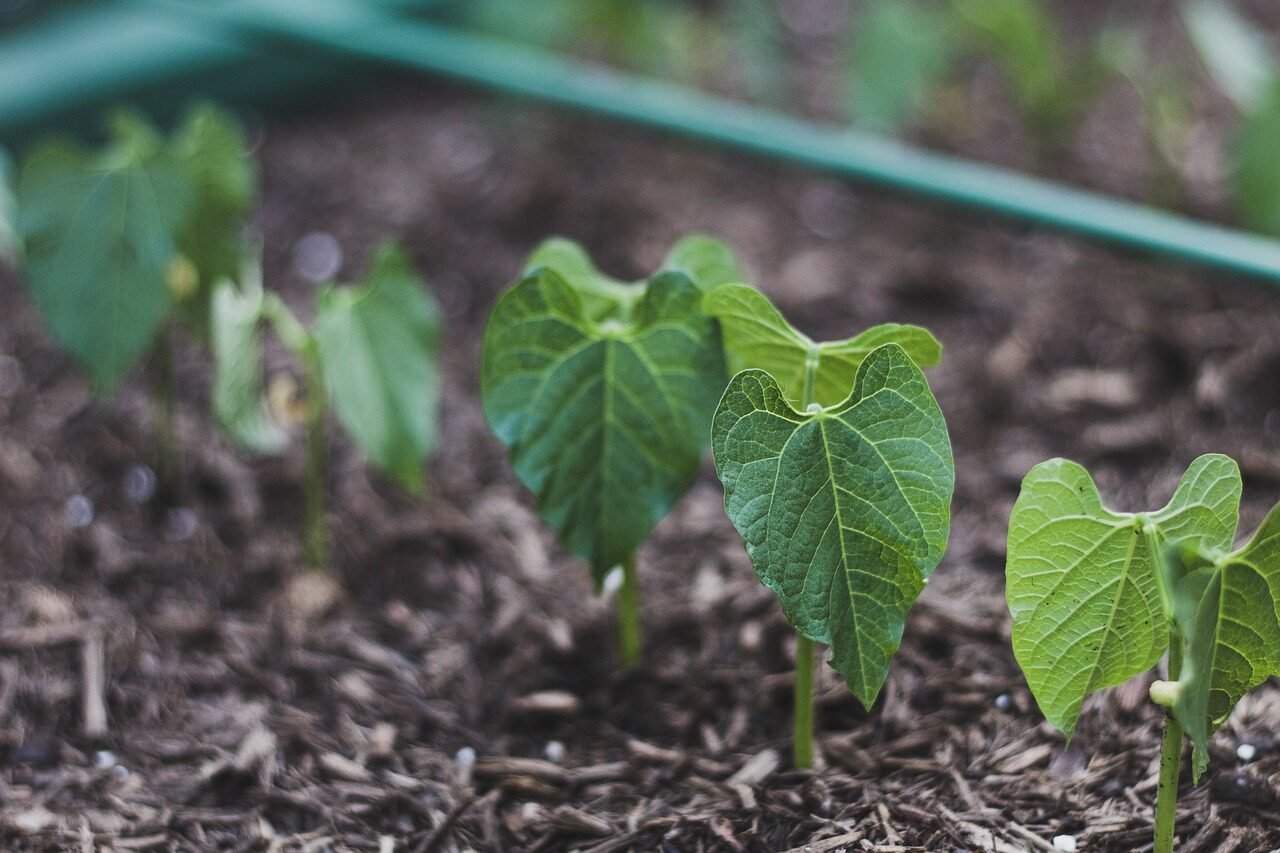
Through this process, humus forms, a dark, nutrient-rich layer in the soil. Humus improves water retention, enhances soil structure, and provides the foundation for new plant growth. What appears to be decay is actually a crucial ecological process.
Nutrient Release and Cycling
Decomposition plays a central role in nutrient cycling. As plant tissues break down, nutrients like nitrogen, phosphorus, potassium, calcium, and magnesium return to the soil. These elements support microbial communities and provide essential resources for new plants.
The speed at which nutrients are released depends on the plant’s tissue type and chemical composition. Soft, nitrogen-rich leaves provide a rapid nutrient supply, while woody stems and roots release nutrients more slowly, contributing to long-term soil fertility.
Even small details, like the thickness of a leaf cuticle or the lignin content of a stem, influence how and when nutrients are recycled.
| Plant Tissue Type | Nutrient Content | Decomposition Speed | Ecosystem Role |
|---|---|---|---|
| Soft leaves | High N, P | Fast | Rapid nutrient supply to soil |
| Woody stems | Low N, high lignin | Slow | Long-term carbon storage, structural support for soil |
| Roots | Medium N, P, K | Moderate | Slow-release nutrients, supports microbial communities |
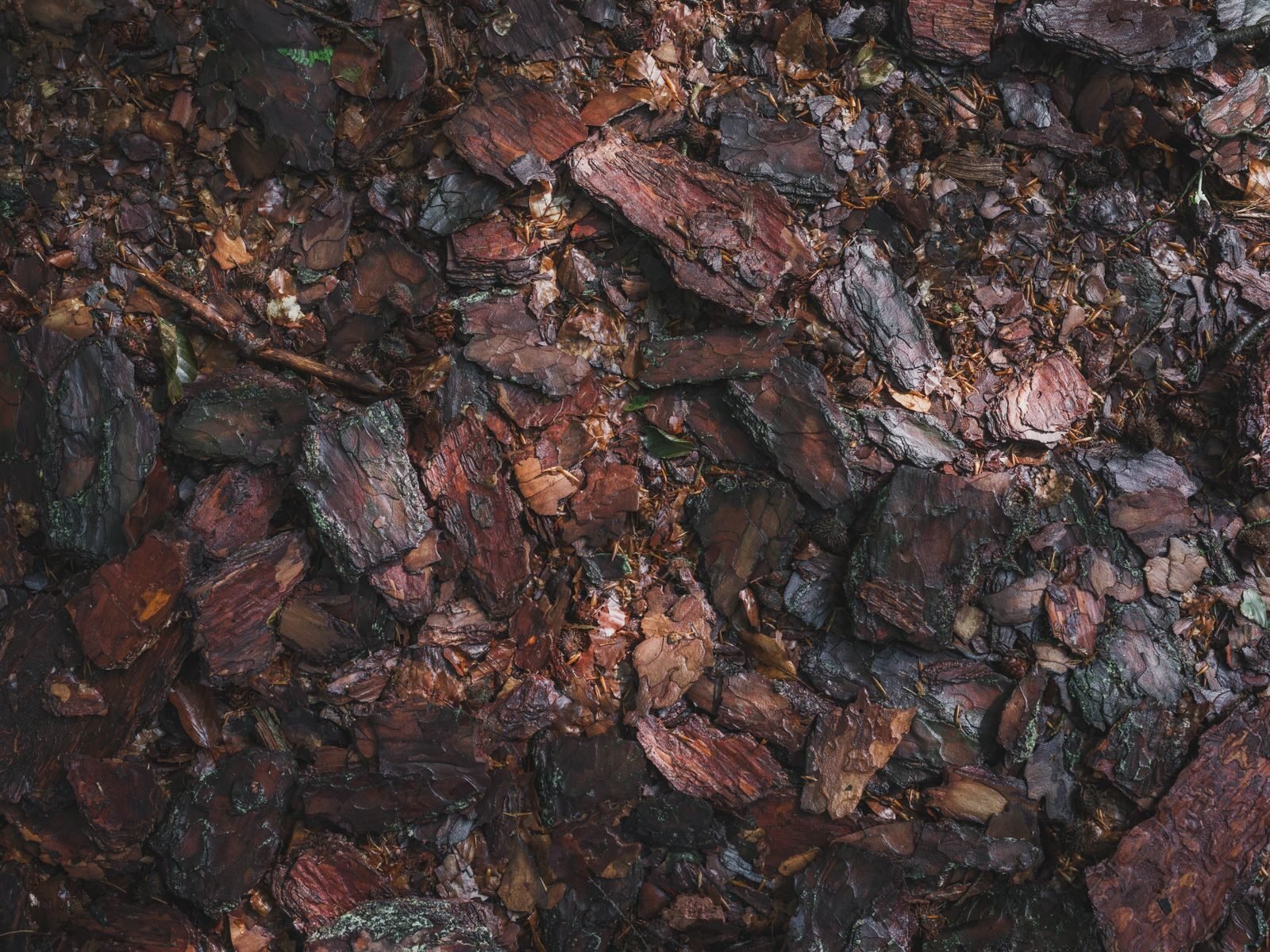
| Bark | Low nutrient, high tannins | Very slow | Long-term carbon, protects microbes, stabilizes soil |
Observation: Decomposition is a dynamic process, with different plant parts contributing nutrients at varying rates to the ecosystem.
Environmental Influences on Decomposition
Decomposition does not occur uniformly. Environmental factors shape every stage of the process:
Moisture: Adequate moisture accelerates microbial activity, but waterlogged soils can slow decomposition due to low oxygen availability.
Temperature: Microbial and enzymatic activity increases in warmer conditions and slows in cold environments.
Soil pH: Certain microbial communities prefer acidic or neutral soils, influencing which nutrients are released.
Exposure: Plant material buried under soil or leaf litter decomposes differently than material left on the surface.
During fieldwork in forests, wetlands, and alpine meadows, I’ve observed that even minor variations in these factors can lead to drastically different decomposition patterns.
Carbon Cycling and Ecosystem Impact
Beyond nutrient recycling, decomposition is a key component of the carbon cycle. Plant carbon enters the soil as organic matter, some of which becomes humus, storing carbon for years or even decades. Other carbon returns to the atmosphere as carbon dioxide through microbial respiration.
In this way, decomposition links plant life to global biogeochemical cycles. My background in biogeochemistry has allowed me to see how the fate of a single leaf contributes to larger processes like soil carbon storage and nutrient availability across ecosystems.
Observing Decomposition in the Field
One of the most striking things about decomposition is its variability and context-dependence. I remember walking through a temperate forest after autumn leaf fall. Some leaves had already turned dark, soft, and crumbly, while others remained largely intact under slightly different conditions.
This variability depends on:
Plant species and tissue chemistry
Local microbial community composition
Microclimatic conditions such as sunlight, humidity, and soil type
Watching these differences over time reveals the incredible adaptability of decomposition processes. No two fallen leaves experience exactly the same journey.
Decomposition as an Ecosystem Process
Through decades of observation, I’ve come to see decomposition as more than just a plant process. It is an ecosystem-wide phenomenon connecting life and death:
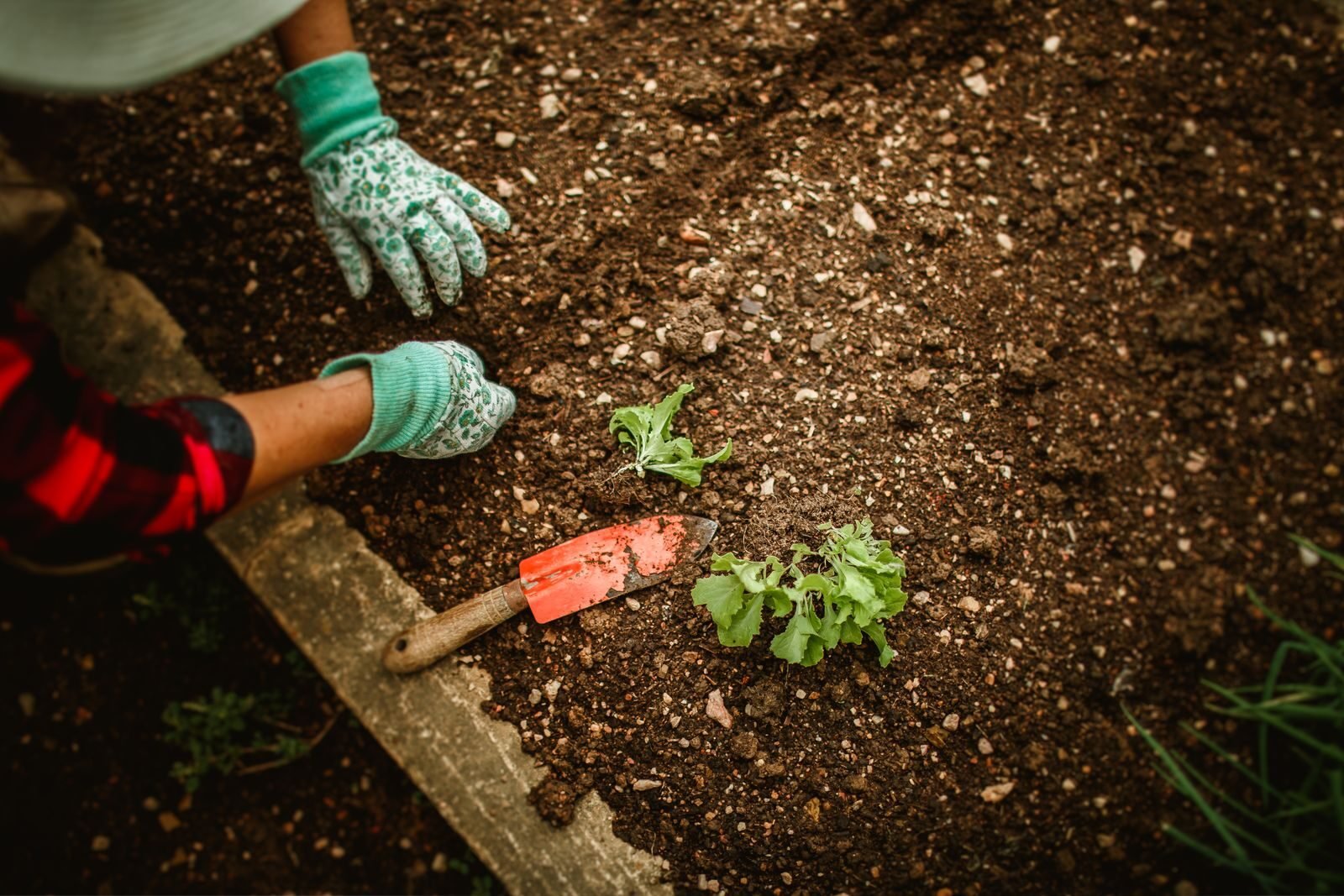
Nutrients returned to the soil support new plant growth.
Microbes feeding on decomposing material form the base of soil food webs.
Carbon and other elements cycle through the ecosystem, maintaining long-term ecological balance.
Even in nutrient-poor environments, decomposition allows ecosystems to sustain themselves, highlighting the resilience and interconnectivity of nature.
Summary
Decomposition is one of nature’s quiet miracles. From the moment a leaf falls, a series of chemical, microbial, and ecological processes begins that sustains life long after the plant itself is gone. Observing it in the lab and field has deepened my appreciation for the hidden complexity beneath our feet.
Far from being simple decay, decomposition is a carefully orchestrated process that links the living and the dead, shaping the future of ecosystems.
FAQs
1. What happens to a plant after it dies?
Plant tissues are broken down by enzymes, microbes, and environmental factors, releasing nutrients back into the soil.
2. Why do some plants decompose faster than others?
Decomposition speed depends on tissue type, chemical composition, and nutrient content. Soft leaves decay quickly, while woody stems and lignin-rich materials take longer.
3. How do microbes contribute to decomposition?
Fungi and bacteria digest plant molecules, recycle nutrients, and help form humus that enriches the soil.
4. Do environmental conditions affect decomposition?
Yes. Moisture, temperature, soil pH, and oxygen availability influence microbial activity and the rate of nutrient release.
5. Why is decomposition important for ecosystems?
It recycles nutrients, feeds soil organisms, improves soil structure, supports new plant growth, and contributes to carbon cycling.