






This article was written and reviewed by Serge, MSc. I hold degrees in Plant Biology, Environmental Biology and Biogeochemistry, with research experience in plant physiology, ecosystem science, and field-based environmental studies. Every article on this site is grounded in real academic training and genuine scientific research.
Affiliate disclosure: This site has affiliate links, including Amazon. As an Amazon Associate I earn from qualifying purchases, at no extra cost to you.
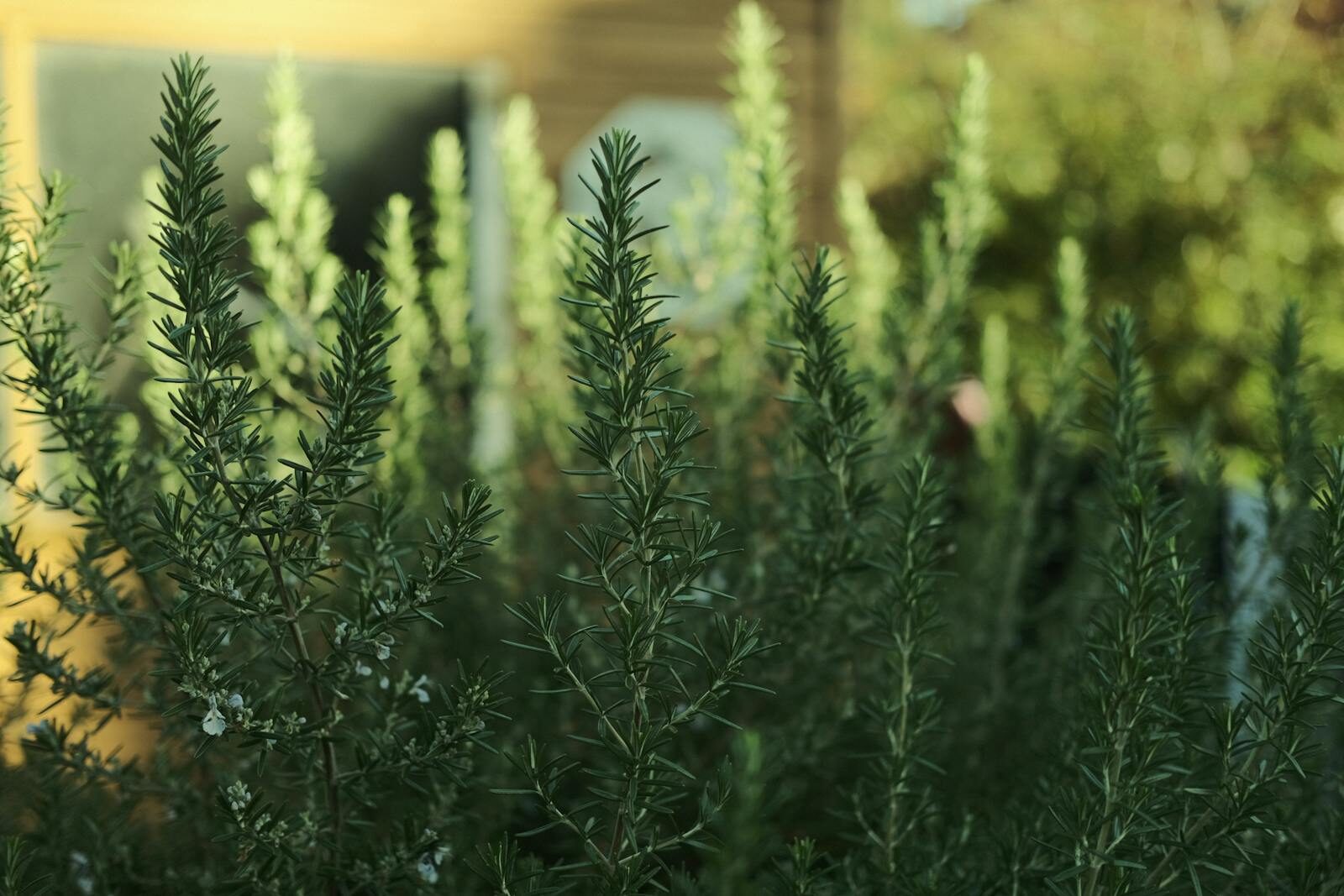
Rosemary looks like it should be easy. It grows wild on rocky Mediterranean hillsides with almost no care at all. So why do so many people bring one home from the garden centre and watch it slowly die on the kitchen windowsill?
The answer is almost always the same. Too much water and not enough sun. But there is more to it than that, and once you understand how rosemary actually grows, keeping it alive becomes genuinely simple.
I have studied plant physiology, and rosemary is one of those plants where the science makes the gardening dramatically easier. I want to share what I know so you get it right from the start.
What Kind of Plant Is Rosemary?
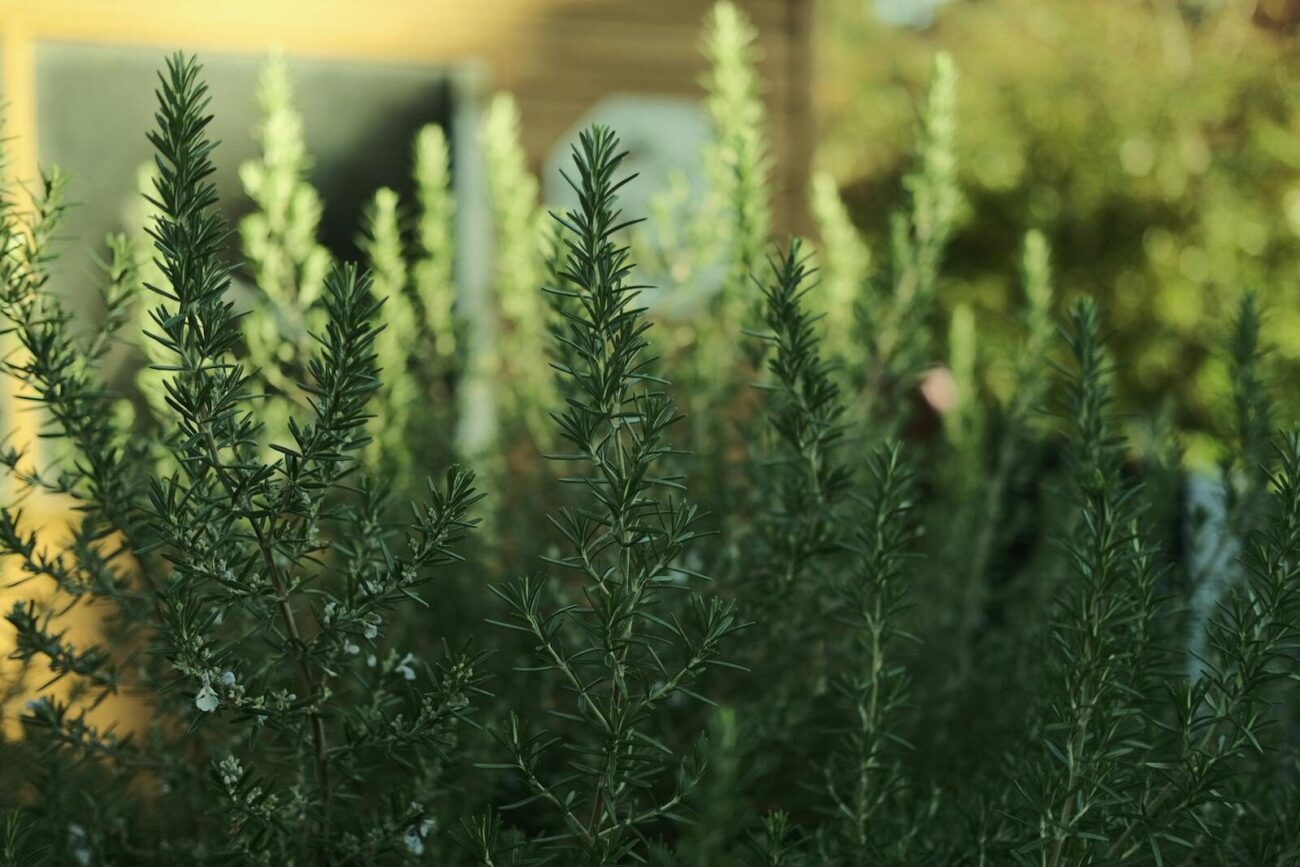
Rosemary (Rosmarinus officinalis, recently reclassified as Salvia rosmarinus) is a perennial evergreen shrub native to the Mediterranean region. It is woody, aromatic, and built for tough conditions including poor soil, dry summers, and full sun.
Yes, rosemary is a perennial. It comes back year after year without replanting, which makes it one of the best value herbs you can grow. A single well-established plant can produce generous harvests for a decade or more.
In my plant physiology studies I learned that the aromatic compounds giving rosemary its distinctive smell, primarily rosmarinic acid and camphor, are secondary metabolites the plant produces as a defence mechanism. Plants under mild environmental stress produce more of these compounds.
This is why rosemary grown in lean, dry conditions often smells and tastes stronger than plants grown in rich, moist soil. Your plant working a little harder actually makes it better in the kitchen.
The Best Spot for Growing Rosemary
Full sun is non-negotiable.
Rosemary needs at least 6 to 8 hours of direct sunlight daily. It evolved on sun-baked hillsides and its entire physiology is optimised for high light conditions. Put it in shade and it becomes weak, leggy, and vulnerable to fungal problems. This is the single most common reason rosemary fails indoors. Most windowsills simply do not provide enough light.
Outdoors:
A south-facing position against a wall is ideal. The wall absorbs heat during the day and releases it at night, creating a warmer microclimate that rosemary loves. Well-drained soil is essential. Rosemary roots hate sitting in water. If your soil is heavy clay, add grit or plant in a raised bed.
I always recommend checking soil pH before planting any herb. Rosemary prefers a pH between 6.0 and 7.0 and tolerates slightly alkaline conditions better than most herbs. My article on how to test soil pH walks you through exactly how to do this at home.
Indoors:
Place rosemary in your brightest window, south or west facing. If your natural light falls short, a grow light running for 12 to 14 hours a day makes a real difference. Without adequate light indoor rosemary stretches toward the light source, produces weak growth, and becomes prone to powdery mildew.
I recommend terracotta pots with drainage holes for rosemary. Terracotta breathes and helps excess moisture evaporate, which is exactly what rosemary roots need to stay healthy.
Does Rosemary Survive Winter?
This is one of the most searched rosemary questions and the answer depends on where you live.
Rosemary is hardy down to around -10°C in well-drained soil. In mild climates it survives outdoors year-round without any protection. In colder regions with wet winters the combination of frost and waterlogged soil is what kills it, not the cold alone.
I live in a northern climate and I have seen rosemary come through harsh winters perfectly well when planted in gritty, free-draining soil. The ones that died were always in heavy soil that held moisture around the roots during freezing temperatures.
To help rosemary survive winter:
Plant in very well-drained soil or a raised bed
Avoid overwatering going into autumn
Apply a layer of grit around the base to improve drainage
In very cold regions bring container-grown rosemary indoors before the first hard frost
Do not cut it back hard in autumn as the woody growth provides some insulation
Rosemary will often look brown and stressed after a cold winter but recover in spring once temperatures rise. Give it time before assuming it is dead.
How to Plant Rosemary
From cuttings, the best method:
Rosemary propagates extremely well from cuttings and this is far faster than growing from seed. Take a 10 to 15 cm cutting from a healthy non-flowering stem in late spring or early summer. Strip the lower leaves, leaving a clear stem of about 5 cm. Dip the cut end in rooting hormone powder if available, then push into a small pot of gritty compost. Keep in a warm bright spot and water sparingly. Roots develop within 3 to 4 weeks.
Rosemary can also root in water. Place the stripped cutting in a glass of water on a sunny windowsill and change the water every few days. Transfer to soil once roots reach 2 to 3 cm.
From seed:
Germination is slow and unreliable. Seeds can take 2 to 3 weeks to germinate and seedlings are slow to establish. Cuttings are always the better option.
From a garden centre plant:
This is the quickest route. I always choose a compact, bushy plant rather than a tall leggy one. Check the roots are not circling the pot, as this is a sign the plant is root-bound and already stressed before you get it home.
Watering Rosemary. Less Is More
Overwatering kills more rosemary plants than anything else.
Rosemary roots are adapted to dry conditions and they do not tolerate prolonged moisture around the root zone. Water thoroughly, then allow the soil to dry out almost completely before watering again. In summer outdoor rosemary often needs no supplemental watering at all if rainfall is reasonable. Indoor rosemary in a warm house may need watering once a week in summer and once every two weeks in winter.
The warning signs of overwatering are brown mushy stems at the base, yellowing leaves, and a general collapse of the plant. By the time these appear root rot is usually already established. Prevention is everything, so always check the soil before reaching for the watering can.
Should You Prune Rosemary?
Yes, and regular pruning is one of the best things you can do for a rosemary plant.
I prune my rosemary lightly after flowering in spring, removing around one third of the new growth. This keeps the plant compact, bushy, and productive. Never cut back into the old woody growth. Rosemary does not regenerate well from hard pruning into bare wood, which is a mistake I see gardeners make regularly.
Should you let rosemary flower? Yes, briefly. The small blue or white flowers are attractive, edible, and beneficial to pollinators. Once flowering finishes, prune the tips back to direct the plant’s energy back into leaf production.
Feeding Rosemary
Rosemary is a light feeder and genuinely does not need much fertilizer. A single application of balanced slow-release fertilizer in spring is sufficient for outdoor plants. Too much feeding, particularly high nitrogen fertilizer, produces lush soft growth that is less aromatic and more vulnerable to frost damage.
For indoor rosemary I use a dilute liquid feed once a month during spring and summer. I stop feeding entirely in autumn and winter when growth naturally slows down.
Common Problems
Rosemary turning brown: The most common causes are overwatering, root rot, or frost damage. Check drainage first. If the stems are soft and mushy at the base, root rot is the likely culprit. If the browning happened after a cold spell the plant may recover in spring. Give it time.
Rosemary dying indoors: Almost always insufficient light or overwatering. Move to the brightest available window and reduce watering frequency significantly. These two changes fix the problem in most cases.
Powdery mildew: A white powdery coating on leaves caused by poor air circulation and high humidity. Improve ventilation, reduce humidity, and remove affected growth. Avoid watering from overhead.
Leggy growth: A direct sign of insufficient light. Move to a brighter position and prune back the leggy stems to encourage compact regrowth.
Harvesting Rosemary
Harvest rosemary by snipping stems from the tips of the plant. Always cut above a leaf node to encourage branching. Regular harvesting keeps the plant productive and prevents it becoming too woody over time.
The best time to harvest is in the morning when essential oil concentration in the leaves is at its peak. I never take more than one third of the plant at a single harvest. Rosemary recovers well but it needs enough foliage to keep growing strongly.
Fresh rosemary keeps in the fridge wrapped in a damp cloth for up to two weeks. For longer storage, dry bunches by hanging upside down in a warm airy spot, or freeze individual sprigs directly.
Common Questions
Is rosemary a sun or shade plant?
Rosemary is a full sun plant. It needs a minimum of 6 to 8 hours of direct sunlight daily to grow well. It will survive in partial shade but growth becomes weak and leggy, and the plant becomes more vulnerable to disease. Always give rosemary your sunniest spot.
Can rosemary grow indoors?
Yes, but only with sufficient light. A south or west facing window is the minimum requirement. Most indoor positions fall short of what rosemary needs, which is why grow lights are often necessary for successful indoor growing. Without enough light rosemary stretches, weakens, and eventually dies back.
Will rosemary come back after winter?
In mild climates with well-drained soil, yes. Rosemary is a perennial and returns each year. In colder regions with wet winters it can struggle, particularly if the roots sit in waterlogged soil during frost. Container plants brought indoors before hard frosts will reliably return each spring.
Can rosemary grow from a cutting?
Yes. Cuttings are the best way to propagate rosemary. A 10 to 15 cm cutting taken in late spring will root within 3 to 4 weeks in gritty compost or in a glass of water. This is faster and more reliable than growing from seed.
Should rosemary be cut back in spring?
Yes. A light prune after flowering in spring removes around one third of the new growth, keeps the plant compact, and encourages fresh productive stems. Never cut back into the old woody growth as rosemary does not regenerate well from bare wood.
Why is my rosemary turning brown?
Overwatering and root rot are the most common causes. Check the base of the stems. If they feel soft or mushy, root rot has set in. Improve drainage immediately and reduce watering. If browning followed a cold snap the plant may recover naturally in spring.
Can rosemary survive frost?
Rosemary tolerates moderate frost down to around -10°C in well-drained soil. The combination of frost and wet soil is more damaging than frost alone. In regions with harsh winters, growing rosemary in containers and bringing them indoors before the first hard frost is the most reliable approach.
Are rosemary roots invasive?
No. Rosemary roots are not invasive and will not spread aggressively. The plant stays where you put it and does not cause problems for neighbouring plants or structures. It is a well-behaved garden shrub in this respect, unlike mint which I covered in a separate growing guide.
Can rosemary and lavender be planted together?
Yes, they make excellent companions. Both originate from Mediterranean climates, both need full sun and well-drained soil, and both prefer lean conditions with minimal watering. They have very similar growing requirements which makes them natural planting partners in any herb garden.
Will rosemary spread in the garden?
Rosemary spreads slowly through natural growth rather than through runners or rhizomes like mint. It gradually grows into a larger shrub over time but it will not invade surrounding areas. Give it enough space to reach its mature size of around 60 to 90 cm and it will stay exactly where you planted it.