


This article was written and reviewed by Serge, MSc. I hold degrees in Plant Biology, Environmental Biology and Biogeochemistry, with research experience in plant physiology, ecosystem science, and field-based environmental studies. Every article on this site is grounded in real academic training and genuine scientific research.
Affiliate disclosure: This site has affiliate links, including Amazon. As an Amazon Associate I earn from qualifying purchases, at no extra cost to you.

Japanese maples are some of the most captivating trees you can add to a garden. Their delicate, lacy leaves, stunning seasonal colors, and graceful forms make them highly sought after by gardeners and plant enthusiasts alike.
I’ve always appreciated trees not only for their role in ecosystems but also for the subtle ways they respond to environmental conditions. If you enjoy understanding plants on a deeper level, you’ll find this post both practical and insightful.
Why Japanese Maples Are So Special
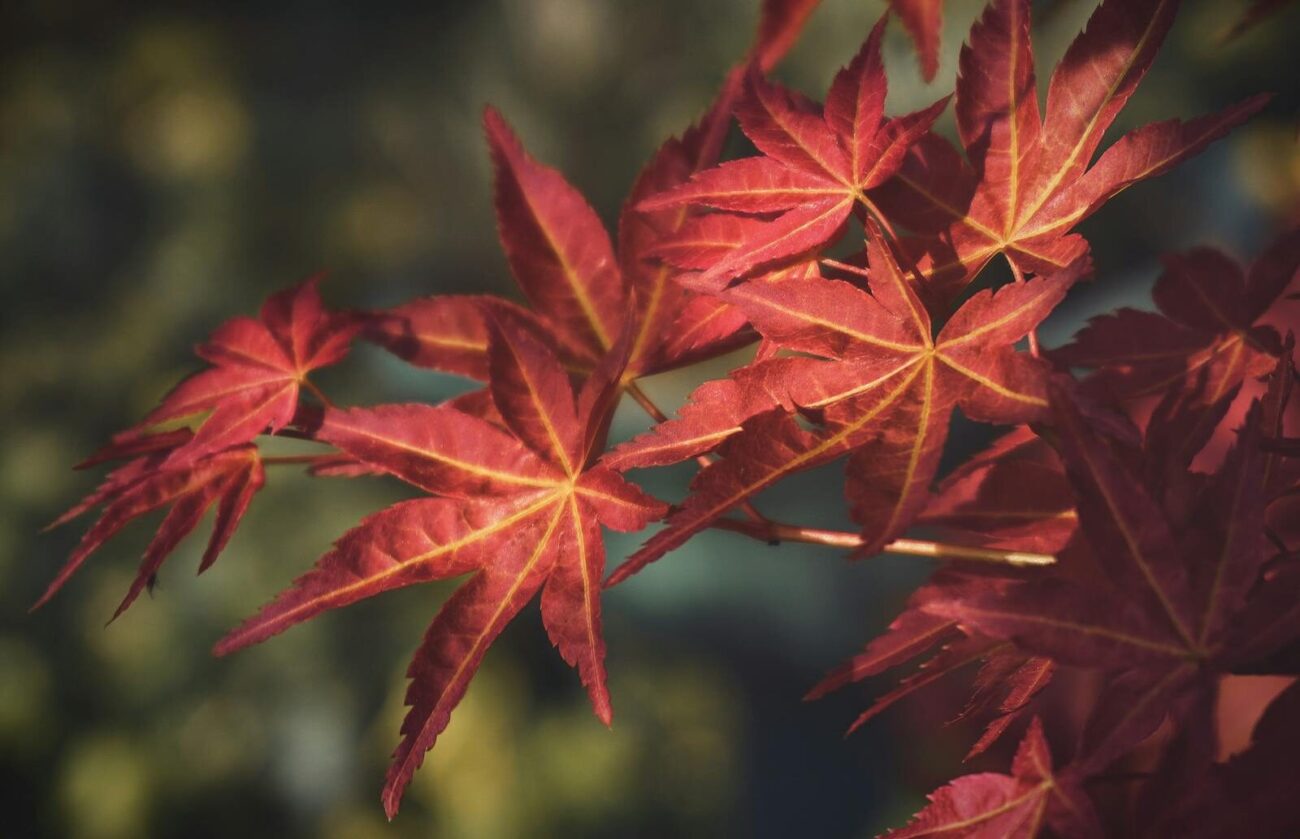
Japanese maples (Acer palmatum) are small to medium-sized deciduous trees native to Japan, Korea, and parts of China. They are particularly admired for their vibrant leaf colors, ranging from deep burgundy and rich purples to bright reds and golden greens, depending on the variety and the season.
The coloration in their leaves comes from pigments such as anthocyanins, carotenoids, and chlorophyll. Chlorophyll gives the green color, while carotenoids produce yellow and orange hues. Anthocyanins are responsible for reds and purples and are often influenced by light exposure, temperature, and soil nutrients.
Through my research and experience observing how environmental conditions affect plant physiology, I can say that Japanese maples are excellent examples of how a tree’s surroundings directly influence its growth, leaf color, and overall health.
The tree’s graceful branching and slow growth make it ideal for yards, patios, and even larger containers. Understanding its needs allows gardeners to enjoy its beauty for many decades.
Choosing the Right Variety
Japanese maples are available in numerous cultivars, each with different growth habits, leaf shapes, and colors. Some popular forms include:
Dissectum types: These have finely cut, lace-like leaves and a cascading, weeping growth habit. Perfect for shaded garden corners.
Palmatum types: Broad-leaved varieties with more upright growth, ideal as a focal point in lawns or garden beds.
Dwarf varieties: Compact cultivars suitable for container growth, patios, or bonsai applications.
When selecting a tree, I recommend considering your garden’s light conditions, space, and your aesthetic preferences. Some cultivars tolerate more sun, while others thrive in partial shade.
Ideal Growing Conditions
From my understanding of tree physiology, Japanese maples thrive when environmental stressors are minimized and light, soil, and water are balanced.
Here’s a breakdown of what I focus on when guiding gardeners:
Light
Japanese maples generally prefer partial shade, especially in warmer climates. Too much direct sunlight can scorch their delicate leaves and reduce the intensity of their color. Morning sun with afternoon shade usually works best. In cooler regions, they can tolerate more direct light.
Soil
Well-draining soil is essential. I recommend a loamy, slightly acidic to neutral soil with a pH between 5.5 and 7.0. Good soil drainage prevents root rot, a common problem for Japanese maples. Incorporating organic matter such as compost or aged leaf mold improves soil structure and moisture retention.
Climate
Japanese maples are hardy in USDA zones 5–8. They are sensitive to extreme heat and drought, so supplemental watering during dry periods is important. Observing how other trees respond in your local climate helps predict how your maple will fare.
How to Plant Japanese Maple Trees
Based on my experience with trees and managing environmental stress, I can guide you step by step on growing Japanese maple successfully.
-
Choose a healthy young tree or container-grown sapling. Ensure the roots are intact and moist.
-
Select the planting site carefully. Avoid windy spots and low areas where water can collect.
-
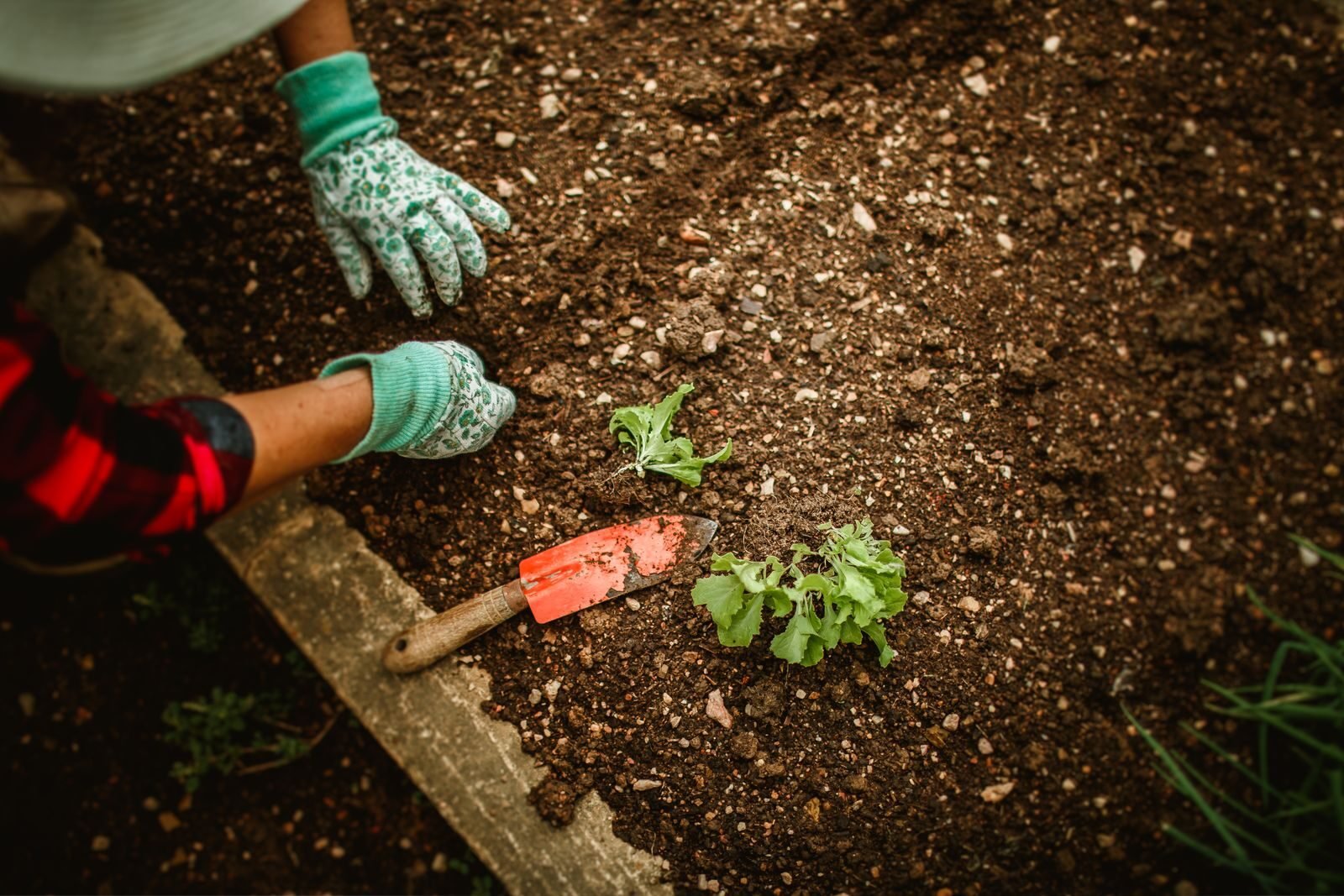
Dig a hole roughly twice as wide and the same depth as the root ball. This gives the roots space to expand.
-
Place the tree so the top of the root ball is level with the surrounding soil. I find that planting too deep can stress the tree.
-
Backfill with original soil mixed with compost, gently firming the soil to eliminate air pockets.
-
Water thoroughly after planting to help settle the roots.
-
Mulch around the base with organic material like bark or leaf litter, keeping it a few inches away from the trunk to avoid rot.
For those who want to grow Japanese maples from seeds, germination requires stratification. I suggest:
Collecting seeds in autumn when they are mature.
Cold-stratifying them for 60–90 days in a moist medium like sand or peat.
Planting them in well-draining soil in spring.
Maintaining consistent moisture without waterlogging.
Growing from seed can be rewarding but takes patience, as seedlings may take several years to display mature leaf colors and form.
Watering and Fertilization
Proper water management is crucial. Japanese maples like evenly moist soil but do not tolerate standing water. During hot or dry periods, I advise watering deeply at least once a week. Applying mulch, as I mentioned earlier, helps maintain soil moisture and regulate root temperature.
Fertilization should be light and careful. I recommend a slow-release, balanced fertilizer in early spring, just as new growth begins. Over-fertilizing can lead to excessive growth that is weak and prone to damage.
Using my understanding of nutrient cycles and plant biochemistry, I often emphasize nitrogen moderation, as high nitrogen encourages leaf growth at the expense of color intensity.
Pruning Japanese Maples
Pruning is mostly for shape and to remove damaged or dead branches. I usually prune in late winter to early spring, before new growth begins. Light pruning during summer can help maintain the tree’s shape but avoid heavy cuts in hot months, as this can stress the tree.
Always cut just above a node or branch junction and avoid removing more than 20–25% of the canopy at a time. This reduces the risk of stress and disease.
Pests and Diseases
Japanese maples are generally hardy but can face some issues:
Aphids and scale insects: Treat with insecticidal soap or horticultural oils.
Verticillium wilt: Prevent by avoiding planting in poorly drained soil.
Leaf scorch: Often caused by excessive sun or drought; ensure proper watering and partial shade.
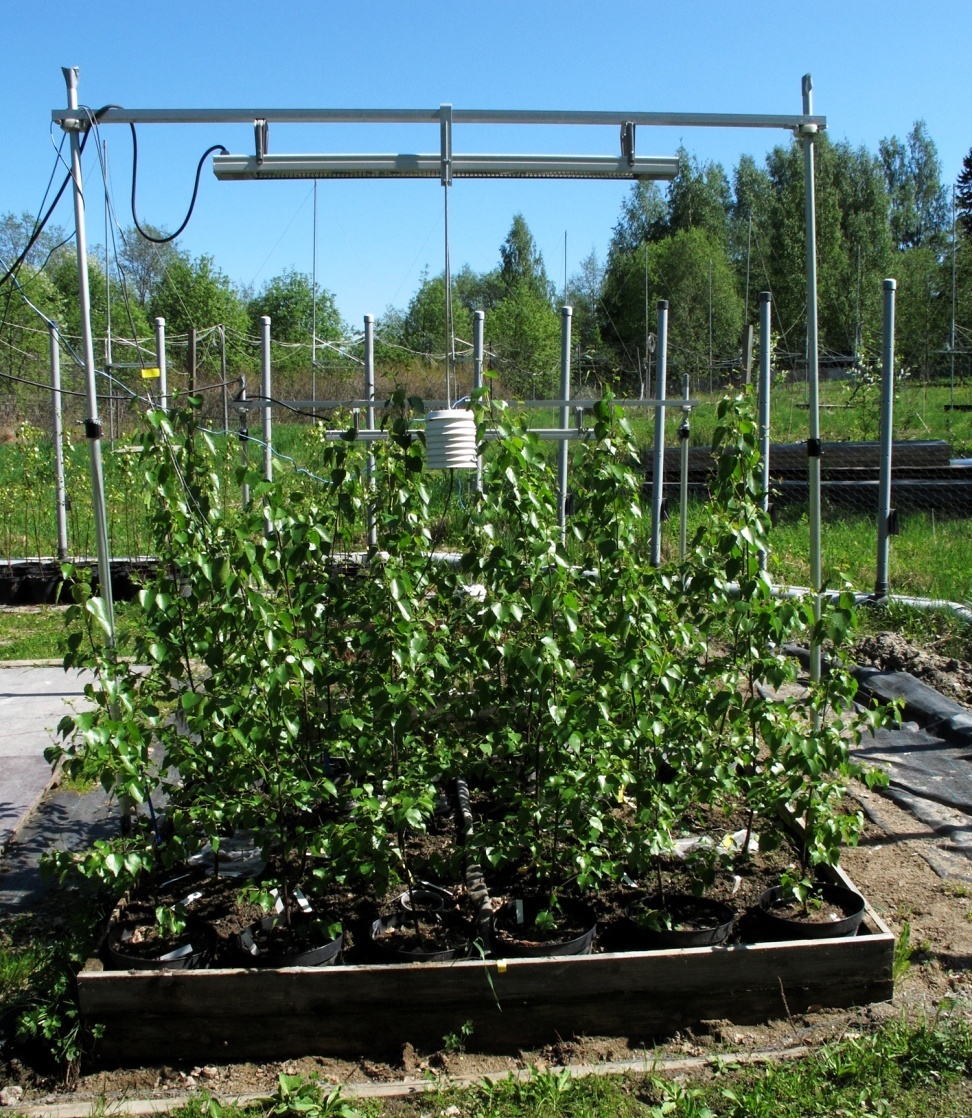
I find that understanding how environmental conditions influence plant stress, which I studied extensively in my research on silver birch, helps gardeners anticipate and prevent many of these problems.
Environmental Stress Factors
In my work with trees, I observed how temperature, light, and moisture directly affect growth and physiology. For Japanese maples:
Too much sun or heat can reduce leaf color intensity and cause browning.
Cold snaps can damage new growth in early spring. Protect young trees with frost cloths if needed.
Drought stress can stunt growth and make leaves more susceptible to pests. Consistent monitoring and watering prevent this.
By approaching gardening with this awareness, I guide readers to not only grow a tree but understand its behavior under different conditions.
Advanced Insight: Color, Leaf Cells, and Seasonal Changes
I like to share a bit of plant science for those curious about the “why” behind the beauty. Japanese maples’ color shifts are a combination of pigment production, cellular changes, and environmental cues:
Chlorophyll gives green in spring and early summer.
Anthocyanins develop under cooler temperatures and bright light, producing red and purple hues.
Carotenoids persist in leaves even after chlorophyll declines, giving yellow and orange colors in autumn.
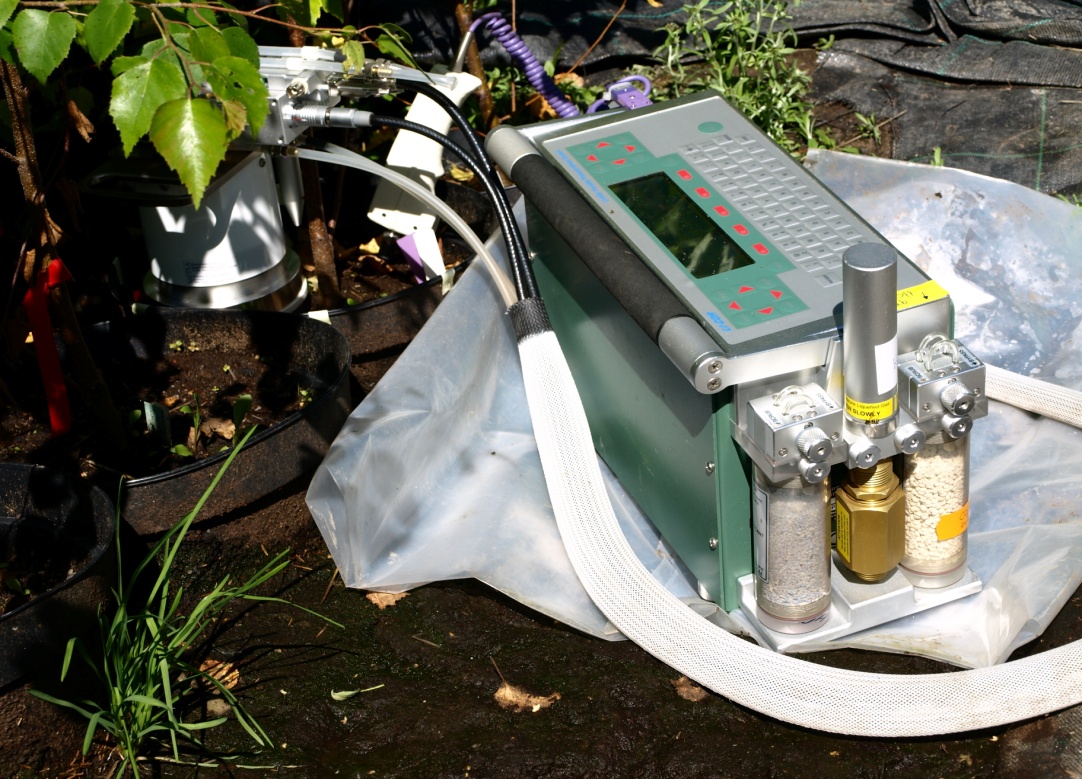
Environmental factors such as light intensity, temperature swings, and soil moisture all influence pigment synthesis. In my research, I often observed how small changes in these factors significantly affected leaf physiology, knowledge that directly informs how I would advise someone growing Japanese maples.
Beginner-Friendly Care Tips
For gardeners starting with Japanese maples, I recommend:
-
Start with a young, healthy sapling from a reputable nursery.
-
Plant in partial shade with well-draining soil.
-
Mulch and water consistently, especially in the first 2–3 years.
-
Light pruning to maintain shape, removing dead or crowded branches.
-
Monitor for pests and minor diseases early.
-
Observe seasonal changes in leaf color as an indicator of environmental response.
With patience and observation, a Japanese maple can become the centerpiece of your garden for decades.
I would also recommend my Young Tree Problem Solver for the first years, when Japanese maples can struggle. If yours has leaf scorch, a thin crown or slow growth, it gives you a step-by-step way to find the problem and fix it.
Conclusion
Japanese maples are not just ornamental trees; they are a living example of how environmental conditions, plant physiology, and seasonal rhythms interact. Based on my work and understanding of tree growth, I emphasize that success with Japanese maples comes from observing their needs and responding carefully to their environment.
Whether you are drawn to their vibrant autumn colors, graceful branching, or the satisfaction of growing a slow-maturing tree, Japanese maples reward attention and care. I encourage you to consider light, soil, water, and pruning as interconnected factors and to approach gardening as both a craft and a science.
Growing Japanese maples is a journey that combines aesthetic enjoyment with botanical understanding. By applying the principles outlined here, you can cultivate a healthy, beautiful tree that expresses both the wonder of nature and the knowledge gained from plant science.
Frequently Asked Questions
How fast do Japanese maple trees grow?
Most Japanese maples grow slowly to moderately, typically around 1–2 feet per year depending on the variety and growing conditions.
Can Japanese maple trees grow in containers?
Yes. Many smaller varieties grow well in large containers if the pot has good drainage and the soil remains consistently moist.
Why are my Japanese maple leaves turning brown?
Leaf browning is often caused by excessive sunlight, drought stress, or hot winds that increase water loss from leaves.
Do Japanese maples need fertilizer?
They usually require only small amounts of fertilizer. A balanced fertilizer in early spring or organic compost is usually sufficient.
Can Japanese maples grow in colder climates?
Many varieties tolerate cold winters, but young trees benefit from protection against extreme winds or sudden temperature changes.

How can I get my Japanese Maple to grow more branches?
Sorry for the late reply!
The best way to get more branches on a Japanese maple is pruning, and timing matters. Do it in late winter, just before the buds start to swell. The buds grow in opposite pairs, so when you cut just above a pair, the tree usually sends out two new shoots from that spot.
If you have long, bare shoots, cut them back by about a third. That pushes the buds lower down to grow and the tree fills out over time. Just don’t take off more than 20-25% of the canopy in one year, because the tree doesn’t like too much stress.
Light and feeding make a difference too. Too much shade makes maples stretch and get thin, so morning sun with afternoon shade works well. And go easy on nitrogen, since too much of it gives you long, weak shoots instead of a nice branching structure.
Also, give it a couple of seasons. Some varieties are just naturally upright and sparse, so the change doesn’t show overnight.
Hope this helps! Which variety do you have? I can give more specific tips if I know.