


This article was written and reviewed by Serge, MSc. I hold degrees in Plant Biology, Environmental Biology and Biogeochemistry, with research experience in plant physiology, ecosystem science, and field-based environmental studies. Every article on this site is grounded in real academic training and genuine scientific research.
Affiliate disclosure: This site has affiliate links, including Amazon. As an Amazon Associate I earn from qualifying purchases, at no extra cost to you.

Birch trees are among the most graceful and resilient trees you can grow in your garden. Their delicate leaves, striking white bark, and adaptability to different environments make them a favorite for gardeners seeking both beauty and ecological benefits.
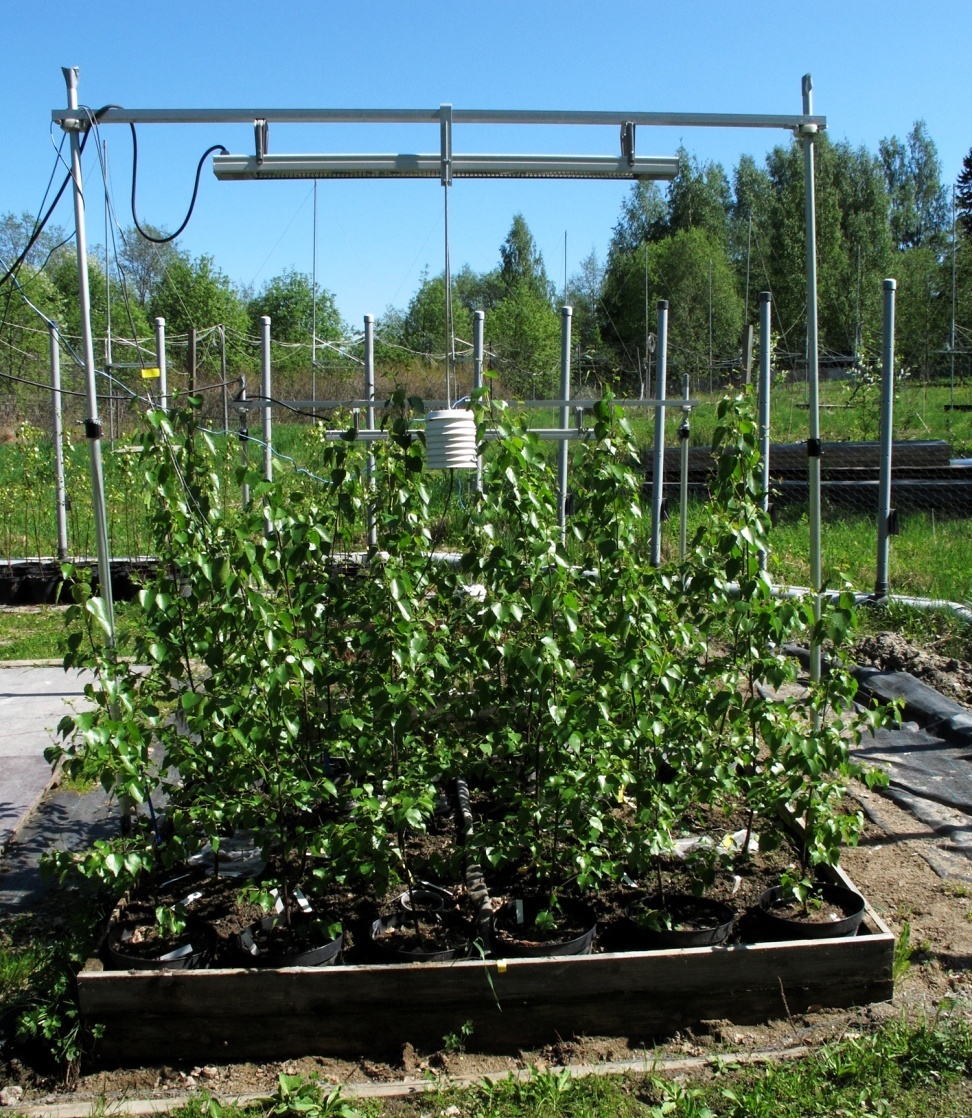
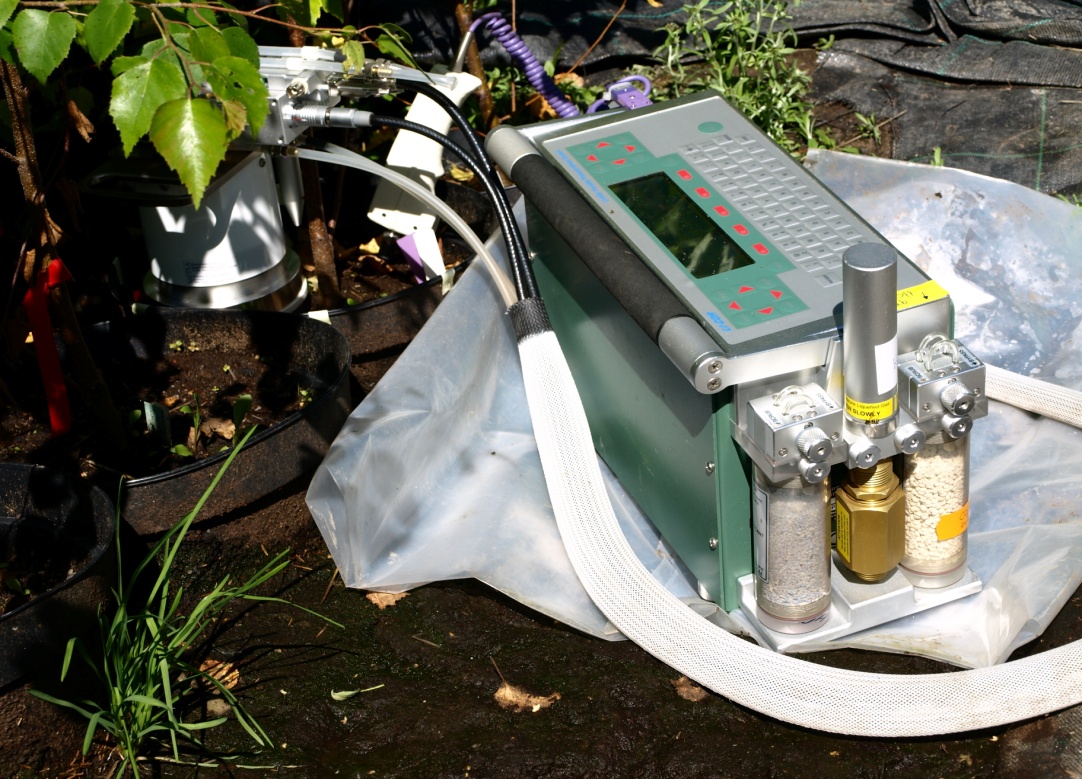
Over the years, I’ve had the opportunity to work closely with birches in open-air experiments, observing how environmental conditions influence their growth, leaf development, and overall health.
In this guide, I’ll share practical advice for growing birches, blending hands-on experience with techniques that work for both young trees and seeds.
1. Introduction to Birch Trees
Birches (genus Betula) are deciduous trees found naturally across temperate and boreal regions. They are prized not only for their ornamental qualities but also for their ecological role, providing habitat for birds, insects, and beneficial microorganisms in the soil.
In my work, I observed birches’ responses to variations in temperature, soil moisture, and air quality, insights that can help gardeners create ideal growing conditions at home.
2. Types of Birch Trees
There are several types of birches suitable for home gardens:
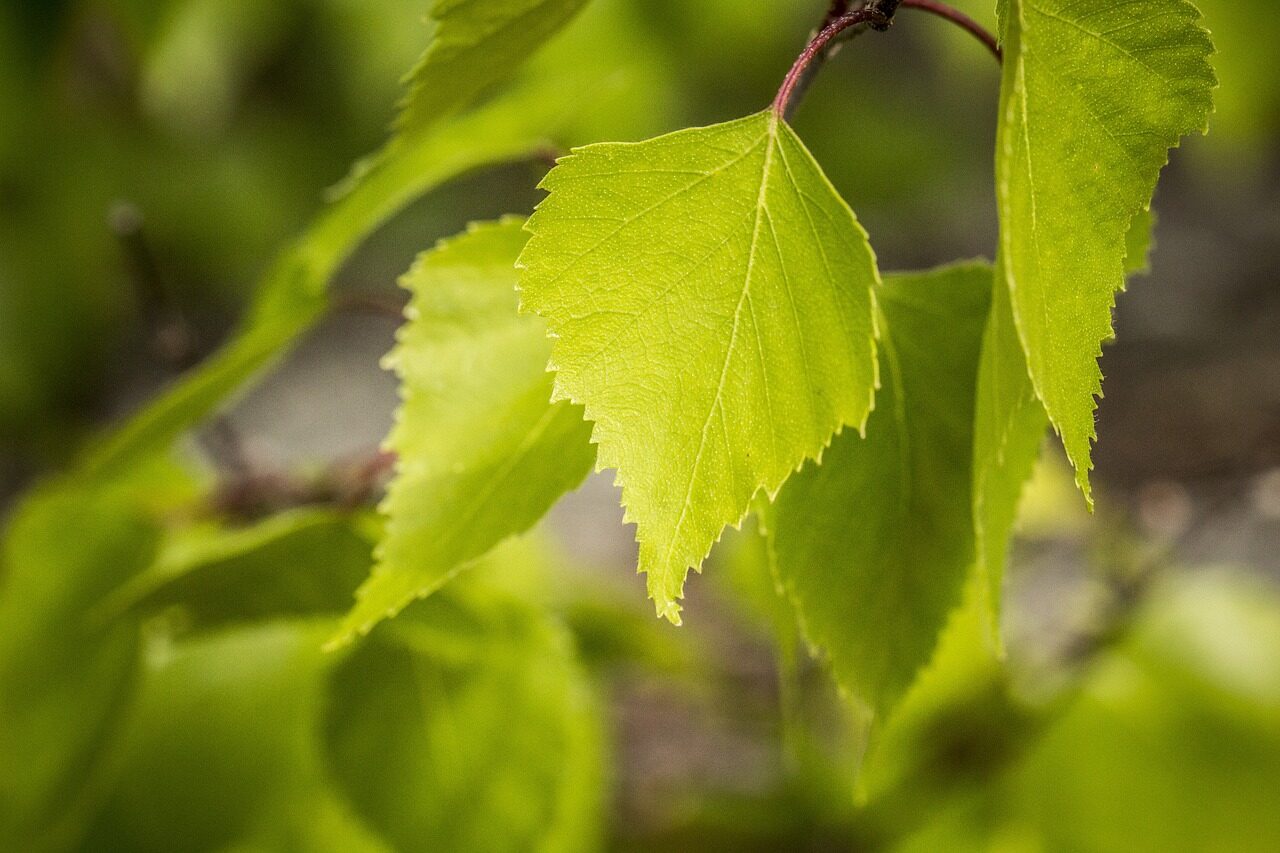
Silver Birch (Betula pendula) – A fast-growing species with striking white bark and delicate, triangular leaves. This was the primary tree I studied.
Downy Birch (Betula pubescens) – More tolerant of wet soils and slightly slower-growing than silver birch.
River Birch (Betula nigra) – Ideal for warmer climates and often used near water features.
For home gardeners, silver birch is a great starting point because it establishes quickly and provides early visual interest in your yard.
3. Ideal Growing Conditions
Light
Birches thrive in full sunlight. During my field studies, I noticed that even a small reduction in sunlight slowed leaf expansion and overall growth. Make sure your planting site receives at least 6–8 hours of direct sun daily.
Soil
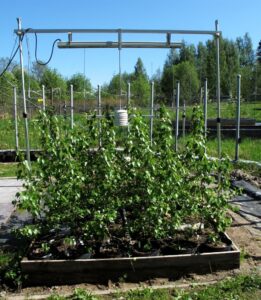
Birches prefer well-draining, loamy soils. They tolerate sandy or clay soils to some extent but grow best in slightly acidic soil (pH 5.5–6.5). In my experimental plots, I worked with a soil mixture of mull and sand to ensure good drainage while retaining nutrients.
Climate
Birches are adapted to cool temperate climates, but moderate warming can stimulate growth. In my observations, temperatures slightly above the local average enhanced leaf production and stem height, though extreme heat or drought can stress the tree.
4. Planting Your Birch
In my studies, I primarily worked with very young trees rather than starting from seeds. Using young trees allowed me to study real-time responses to environmental conditions without waiting for germination and early growth.
If you choose this approach:
Choose healthy saplings with strong stems and well-developed roots.
Timing: Plant in early spring or autumn when temperatures are mild.
Spacing: Allow 5–8 meters between trees for proper canopy and root development.
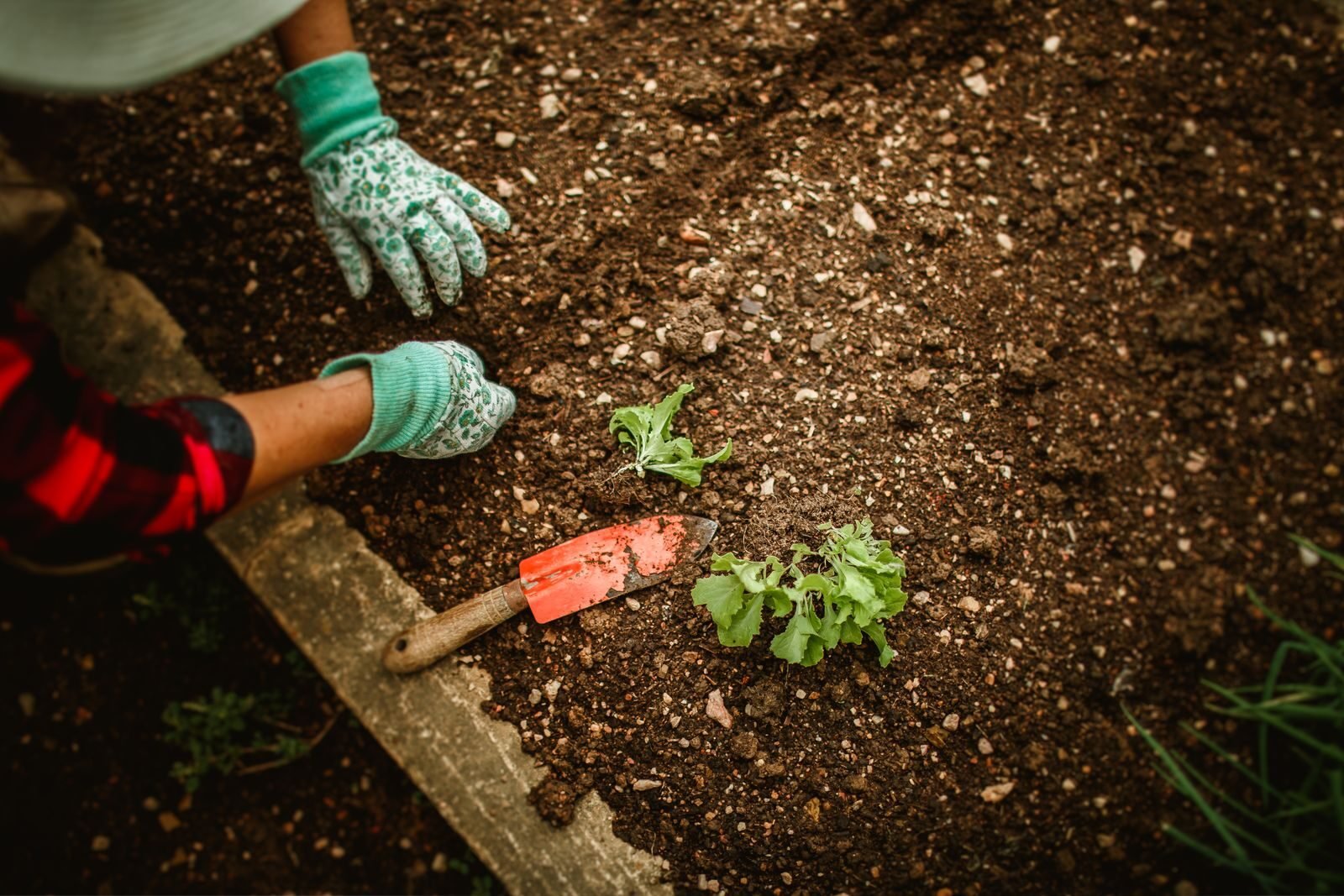
Planting steps:
Dig a hole twice as wide as the root ball.
Place the tree so the top of the root ball sits level with the soil.
Fill the hole and gently firm the soil.
Water thoroughly.
Mulch: Apply a thin layer around the base to conserve moisture and suppress weeds.
Growing Birch from Seeds
If you enjoy nurturing plants from the beginning, birch seeds are an excellent option:
Collect seeds in late summer or autumn from mature trees, once the catkins turn brown and start to break apart.
Cold stratification: Mimic winter by keeping seeds in a damp paper towel inside the fridge for 6–8 weeks.
Sowing: Place seeds on the surface of moist, well-draining soil. Press lightly but don’t bury deeply.
Light and moisture: Keep soil moist and in bright, indirect sunlight. Germination usually takes a few weeks.
Transplanting seedlings: When large enough, carefully move seedlings to pots or directly into your garden.
Starting from seeds takes patience but offers the satisfaction of watching every stage of growth, from cotyledons to fully developed saplings.
5. Watering and Fertilization
In my birch experiments, I observed that young trees are especially sensitive to water availability.
Watering: Keep soil consistently moist, especially during the first two years. Deep watering once or twice a week is better than frequent shallow watering.
Fertilization: Birches generally don’t need heavy fertilization. I occasionally supplemented soil with balanced, slow-release fertilizer to support leaf and stem growth. Organic compost is also an excellent option, improving soil structure and microbial activity.
6. Pruning Birch Trees
Pruning encourages strong structure and reduces the risk of disease. From my observations:
Prune dead or weak branches in midsummer to early autumn, once the leaves are fully open. Avoid cutting in late winter and early spring, when rising sap makes birches bleed heavily.
Remove crossing branches that could damage the bark or create areas for pests.
Keep pruning light at any time of year, as heavy cuts stress the tree and slow growth.
A well-pruned birch not only looks attractive but also grows more robustly under varying environmental conditions.
I would also recommend my Young Tree Problem Solver, which I built from tracking 192 young silver birch trees through a growing season. If your birch is thin, bent, broken at the top or not growing, it shows you what to check and what to do.
7. Common Pests and Diseases
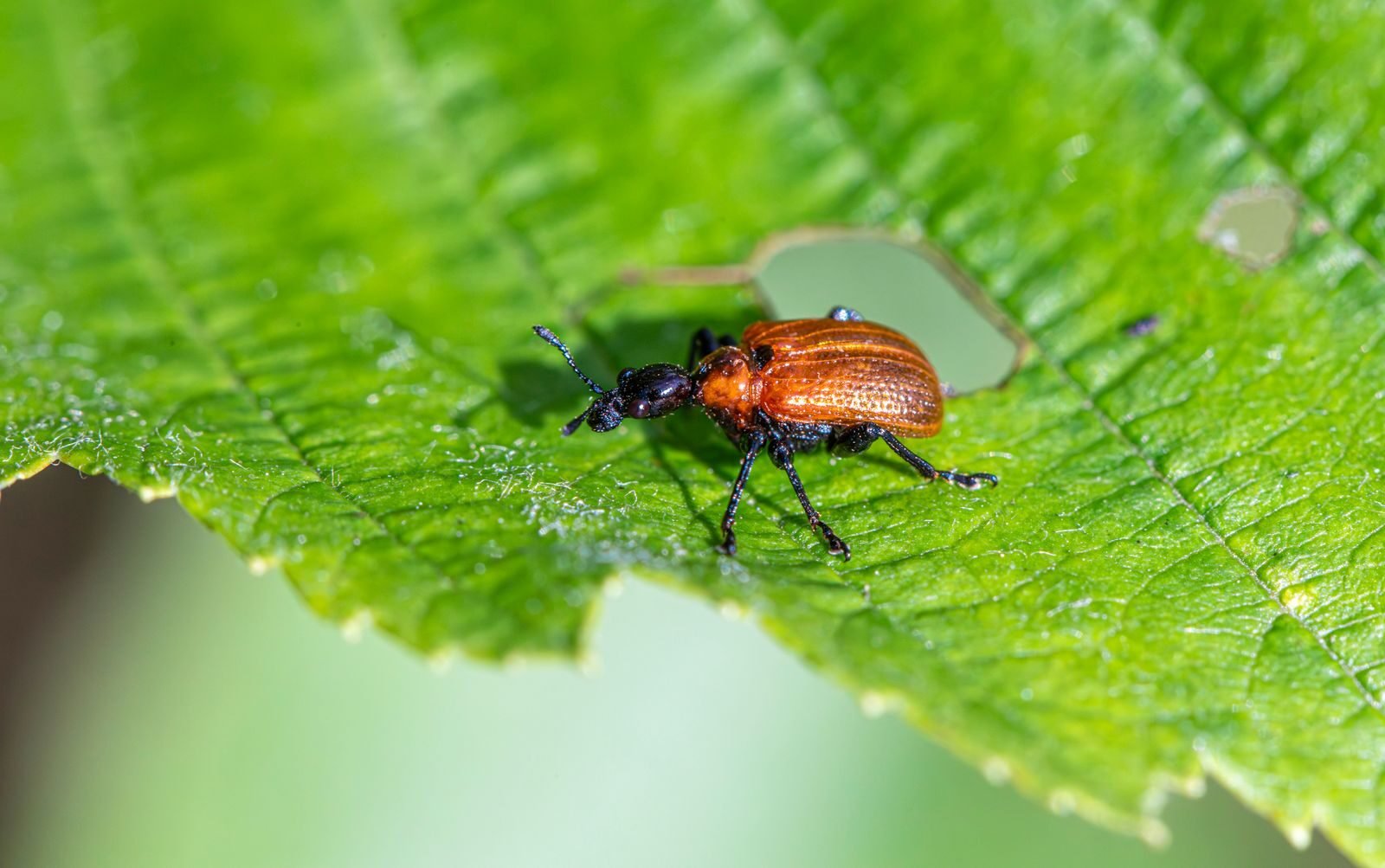
Aphids – sap-sucking insects that cluster on young shoots and leaves, leaving sticky honeydew behind. Usually a nuisance rather than a serious threat.
Bronze birch borer – particularly in stressed or slow-growing trees.
Leaf miners – cause cosmetic damage but rarely affect overall health.
Fungal diseases – including leaf spot and canker, which can appear if soil is overly wet or air circulation is poor.
In my work, I noticed that well-watered, sun-exposed trees were more resilient to pests and diseases than stressed trees, highlighting the importance of environmental care.
8. Environmental Stress Factors
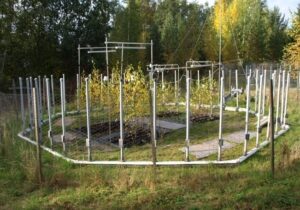
My research focused heavily on environmental effects:
Temperature: Moderate warming improved leaf production and stem growth.
Ozone exposure: Elevated ozone reduced leaf area in some genotypes but did not always affect overall tree height.
Soil moisture: Drought stress significantly slowed growth and reduced leaf size.
For gardeners, the takeaway is clear: birches grow best when environmental conditions are stable and supportive. Protect young trees from extreme heat, prolonged drought, and poor soil drainage.
9. Scientific Insights from My Work
Through hands-on observation, I discovered several insights that gardeners can apply:
– Different birch genotypes respond differently to environmental stress. Some grow taller but with smaller leaves; others maintain broader leaf area but slower height growth.
– Young trees establish faster and show visible growth responses when planted in well-prepared soil with adequate sunlight and water.
– Temperature increases of just 1–2°C can stimulate leaf expansion and stem growth, but extreme heat or drought reverses these benefits.
– Soil health is critical: well-drained, nutrient-rich soil encourages strong root systems, which in turn support above-ground growth.
These insights reflect real, measurable observations from my work, translated into practical advice for home gardeners.
10. Conclusion
Growing birch trees can be incredibly rewarding. Whether you start with young saplings or birch seeds, understanding their environmental needs makes a significant difference in their success.
From my experience, providing adequate sunlight, well-draining soil, and consistent moisture are key factors. Observing the trees’ responses to temperature, water, and air quality provides a deeper connection to your garden and allows you to optimize growth.
Birches are resilient, beautiful, and ecologically valuable. By applying these practical steps, you can enjoy healthy birches in your yard, while also observing firsthand the subtle ways environmental conditions shape their growth, just as I did in my own research.
Frequently Asked Questions
Can I grow birch trees from seeds, or do I need young saplings?
Both are possible. I worked with very young trees, but seeds can be stratified and grown in pots before transplanting.
What type of soil do birch trees prefer?
Well-draining soils, slightly acidic to neutral. Avoid soggy soil to prevent root stress.
How much sunlight do birch trees need?
Full sun, ideally 6–8 hours per day, encourages taller stems and fuller leaf development.
How often should birch trees be watered?
Water deeply once or twice a week, adjusting for rainfall and temperature.
What are common pests or diseases to watch for?
Aphids, birch leaf miners, and the bronze birch borer are the main pests, along with fungal problems like leaf spot and canker. Inspect the leaves and bark regularly, and keep the tree well watered and in full sun, since stressed trees are the most vulnerable.
How does temperature affect birch growth?
Moderate warming boosts growth, but extreme heat may reduce leaf area.
Can environmental stress affect birch trees?
Yes, drought and pollution sources can slow growth and reduce foliage.
Do I need to prune birch trees regularly?
Only lightly. Birches need very little pruning, mainly to remove dead, damaged or crossing branches. Avoid cutting in late winter and early spring, when the sap is rising and the tree bleeds heavily. Midsummer to early autumn is the safer window.
How long does it take for a birch tree to mature?
Fast-growing birches mature in 20–30 years, depending on care and climate.
Can birch trees be grown indoors or in small yards?
Dwarf varieties or young trees can grow temporarily in large pots with adequate light and care.