





This article was written and reviewed by Serge, MSc. I hold degrees in Plant Biology, Environmental Biology and Biogeochemistry, with research experience in plant physiology, ecosystem science, and field-based environmental studies. Every article on this site is grounded in real academic training and genuine scientific research.
Affiliate disclosure: This site has affiliate links, including Amazon. As an Amazon Associate I earn from qualifying purchases, at no extra cost to you.
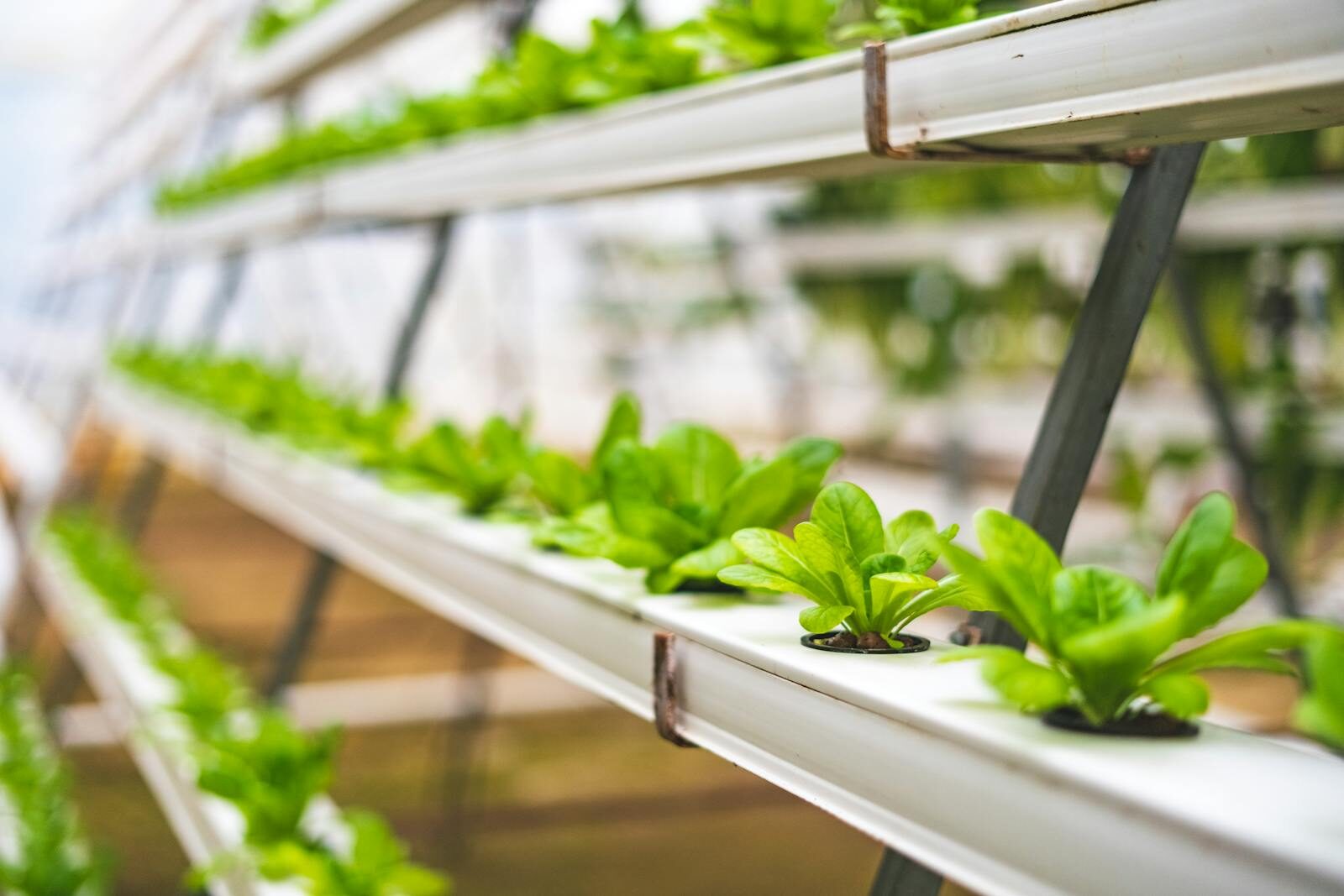
Why do some plants in the same hydro setup thrive while others just… don’t?
It’s a question I get asked a lot.
You think everything is perfect, lights, nutrients, pH, water, but somehow, one plant is tall and lush, and the other looks tired. You might be blaming the nutrient solution or thinking, “Maybe I just got unlucky with this seed.” Most of what makes a plant thrive happens down at the roots. Tiny microbes are busy doing their thing, and that can make a huge difference in growth.
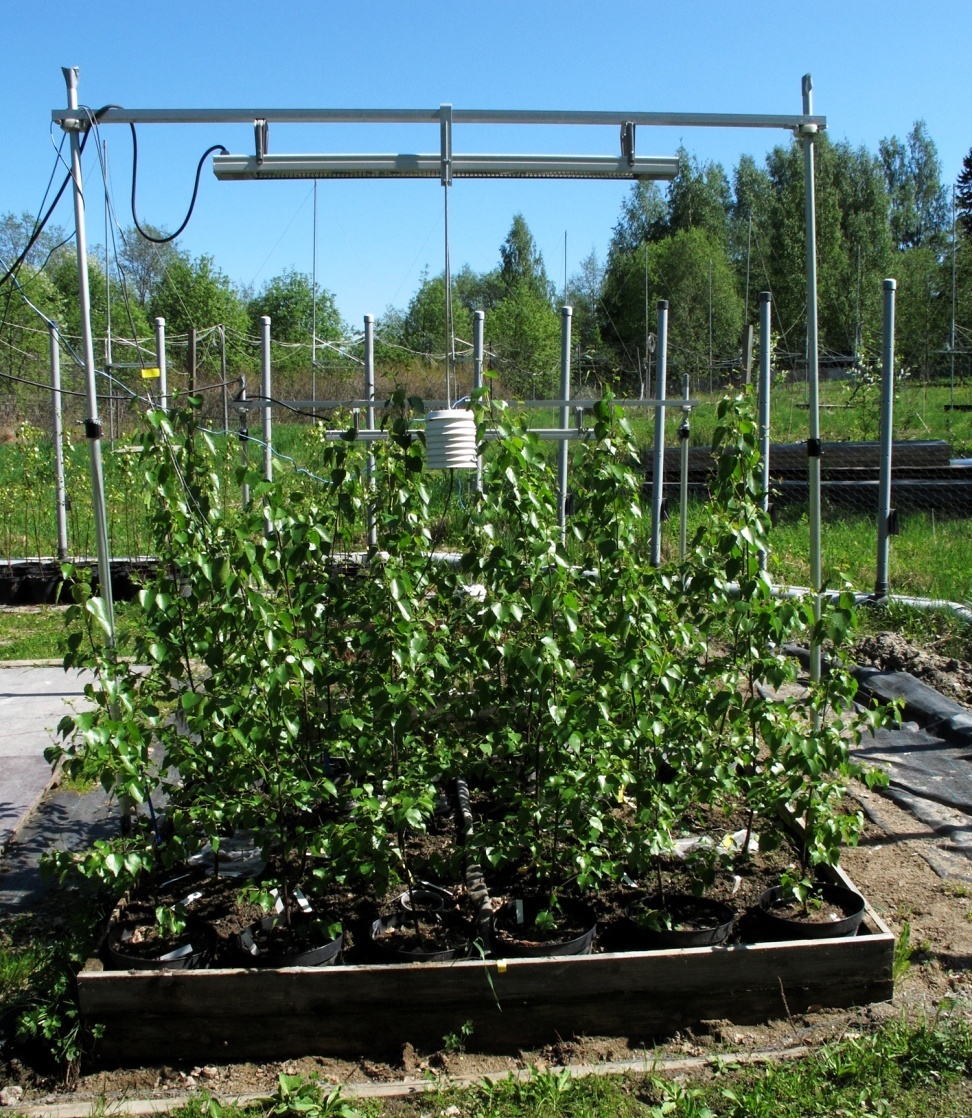
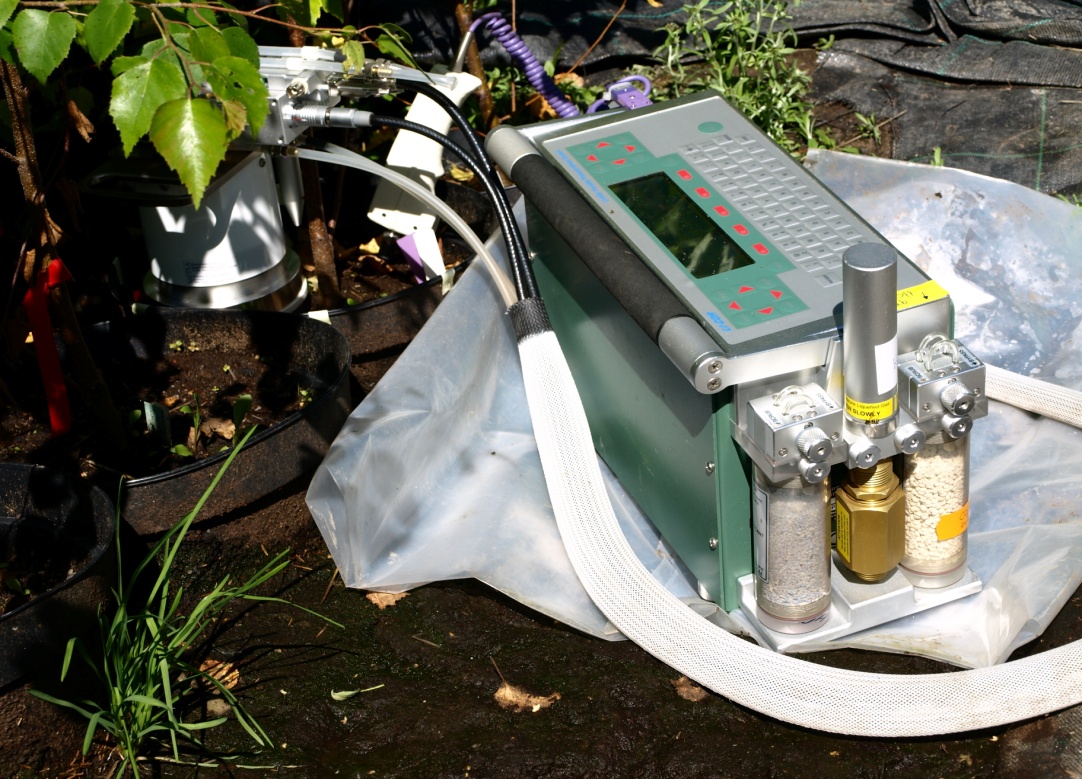
I’ve spent months studying soil, microbes, and root respiration. During my Research work, I did experiments on silver birch trees, checking how small temperature increases affected soil respiration. I was surprised by how much a tiny 0.9°C increase could change things.
The roots started moving more, microbes got more active, and the trees just looked healthier overall. It was crazy to watch how sensitive everything was. And well, the same idea works in hydroponics too.
Microbes Exist Even Without Soil
Hydroponic systems look sterile, right? Clear tubes, pristine tanks, pumps humming, everything neat. You’d think microbes wouldn’t survive. But roots naturally exude sugars, amino acids, and other goodies. Microbes love that. Give them a tiny space, and they start forming communities. Some cling to roots, others float freely.
When I was working with birches, I noticed something interesting. The warmer the soil, the more active the microbial community. Nutrients were being cycled more efficiently, roots were healthier, and the trees responded aboveground with more leaves and longer stems. It was a small change, but you could see it clearly.
In hydroponics, the same thing happens. Microbes around the roots transform nutrients, improve uptake, and sometimes even defend plants against stress.
Temperature Makes a Big Difference
Here’s something I learned firsthand. Microbes are sensitive to temperature. Just like the birch roots, hydroponic roots and their microbial companions respond quickly. Slightly cooler water slows them down. A little warmer, and some species explode while others lag. And that changes the way nutrients move.
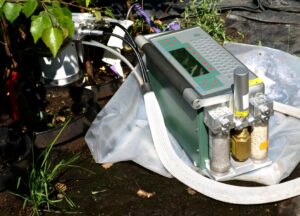
During my experiments, one birch genotype reacted strongly to warming: soil respiration shot up, leaves increased, and growth improved. Another genotype was more unpredictable. That’s the thing, different plants respond differently to tiny temperature changes. Hydroponics mirrors that. Even one or two degrees in the root zone can make a noticeable difference.
And it’s not just heat. Oxygen matters. Microbes, like roots, need it to function. Air stones, gentle water movement, they aren’t just for circulation. They keep microbes alive and happy.
Microbes Make Nutrients Usable
You might be thinking: “I’m already feeding my plants all the nutrients they need. Why do microbes matter?”
Here’s why. Nutrients in water aren’t always in a form roots can absorb. Microbes produce acids and enzymes that convert these nutrients into plant-friendly forms.
I noticed the same thing with the birches. When microbial activity slowed down, the trees barely grew, even though there were plenty of nutrients around. But when microbes were active, the plants took up nutrients quickly and looked much healthier.
Think of microbes like little kitchen helpers around your roots. Nutrients are the ingredients. Microbes prep them. Roots absorb them. And suddenly, plants grow as they should.
Practical Tips to Support Microbes in Hydroponics
-
Keep root temperature steady
-
In my birch experiments, 0.9°C made a noticeable difference. Hydro roots react the same way.
-
-
Aerate water
-
Microbes and roots both need oxygen. Gentle circulation keeps everyone active.
-
-
Add a little organic feed
-
Kelp extract or similar small organic doses help microbes thrive. But don’t overdo it, or you’ll favor unwanted species.
-
-
Watch the plants closely
-
Pale leaves or slow growth can indicate microbial stress, not just nutrient deficiency.
-
-
Adjust gradually
-
Different species, or even varieties, react differently. A slow, careful tweak keeps microbes balanced.
-
Misconceptions About Microbes
-
“Hydroponics is sterile, so microbes don’t matter.” Nope. Microbial communities form naturally around roots, even in clean systems.
-
“More fertilizer equals better growth.” Not really. Too much can harm microbes and reduce nutrient uptake efficiency.
-
“All microbes are bad.” Most aren’t. Many are neutral or helpful. Some even protect plants against harmful organisms.
Temperature and Microbes Work Together
Roots and microbes are like teammates in a tiny ecosystem. Microbes process nutrients, roots release compounds to feed them, and temperature acts as a control knob. In my birch study, warmer soil boosted microbial activity, leading to stronger roots and better nutrient uptake.
Hydroponics isn’t different. Keep the environment steady, support microbial activity, and growth becomes more consistent. Ignore it, and even small changes in temperature or oxygen can lead to uneven growth.
Summary
Tiny shifts in temperature control microbial activity, nutrient uptake, and plant growth. My silver birch experiments showed this clearly, less than one degree made a real difference in soil respiration and above ground growth. Hydroponics mirrors this principle. Microbes quietly determine which plants thrive and which lag behind.
The root zone is a living system, even in hydroponics. Pay attention, keep it balanced, and give microbes what they need, then watch your plants grow stronger and more consistent. Invisible, yes. Important? Absolutely.
FAQs
Q1: Can I ignore microbes if my nutrient solution is perfect?
Nope. Microbes make nutrients accessible and improve uptake efficiency. Without them, plants can lag even in perfect conditions.
Q2: Do tiny temperature changes really matter?
Absolutely. In my birch research, less than a degree change affected soil respiration and nutrient cycling. Hydro roots react in a similar way.
Q3: Can microbes replace missing nutrients?
No. They enhance efficiency, but they can’t supply nutrients that aren’t present.
Q4: Do all plants need the same microbes?
Different species prefer different microbial communities. Leafy greens, herbs, and tomatoes each have their own little preferences.
Q5: How do I keep microbial communities healthy easily?
Stable temperature, gentle aeration, small organic feed, and watch how your plants respond. That’s usually enough.