


This article was written and reviewed by Serge, MSc. I hold degrees in Plant Biology, Environmental Biology and Biogeochemistry, with research experience in plant physiology, ecosystem science, and field-based environmental studies. Every article on this site is grounded in real academic training and genuine scientific research.
Affiliate disclosure: This site has affiliate links, including Amazon. As an Amazon Associate I earn from qualifying purchases, at no extra cost to you.
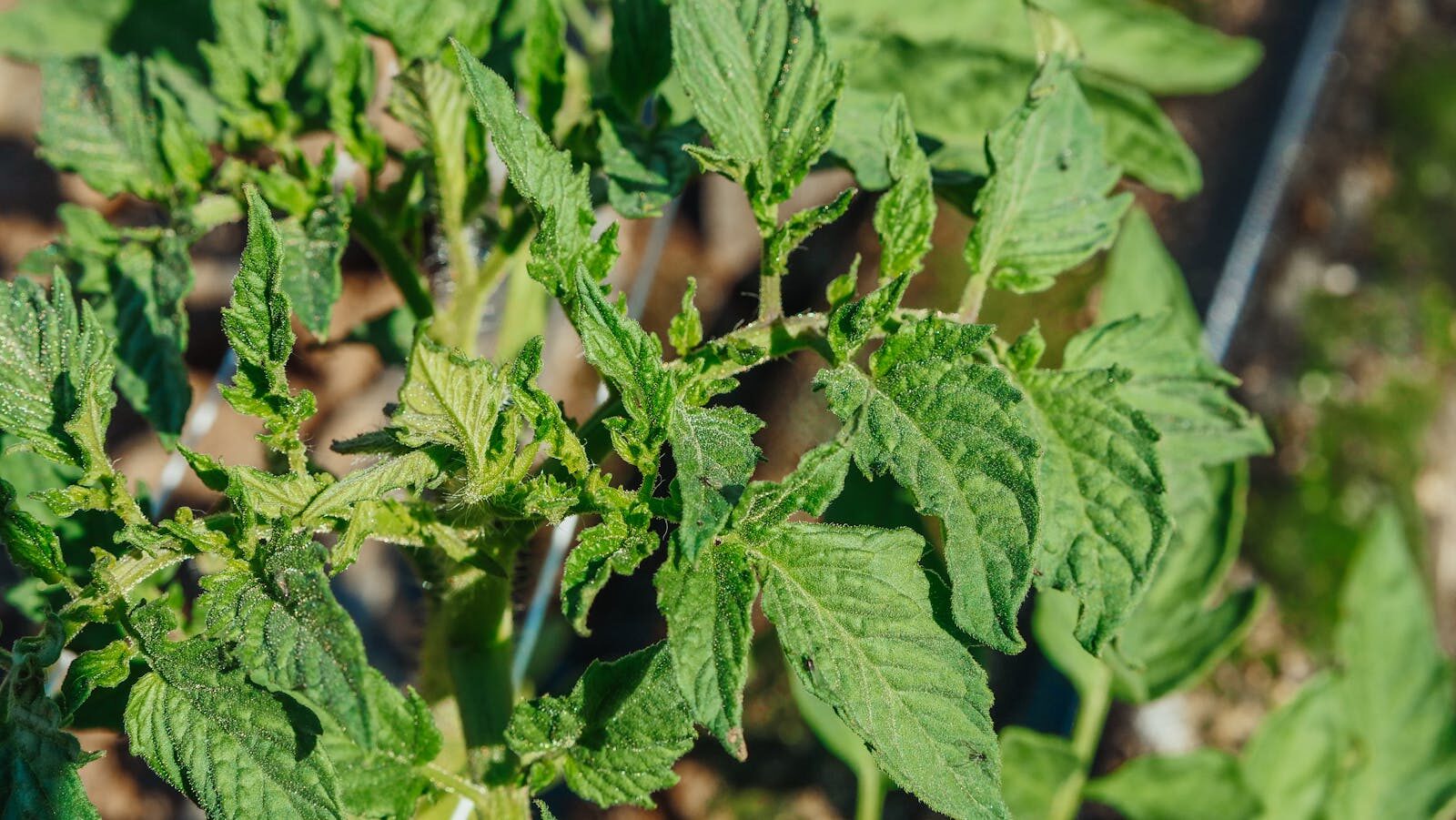
A friend recently asked me, “How can I really tell if my plants are stressed?”
Most people spend their time trying to be the perfect “plant parent.” We buy the best soil, set reminders to water, and panic the moment a leaf looks a little droopy. I used to do exactly the same thing. But over time, I learned something that completely changed how I look at plants: if you truly want to understand how a plant works, you sometimes have to do the opposite. You have to watch it under a little stress.
Plants don’t just grow quietly in the background. They are constantly reacting to their environment, light, heat, humidity and those reactions leave visible clues.
Well, you don’t need a research grant, industrial heaters, or lab equipment to see this for yourself. You can run a miniature “Climate Change Lab” right on your windowsill with just two inexpensive plants and a few household items. By the end of the week, you won’t be guessing why your plants are struggling, you’ll be able to read the language of leaves.
A quick note on where this approach comes from:
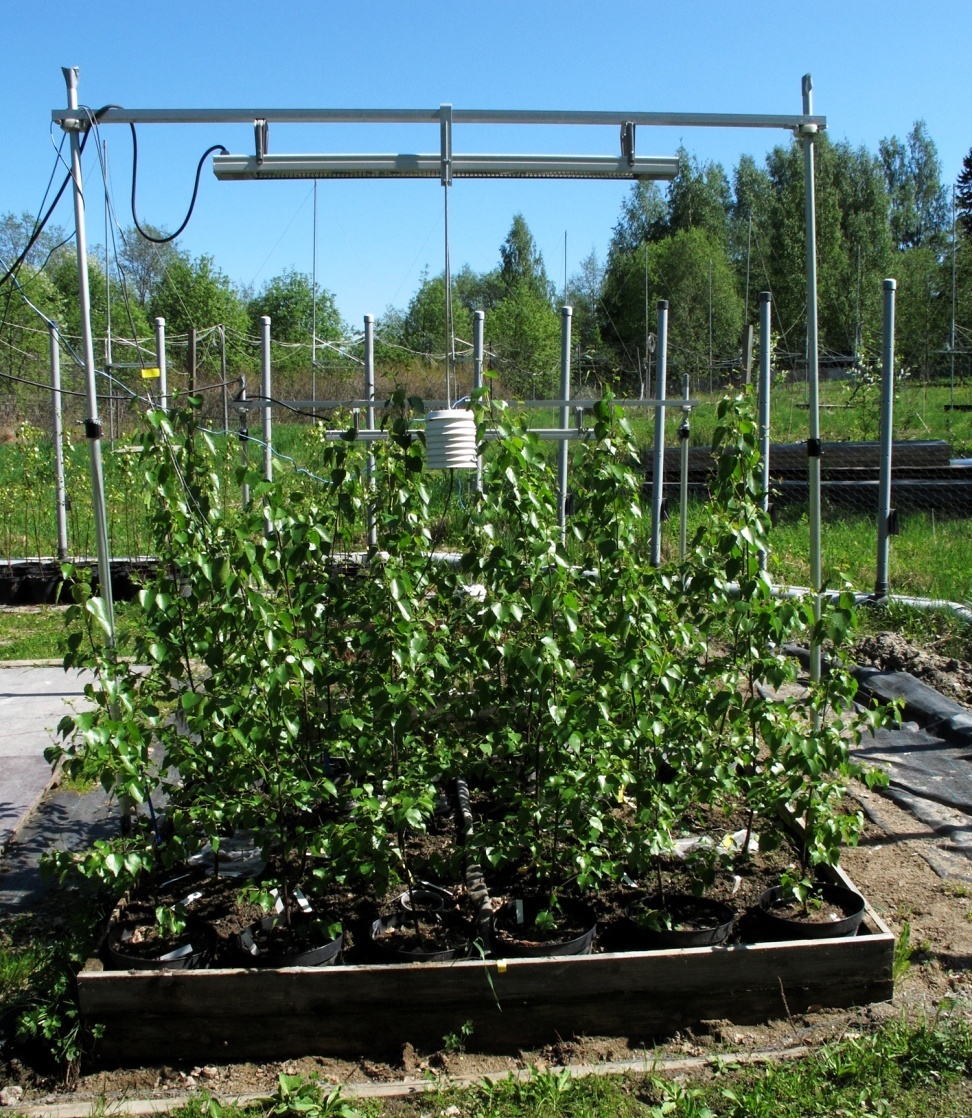
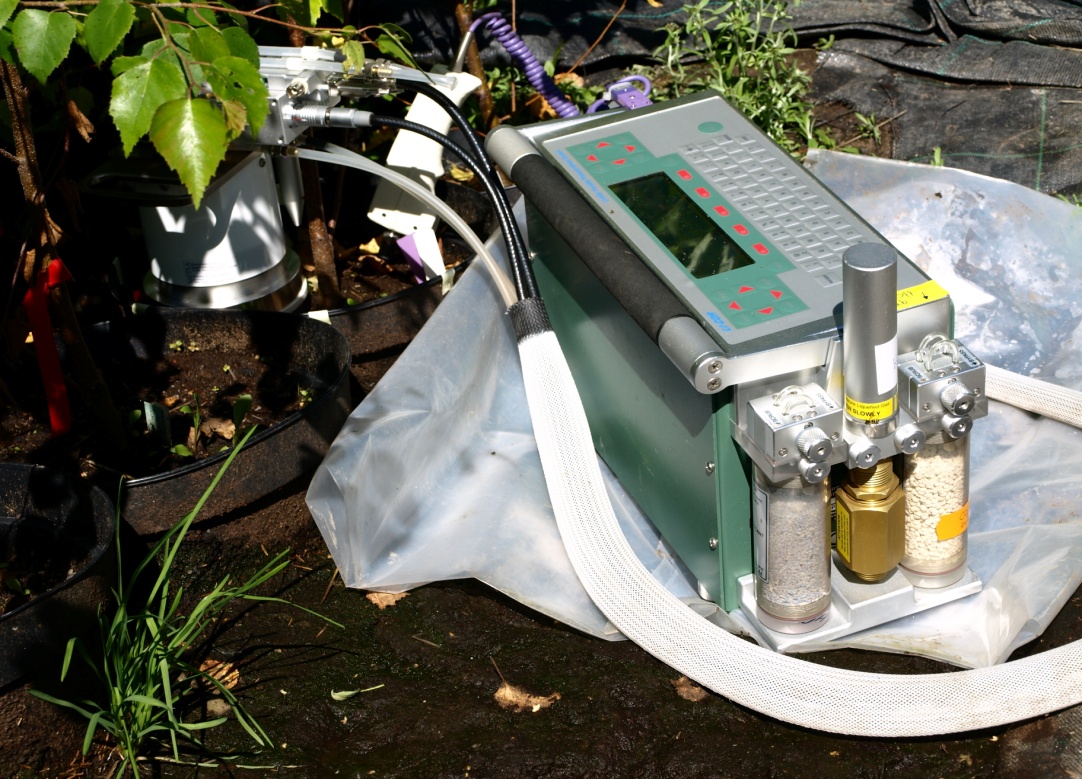
Before simplifying things for home use, I spent months studying plant stress in real field experiments. That work involved open-air exposure systems, ozone fumigation, infrared heaters, continuous climate monitoring, and detailed growth and data analysis across full growing seasons. But the most important takeaway was simple: the stress signals we measured in forests are the same signals plants show in pots.
This guide strips away the complexity and gives you what actually matters, so you can understand plant stress without any lab equipment.
The Core Concept: Control vs. Variable
Every good experiment needs a baseline. If you only have one plant and it starts wilting, you don’t know why. Is it the heat? The light? A random off day?
That’s why this DIY starts with two identical plants.
What you need
-
Two small plants (Basil, Mint, or Marigolds work especially well)
-
Same size pots and the same type of soil
-
A bright window and a few household items
Plant A – The Control
This is your “happy” plant. Keep it in normal conditions: bright light and water when the top inch of soil feels dry.
Plant B – The Variable
This is your test subject. You’ll expose it to one specific stress and compare its response to Plant A.
Step 1: Light Stress “The Search for Light”
Plants don’t just use light to make food. They use it like a map. They are constantly measuring the direction and intensity of light to decide how to grow.
How to test
-
Leave Plant A in its sunny window.
-
Move Plant B into a dim corner, hallway, or cupboard for a few days.
What to watch for
-
The stem grows tall and thin
-
The space between leaves (internodes) gets longer
-
Leaves turn pale yellow-green
What it means
This process is called etiolation. The plant is in emergency mode, burning stored energy to reach for light it thinks is nearby. If your houseplants look tall and floppy, they aren’t thriving, they’re starving for light.
Step 2: Temperature Stress. “The Heat Wave”
Plants handle heat in surprisingly clever ways.
How to test
-
Keep Plant A at normal room temperature.
-
Place Plant B near a heat source, such as a desk lamp with a traditional bulb or directly above a heating vent.
What to watch for
-
Leaf edges start curling inward
Why it happens
Leaves have tiny pores called stomata that control gas exchange and water loss. When it gets too hot, water escapes faster than the roots can replace it. Curling the leaves creates a small pocket of humid air that slows dehydration.
The lesson
Curled leaves aren’t always about watering. Even soaking-wet soil won’t help if the plant is under heat stress and can’t cool itself fast enough.
Step 3: Humidity Stress . “The Jungle Effect”
This is one of the most eye-opening tests because the plant often looks better at first.
How to test
-
Keep Plant A in open room air.
-
Place Plant B inside a clear plastic bag. Don’t seal it completely, eave a small gap so air can circulate while humidity builds up.
What to watch for
-
Leaves become thin, soft, and oversized
-
Growth may speed up
Why it happens
In high humidity, plants don’t worry about losing water. They keep their stomata open and pour energy into expanding leaf area.
The lesson
This explains nursery shock. Plants grown in humid greenhouses look perfect until you bring them home. In dry indoor air, those thin leaves can’t cope, and the plant wilts almost immediately.
Step 4: Observe, Record, and Recover
This is a non-lethal experiment. If Plant B looks like it’s about to collapse or the stem feels mushy, stop the test and return it to Control conditions. The goal is to observe responses, not create casualties.
Can plants recover?
Usually, yes.
-
Heat- or water-stressed plants often perk up within hours.
-
Leggy plants won’t shrink back, but new growth will be thicker once light improves.
-
Different species recover at different speeds. Basil often rebounds faster than Mint—genetics in action.
Step 5: Learning to Read the Signs
After running these tests, patterns become obvious:
-
Stretchy, pale plants: Light stress
-
Curled leaves: Heat stress
-
Thin, oversized leaves: High humidity
Once you recognize these signals, plant care stops being guesswork. Your eyes become your most powerful tool.
Conclusion
Most plant problems become obvious once you know what to look for. Running a simple comparison between two plants makes stress responses easier to recognize.
Changes in leaf size, color, and shape tell you whether the issue is light, temperature, or humidity. Over time, this approach helps you adjust conditions more accurately and with less effort.
This method works for houseplants and other indoor plants, gardens, and larger growing spaces.
FAQ: Practical Questions
How can I simulate stress safely at home?
Introduce stress gradually and observe daily. If the plant looks close to collapse, stop the experiment immediately.
Do all plants respond the same way?
No. Species and genetics matter. Some plants tolerate stress better than others, and recovery speeds vary widely.
How long should I run each test?
A few days to a week is usually enough. Take simple notes on leaf color, size, and posture.
Can this help with outdoor gardening too?
Yes. These same stress signals appear in gardens, just on a larger scale.