


This article was written and reviewed by Serge, MSc. I hold degrees in Plant Biology, Environmental Biology and Biogeochemistry, with research experience in plant physiology, ecosystem science, and field-based environmental studies. Every article on this site is grounded in real academic training and genuine scientific research.
Affiliate disclosure: This site has affiliate links, including Amazon. As an Amazon Associate I earn from qualifying purchases, at no extra cost to you.
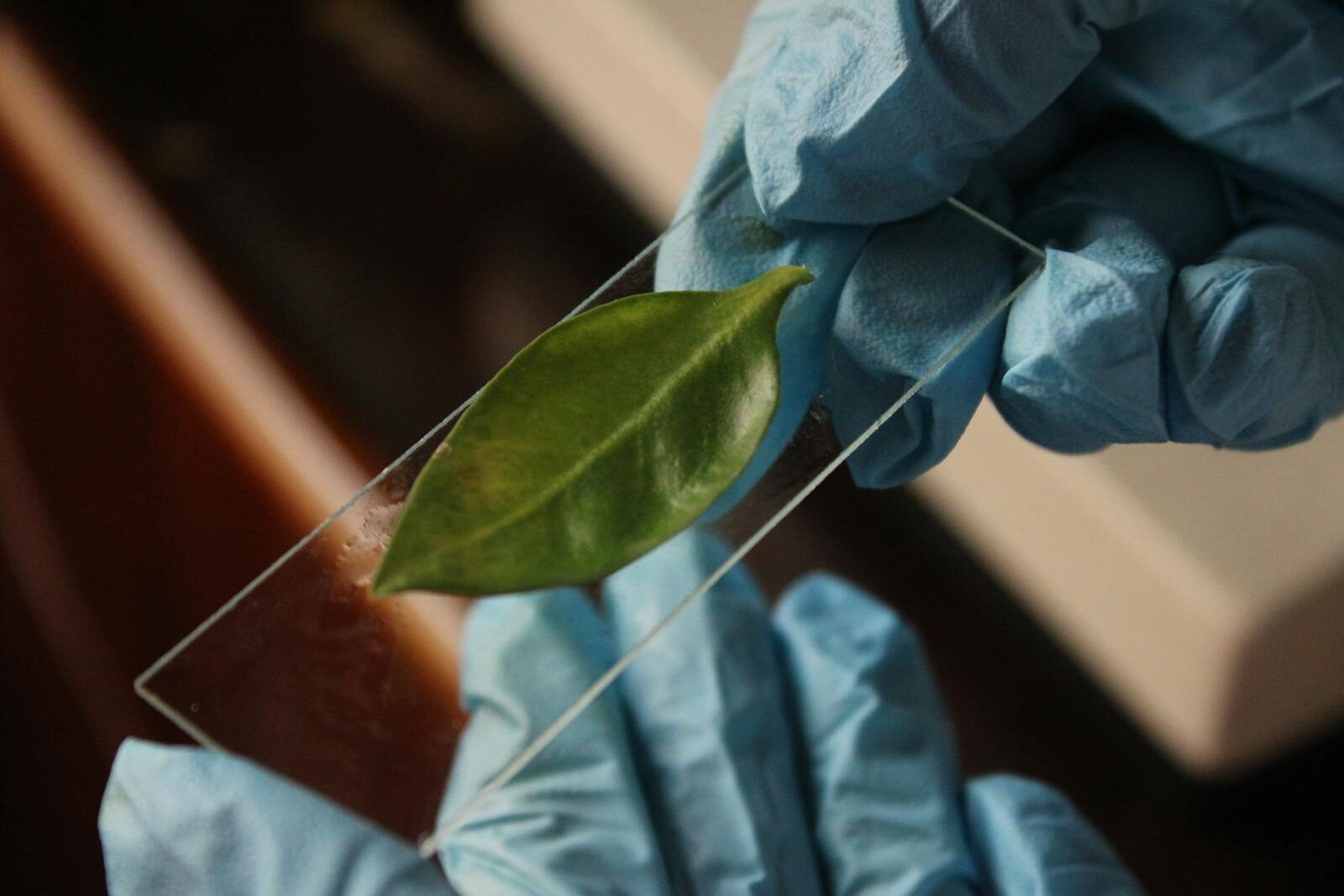
A lot of people see a struggling plant and just guess what’s wrong. In the lab, we don’t guess, we measure. You don’t need a lab coat to use the same approach. Once you know how to track growth and monitor the soil’s nutrients and microbes, you start seeing what’s really happening in a garden.
I’ve spent hours and months going through data and soil samples. Science isn’t about expensive machines. It’s about observing carefully and understanding what’s actually happening. That’s how we figure out how plants handle heat or grow well without just adding more chemicals.
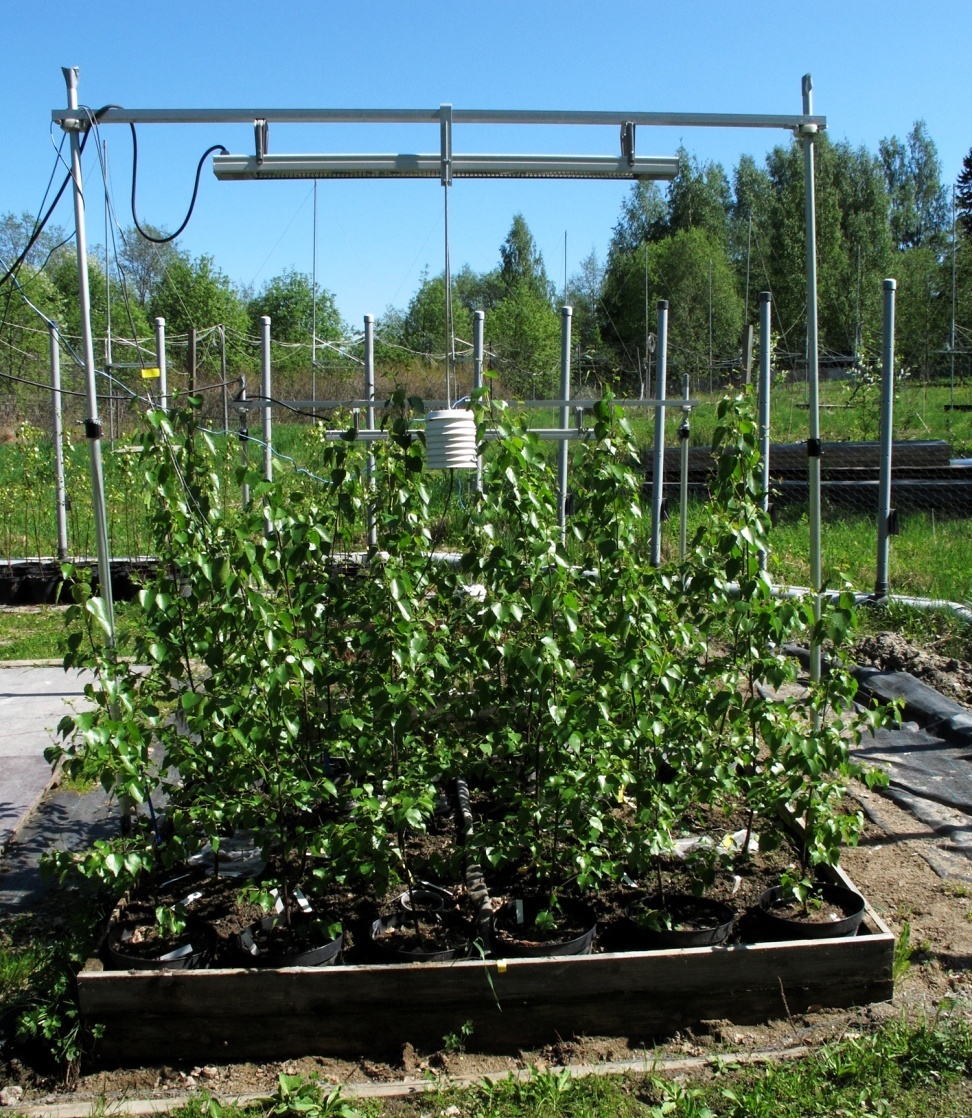
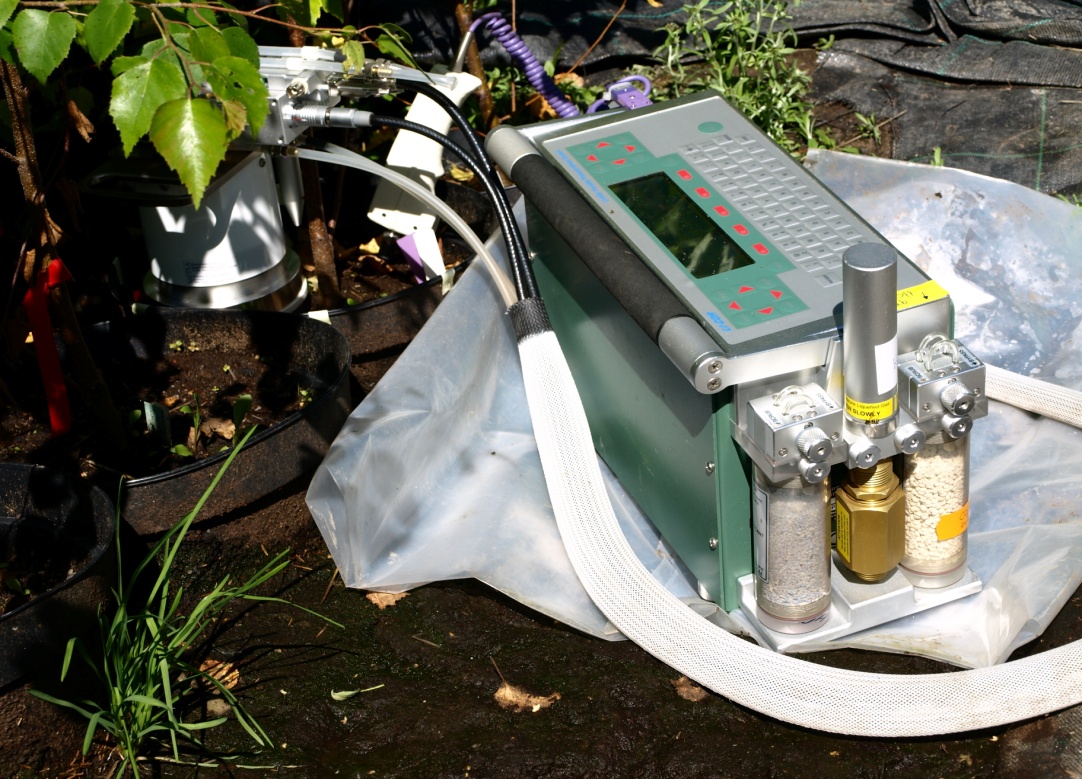
From my own work in both the field and the lab, I’ve studied how silver birch trees respond to warming and ozone. I measured stem growth, leaf development, and soil respiration under controlled temperature and ozone conditions.
The results showed that temperature clearly affected stem and leaf growth, while ozone had only minor effects, and responses differed between genotypes. This hands-on experience shapes how I approach plant growth, soil processes, and practical solutions for healthy crops.
With that foundation, the next step is learning how to observe plant growth scientifically. In a backyard, you might say a plant “looks healthy.” In the lab, that’s not enough. I need to know where the plant is actually putting its energy, whether it’s growing thicker stems or just storing water in its leaves.
1. Observing Plant Growth Scientifically
To understand how a plant is really doing, you have to look beyond how it appears above ground and measure what it’s actually building and using.
Biomass: Why Fresh Weight Can Be Misleading
One of the first things I learned is that “Fresh Weight” isn’t a reliable measure of growth. Fresh weight mostly reflects water, which can change from hour to hour. A plant might lose water and weigh less, but that doesn’t mean it actually got smaller.
To measure real growth, we dry the plant in an oven until all the water is gone. The weight of what’s left is called Dry Biomass. This represents the carbon and minerals the plant actually produced, giving a true picture of its growth.
Measuring Growth Rate
We also measure how fast a plant grows compared to its starting size. This is called Relative Growth Rate (RGR). In my own research, I measured both stem diameter and tree height to track growth accurately.
For precise results, it’s important to use a monocaliper to measure the stem diameter, taking readings both at the base and in the middle of the stem. This gives a better understanding of how the plant is developing over time.
Measuring Leaves
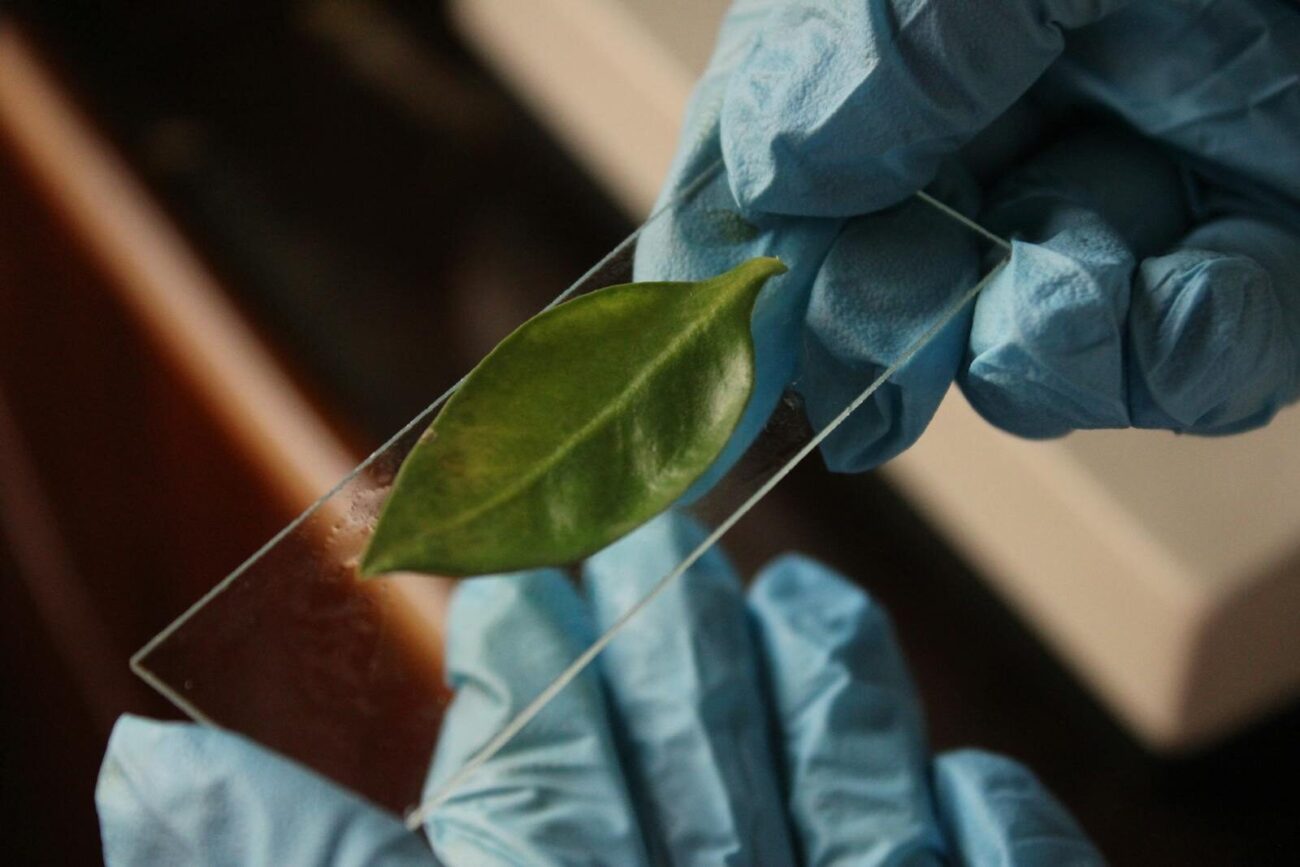
Leaves are where the plant produces food through photosynthesis, so their size matters. We measure the total leaf surface area, not just the number of leaves.
If a plant has large leaves but isn’t increasing in size, it isn’t generating enough energy. If it’s growing taller but the leaves are small, it may be under stress and not developing efficiently. Measuring leaf area this way helps us detect problems early.
2. Sampling Soil, Water, and Nutrients
To understand a plant, it’s important to look at the soil it grows in. This is done by taking small samples and testing them instead of guessing what might be wrong.
What is the plant actually taking up?
Many people think testing soil means testing dirt itself. But plants do not absorb soil particles. They take up water with dissolved minerals. This is called the soil solution.
To test the soil solution, a tool called a lysimeter is used. It is a small tube with a porous tip that is placed into the soil. It collects the water found between soil particles without disturbing the roots. That water is then tested for nutrients such as nitrate and phosphorus. This shows what nutrients are available to the plant at that specific time.
Basic Tools: pH and EC
pH and EC meters are used regularly to understand soil and water conditions.
pH
pH shows whether the soil is acidic or basic. When pH is outside the correct range, nutrients become unavailable to the plant because they change into forms that roots cannot absorb.
EC (Electrical Conductivity)
EC measures the amount of dissolved minerals in the water. If EC is too high, water moves out of the roots, causing stress. If EC is too low, there are not enough nutrients available for normal growth.
Assessing Leaf Stress
A method called chlorophyll fluorescence is used to check how well a leaf is functioning. A short pulse of light is directed at the leaf, and the response is measured.
When a leaf is healthy, most of the light is used for photosynthesis. When the leaf is under stress, it cannot use the light efficiently, and some of it is released as a weak signal. This signal is not visible to the eye but can be detected by the instrument.
This method allows stress to be identified early, before visible symptoms such as yellowing or leaf damage appear.
3. Tracking the Invisible: Microbes
Soil contains many microorganisms that are not visible to the eye. Special methods are used to measure and study their activity.
Measuring Microbial Biomass
Microorganisms are too small to weigh directly, so indirect methods are used. One common method is fumigation. Two soil samples are taken. In one sample, the microbes are killed, while the other sample is left untreated. The carbon released from the killed microbes is then measured. By comparing the two samples, the amount of microbial biomass in the soil can be estimated. Higher values indicate greater microbial presence.
Estimating Microbial Numbers
Microbes can also be counted by growing them. A small amount of soil is mixed with water and placed on a petri dish containing agar. After several days, visible colonies form. Each colony represents a Colony Forming Unit (CFU). Counting CFUs provides an estimate of the number of viable microbes in the soil and allows changes in microbial populations to be tracked over time.
Measuring Microbial Activity
In some cases, microbial activity is more important than microbial numbers. This can be assessed by measuring enzymes such as phosphatase.
Phosphatase is released by microbes to convert organic phosphorus into forms that plants can absorb. Higher enzyme activity indicates active nutrient cycling in the soil.
4. What the Data Shows
Collecting measurements is straightforward. Interpreting them is where the real analysis begins. In plant research, data are used to identify the limiting factor, the single condition that is restricting growth.
For statistical analysis, SPSS Software is one of my preferred tools, as it allows clear comparison of treatments and detection of meaningful patterns in complex datasets.
Identifying the Limiting Factor
Plant growth depends on many inputs, such as light, water, temperature, and nutrients. Even if most conditions are optimal, growth will slow or stop if one essential factor is lacking.
Statistical analysis helps identify which factor is limiting growth, allowing attention to be focused on the real constraint rather than adjusting variables that are already sufficient.
Root-to-Shoot Ratio
Another important indicator is the root-to-shoot ratio, which compares root mass to above-ground mass. A higher root-to-shoot ratio suggests that the plant is allocating more resources below ground, often in response to limited water or nutrient availability.
A lower root-to-shoot ratio indicates greater investment in above-ground growth, which usually occurs when water and nutrients are readily available.
This ratio helps explain how plants adjust their growth strategy under different environmental conditions.
Technical Methodology Breakdown
| Parameter | Laboratory Method | Why It Matters |
| Real Growth | Dry Biomass (Oven-dried) | Removes water weight “noise” to show actual carbon capture. |
| Stress Level | Chlorophyll Fluorescence | Detects metabolic struggle before leaves turn yellow. |
| Microbial Health | Fumigation-Extraction | Measures the literal carbon stored in the soil’s living “bio-engine.” |
| Nutrient Access | Lysimeter Sampling | Shows what is actually in the “Soil Solution” vs. what is locked in clay. |
FAQs
Q: What lab techniques are essential for understanding plant health?
I always start with pH and EC. If those are wrong, nothing else you do will work. After that, look at the leaf area. It tells you if the plant’s “engine” is actually running.
Q: How can I safely observe microbes in soil or water?
Try a “Baiting” test. Put something organic, like a piece of bread or a cotton string, in the soil for a few days. The types of mold and colors that grow on it tell you a lot about the life in your soil. Just keep it away from your kitchen and wash your hands!
Q: How do scientists measure plant growth and nutrient uptake?
We weigh the plant over time to see the physical change. To see what it actually “ate,” we sometimes burn a leaf in a high-heat furnace and look at the ash. The minerals in that ash tell us exactly what the plant pulled from the soil.
My final take on this
I’ve learned that science isn’t just for labs or experts. Anyone who wants to understand plants can use it. When you stop guessing and start using measurements, it becomes much easier to make good decisions.
You start to understand what affects plant growth. The soil supplies water and nutrients, and factors like temperature and moisture can be measured and adjusted. Using simple scientific methods helps you respond to real problems instead of guessing what the plant might need.