

This article was written and reviewed by Serge, MSc. I hold degrees in Plant Biology, Environmental Biology and Biogeochemistry, with research experience in plant physiology, ecosystem science, and field-based environmental studies. Every article on this site is grounded in real academic training and genuine scientific research.
Affiliate disclosure: This site has affiliate links, including Amazon. As an Amazon Associate I earn from qualifying purchases, at no extra cost to you.
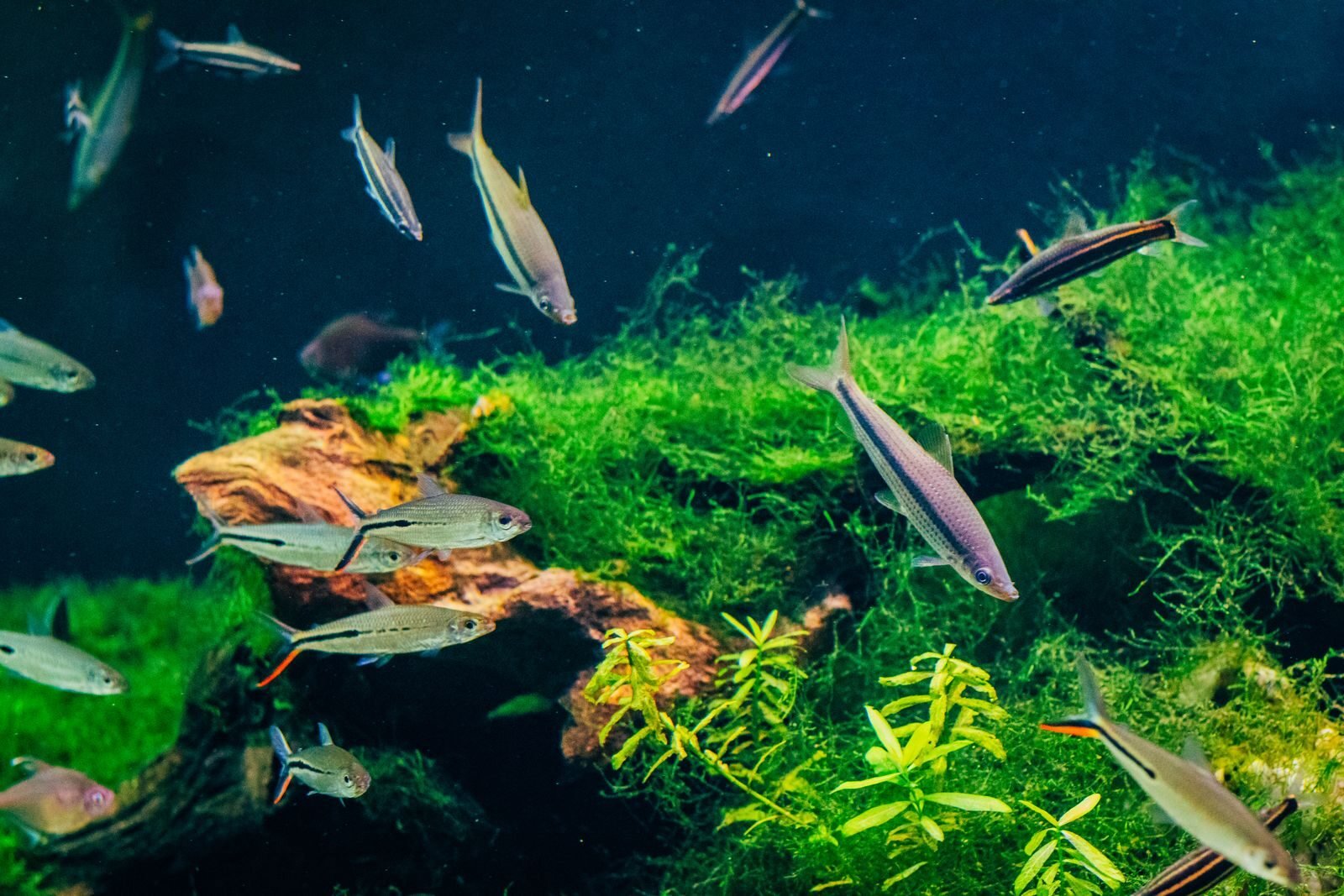
I have noticed that when people look at a beautiful aquarium, their eyes go first to the bright red shrimp or the green plants moving in the water. It is normal to notice moving things. But for a tank that can take care of itself, the important part is at the bottom. You need to look at the soil.
The soil in a self-sustaining aquarium does more than just hold plants. It stores energy, breaks down waste, and supports most of the life in the tank. When the soil is healthy, the tank stays balanced and is easier to care for. If the soil is not healthy, the water can get cloudy or dirty.
Why Plain Gravel Doesn’t Work
Many beginners start their first tank with bright blue gravel or smooth plastic beads. It looks clean and is easy to wash. The problem is that this gravel is “dead.” It does not help the plants or the tank’s ecosystem.
In a natural pond or slow stream, the bottom is not clean rocks. It is a thick layer of mud, old leaves, and minerals. This layer provides nutrients for plants and microorganisms.
When you use plain gravel, plants cannot get the nutrients they need. This means you must add liquid fertilizers. But plants cannot use all the fertilizer at once. The extra chemicals stay in the water and feed algae.
Using nutrient-rich soil under the plants avoids this problem. The nutrients stay in the soil, not the water, so plants grow better and algae stays under control.
How to Build a Healthy Soil Layer in a Self-Sustaining Aquarium
The type of soil in an aquarium affects plant growth, water quality, and how well the ecosystem works. A self-sustaining aquarium works best when the soil has two main layers.
Bottom Layer: Organic Soil
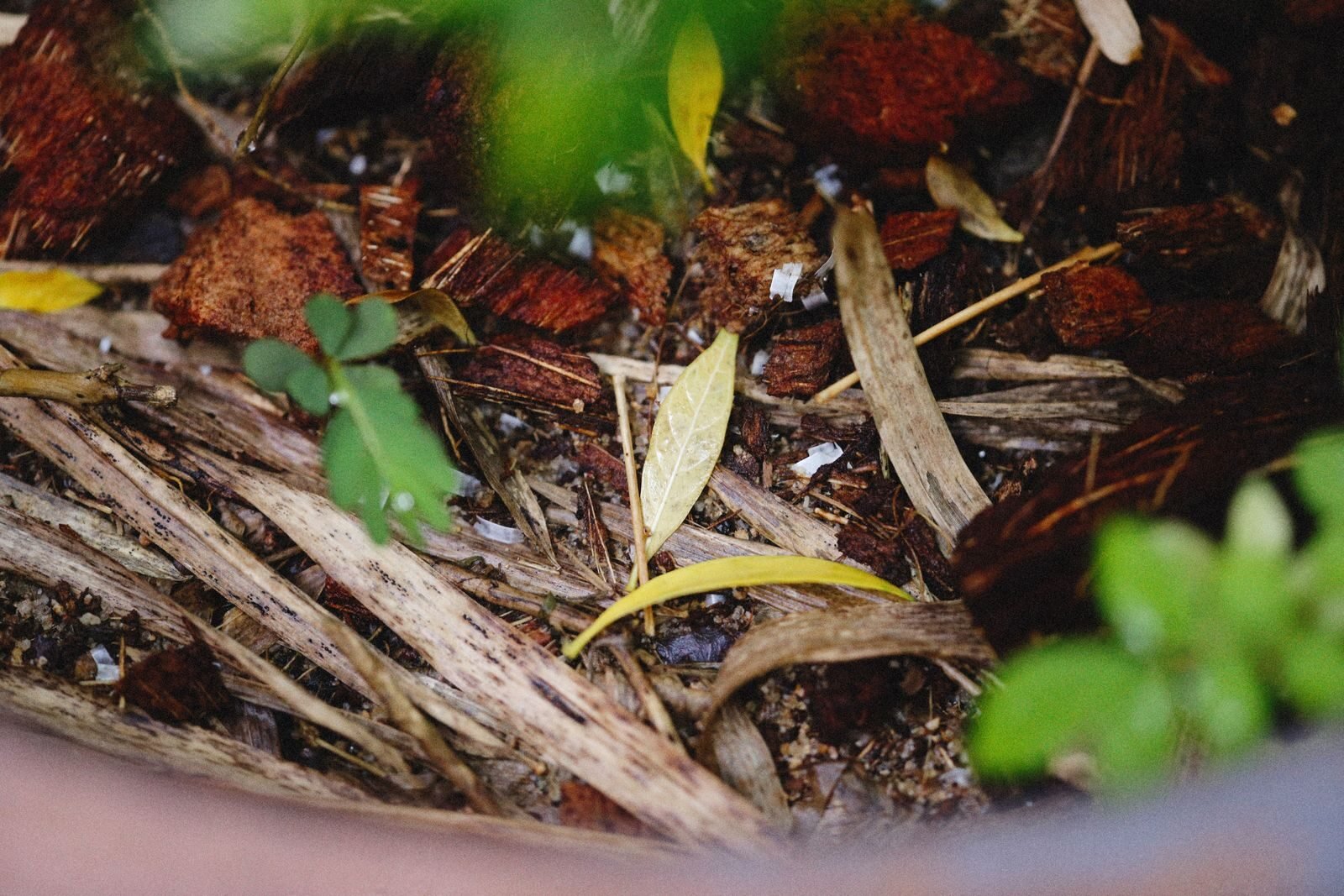
The bottom of the tank should have about one inch of organic soil. This soil contains nutrients like iron, carbon, and minerals that plants need for strong roots. Substrate, like soil, affects water chemistry, nutrient levels, and the balance of microorganisms in the tank, all of which help plants grow and stay healthy.
For example, tanks with sand or gravel showed changes in pH, nitrate levels, and bacterial presence, showing that the material at the bottom can influence the whole aquarium ecosystem (Vanderzwalmen et al., 2022).
Top Layer: Sand or Fine Gravel
Cover the soil with one or two inches of sand or very fine gravel. This layer helps keep the soil in place and prevents water from becoming cloudy, while still allowing plant roots to access nutrients in the underlying soil.
In addition, the substrate provides a habitat for beneficial microbial communities that break down fish waste and maintain water quality.
My own background is in biogeochemistry, how carbon and nutrients cycle through soils, and my research looked at the below-ground side of that, where roots hand carbon over to soil microbes.
That is the lens I bring to a tank: an aquarium substrate is a small biogeochemical system, and the microbes living in it drive the same breakdown and nutrient cycling you would find under a forest floor. It is why a seasoned substrate behaves so differently from freshly washed gravel, which has no living community yet.
Studies of aquarium microbial succession show that substrate additions (such as sand or sediment) can shift microbial communities toward taxa that support nutrient cycling and a stable tank environment (Bik et al., 2019).
How Waste Feeds the Soil
In a normal tank, fish waste is removed with a vacuum. In a self-sustaining aquarium, this waste becomes part of the nutrient cycle. Small animals like shrimp and snails eat the waste and break it into tiny pieces. These pieces fall into the soil, where microbes turn them into nutrients that plants can use.
Nutrient-rich substrate reduces algae growth and improves water clarity because the nutrients stay in the soil instead of floating in the water.
How Soil Supports Plants and Water Quality
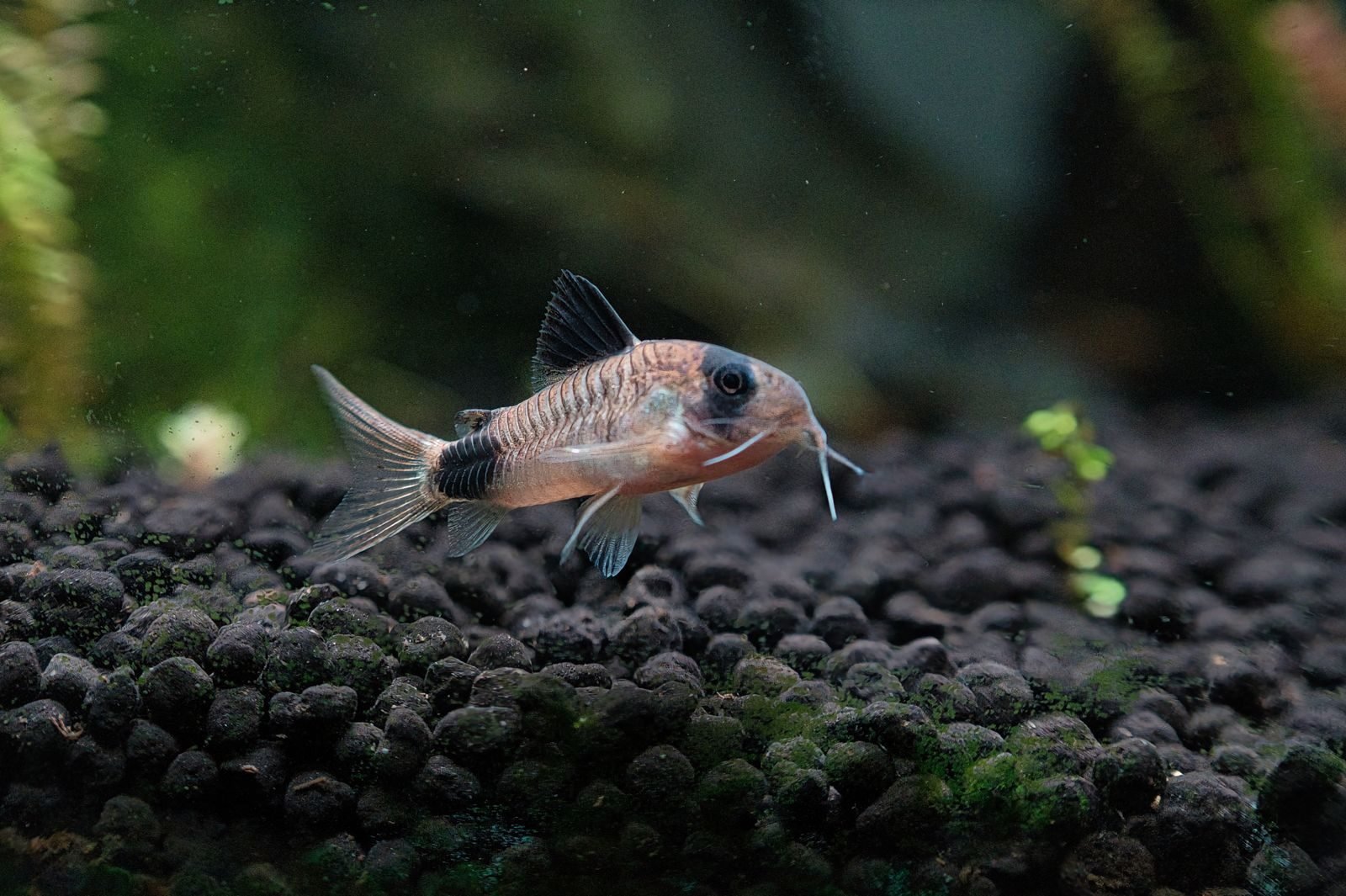
Aquarium soil plays a central role in maintaining a healthy tank. Deep layers of soil often have low-oxygen zones, where specialized bacteria convert harmful nitrogen compounds, such as ammonium (NH4⁺) and nitrate (NO3⁻), into harmless nitrogen gas (N2), which naturally leaves the system (Edwards et al., 2023).
This microbial nitrogen cycling helps stabilize water quality, reducing toxic buildup and minimizing the need for frequent water changes.
At the same time, healthy soil provides essential nutrients directly to plant roots, allowing plants like Amazon Swords or Pearlweed to grow thick and robust without relying on liquid fertilizers.
Because most nutrients are absorbed by plants rather than remaining in the water, algae have less food, keeping the water clear and supporting a balanced ecosystem.
In essence, a deep, nutrient-rich substrate acts as both a natural filter and a fertilizer, promoting strong plant growth and stable water chemistry simultaneously.
Conclusion
In a self-sustaining aquarium, the fish, shrimp, and plants you see at the surface are only part of the system. The real work happens at the bottom. The soil is what feeds the plants, supports helpful bacteria, and keeps the water stable. When the substrate is rich in nutrients, it helps break down waste, reduces algae, and keeps the water clear.
Choosing the right soil and layering it properly allows the tank to balance itself. Fish waste becomes plant food, and the system needs much less hands-on care.
In the end, a healthy soil layer is the foundation of a successful aquarium. It’s more than just dirt, it’s what keeps plants growing, water clean, and the whole tank working together.
Soil & Substrate FAQs
Q: Can I just use dirt from my garden?
You can, but you have to be careful. Garden soil often has pesticides or too much “fresh” wood that hasn’t rotted yet. It’s much safer to use a cheap bag of “Organic Potting Mix.” Just make sure it doesn’t have those little white foam balls (perlite) in it, because those will float to the top and look like a mess!
Q: Does the soil ever “run out” of energy?
Eventually, the “fresh” minerals in the soil will get used up, but the battery stays charged because of the fish and shrimp. Every time you feed your fish, you are adding new energy into the loop.
As long as you have a healthy “Clean-Up Crew” to move that waste into the soil, the battery can stay charged for many years.
Q: Won’t the soil make the water brown?
Only if your “cap” is too thin. If you use an inch of sand on top of the soil, the water will stay clear. Just be careful when you are pouring the water in for the first time, use a small plate to break the flow so you don’t blast a hole in the sand!
Q: Do I need to “vacuum” the sand?
No! That’s the best part. In a self-sustaining system, we want that organic matter to stay in the tank. If you see a lot of “dust” on the surface, just add more shrimp. They will break it down so it can sink into the soil and feed the plants.
Q: Why is my soil making bubbles?
If the tank is new, it’s usually just air getting pushed out as the soil gets wet. If the tank is old and the bubbles smell bad, your soil might be too packed down. That’s when you need more Malaysian Trumpet Snails to help the soil “breathe” again.
Q: Can I use soil in a tank with big fish?
It’s tough. Big fish like Goldfish or Cichlids love to dig. They will rip up the sand cap and turn your tank into a mud pit. These soil systems work best with “micro-fish” like Rasboras or Endlers, and plenty of shrimp.