

This article was written and reviewed by Serge, MSc. I hold degrees in Plant Biology, Environmental Biology and Biogeochemistry, with research experience in plant physiology, ecosystem science, and field-based environmental studies. Every article on this site is grounded in real academic training and genuine scientific research.
Affiliate disclosure: This site has affiliate links, including Amazon. As an Amazon Associate I earn from qualifying purchases, at no extra cost to you.
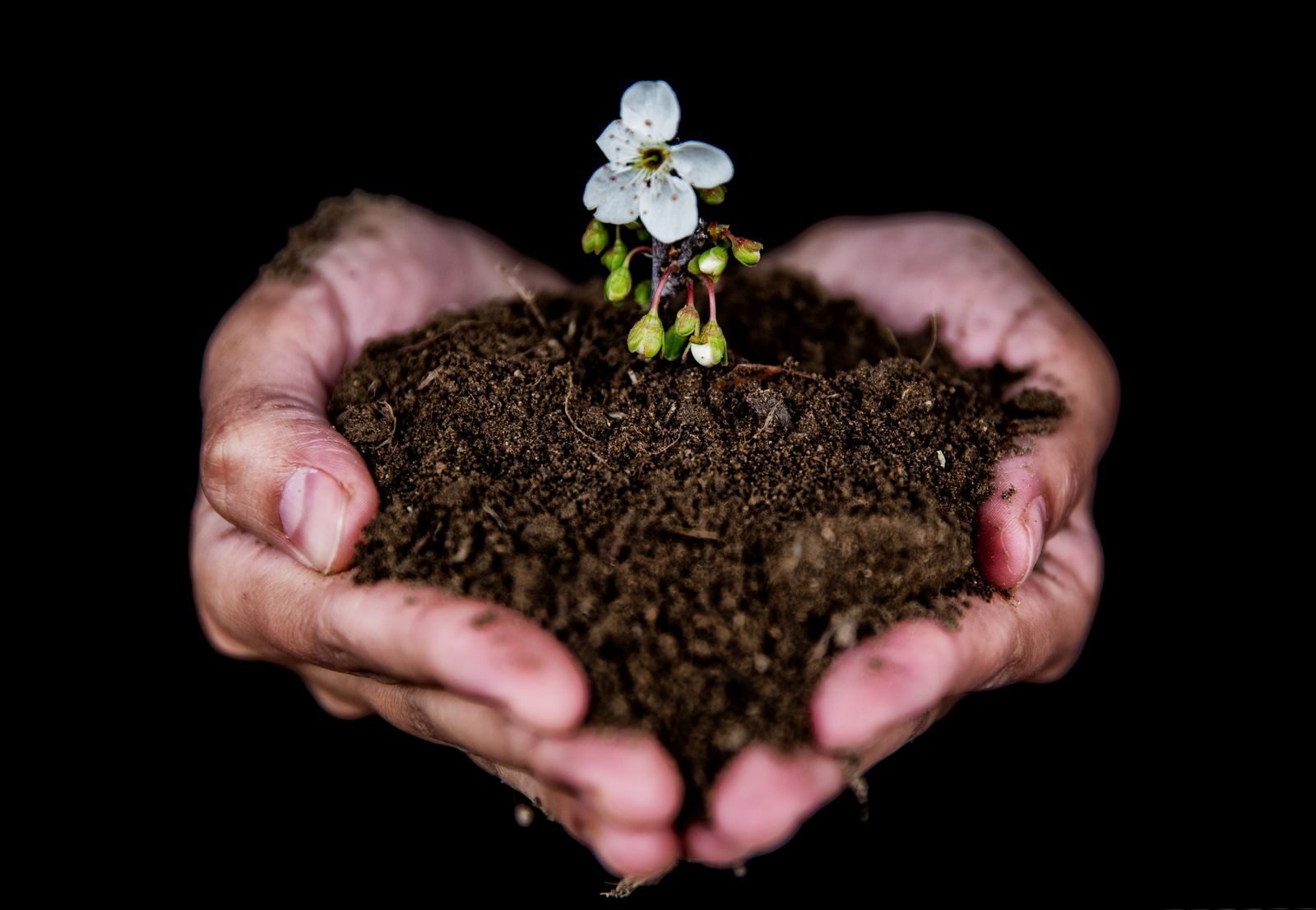
Most people treat soil as a backdrop, just the stuff plants sit in.
Years spent studying how carbon and nutrients move through soil changed how I look at it: the top few inches are the most biologically active part of the whole system, and that thin layer is where the real differences between one soil and another show up.
That difference matters the moment you start gardening. Two bags both labeled “soil” can behave completely differently.
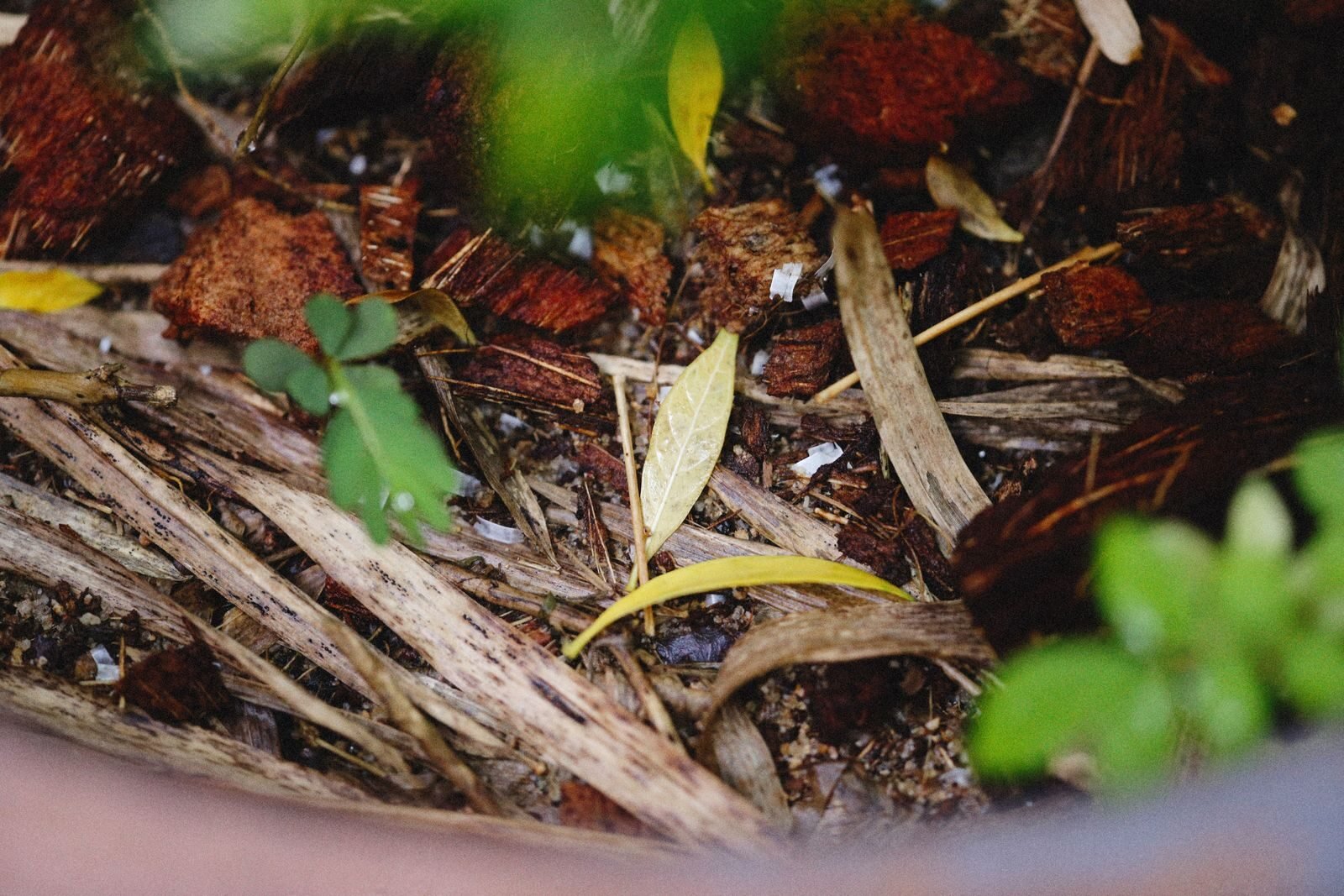
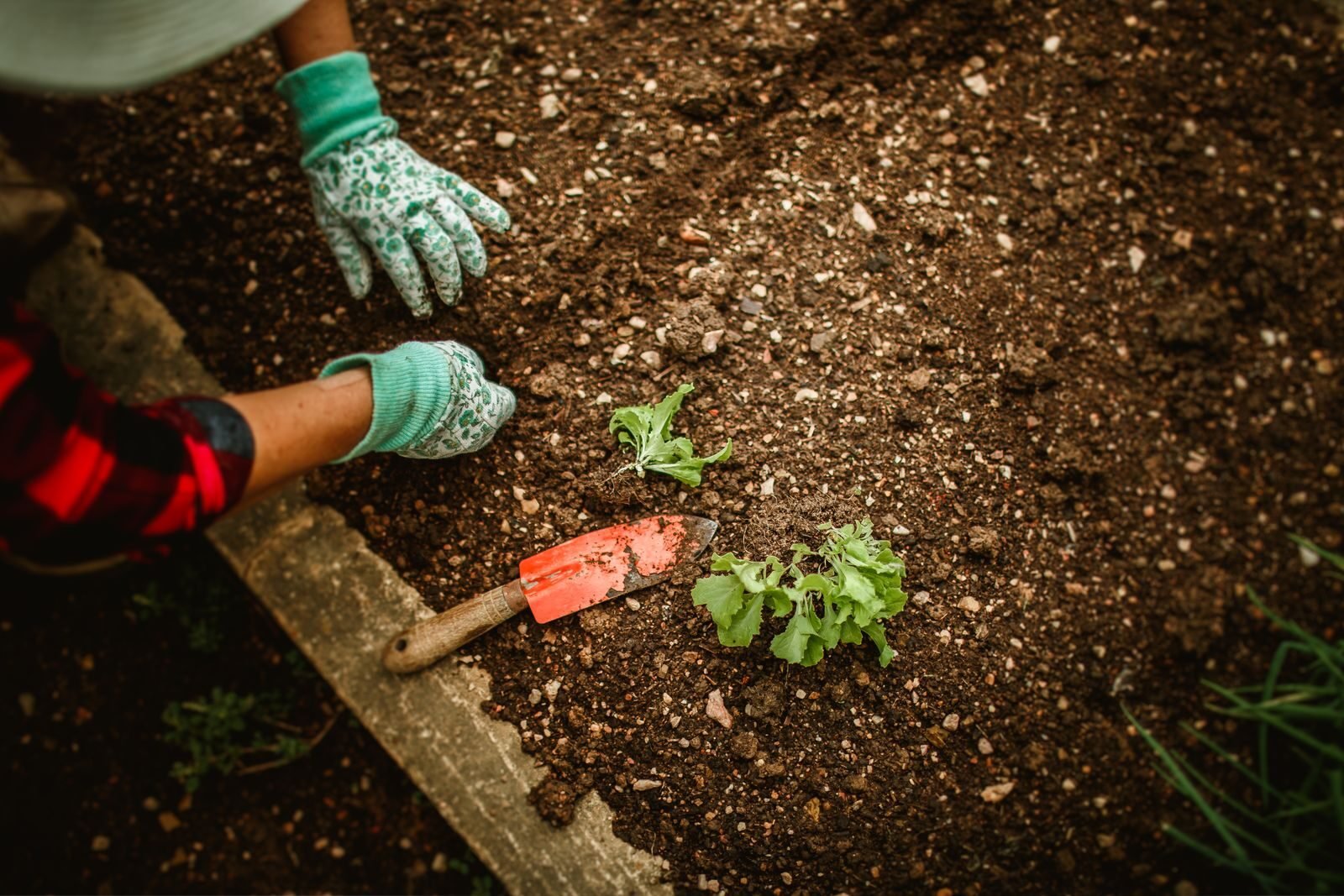
One is dark and crumbly, holding moisture while still draining freely, the kind of structure you also want when you fill raised beds or containers.
Another is heavy and compacted, leaving roots short of oxygen. Which raises a practical question:
How do topsoil and garden soil differ, and how do these differences influence plant growth, root development, and soil life?
Defining Topsoil and Garden Soil
Understanding the distinction between topsoil and garden soil requires examining their composition, formation, and intended use.
Topsoil
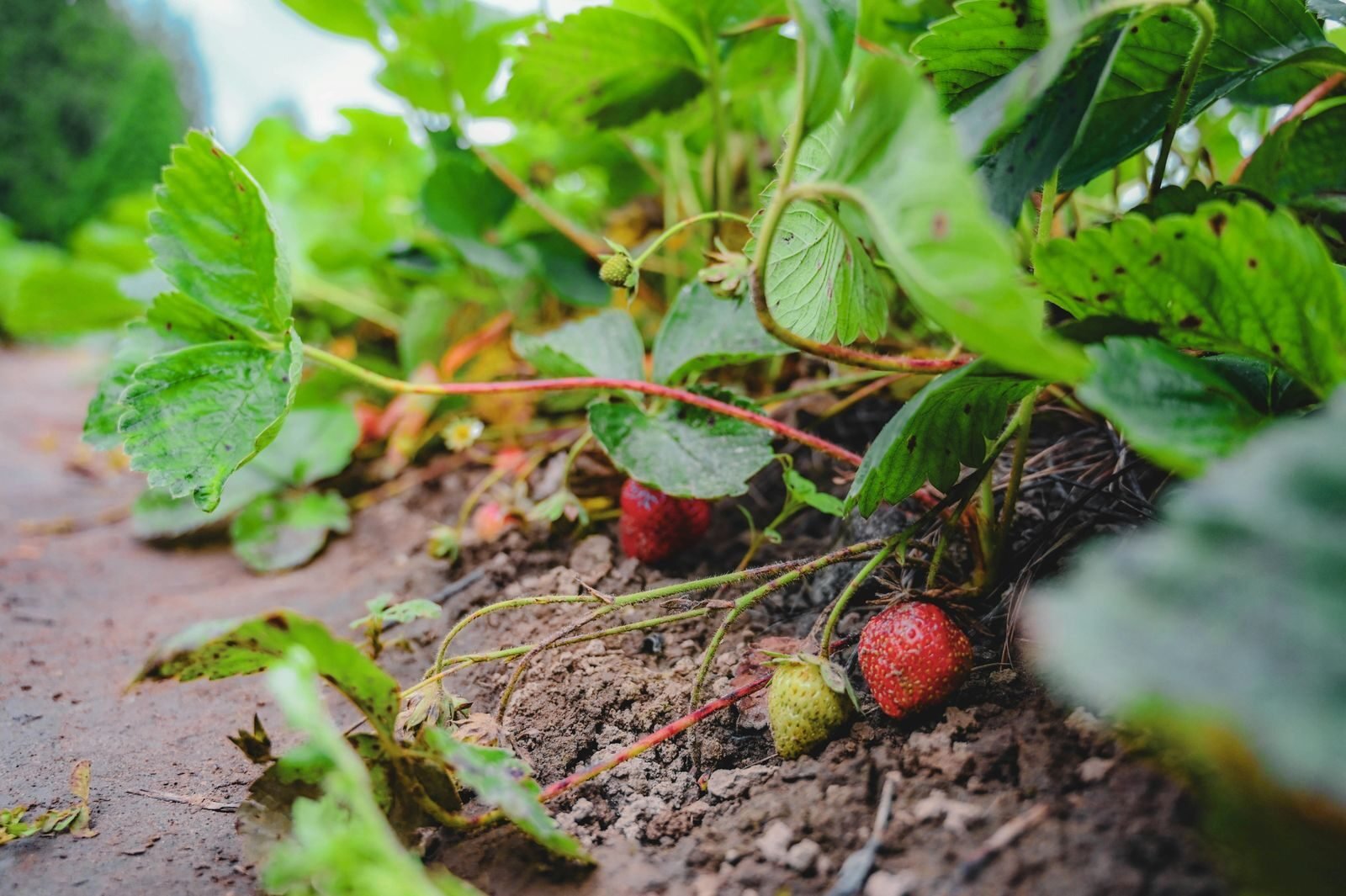
Topsoil is the uppermost layer of natural soil, typically extending five to ten inches below the ground surface. It is the most fertile part of the soil profile, containing a high concentration of organic matter, essential minerals, and a diverse community of microorganisms.
This layer forms naturally over long periods through the gradual breakdown of rocks and the decomposition of plant material, such as leaves and stems. As plants and organic matter decay, they release nutrients into the soil, enriching it and creating a dynamic environment for plant growth.
The properties of topsoil can vary widely depending on local conditions, including geology, climate, and vegetation. Some topsoil is sandy, which allows water to drain quickly but holds fewer nutrients.
Other topsoil may be heavy and clay-rich, retaining water and minerals but restricting root expansion. Loamy topsoil, with a balanced mixture of sand, silt, and clay, provides an optimal environment for a wide variety of plants.
Beyond its nutrient content, topsoil is a living ecosystem. It supports countless microorganisms, such as bacteria and fungi, as well as soil-dwelling animals like earthworms and insects. These organisms decompose organic matter, recycle nutrients, and maintain soil structure, all of which are essential for healthy plant growth.
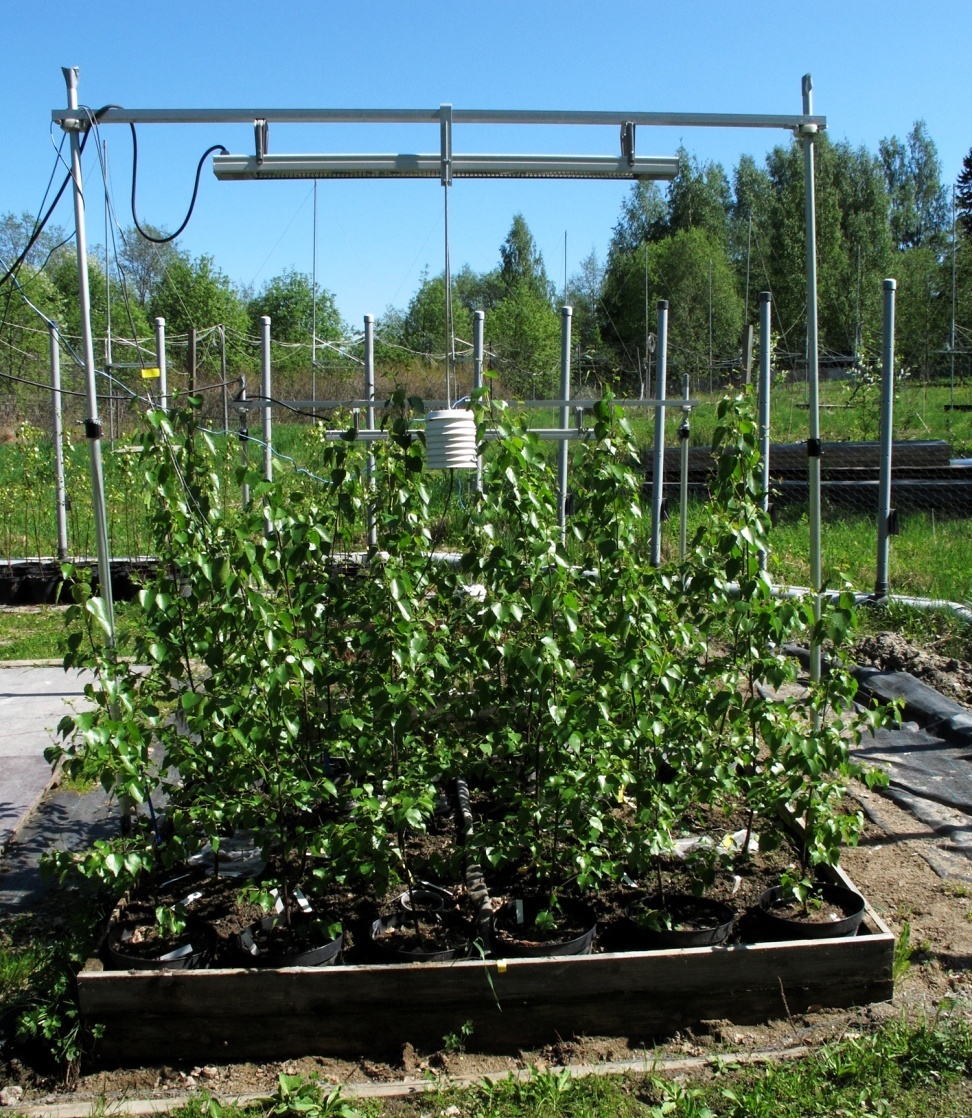
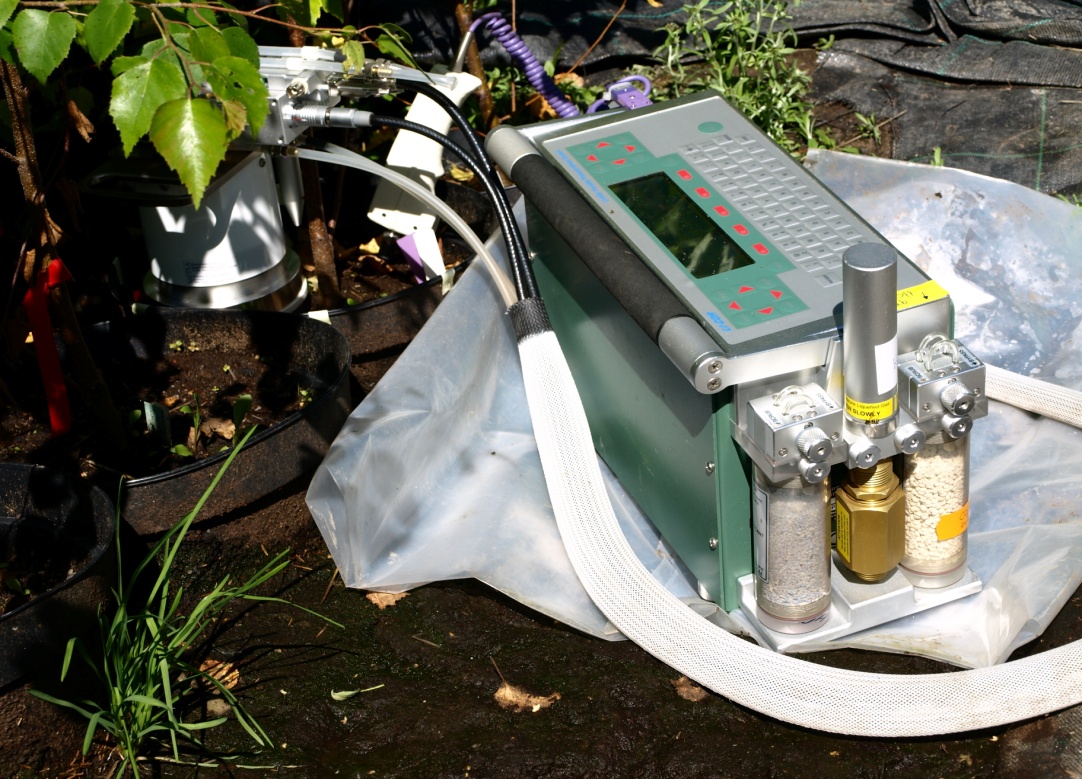
In my own work, I measured soil respiration in the field, the steady release of carbon dioxide as roots and soil organisms break down organic matter, and compared it across different conditions.
Once those measurements went through statistical analysis, a consistent pattern stood out: real differences in soil quality and composition matched real differences in biological activity below ground.
That was what convinced me, more than any textbook could, that soil is not a passive medium. Its structure and components genuinely shape how plants grow.
Although topsoil forms naturally and varies in quality, it is a foundational component for both natural and cultivated ecosystems. Its fertility and biological activity make it critical for sustaining plant life and maintaining the overall health of the soil.
Garden Soil
Garden soil is a product designed or amended for horticultural use. It often starts as topsoil but is mixed with other materials such as compost, sand, or peat to improve texture, drainage, and nutrient availability for specific plants.
Garden soil may also include fertilizers or pH amendments to suit vegetables, flowers, lawns, or indoor plants.
Garden soil is engineered or amended for planting, with a balanced, often loamy texture that supports root growth, consistent nutrient levels suited to gardening, and good drainage and aeration.
Soil Types Within Topsoil and Garden Soil
Both topsoil and garden soil can be classified according to texture: sandy, clay, and loamy. Understanding how these textures affect plant growth helps explain why some soils perform better for specific plants.
Sandy Soil
Sandy topsoil drains quickly and warms rapidly but retains fewer nutrients. Garden soils may include sand to improve aeration and drainage, especially for root vegetables like carrots and radishes.
Clay Soil
Clay topsoil holds water and nutrients but can compact easily. Garden soil may be amended with organic matter to loosen clay and allow better root penetration.
Hydrangeas and hostas, for instance, tolerate heavier soils naturally, but amended clay soil can enhance growth for more sensitive plants.
Loamy Soil
Loam provides a balanced mix of sand, silt, and clay. Garden soils often mimic this structure to support a variety of plants, from vegetables to flowers. Loamy soil promotes healthy root systems, microbial activity, and nutrient cycling.
Biological Impacts: How Topsoil and Garden Soil Influence Plants
The differences between topsoil and garden soil affect root development, microbial activity, and water-nutrient dynamics.
Root Development
Topsoil:
Root growth in topsoil is strongly influenced by the natural soil structure. In dense clay topsoil, compacted particles can make it difficult for roots to expand and access oxygen, slowing growth.
Sandy topsoil, on the other hand, allows roots to elongate quickly due to loose particles, but it may hold fewer nutrients, limiting the plant’s ability to absorb essential minerals for sustained development.
Garden Soil:
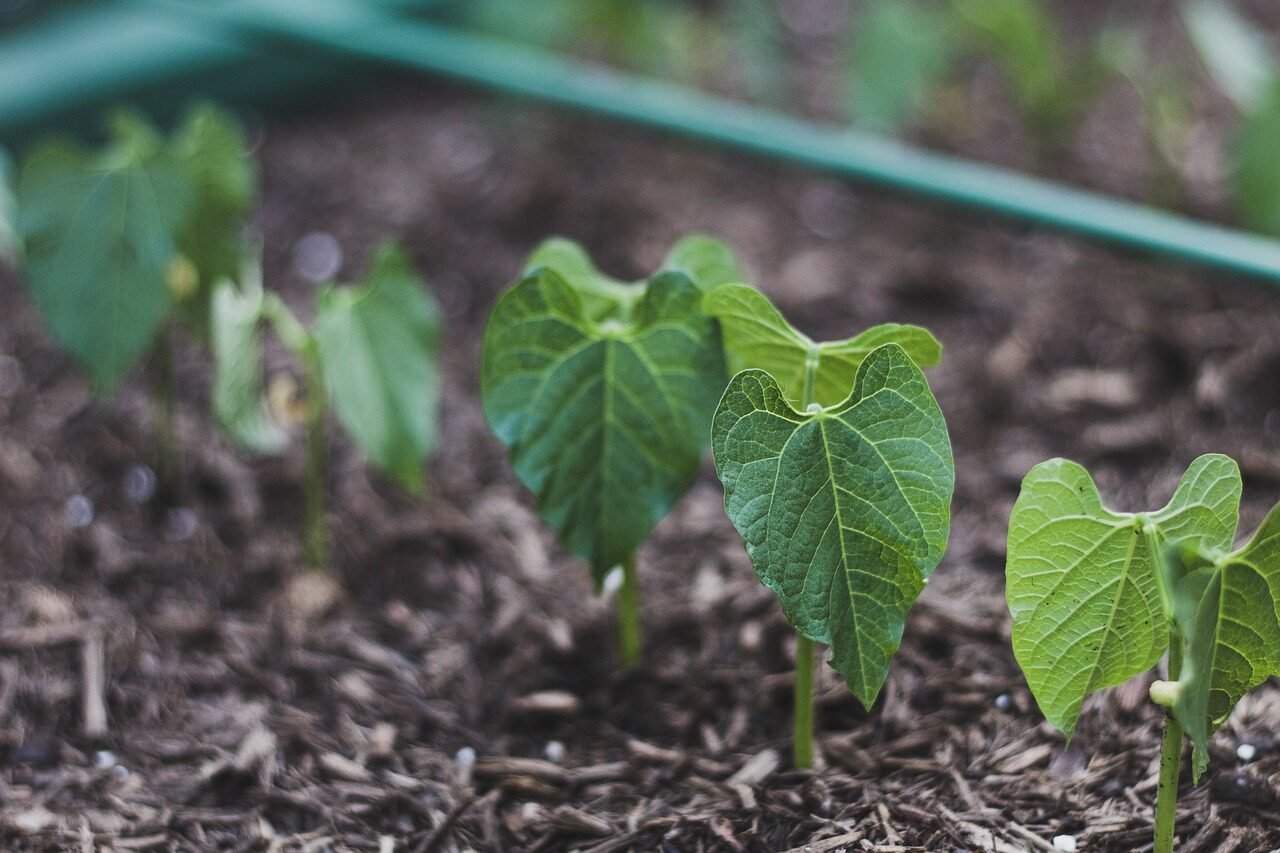
Garden soil is specifically engineered to support healthy root growth. Its balanced texture and added organic matter allow roots to branch extensively and penetrate deeply into the soil.
Improved aeration and water retention ensure that roots have consistent access to oxygen and moisture, promoting stronger plant growth, better nutrient uptake, and overall resilience in both cultivated and container plants.
Microbial Activity
Topsoil:
Topsoil naturally contains microbial communities, including bacteria and fungi, which help decompose organic matter and recycle nutrients. The diversity and density of these organisms, however, vary depending on local soil composition, climate, and the surrounding vegetation.
Garden Soil:
Garden soil enriched with organic amendments boosts microbial activity, supporting nutrient cycling, decomposition of plant material, and beneficial associations with roots. These enhanced microbial communities create a more stable and fertile environment, improving plant growth and overall soil health consistently.
Water and Nutrient Dynamics
Topsoil:
In topsoil, water and nutrient availability can vary widely because of natural differences in soil composition and drainage. Sandy areas may drain too quickly, washing away nutrients, while clay-heavy sections may retain water but limit root access. These fluctuations can affect plant growth and stress levels.
Garden Soil:
Garden soil is formulated to maintain a balanced supply of water and nutrients. Its texture and organic amendments help retain enough moisture for roots while allowing excess water to drain.
This balance reduces plant stress, ensures consistent nutrient uptake, and creates an environment that supports steady and healthy growth.
Matching Soil to Plants
Garden soil is tailored to meet specific plant requirements, while topsoil may support plants in natural conditions but sometimes requires amendment.
Vegetables
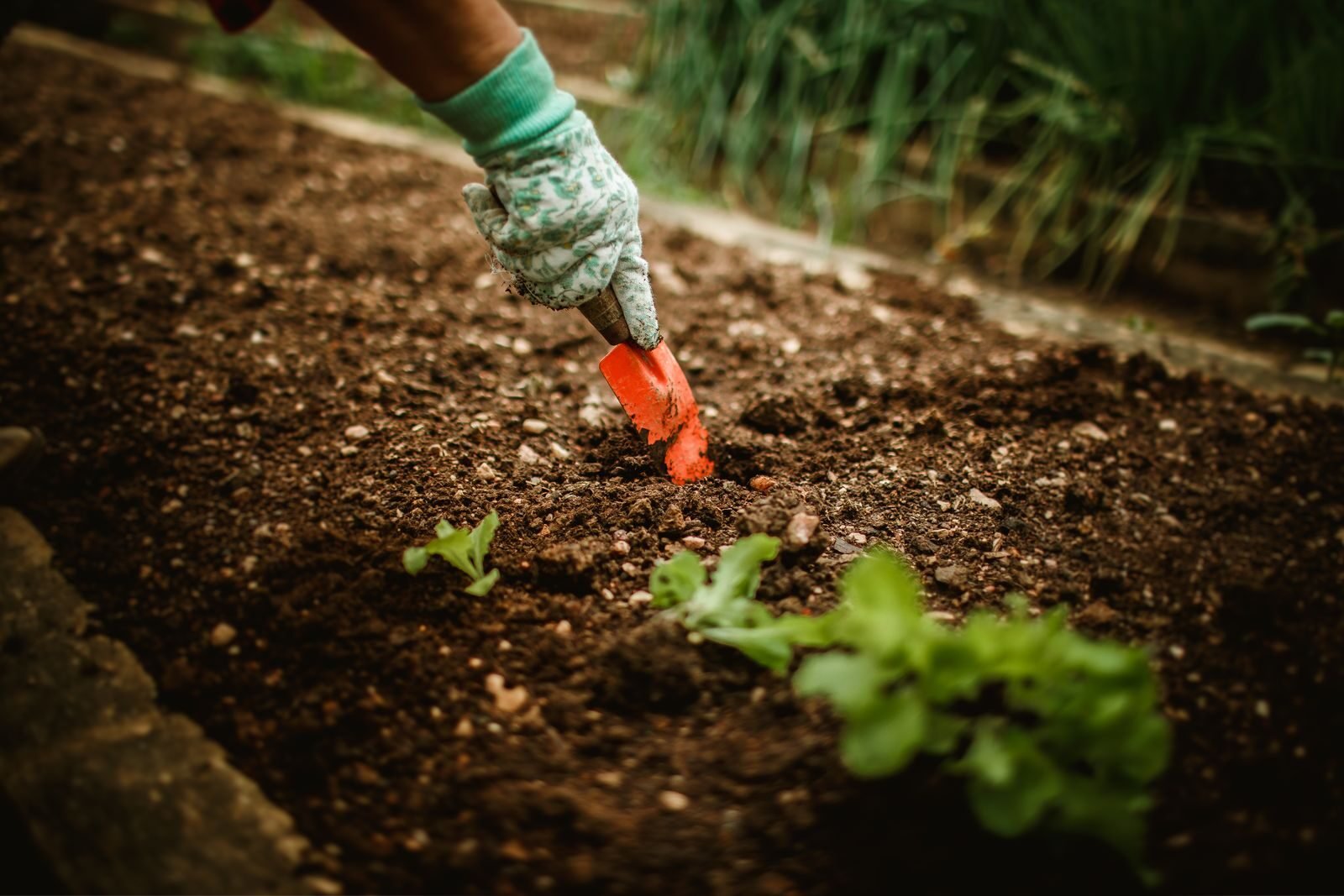
Vegetables generally perform best in loamy garden soil that is rich in organic matter. This type of soil retains moisture and nutrients while allowing roots to grow freely, supporting healthy development for plants such as tomatoes, peppers, and lettuce.
In contrast, sandy topsoil drains quickly and holds fewer nutrients, which can favor root vegetables like carrots, radishes, and onions, where loose soil allows roots to expand easily. Choosing the right soil type can directly influence vegetable size, yield, and overall plant health.
Flowers
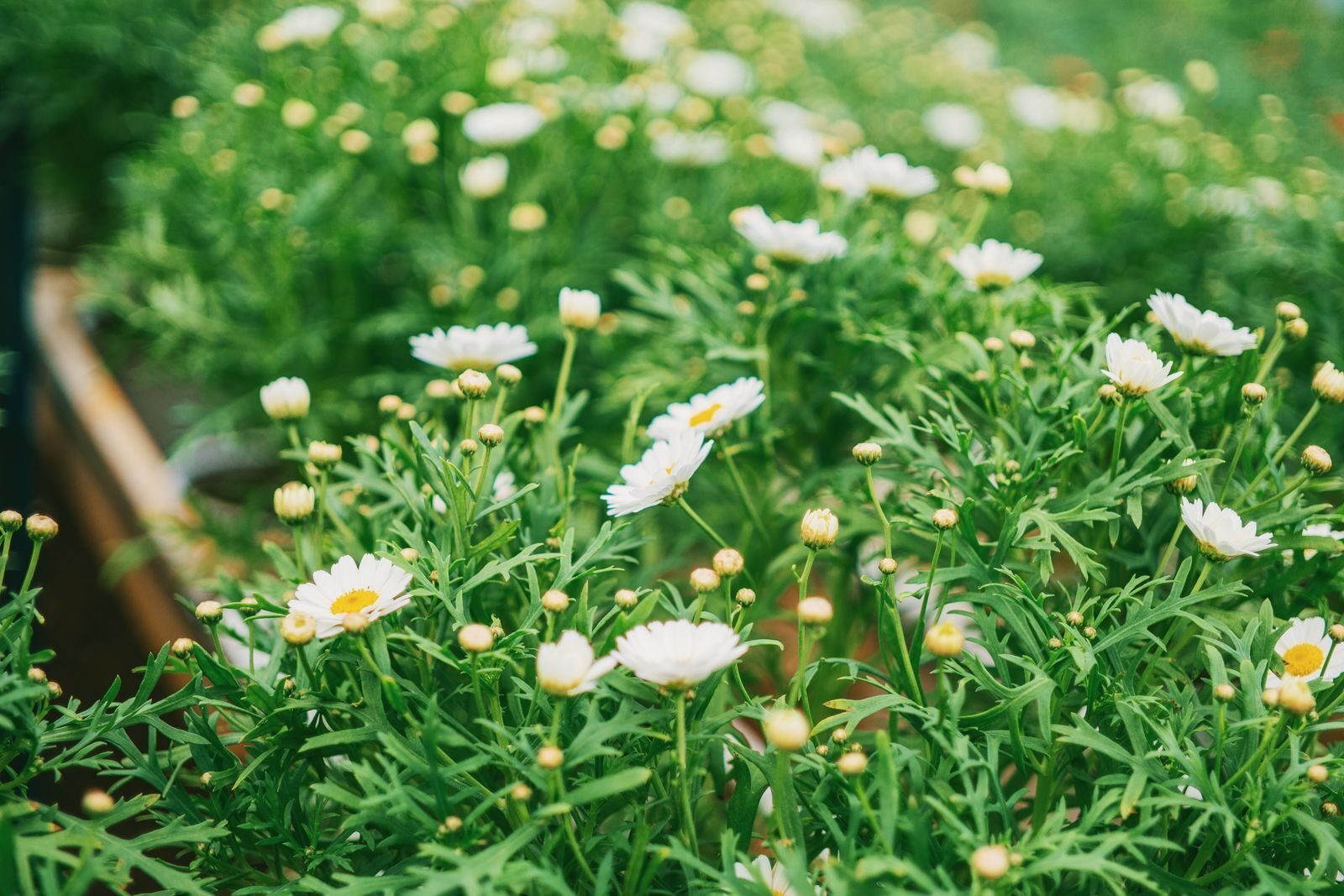
Flowers have specific soil requirements depending on their species. Annual flowers usually thrive in loamy garden soil, which provides a balanced mixture of sand, silt, and clay along with sufficient nutrients.
Certain perennial flowers can tolerate clay-rich topsoil as long as drainage is adequate, but many benefit from soil amendments to improve aeration and nutrient availability.
By matching soil texture and composition to the needs of individual flower species, gardeners can support vibrant blooms and sustained growth throughout the season.
Lawns
Lawns generally establish and grow best in loamy or sandy-loam garden soil, which offers balanced water retention and nutrient availability.
Clay topsoil, however, may lead to uneven growth, with patches that are either waterlogged or dry. Aeration and the addition of organic matter can improve clay soils, creating a more uniform surface that encourages healthy grass growth.
Well-prepared soil ensures that lawns develop strong roots, maintain color, and resist stress from drought or heavy use.
Indoor Plants
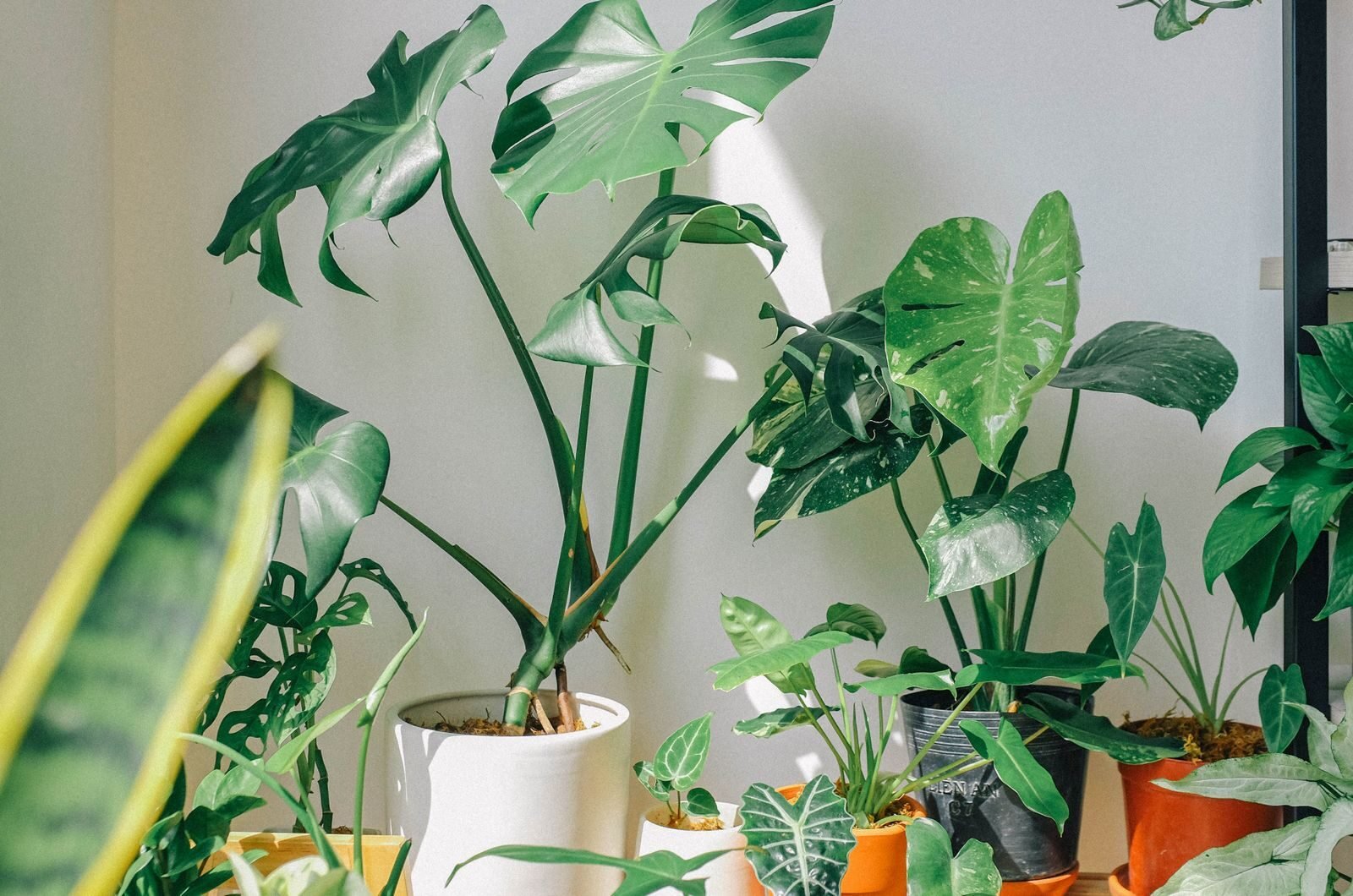
Indoor plants benefit from garden soil blends that combine topsoil with sand, compost, or other organic matter. These mixes retain sufficient moisture while preventing waterlogging, which is critical for potted plants.
Topsoil alone is often inconsistent and may drain poorly or lack the nutrients needed for container growth. Using properly prepared garden soil helps indoor plants develop strong roots, maintain steady growth, and thrive in controlled indoor environments.
Essential FAQs: Topsoil vs. Garden Soil
1. Can I mix topsoil and garden soil for better results?
Yes. Mixing topsoil with garden soil or organic amendments can improve drainage, nutrient content, and texture, especially if your soil is too sandy or clay-heavy. This helps roots grow stronger and plants perform more evenly.
2. How can I tell if my topsoil is healthy?
Healthy topsoil is dark, crumbly, and slightly moist, with visible organic matter like decomposed leaves or roots. The presence of earthworms or other small organisms also indicates active microbial life and good fertility.
3. Can topsoil alone support vegetables?
Topsoil can grow vegetables if it has sufficient nutrients and drains well, but adding compost or organic matter improves growth, especially for leafy and fruiting plants. Root vegetables like carrots may grow well in sandy topsoil.
4. How do I improve clay topsoil for lawns or flowers?
Clay soils can be amended with organic matter or sand to improve drainage, aeration, and root growth. This reduces patchiness in lawns and allows flowers to develop fully, supporting healthier and more uniform growth.
Recommended: Check how alive your soil is with my free Soil Life Scorecard, two simple checks with a printable log.
Conclusion
While topsoil and garden soil may look alike at first glance, they differ in ways that profoundly affect plant growth. Topsoil is a naturally formed layer, rich in organic matter and microorganisms, but its texture, drainage, and nutrient content can vary widely.
Garden soil, by contrast, is carefully prepared and amended to create an optimal environment for plants. It supports strong root development, encourages active microbial communities, and ensures consistent nutrient and water availability.
If there is one thing studying soil has taught me, it is that fertility is a biological property as much as a chemical one. Understanding these differences helps gardeners, horticulturists, and plant scientists make informed decisions about soil selection, anticipate how plants will perform, and appreciate the complex relationship between soil properties and plant health.