










This article was written and reviewed by Serge, MSc. I hold degrees in Plant Biology, Environmental Biology and Biogeochemistry, with research experience in plant physiology, ecosystem science, and field-based environmental studies. Every article on this site is grounded in real academic training and genuine scientific research.
Affiliate disclosure: This site has affiliate links, including Amazon. As an Amazon Associate I earn from qualifying purchases, at no extra cost to you.
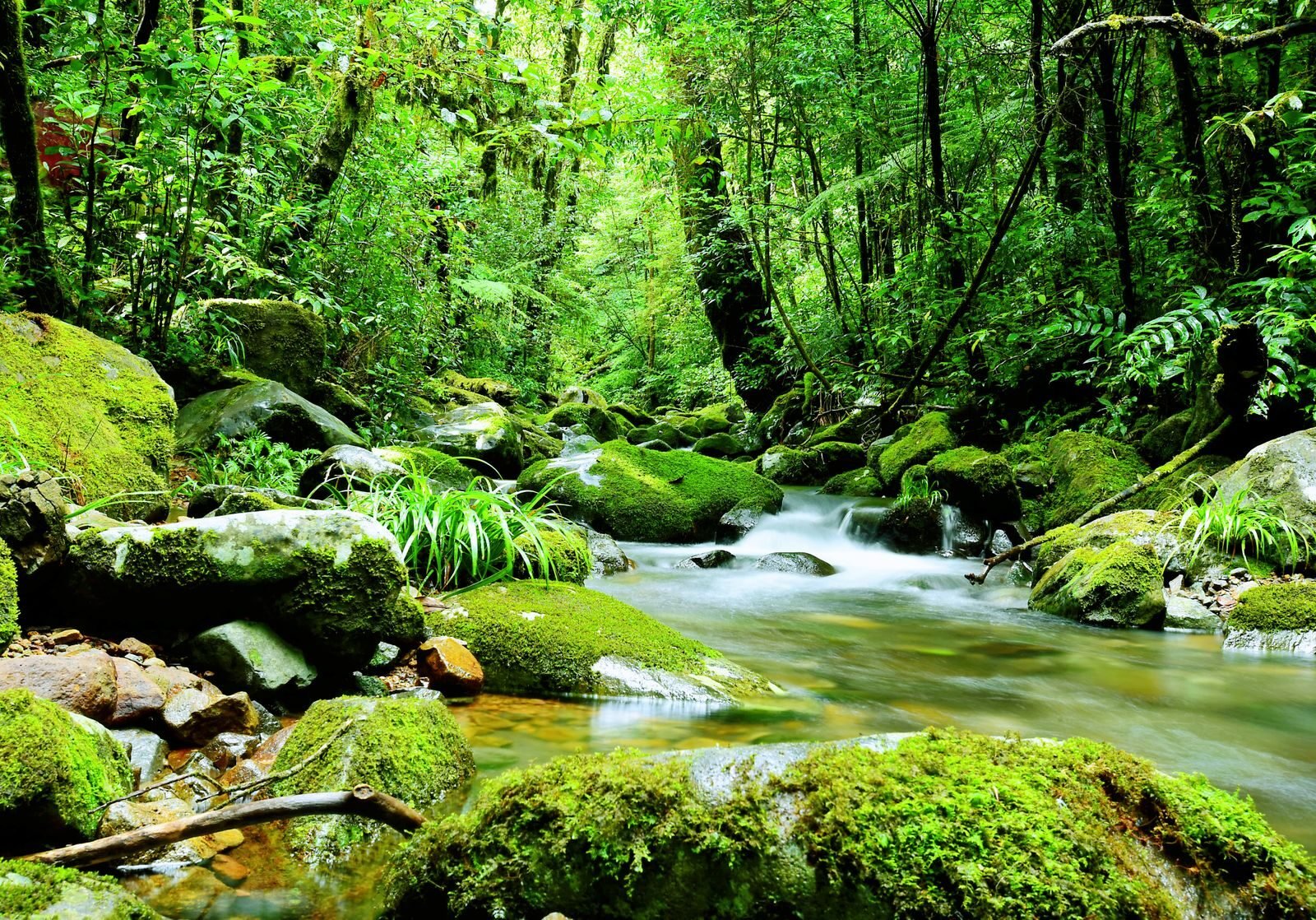
Ecosystems are fundamental units of the natural world, encompassing the interactions between living organisms and their physical environment.
From dense forests to vast oceans, ecosystems provide the conditions necessary for plants, animals, fungi, and microorganisms to survive, grow, and reproduce.
Understanding the variety of ecosystems on Earth is essential for studying ecology, plant biology, and the interconnectedness of life.
In this article, we will explore the seven main types of ecosystems, provide ten real-world examples, and describe how different ecosystems function in supporting plant and animal life.
The Seven Main Types of Ecosystems
Ecosystems can be broadly categorized into seven major types based on their environment and dominant forms of life. These types include terrestrial ecosystems, freshwater ecosystems, and marine ecosystems. Each supports unique communities of organisms and exhibits distinct ecological processes.
1. Forest Ecosystems
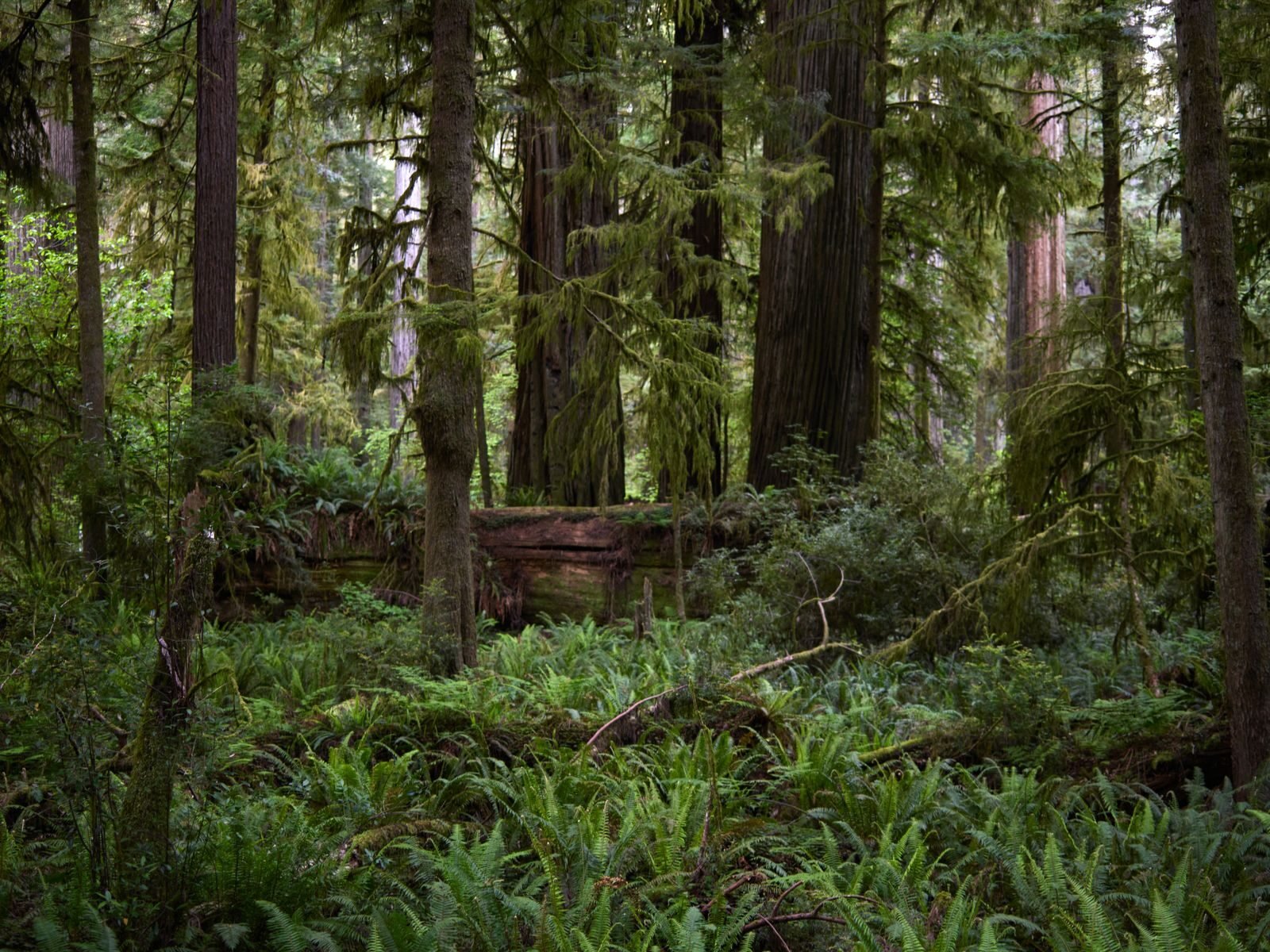
Forest ecosystems are areas dominated primarily by trees and other woody plants, which create a layered structure that profoundly affects light availability, temperature, and humidity.
These layers, typically the emergent layer, canopy, understory, and forest floor, allow a diverse array of plants and animals to coexist in close proximity. The complex structure of forests also plays a key role in soil formation, nutrient cycling, and the local and global water cycle.
Forests are among the most productive ecosystems on Earth. Trees capture sunlight through photosynthesis, converting it into energy that supports not only their own growth but also the many organisms that depend on them.
They store carbon, release oxygen, and moderate climate patterns, acting as natural buffers against temperature extremes and rainfall variability. Soil in forests is enriched by decaying leaves and fallen branches, supporting further plant growth and microbial activity.
Tropical Rainforests
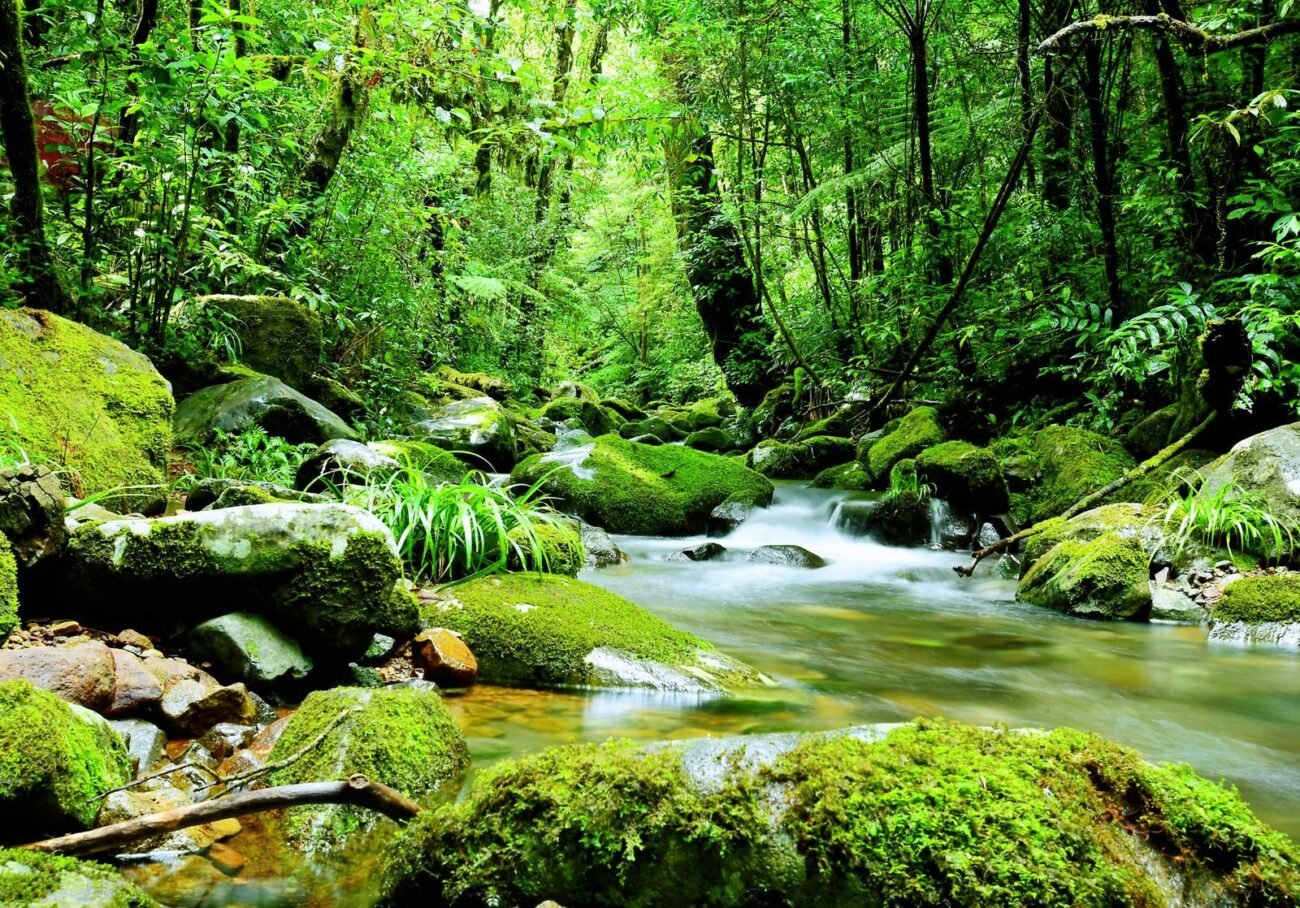
Tropical rainforests are located near the equator, where sunlight is intense and rainfall is abundant year-round. These conditions create lush, dense forests with extremely high biodiversity.
Plants in tropical rainforests are adapted to compete for sunlight, often growing in multiple vertical layers. Large canopy trees capture most of the light, while smaller understory plants survive in shaded conditions.
Epiphytes, such as orchids and bromeliads, grow on other plants to access light without drawing nutrients from the soil. The warm, humid environment also accelerates decomposition, returning nutrients rapidly to the soil and sustaining continuous plant growth.
Temperate Forests
Temperate forests experience moderate climates with distinct seasonal changes. Many trees in these forests are deciduous, shedding their leaves in autumn to conserve water during colder months.
The seasonal cycle allows a variety of plants to thrive, including broadleaf trees like oaks, maples, and beeches, as well as shrubs and herbaceous understory plants.
Temperate forests have fertile soils enriched by seasonal leaf litter, supporting a range of plant species. These forests also serve as important habitats for pollinators and seed dispersers, which are critical for plant reproduction.
Boreal Forests (Taiga)
Boreal forests, or taiga, cover vast areas of northern regions characterized by cold climates and long winters. They are dominated by coniferous trees such as pines, spruces, and firs. These trees have needle-like leaves with a thick waxy coating, which reduces water loss in cold, dry conditions.
Boreal forests are adapted to periodic fires, which clear older vegetation and return nutrients to the soil. Despite a shorter growing season compared to tropical or temperate forests, the taiga supports extensive plant and animal communities adapted to cold environments.
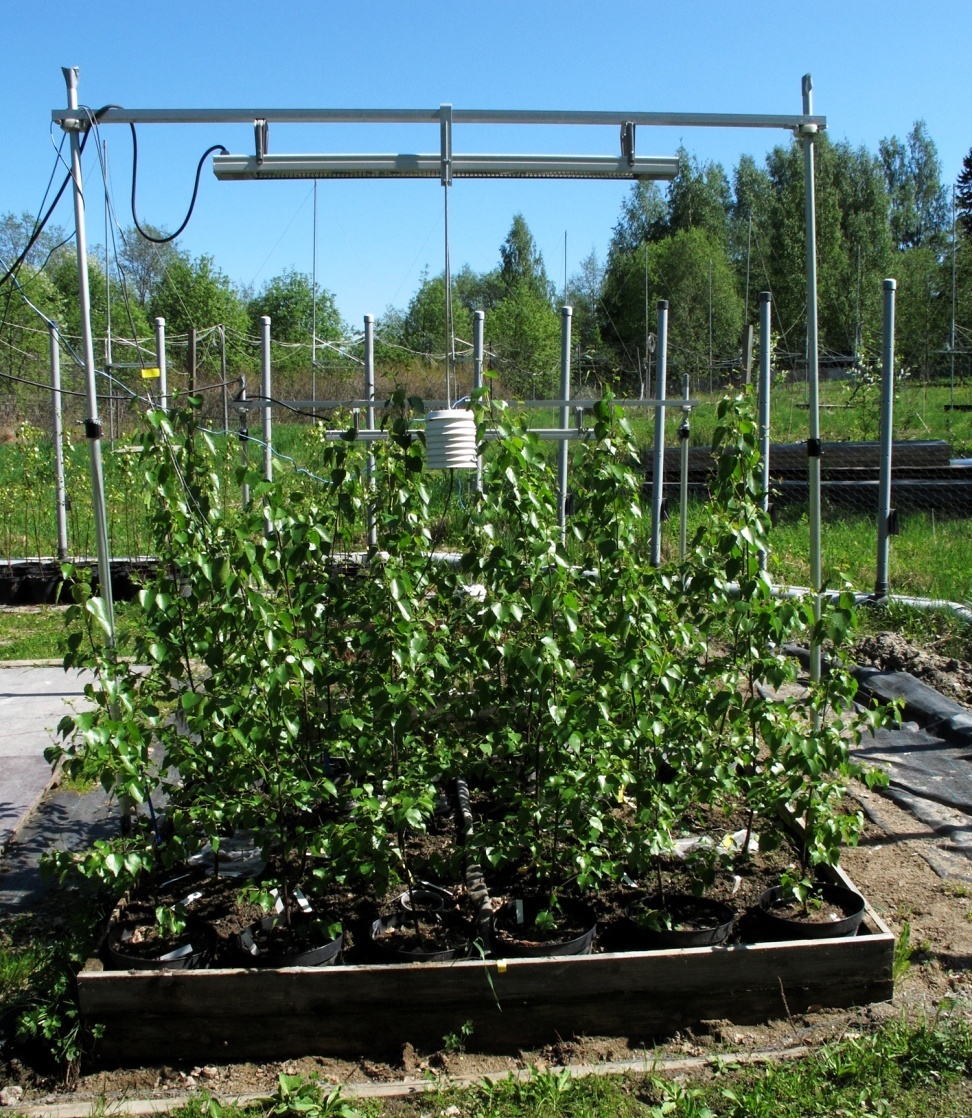
I’ve spent time studying how northern forest species, including silver birch, respond to environmental stress, and what caught my attention was how much biological activity continues in the soil beneath them even when the growing season above ground is short.
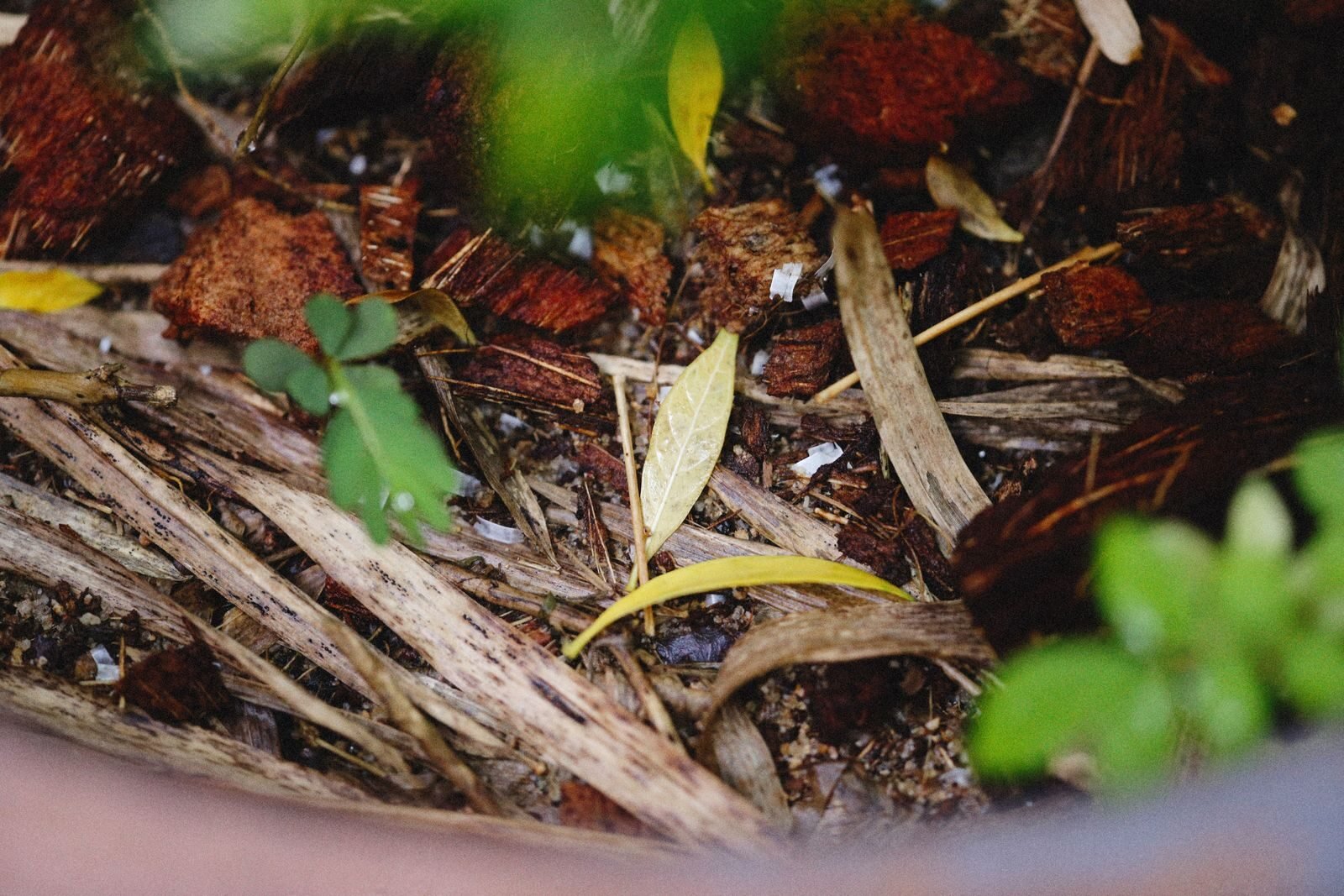
Much of what keeps these systems alive happens underground, in the slow cycling of carbon and nutrients through the forest floor.
Mosses, lichens, and hardy shrubs are common in the understory, providing ground cover and food sources for wildlife.
Forests, in all their forms, are indispensable to ecological balance. They regulate local and global climates, prevent soil erosion, maintain hydrological cycles, and sustain plant communities by providing structured habitats and nutrient-rich environments.
Studying forest ecosystems reveals how plants adapt to diverse conditions, from the equator to the Arctic Circle, highlighting the resilience and complexity of plant life.
2. Grassland Ecosystems
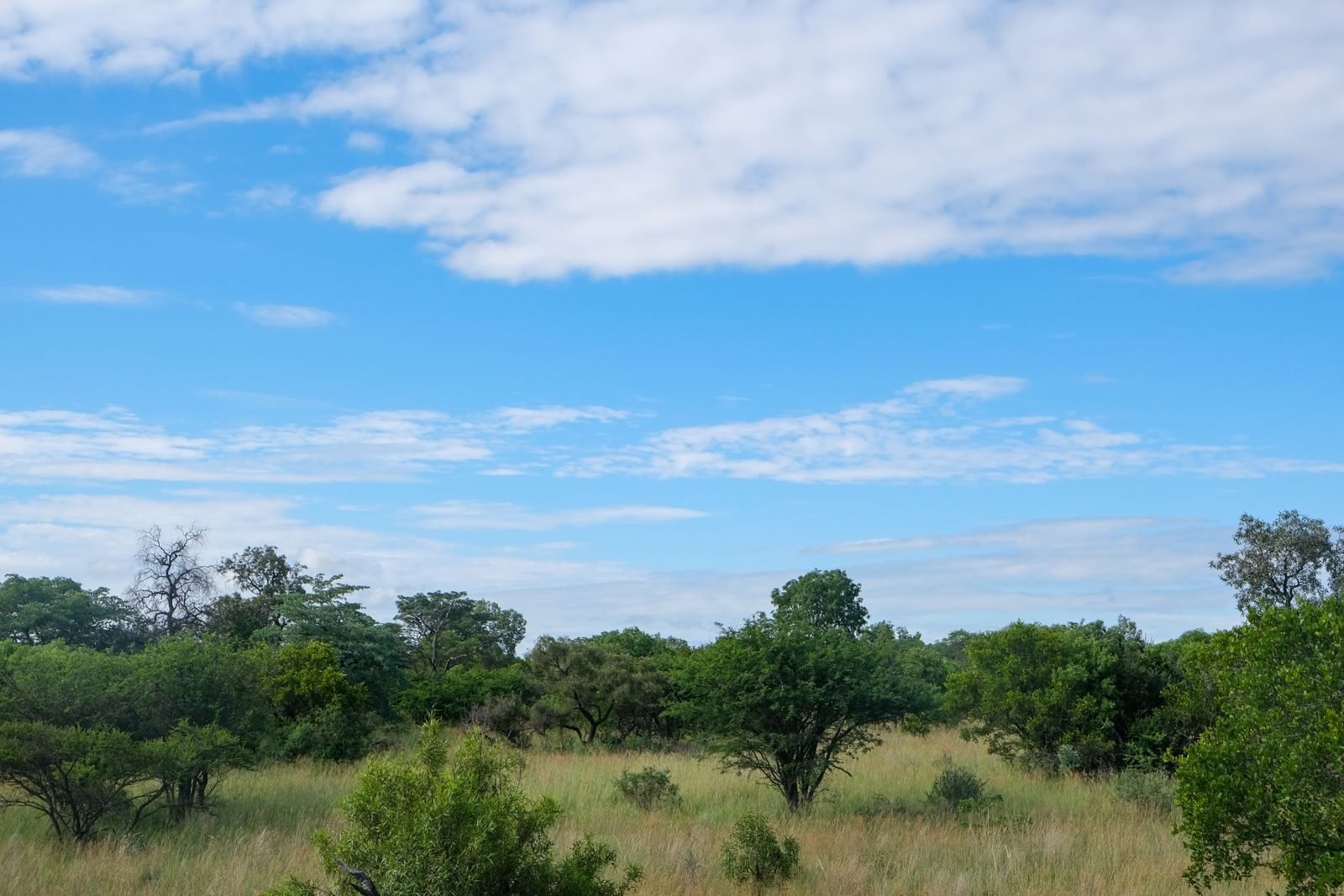
Grassland ecosystems are dominated by grasses and other herbaceous plants, with very few trees or large shrubs. They typically occur in regions where rainfall is moderate but not sufficient to support dense forests.
The open landscape of grasslands, combined with seasonal variations and natural disturbances, creates a dynamic environment where plants and animals have adapted to survive under variable conditions.
Tropical grasslands, known as savannas, feature expansive stretches of grasses interspersed with scattered trees and shrubs. These ecosystems support large herbivores such as zebras, elephants, and antelopes, which influence plant growth by grazing and seed dispersal.
Fires, whether caused by lightning or seasonal dry conditions, prevent woody plants from dominating, allowing grasses to thrive and maintaining the characteristic open structure of the savanna.
Temperate grasslands, including the prairies of North America, the steppes of Eurasia, and the pampas of South America, experience more pronounced seasonal changes with hot summers and cold winters. Grasses dominate these regions, forming dense mats that help retain soil moisture and prevent erosion.
Periodic fires are a natural part of the ecosystem, removing older vegetation and stimulating new growth. Many grass species reproduce through seeds and underground stems, allowing rapid recovery after disturbances such as fire or drought.
Grasslands are ecologically important for soil formation and nutrient cycling. The deep roots of grasses bind soil, reduce erosion, and store nutrients and water, which supports plant growth during dry periods. When grasses die back, their organic matter decomposes, enriching the soil and sustaining future generations of plants.
These ecosystems also provide habitats for pollinators, small mammals, and migratory herbivores, creating complex ecological networks. Grasslands demonstrate how plant communities adapt to open, sometimes harsh environments, balancing growth, resilience, and biodiversity.
3. Desert Ecosystems
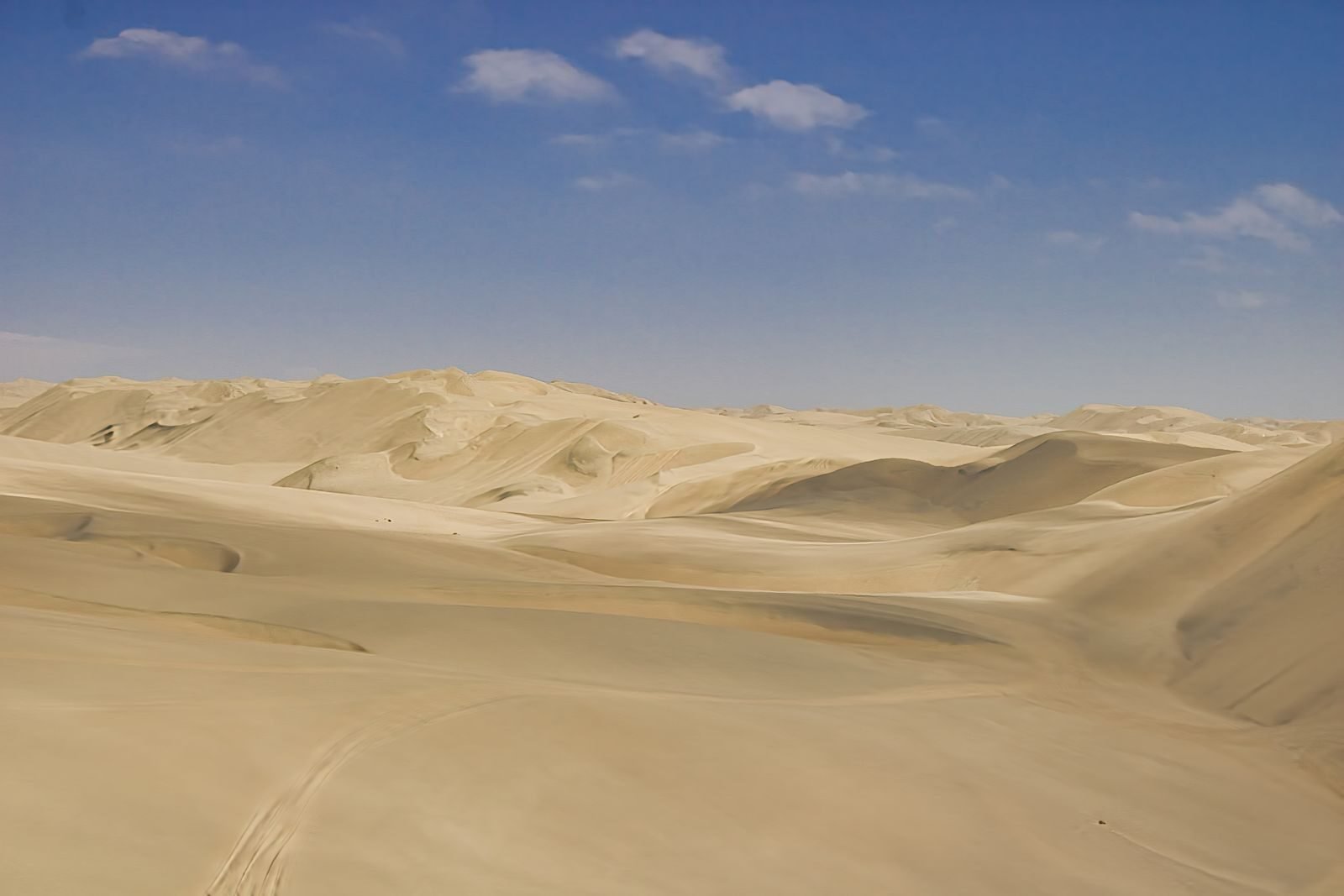
Deserts are dry regions with very low rainfall. Temperatures can change drastically between day and night. Vegetation is sparse. Plants have special adaptations to conserve water, such as thick leaves, deep roots, or spines instead of leaves.
Hot deserts, like the Sahara, are extremely hot, and cacti store water in their tissues. Cold deserts, such as Antarctica’s dry valleys, are cold and arid, with few hardy plants.
Desert ecosystems show how plants and animals adapt physically and behaviorally to survive extreme conditions.
4. Tundra Ecosystems
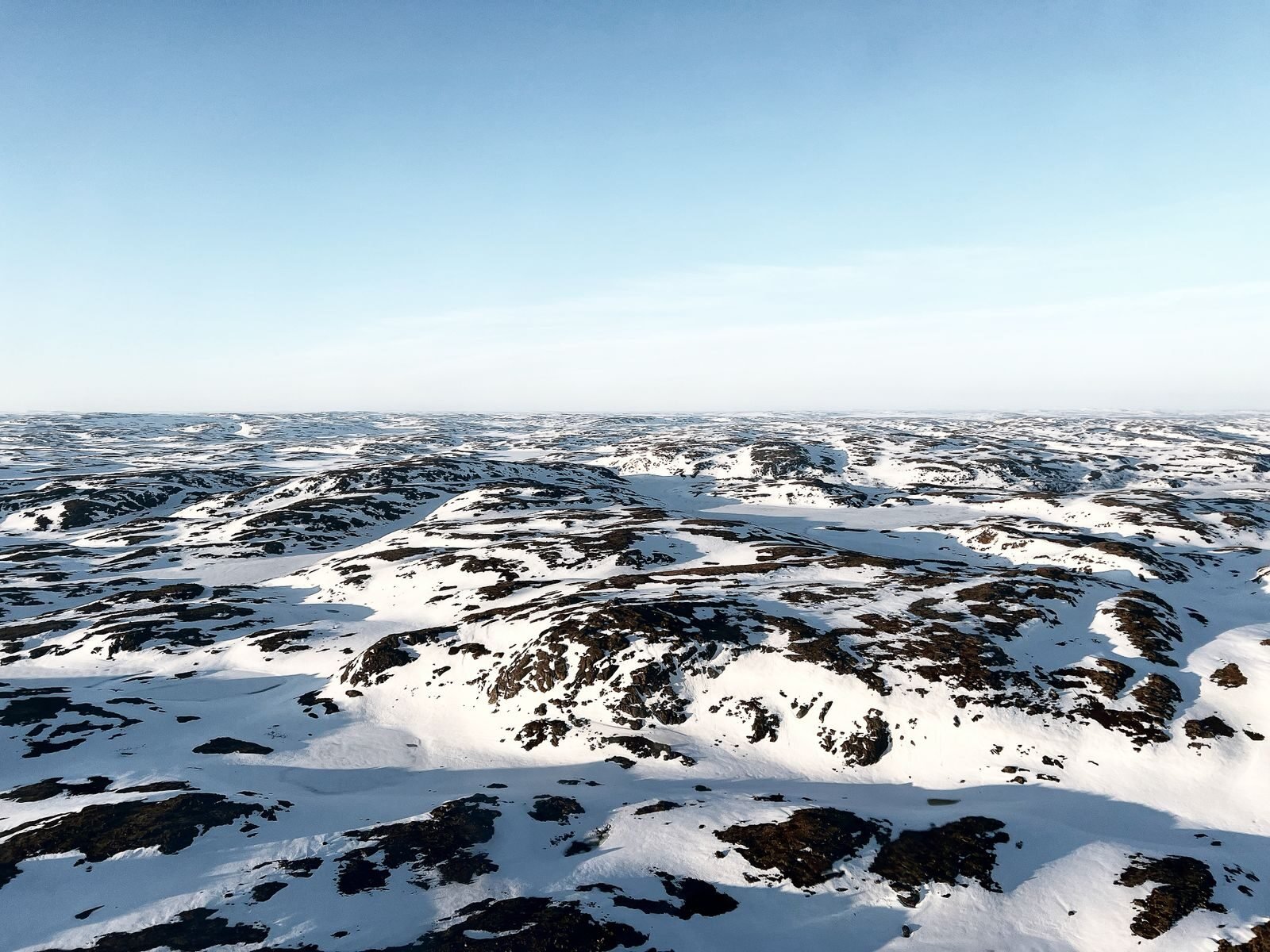
Tundras are cold, treeless regions with short growing seasons and permafrost, permanently frozen soil. Plants are typically low-growing, such as mosses, lichens, and dwarf shrubs, which can tolerate freezing temperatures and limited nutrient availability.
Arctic Tundra: Located near the poles, it supports unique plant communities adapted to ice and snow.
Alpine Tundra: Found at high mountain elevations, plants must withstand strong winds, intense UV radiation, and rocky soil.
Tundra ecosystems highlight the resilience of plant life in extreme climates and the importance of seasonal growth cycles.
5. Freshwater Ecosystems
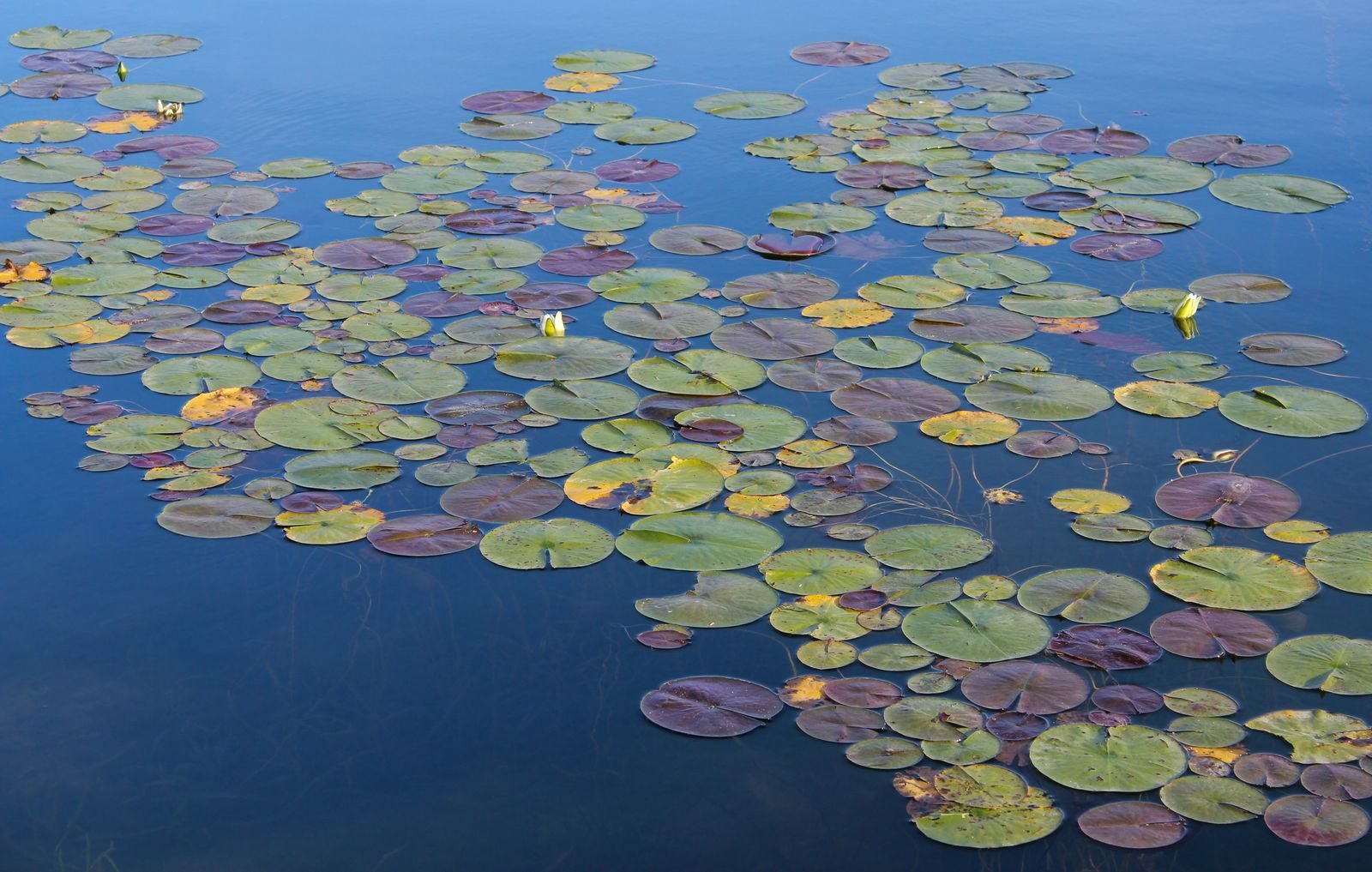
Freshwater ecosystems include rivers, lakes, streams, ponds, and wetlands.
These ecosystems are crucial for plant species that rely on abundant water, such as reeds, water lilies, and various algae.
Rivers and Streams: Flowing waters provide oxygen and nutrients, supporting riparian vegetation along the banks.
Lakes and Ponds: Standing water bodies support aquatic plants rooted in sediment and floating species.
Wetlands: Areas like marshes and swamps act as water filters, flood buffers, and nurseries for aquatic plants.
Freshwater ecosystems are highly productive, supporting a wide range of biodiversity while influencing nutrient cycles and water quality.
6. Marine Ecosystems
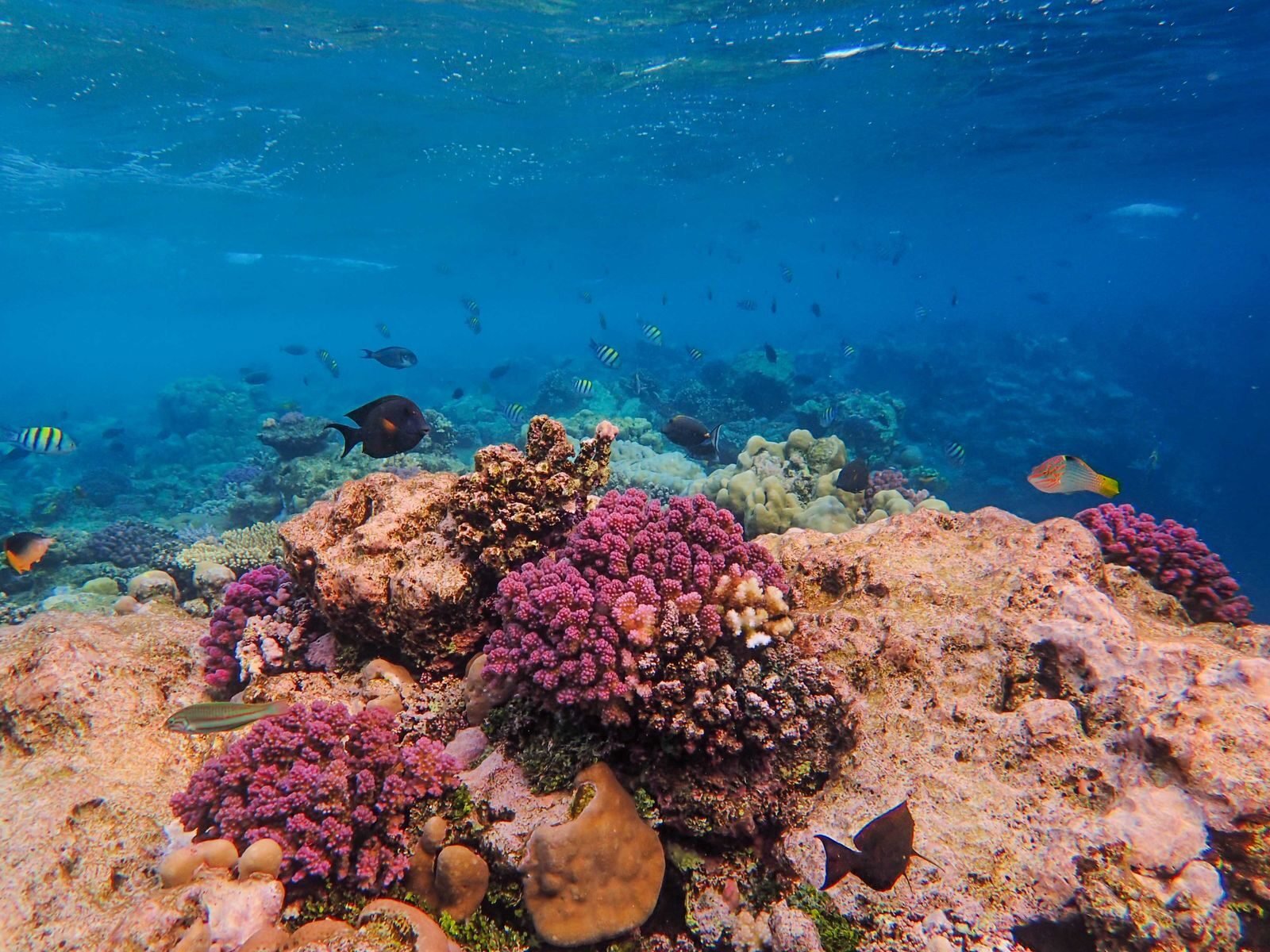
Marine ecosystems are saltwater environments that cover over 70% of Earth’s surface. They range from shallow coastal zones to deep ocean trenches and support plants like seaweeds and seagrasses.
Coral Reefs: Found in shallow, warm waters, coral reefs support algae and seagrasses that form the foundation of complex food webs.
Open Oceans: Phytoplankton and seaweeds dominate the primary production in these vast ecosystems.
Estuaries: Areas where rivers meet the sea provide nutrient-rich habitats for aquatic plants and serve as breeding grounds for fish and invertebrates.
Marine ecosystems play a key role in global climate regulation and carbon sequestration through plant photosynthesis in the ocean.
7. Mountain Ecosystems
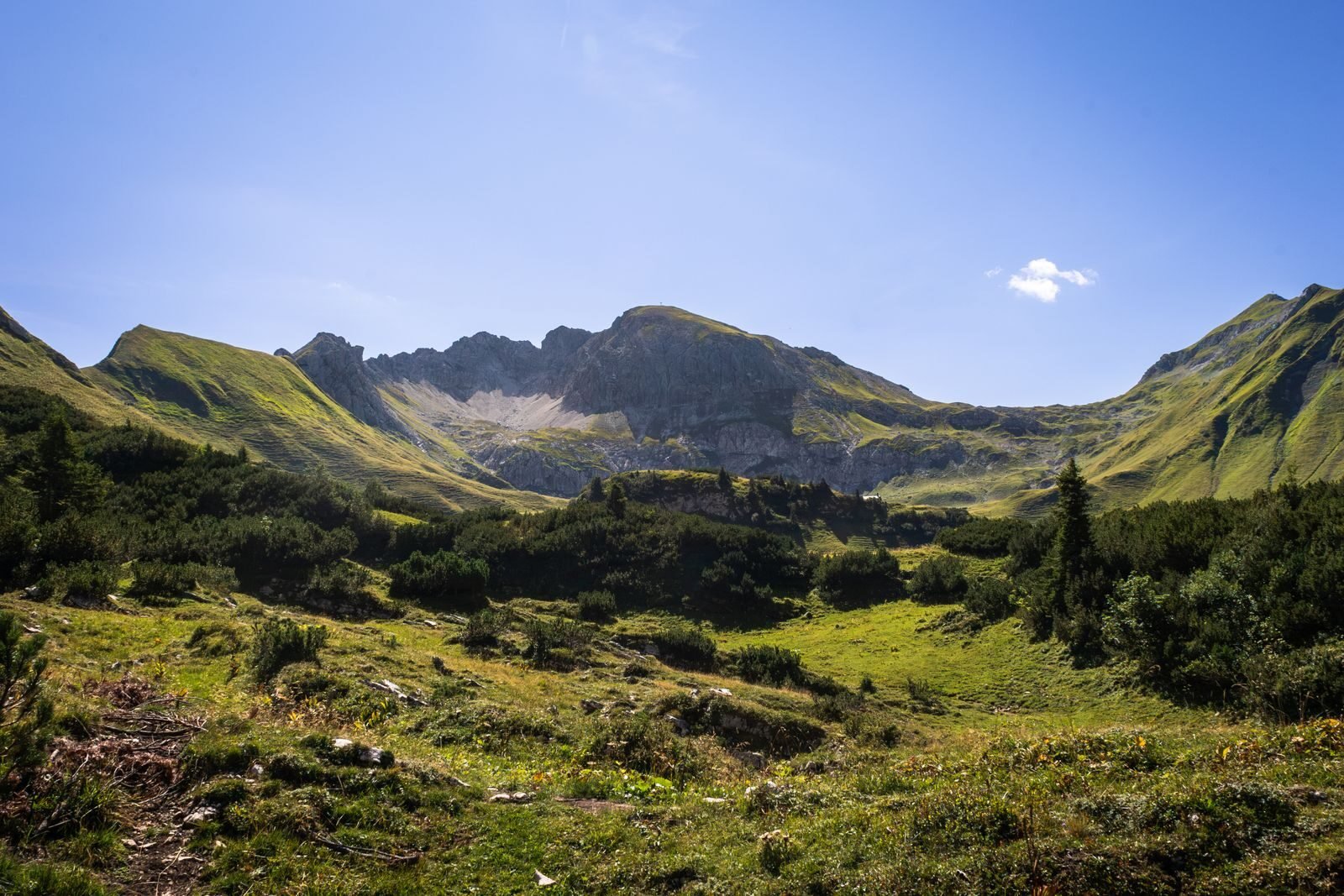
Mountain ecosystems vary with altitude, temperature, and precipitation, creating distinct ecological zones. Vegetation changes from dense forests at lower elevations to alpine tundra near the peaks.
Montane Forests: Mid-elevation forests with diverse tree and shrub species.
Alpine Zones: High-elevation areas with low-growing plants adapted to wind, cold, and thin soil.
Mountains influence regional climate, water availability, and the distribution of plant species across different elevations.
Ten Real-World Examples of Ecosystems
Amazon Rainforest, South America – Tropical forest ecosystem
Sahara Desert, Africa – Hot desert ecosystem
Serengeti, Tanzania – Savanna grassland ecosystem
Great Plains, USA – Temperate grassland ecosystem
Taiga of Siberia, Russia – Boreal forest ecosystem
Arctic Tundra, Northern Canada – Tundra ecosystem
Everglades, Florida, USA – Wetland ecosystem
Great Barrier Reef, Australia – Coral reef marine ecosystem
Himalayan Mountains, Asia – Mountain ecosystem
Amazon River Basin, South America – Freshwater ecosystem
These examples illustrate how ecosystems vary across the globe and how plant life adapts to specific environmental conditions.
Summary
The seven main types of ecosystems, forests, grasslands, deserts, tundras, freshwater, marine, and mountains, demonstrate the diversity of life on Earth.
Each ecosystem provides unique conditions for plants and animals, influencing biodiversity, nutrient cycling, and climate regulation. By studying ecosystems, we can understand the relationships between organisms and their environments, from the smallest moss in the tundra to massive trees in tropical rainforests.
Real-world examples further highlight the global distribution and ecological importance of these systems.
Frequently Asked Questions
1. What are the 7 main types of ecosystems?
Forests, grasslands, deserts, tundras, freshwater, marine, and mountain ecosystems.
2. How do freshwater ecosystems differ from marine ecosystems?
Freshwater ecosystems have low salt content and include rivers, lakes, and wetlands, while marine ecosystems are saltwater environments like oceans, coral reefs, and estuaries.
3. Can one ecosystem contain multiple types of plants?
Yes. For example, a tropical rainforest may have trees, shrubs, vines, and epiphytes all in the same ecosystem.
4. Why are tundra ecosystems treeless?
The extreme cold, short growing seasons, and permafrost prevent trees from establishing, favoring low-growing plants like mosses and lichens.
5. What role do ecosystems play in plant survival?
Ecosystems provide essential resources, light, water, nutrients, and habitat, that enable plants to grow, reproduce, and interact with other organisms.