

This article was written and reviewed by Serge, MSc. I hold degrees in Plant Biology, Environmental Biology and Biogeochemistry, with research experience in plant physiology, ecosystem science, and field-based environmental studies. Every article on this site is grounded in real academic training and genuine scientific research.
Affiliate disclosure: This site has affiliate links, including Amazon. As an Amazon Associate I earn from qualifying purchases, at no extra cost to you.
I still remember the first time I really noticed how connected everything in nature is. Back when I was studying plant biology, I was learning about plant classification, taxonomy, biochemistry, soils, and, of course, ecosystems.
At first, it was just theory, names, processes, chemical reactions, but the more I looked closely at plants and the soil around them, the more I realized that life doesn’t exist in isolation. Every plant, every microbe, every bit of soil is part of a system, working together in ways that are easy to overlook but vital for life.
Later, my studies in environmental biology and biogeochemistry showed me how forest trees react to sunlight and moisture, how gases like nitrogen and carbon move through the soil, and how these unseen processes influence the functioning of entire ecosystems.
Basically, an ecosystem is a community of living organisms interacting with each other and their environment. That sounds simple, but when you start noticing all the interactions, it gets fascinating.
Plants capture sunlight, herbivores eat the plants, predators eat the herbivores, and decomposers break down the dead material to feed the soil. The energy moves, nutrients cycle, and everything keeps functioning.
Even a small terrarium on your desk is an ecosystem, it has soil, plants, and microbes interacting in much the same way as a forest.
What Makes an Ecosystem Different from a Habitat or a Biome?
People often mix these terms up, and I used to too when I was a student. A habitat is the place where an organism lives: a frog lives in a pond, that’s its habitat.
An ecosystem is what’s happening in that habitat, the frog, the algae, the insects, the water, and how they all interact.
A biome is a much larger area defined by climate and vegetation, like deserts, tundras, and tropical forests.
In my field observations, it became clear that ecosystems are the real “action zones” of nature. You can look at a forest biome and see many habitats within it, and each habitat has its own ecosystem. That’s where the living and non-living components interact and sustain life.
Types of Ecosystems
Ecosystems come in all shapes and sizes, but generally, they fit into three main categories: terrestrial, aquatic, and human-influenced (or indoor) ecosystems.
Here’s a simple table I often share with my readers to make it clear:
| Ecosystem Type | Description | Examples |
|---|---|---|
| Terrestrial | Land-based systems shaped by soil and climate | Forests, deserts, grasslands, tundra |
| Aquatic | Water-based systems; includes freshwater and marine environments | Lakes, rivers, ponds, oceans, coral reefs |
| Human-influenced/Indoor | Controlled ecosystems with plants, soil, and microbes | Terrariums, potted plants, greenhouses |
Terrestrial Ecosystems
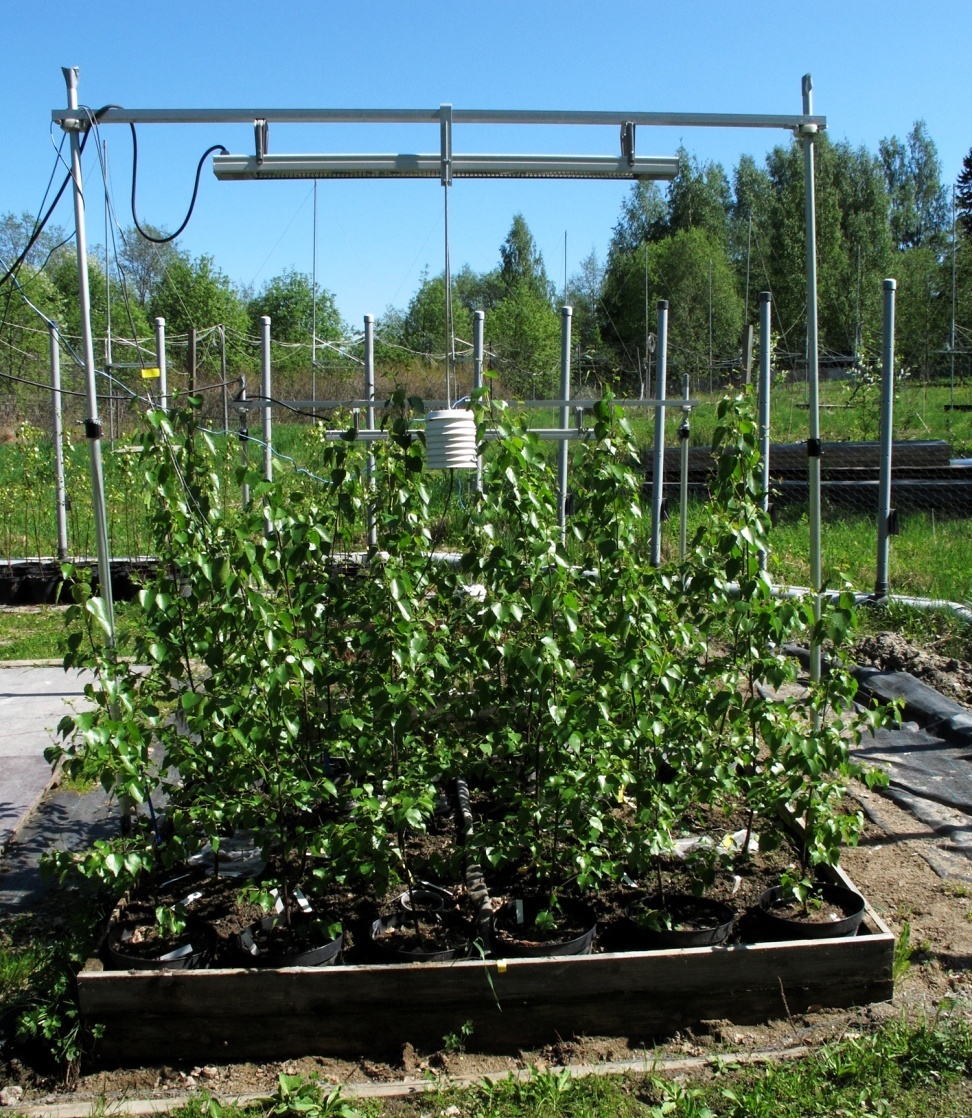
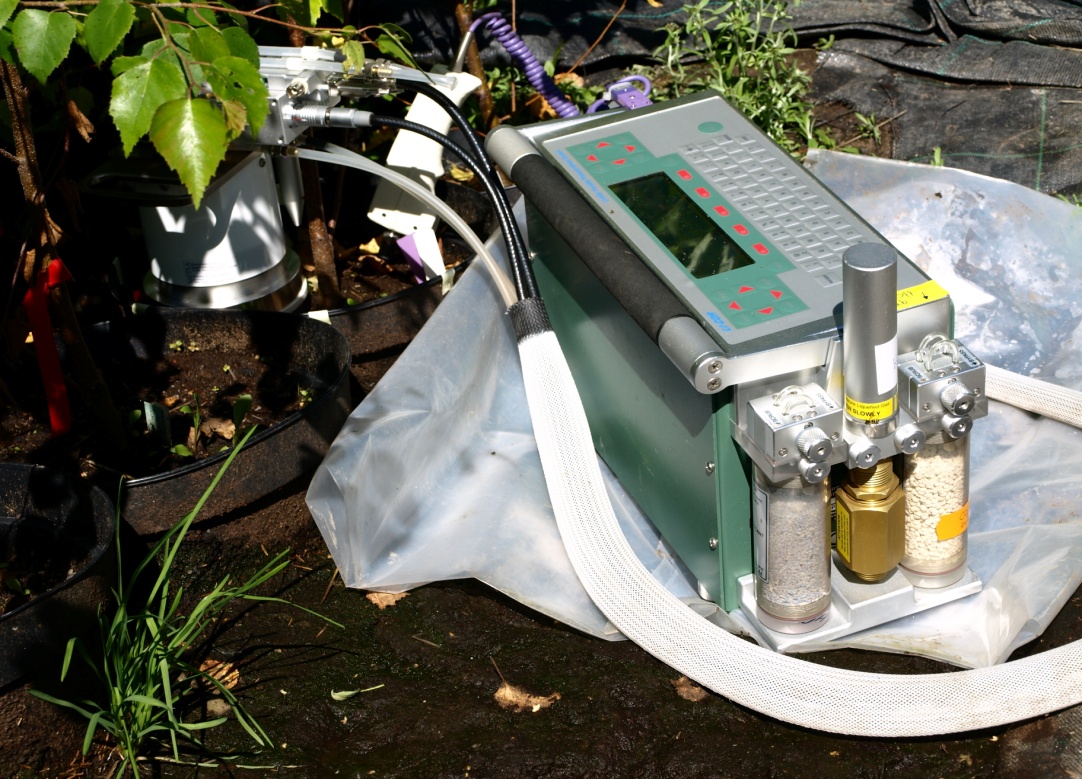
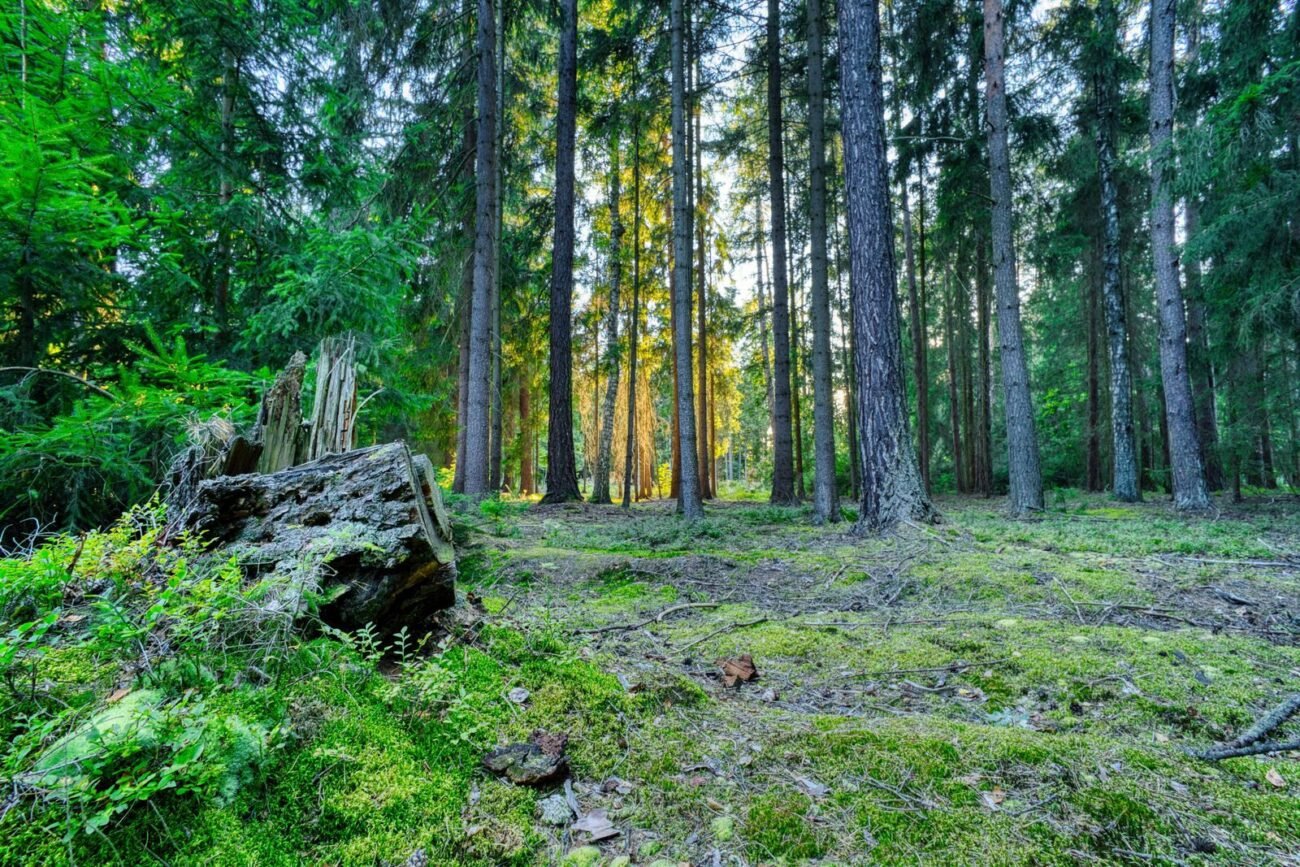
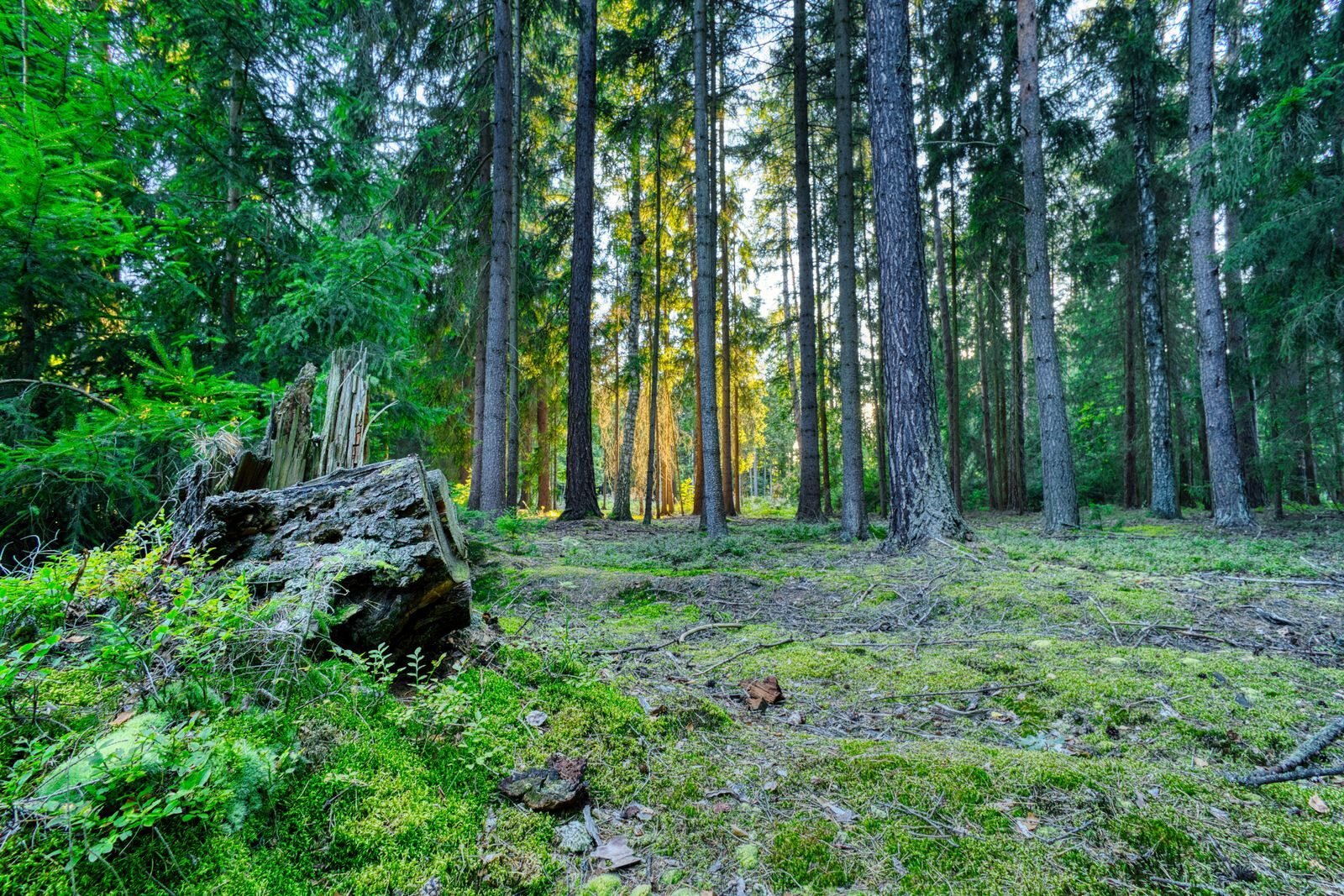
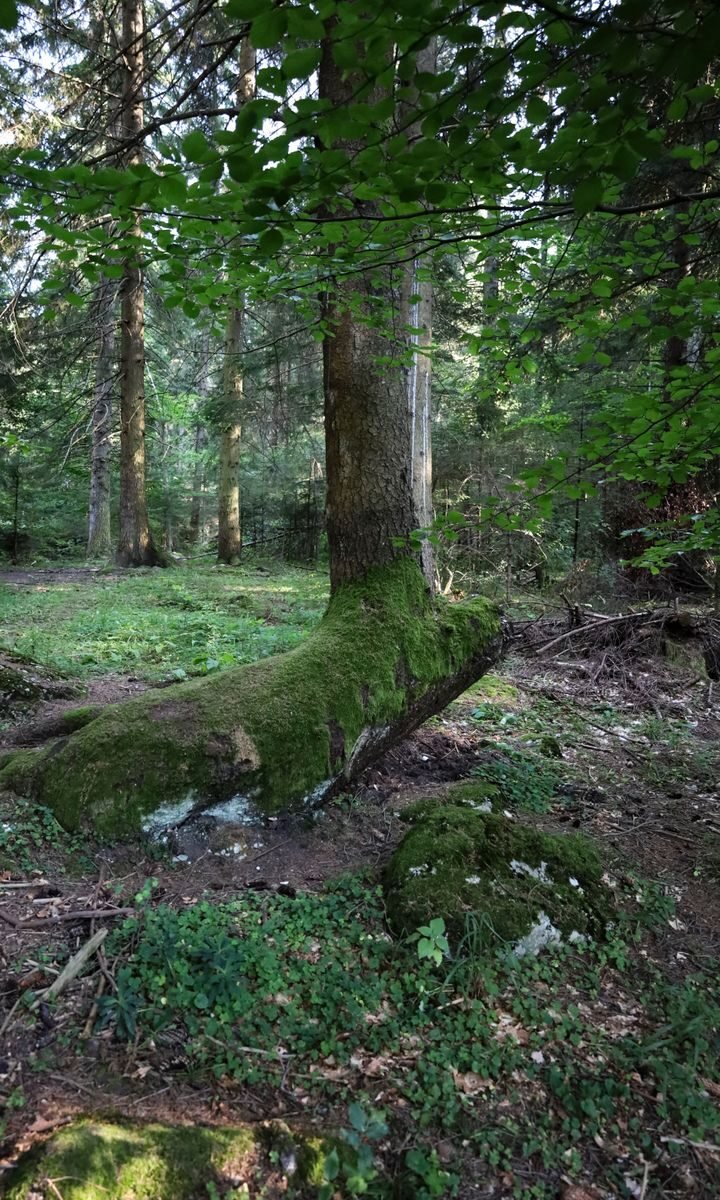
During my studies, I had the opportunity to observe and work with forest trees, especially silver birch. I noticed how ozone and sunlight hitting the leaves affect growth, how soil moisture shapes the roots, and how the trees interact with other plants and organisms around them. The forest floor is alive. Fallen leaves, fungi, and tiny microbes all work together to recycle nutrients.
In grasslands and deserts, the rules are the same but the challenges are different. Grasslands have plants competing for sunlight and water, while desert plants have special adaptations to survive with very little water.
Even small changes in soil or temperature can affect which plants thrive. In tundra regions, the cold slows decomposition. Nutrients stay locked in the soil longer, so plants have to make the most of what’s available.
Seeing these systems up close made me understand that ecosystems are not just abstract ideas. They are real, working systems. Even a small patch of soil is full of interactions. Every organism, no matter how tiny, plays a role.
Aquatic Ecosystems
Freshwater and marine ecosystems follow the same basic rules, but everything happens in water. Algae and aquatic plants use sunlight to produce energy. This energy supports insects, small fish, and other organisms that feed on plants. Larger animals then feed on these herbivores.
When plants and animals die, decomposers such as bacteria break down the material. The nutrients released return to the water and become available again for plants and algae. This process keeps the system functioning over time.
Small freshwater systems, such as ponds or aquariums used in research and teaching, show these processes clearly. Even at a small scale, energy moves through organisms and nutrients cycle between living and non-living parts of the system.
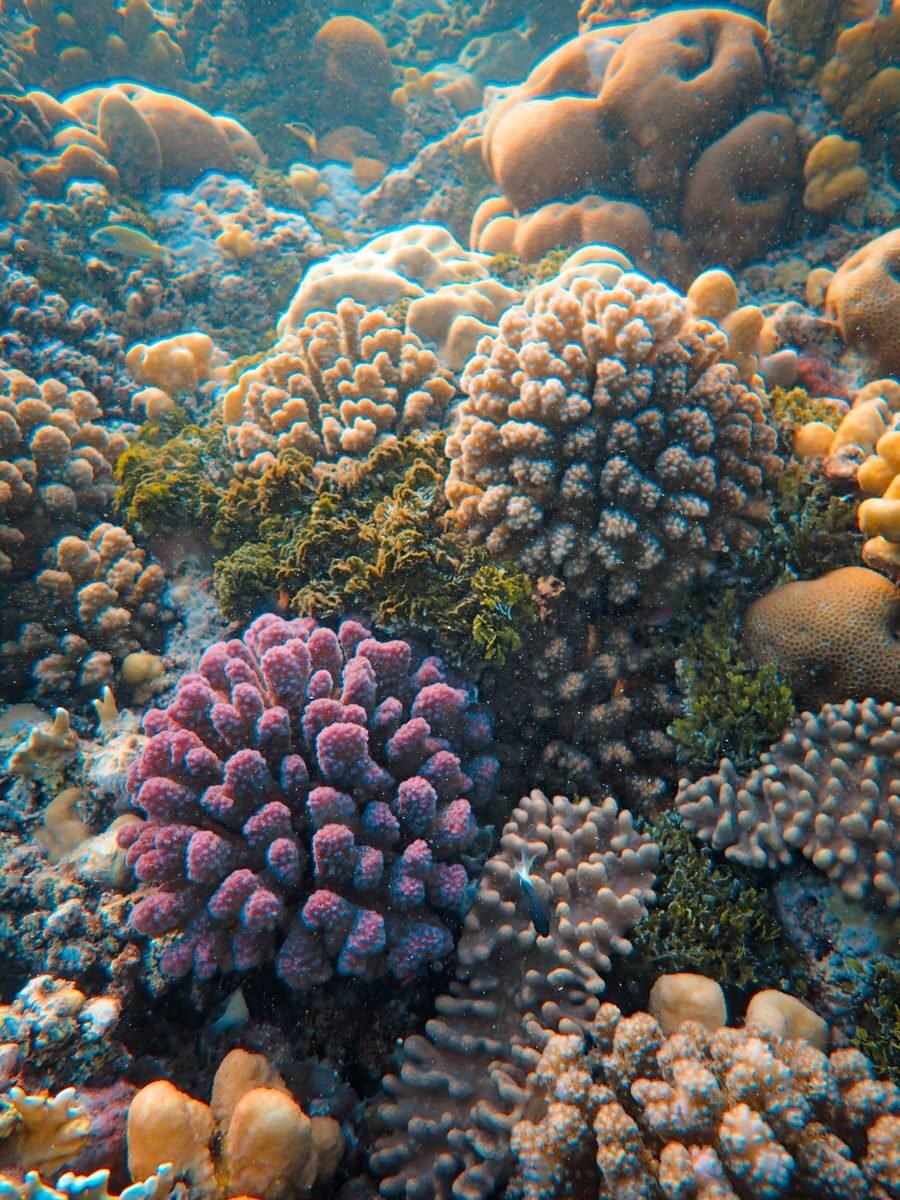
Marine ecosystems, including coral reefs and open oceans, operate in the same way but involve more species and larger areas. Plankton form the base of many marine food webs.
Fish, invertebrates, and other organisms depend on this steady flow of energy and nutrients. During my studies, observing these systems made it clear that changes in water conditions can affect many organisms at once.
Human-Influenced or Indoor Ecosystems
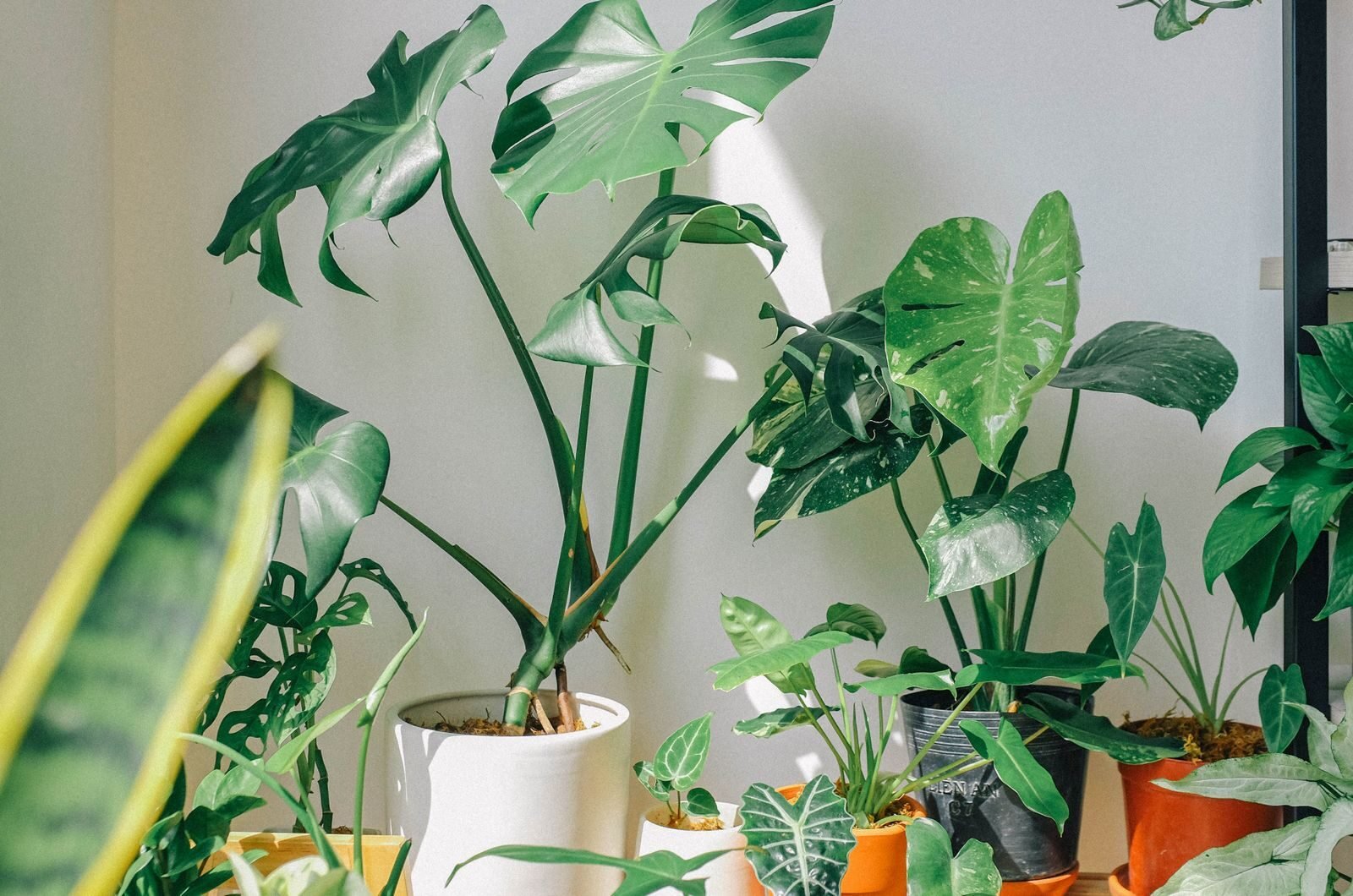
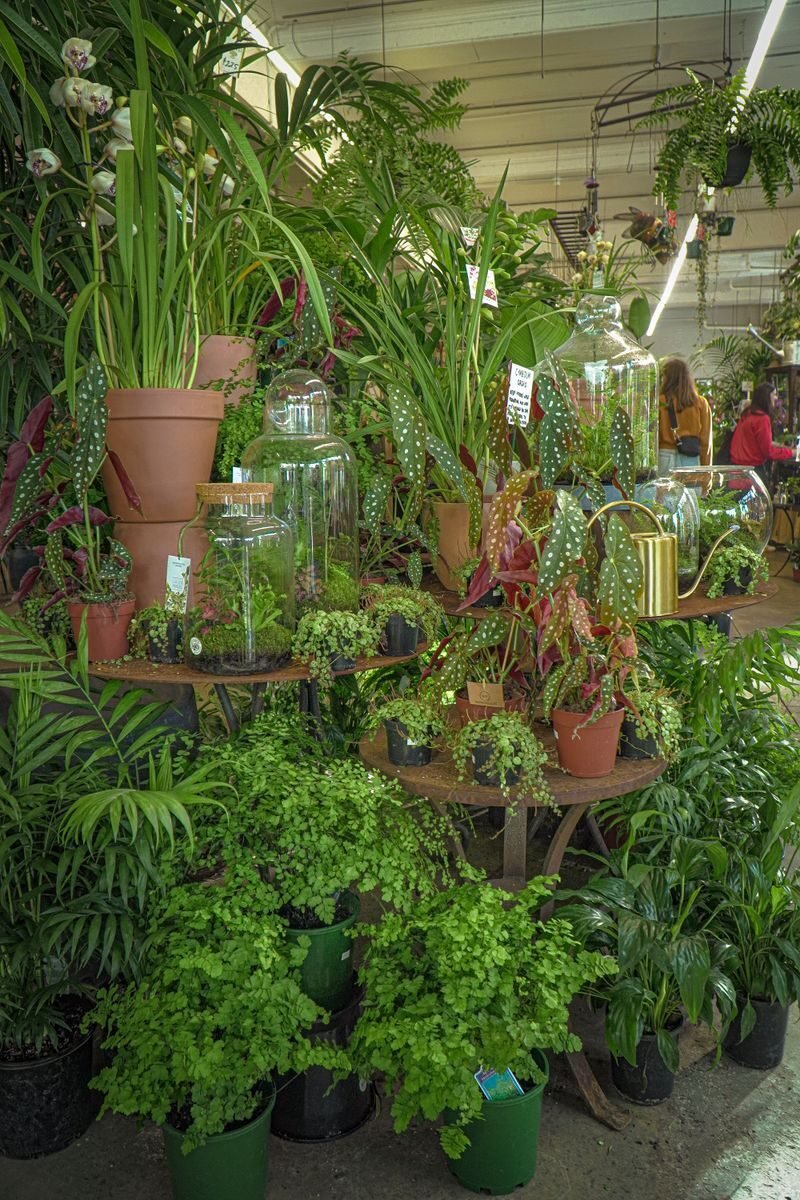
Indoor ecosystems are closer to everyday life. Terrariums and potted plants used in laboratories and classrooms show how plants, soil, and microbes interact over time. Microorganisms in the soil break down organic material and release nutrients that plants can use. Plants, in turn, support these microbes through root activity.
With light and water, these small systems can remain stable for long periods. Nutrients are recycled, and growth continues without constant external input. These controlled setups make it easier to see how ecosystems function at a small scale. They also show that the same basic processes apply in all ecosystems, regardless of size or location.
How Ecosystems Function
Energy Flow
Energy enters every ecosystem through sunlight. Plants capture that energy through photosynthesis, creating chemical energy in the form of sugars.
Herbivores consume the plants, predators feed on herbivores, and decomposers recycle dead material. That flow is continuous, and even in tiny ecosystems like terrariums, it is evident. Watching this in action during lab experiments was one of the moments that made the concept of ecosystems tangible for me.
Nutrient Cycling
During my studies in biogeochemistry, I tracked nitrogen and carbon in forest soils. Microbes decompose organic matter, releasing nutrients back into the soil for plants.
Trees, grasses, and other plants take up these nutrients to grow, continuing the cycle. This process is essential to all ecosystems, large or small, and explains how ecosystems can sustain themselves over long periods.
Interactions Among Organisms
Ecosystems are shaped by interactions like competition, predation, mutualism, and symbiosis. For instance, fungi forming networks with plant roots help plants absorb nutrients more efficiently.
Insects pollinate flowers, ensuring reproduction. Even small indoor ecosystems demonstrate these interactions: mosses, microbes, and tiny invertebrates maintain balance and support growth. These dynamics maintain ecosystem stability, regardless of scale.
FAQs
1. Who defined the ecosystem?
Arthur Tansley, in 1935, described it as a system of interacting organisms and their environment.
2. Are ecosystems part of biology?
Yes. They integrate plant biology, environmental biology, and biogeochemistry, explaining how organisms interact with each other and their environment.
3. Are ecosystems the same as habitats?
No. Habitats are where organisms live; ecosystems are the networks of interactions in those habitats.
4. Are ecosystems the same as biomes?
No. Biomes are large ecological zones, while ecosystems are functional units within them.
5. What ecosystem are we in?
Depending on where you are, humans inhabit urban, forest, grassland, or indoor plant ecosystems. Regardless of location, the interactions remain the same.
Conclusion
Studying botany, forests, and indoor systems showed me how energy moves through living organisms and how nutrients are reused over time. Even a small amount of soil contains many microorganisms that support plant growth above the surface.
Seeing these processes in real settings helped me understand ecosystems as real, working systems rather than ideas found only in textbooks. Learning how ecosystems function makes it easier to notice the connections between living organisms and the environments around them.
For those who want to explore these topics further, the resources and shop sections include online courses that explain plant biology, ecosystems, and environmental processes in more depth.
They can be a helpful way to continue learning at your own pace and build on the ideas discussed here.