



This article was written and reviewed by Serge, MSc. I hold degrees in Plant Biology, Environmental Biology and Biogeochemistry, with research experience in plant physiology, ecosystem science, and field-based environmental studies. Every article on this site is grounded in real academic training and genuine scientific research.
Affiliate disclosure: This site has affiliate links, including Amazon. As an Amazon Associate I earn from qualifying purchases, at no extra cost to you.
Last summer, I was sitting outside at a small coffee shop with a friend, and we kept looking at the flowers in the garden across the street.
They looked so bright, healthy, and well-kept. My friend asked, “How do people make their gardens look like that?”
I laughed because I used to think the same thing. Gardening isn’t just about having nice plants, it’s about knowing a bit, having the right tools, and learning the skills to use them. From a distance, it looks simple, but when you actually do it, the right tools and knowledge make a big difference.
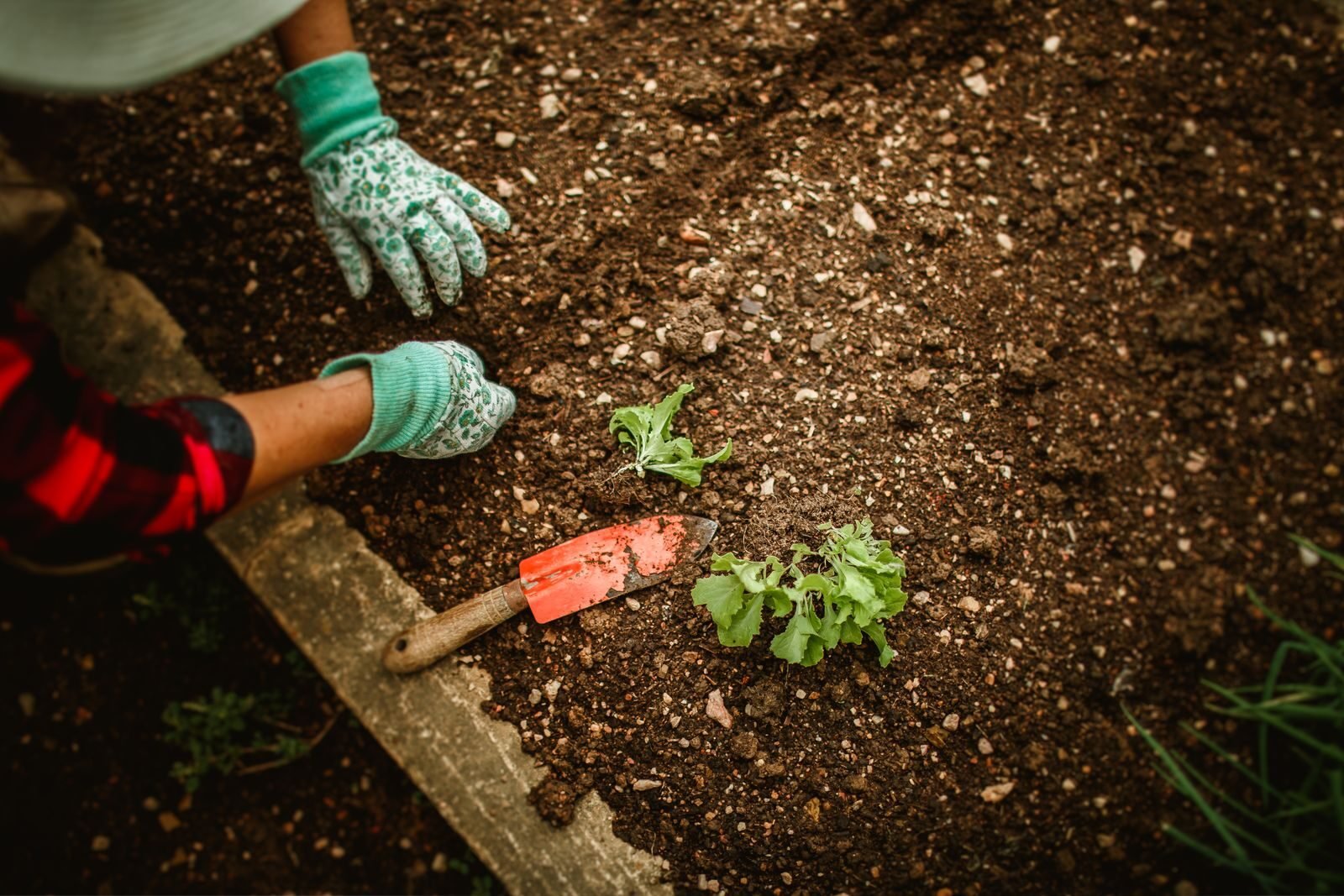
I remember my first season. I thought I could use whatever was around, an old spoon, a dull knife, even my hands, and it would be fine. But while transplanting a small tomato seedling, the soil kept falling apart, my hands hurt, and I realized a proper trowel would have made it much easier.
That’s when I understood: some tools aren’t optional. They make gardening easier and more manageable.
So, where can you get your tools? You have two main choices: local stores or online. Each has good and bad points.
Local Stores
Local stores are usually the first place people check. Garden centers, hardware stores, or even big-box retailers. The biggest advantage is that you can see and feel the tools. I can’t tell you how many times I picked up a spade in a store and realized it felt way too heavy for me. That saved me a lot of sore arms later.
Staff at local stores can be surprisingly helpful too. One time, I was staring at a row of pruners, completely confused. A store employee came over and explained the difference between bypass pruners and anvil pruners. That one short conversation saved me from buying a tool I would never have used properly.
Another bonus: you can take your tools home immediately. No waiting for shipping, no worrying about delivery costs. The downside is that selection can be limited. Some specialized tools might not be in stock, prices vary, and seasonal stock is sometimes an issue.
Online Options
Then there’s online shopping. I’ll admit, I was skeptical at first. How could I know if a tool was any good without holding it? But the variety online is impressive. Ergonomic trowels, lightweight spades, pruners that fit perfectly in your hand, things I never saw in my local store.
Customer reviews are a lifesaver. Reading about other gardeners’ experiences helped me avoid tools that bent too easily or were uncomfortable. Some sites even have videos showing the tools in action, which is surprisingly helpful.
The biggest advantage is convenience. You can browse multiple stores from home, compare prices, and have tools delivered to your door. Downsides include not being able to test them first, variable shipping costs, and sometimes tricky returns for big or heavy items.
Tips for Choosing Where to Buy
Here’s what I’ve learned about picking the right store:
1- Compare Prices
Don’t grab the first tool you see. Prices can vary a lot. I once bought a hand fork locally for $12, then saw the same one online for $7 with free shipping. Little differences like that add up.
2- Check Warranties and Guarantees
Some tools come with coverage or satisfaction guarantees. My first pruners bent after a few uses, lesson learned. Now I always check for warranties, especially on pricier tools.
3- Test or Read Reviews
Comfort matters. A tool that hurts your hand will make gardening a chore. Try it in-store or read detailed reviews online. Look for mentions of weight, grip, and durability. Those small details make a big difference.
4- Think About Convenience
Decide what’s most important to you. Do you want the tool immediately? Local stores win. Want more options or better deals? Online shopping is your friend. I usually do a mix, basic tools locally, specialized ones online.
5- Ask Around
Advice from other gardeners is priceless. I joined a few online forums and local community groups, and their recommendations saved me time and money. Real gardeners know which tools last, which are comfortable, and which are just gimmicks.
Some Personal Lessons
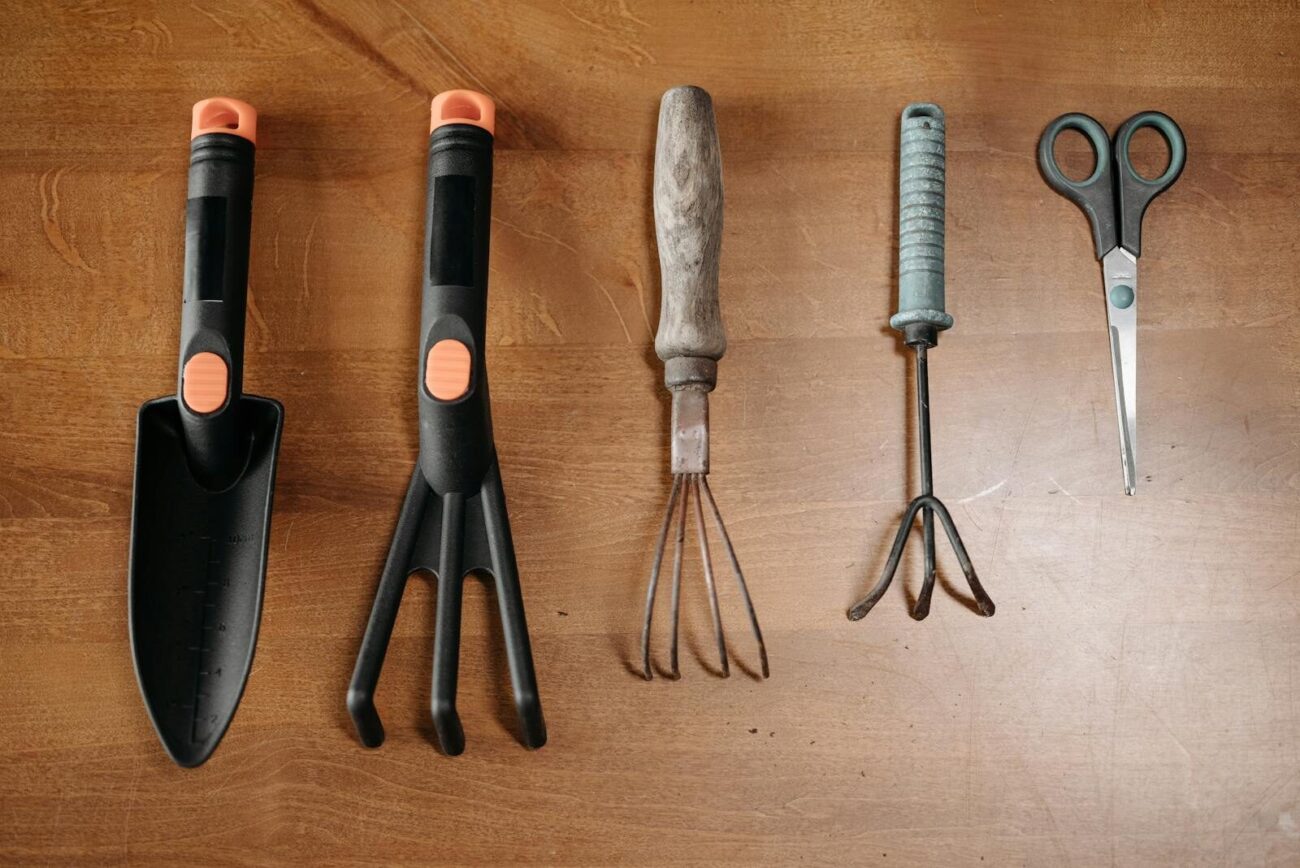
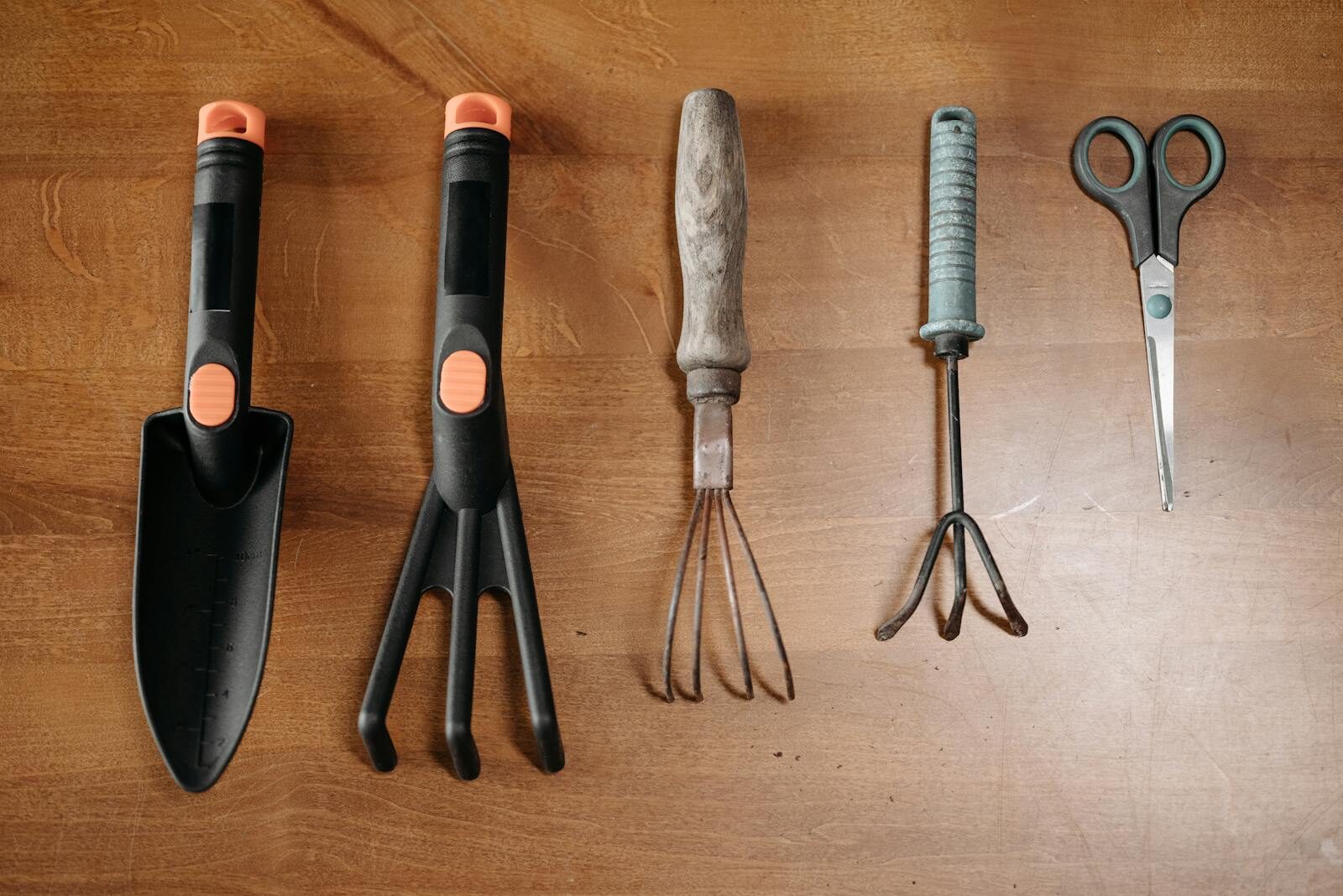
Sometimes you don’t know you need a tool until you’re in the middle of a task. For instance, I thought a small hand rake was unnecessary. Then I planted a dozen seedlings in a raised bed and had to smooth the soil without disturbing them.
Using my fingers was messy and slow. The next day, I bought a tiny rake. That one purchase made similar tasks much faster and less frustrating.
Another one: a garden knife, or hori hori. I didn’t think I’d use it often. But when I needed to dig out stubborn roots while dividing perennials, it handled digging, cutting, and measuring depth all at once. I realized I could have avoided juggling multiple tools that day if I had it from the start.
FAQs I Get All the Time
Are local stores better than online?
Depends. Local stores give hands-on experience and immediate access. Online stores offer variety, detailed info, and convenience.
Can I get good tools on a budget?
Yes. Look for seasonal sales, clearance items, or bundles. Durable tools don’t have to cost a fortune.
Where can I find ergonomic tools?
Specialty gardening stores or online retailers usually highlight ergonomic designs. Reviews help a lot too.
Are tool rentals an option?
Yes. Some community gardens or hardware stores rent larger or less-used equipment, saving money and storage space.
What about international shipping?
Many online stores offer it, but shipping costs and delivery times vary. Always check the policies.
How do I judge a tool online?
Read descriptions carefully, study photos, and check multiple reviews. Return policies provide reassurance if something isn’t right.
Conclusion
Choosing where to buy gardening tools is almost as important as picking the tools themselves. Local stores give you hands-on experience and instant access. Online stores offer variety, detailed info, and convenience. Balancing price, comfort, ergonomics, and availability helps you build a set of tools that actually works for your garden.
Investing a little in the right tools makes everyday gardening easier. It’s less frustrating, more enjoyable, and keeps your plants healthier. Compare sources, read product details, and think about what feels good in your hands. Over time, you’ll have a set of tools you actually like using, and that’s what makes gardening feel natural, not like work.
And for anyone curious about quality options, check out the recommended gardening tool brands for some great picks. New to it all? The beginner’s guide to setting up a garden makes getting started a lot less stressful.
Once your tools are sorted, the next step is growing, and that’s where these vegetable and edible growing guides come in, covering planting, spacing, crop rotation, and harvest in plain, science-based steps as instant digital downloads.