





This article was written and reviewed by Serge, MSc. I hold degrees in Plant Biology, Environmental Biology and Biogeochemistry, with research experience in plant physiology, ecosystem science, and field-based environmental studies. Every article on this site is grounded in real academic training and genuine scientific research.
Affiliate disclosure: This site has affiliate links, including Amazon. As an Amazon Associate I earn from qualifying purchases, at no extra cost to you.
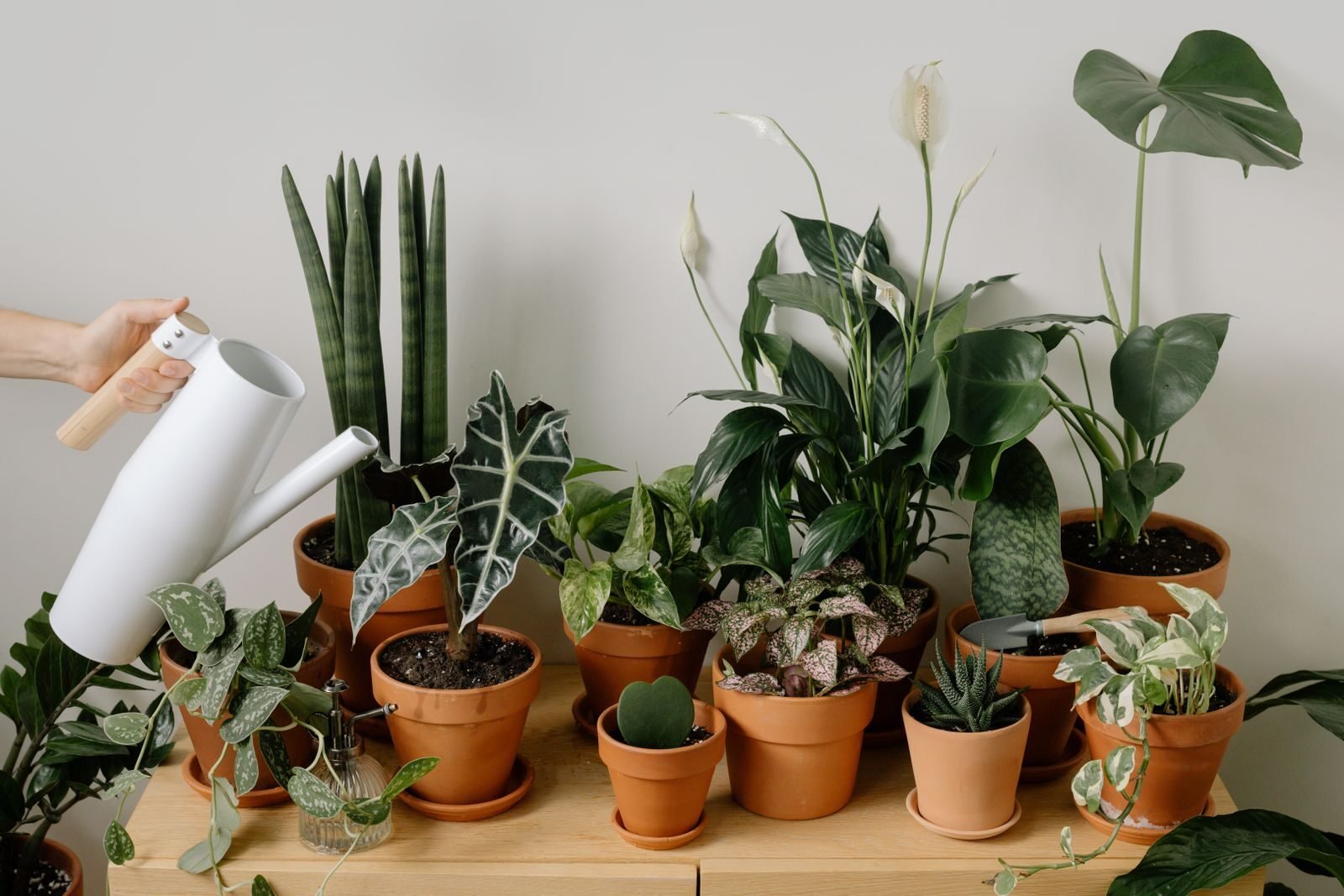
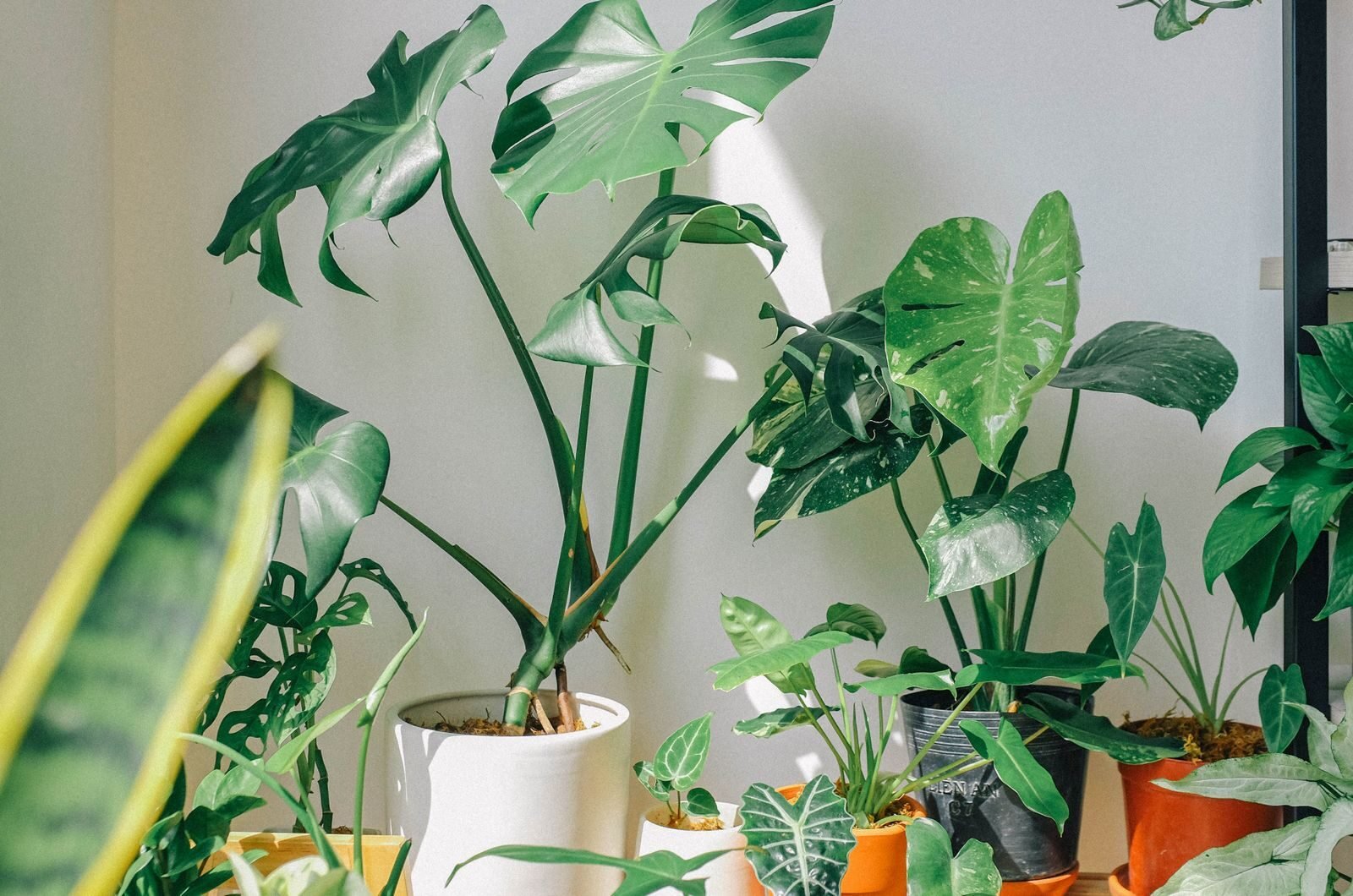
Indoor plants are more than just decorative accents, they are living systems that interact with the air in our homes. Through photosynthesis, they produce oxygen and help maintain a balanced indoor environment.
Knowing which plants produce the most oxygen, how they work, and how to care for them enables indoor gardeners to cultivate healthier and more lively spaces.
While popular media sometimes exaggerates claims about indoor air purification, scientific research shows that indoor plants can meaningfully improve air quality, particularly when multiple species are used.
A comprehensive review of studies on vertical greenery systems highlights the benefits of indoor plants for air quality, thermal comfort, and well-being, including reduced stress and a stronger connection to nature.
In this article, we’ll explore the top indoor plants for oxygen production, how they perform this vital function, which ones are easiest to care for, and practical tips for placement and maintenance.
Top Oxygen-Producing Plants
Some plants, like snake plant, pothos, and aloe vera, are especially effective at producing oxygen indoors and are highly resilient.
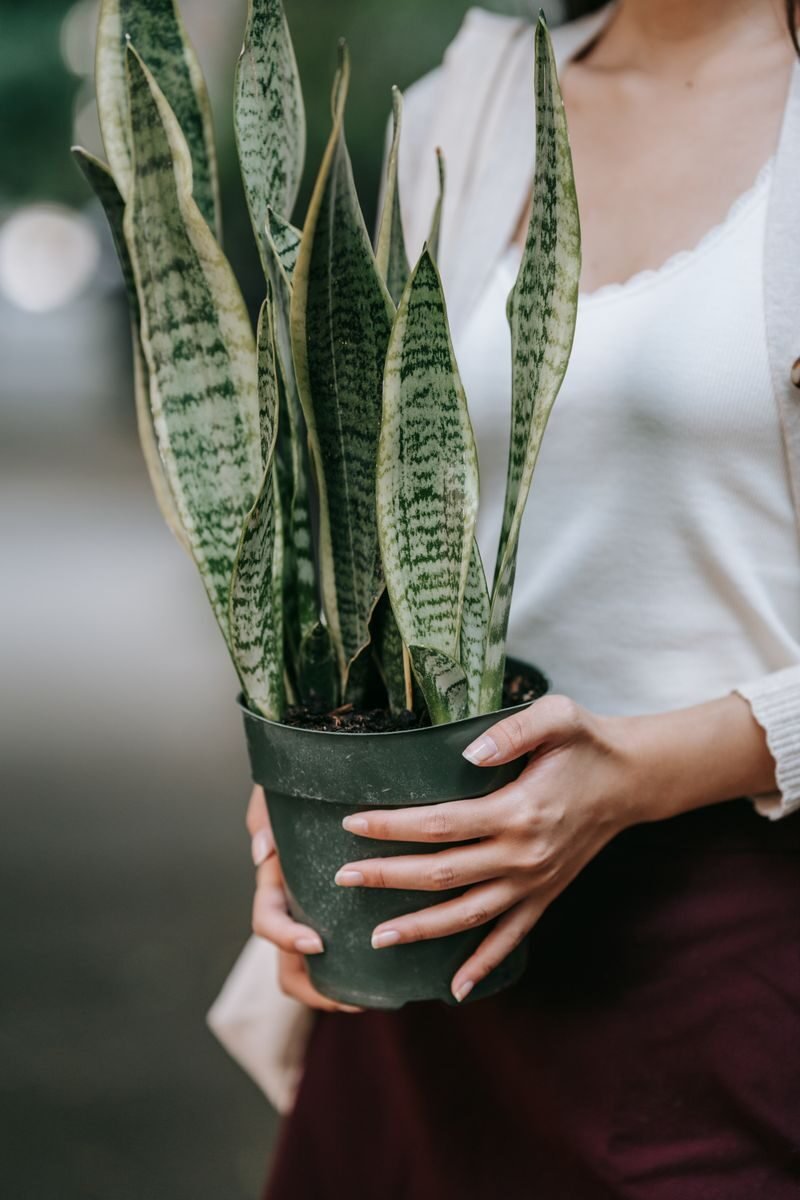
The snake plant (Sansevieria trifasciata) is often called the “mother-in-law’s tongue.” It is a succulent that stores water in its leaves, allowing it to survive periods of drought.
Snake plants perform a form of photosynthesis called Crassulacean Acid Metabolism (CAM), which means they can absorb carbon dioxide and release oxygen at night as well as during the day. This makes them a popular choice for bedrooms and spaces where continuous oxygen production is desirable.
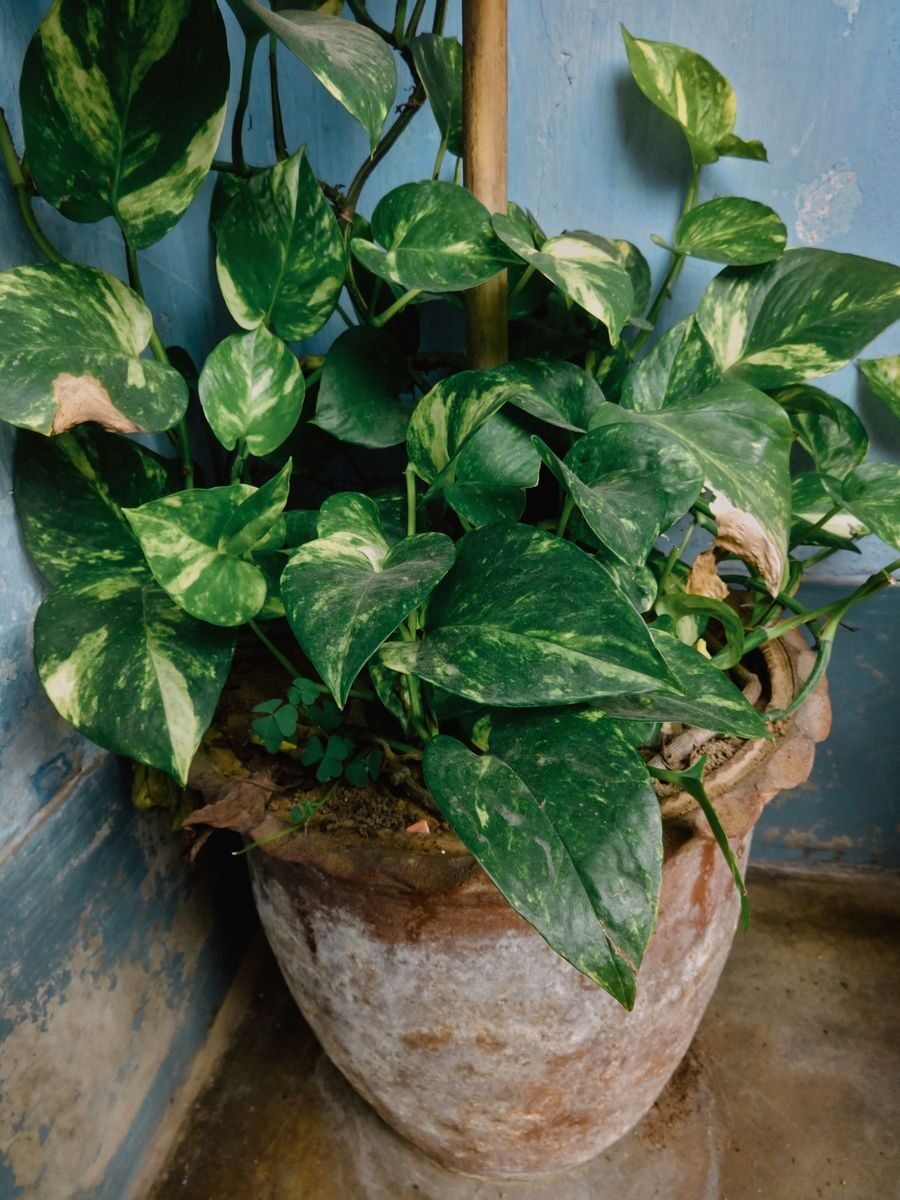
Pothos (Epipremnum aureum) is a trailing vine that grows well in low-light conditions. Its broad leaves contain chlorophyll, which efficiently captures light energy to convert carbon dioxide into sugars and oxygen.
Pothos is adaptable and can be grown in soil or water, making it suitable for various indoor setups.
Aloe vera is another low-maintenance succulent that thrives indoors. Like the snake plant, it uses CAM photosynthesis, allowing it to release oxygen during nighttime hours. In addition, aloe vera is known for its thick, fleshy leaves, which store water and help the plant endure irregular watering schedules.
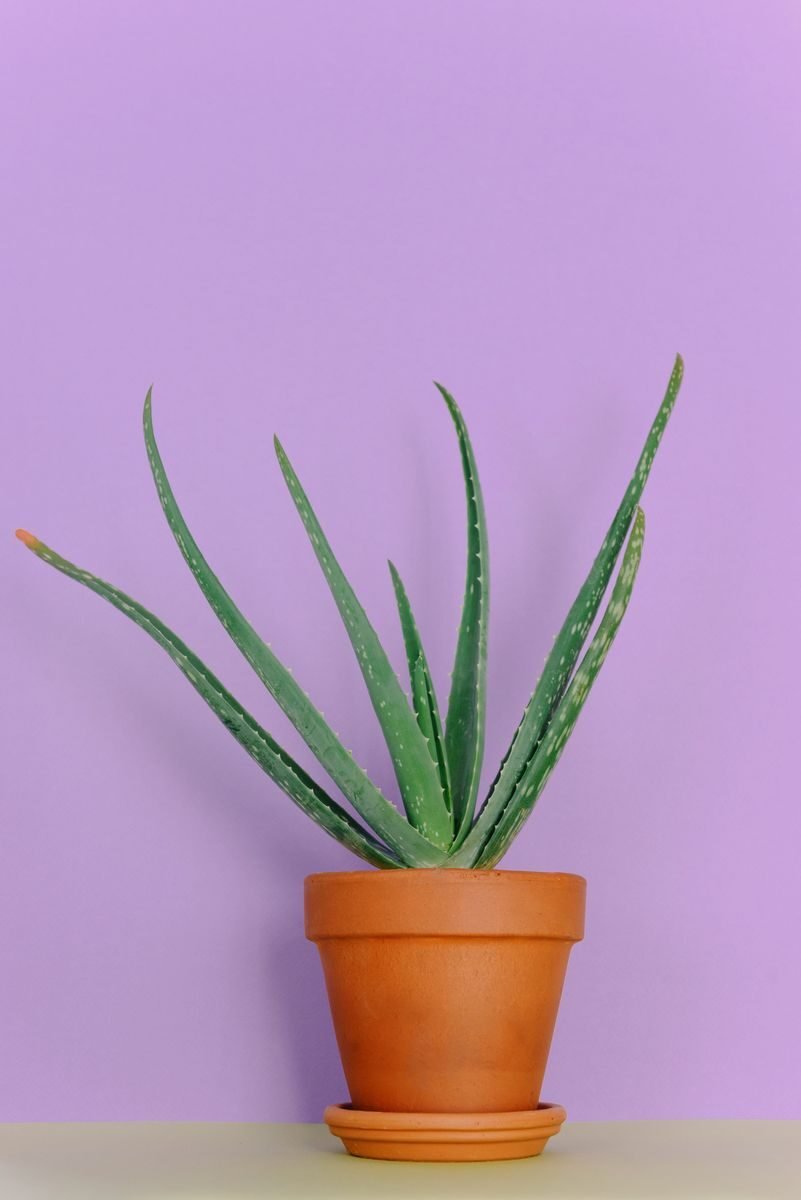
Other notable indoor plants include spider plants (Chlorophytum comosum), peace lilies (Spathiphyllum spp.), and areca palms (Dypsis lutescens).
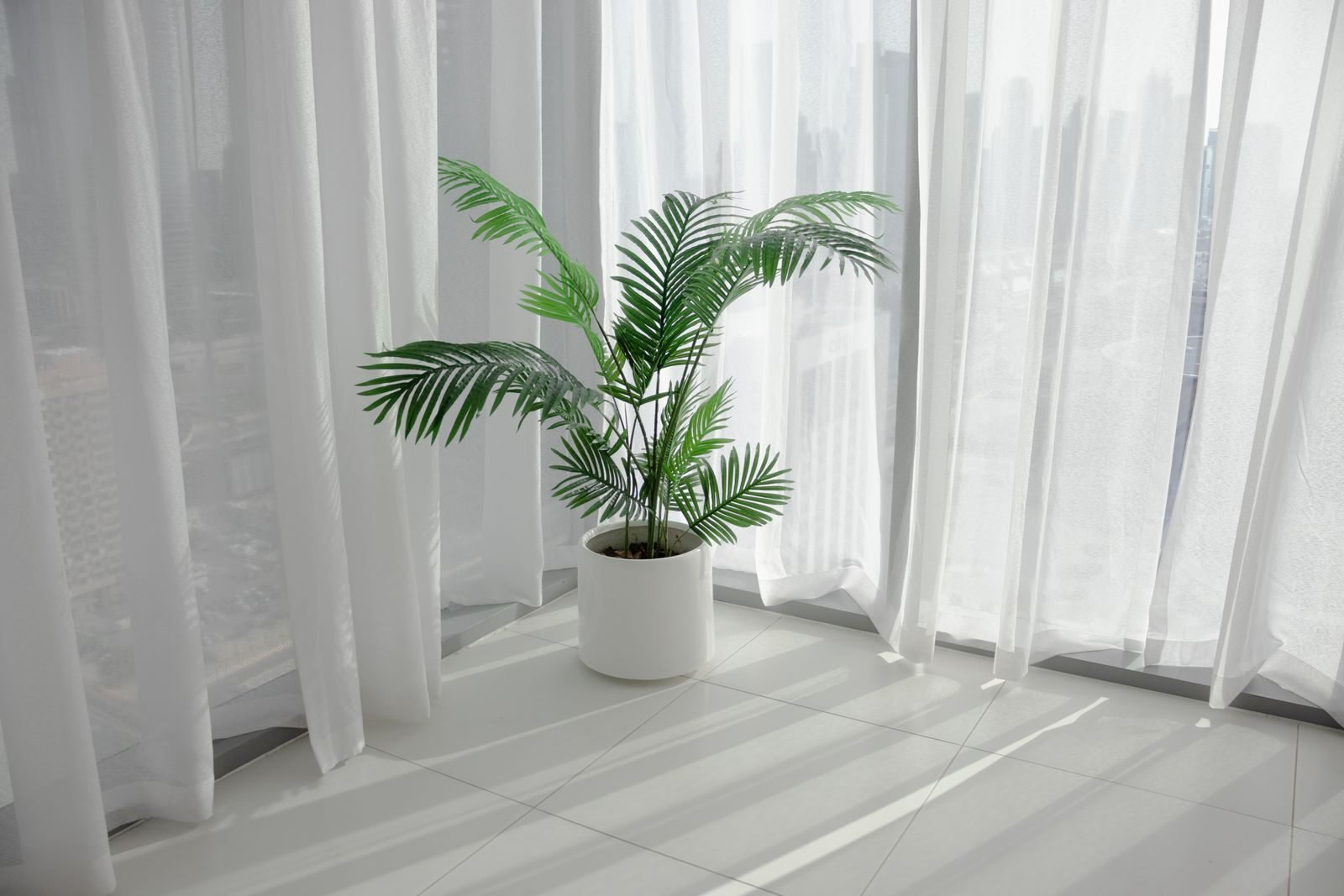
These plants not only produce oxygen but can also help regulate humidity and remove certain airborne compounds from indoor environments.
Low-Maintenance Plants for Beginners
For those new to indoor gardening, selecting plants that require minimal care ensures long-term success. Snake plants, pothos, and aloe vera are excellent starting points because they tolerate a range of light conditions and infrequent watering.
Spider plants are another beginner-friendly option. They grow quickly, tolerate indirect light, and produce small offshoots, or “spiderettes,” which can be propagated to create new plants.
Peace lilies are attractive flowering plants that can grow in low-light conditions. They require more regular watering but reward gardeners with glossy leaves and occasional white blooms.
For a slightly larger, visually striking plant, areca palms provide both oxygen and humidity regulation. They grow taller and add a tropical aesthetic but require bright, indirect light and consistent watering.
Choosing hardy, adaptable plants helps ensure continuous oxygen production without extensive care, making them ideal for busy households or beginners.
Scientific Explanation: How Plants Produce Oxygen and Filter Air
Plants produce oxygen through photosynthesis, a process in which they use light energy to convert carbon dioxide and water into sugars and oxygen. Chlorophyll, the green pigment in leaves, absorbs sunlight and powers the chemical reactions.
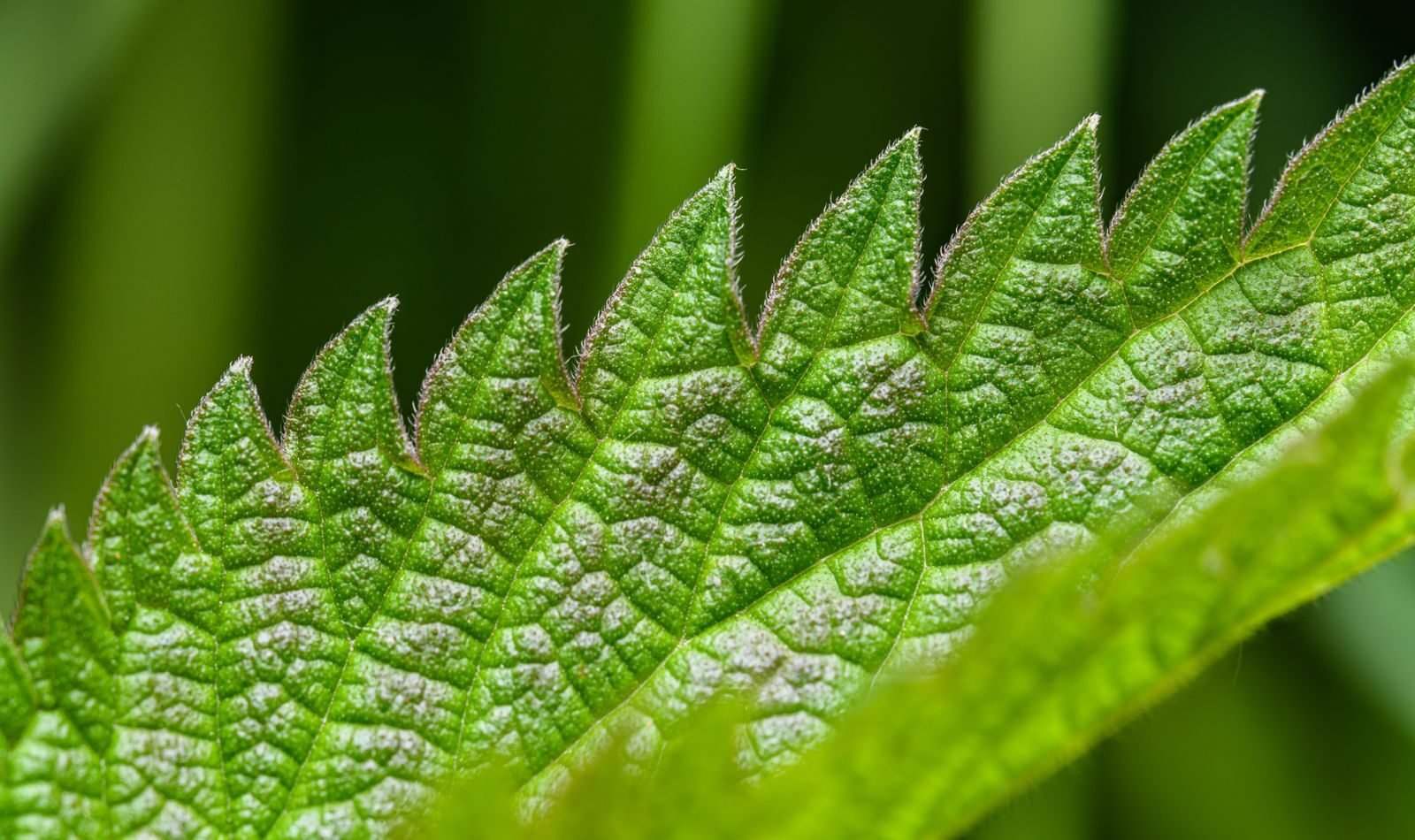
During photosynthesis, plants take in carbon dioxide through tiny openings called stomata, usually located on the underside of leaves. Water absorbed by roots travels through the plant’s vascular system to the leaves, where it participates in chemical reactions powered by sunlight. Oxygen is released as a byproduct through the stomata.
Some plants, particularly succulents like snake plants and aloe vera, use CAM photosynthesis, which allows them to open their stomata at night to absorb carbon dioxide. This adaptation conserves water and enables oxygen release even when sunlight is unavailable.
While indoor plants do produce oxygen, it is important to note that a single plant produces a limited amount of oxygen. The cumulative effect of multiple plants, however, can contribute noticeably to indoor air quality.
Additionally, some studies suggest that certain plants can remove volatile organic compounds (VOCs), such as formaldehyde and benzene, from the air, although the effect is modest in a typical home setting.
Placement and Care Tips
Proper placement and care maximize the oxygen production and overall health of indoor plants. Light is a primary factor: most oxygen-producing plants need bright, indirect sunlight. Succulents like snake plants and aloe vera tolerate lower light but still benefit from a few hours of direct sun if available.
Watering should match each plant’s needs. Overwatering is a common cause of indoor plant stress, leading to root rot and reduced oxygen production. Succulents require infrequent watering, while leafy plants like pothos or peace lilies may need more regular moisture. Checking the soil’s moisture before watering is a simple way to prevent overwatering.
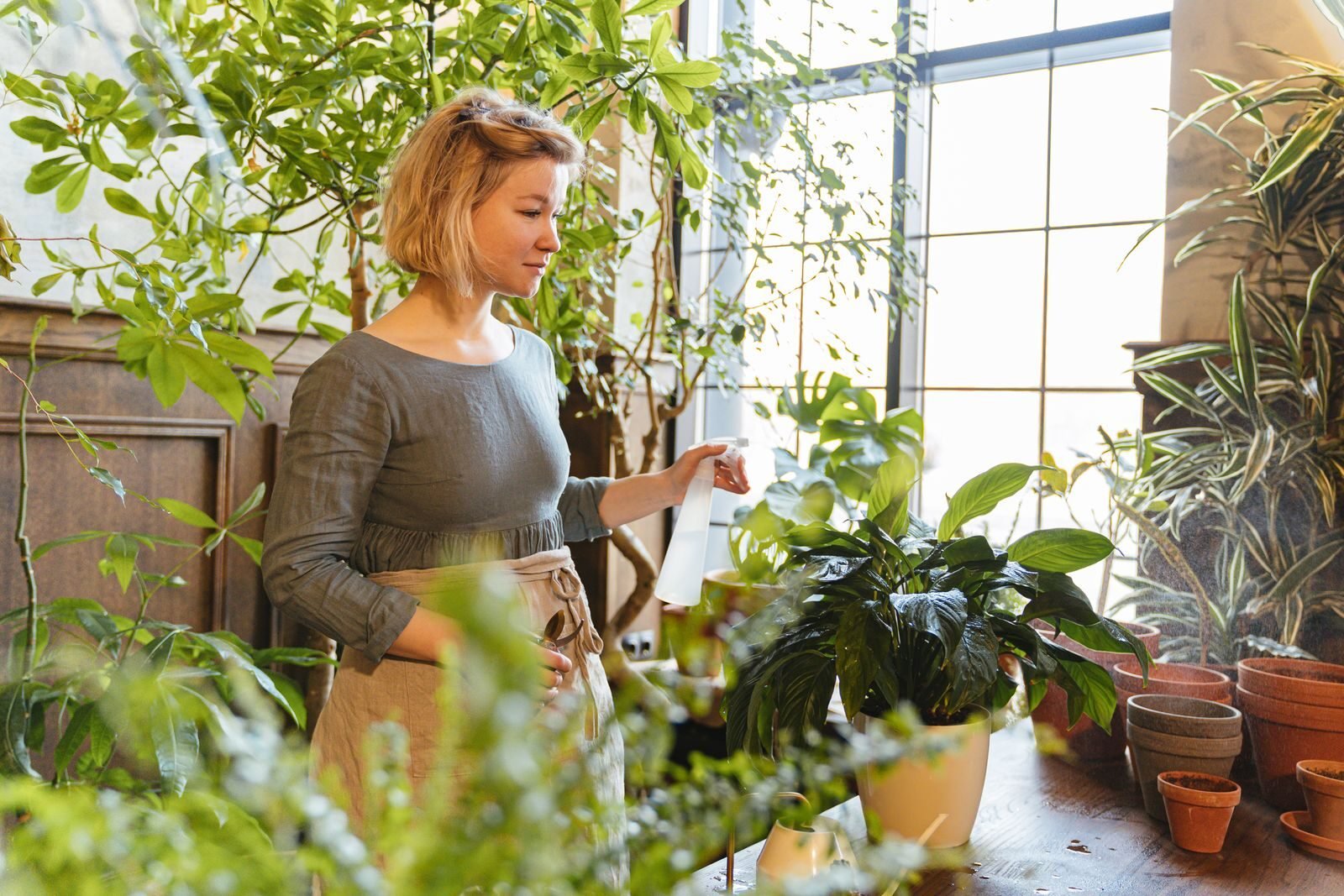
Temperature and humidity also influence plant health. Most indoor plants thrive in temperatures between 65–75°F (18–24°C). Some, like areca palms, appreciate higher humidity levels, which can be maintained by occasional misting or grouping plants together.
Cleaning leaves occasionally improves photosynthesis efficiency. Dust on leaves can block sunlight and reduce oxygen output. Wiping leaves gently with a damp cloth or rinsing them under a soft stream of water keeps them healthy.
Placement matters too. Grouping plants near living areas, workspaces, or bedrooms ensures that oxygen production benefits the spaces where people spend the most time. While a single plant in a corner may contribute modestly, several plants distributed around a room can create a more noticeable effect.
Summary: Top Indoor Oxygen-Producing Plants
| Plant | Benefits | Care Level | Notes |
|---|---|---|---|
| Snake Plant | Produces oxygen at night, low water | Easy | Ideal for bedrooms |
| Pothos | Adaptable, grows in low light | Easy | Can be grown in soil or water |
| Aloe Vera | Releases oxygen at night, drought-tolerant | Easy | Thick leaves store water |
| Spider Plant | Fast-growing, removes some toxins | Easy | Produces offshoots for propagation |
| Peace Lily | Flowers indoors, improves humidity | Moderate | Needs regular watering |
| Areca Palm | Adds height, humidity regulation | Moderate | Requires bright, indirect light |
This table summarizes the most practical indoor plants for oxygen production and basic care guidance. By combining a few of these species, indoor gardeners can create a diverse and resilient plant collection that supports a healthier indoor environment.
FAQs
1. Can one plant significantly improve air quality indoors?
A single plant contributes only a small amount of oxygen and minor VOC removal. Multiple plants in a room increase the cumulative effect.
2. Which plants produce oxygen at night?
Succulents like snake plants and aloe vera use CAM photosynthesis, releasing oxygen at night while conserving water.
3. How much light do oxygen-producing plants need?
Bright, indirect sunlight is ideal for most species. Some, like snake plants and pothos, tolerate lower light conditions.
4. Can indoor plants survive if I forget to water occasionally?
Yes, many hardy plants like snake plants, aloe vera, and pothos tolerate infrequent watering, though prolonged neglect may reduce their efficiency.
5. How can I maximize oxygen output from indoor plants?
Provide appropriate light, maintain proper watering, keep leaves clean, and place multiple plants throughout living areas for cumulative effect.
Indoor plants not only beautify a home but also actively participate in producing oxygen and supporting balanced indoor air. Selecting hardy, fast-growing plants like snake plants, pothos, and aloe vera, providing proper care, and understanding the science behind photosynthesis allows gardeners to optimize the benefits of their indoor garden.
Even modest collections of well-cared-for plants contribute to cleaner air and a more natural, peaceful indoor environment.