

This article was written and reviewed by Serge, MSc. I hold degrees in Plant Biology, Environmental Biology and Biogeochemistry, with research experience in plant physiology, ecosystem science, and field-based environmental studies. Every article on this site is grounded in real academic training and genuine scientific research.
Affiliate disclosure: This site has affiliate links, including Amazon. As an Amazon Associate I earn from qualifying purchases, at no extra cost to you.
It often begins quietly, with an empty pot, a packet of seeds, and a simple thought: What if I tried?
For many beginners, indoor gardening starts with random attempts, placing plants wherever there’s space, guessing when to water, hoping something survives. It can feel confusing, even discouraging at first.
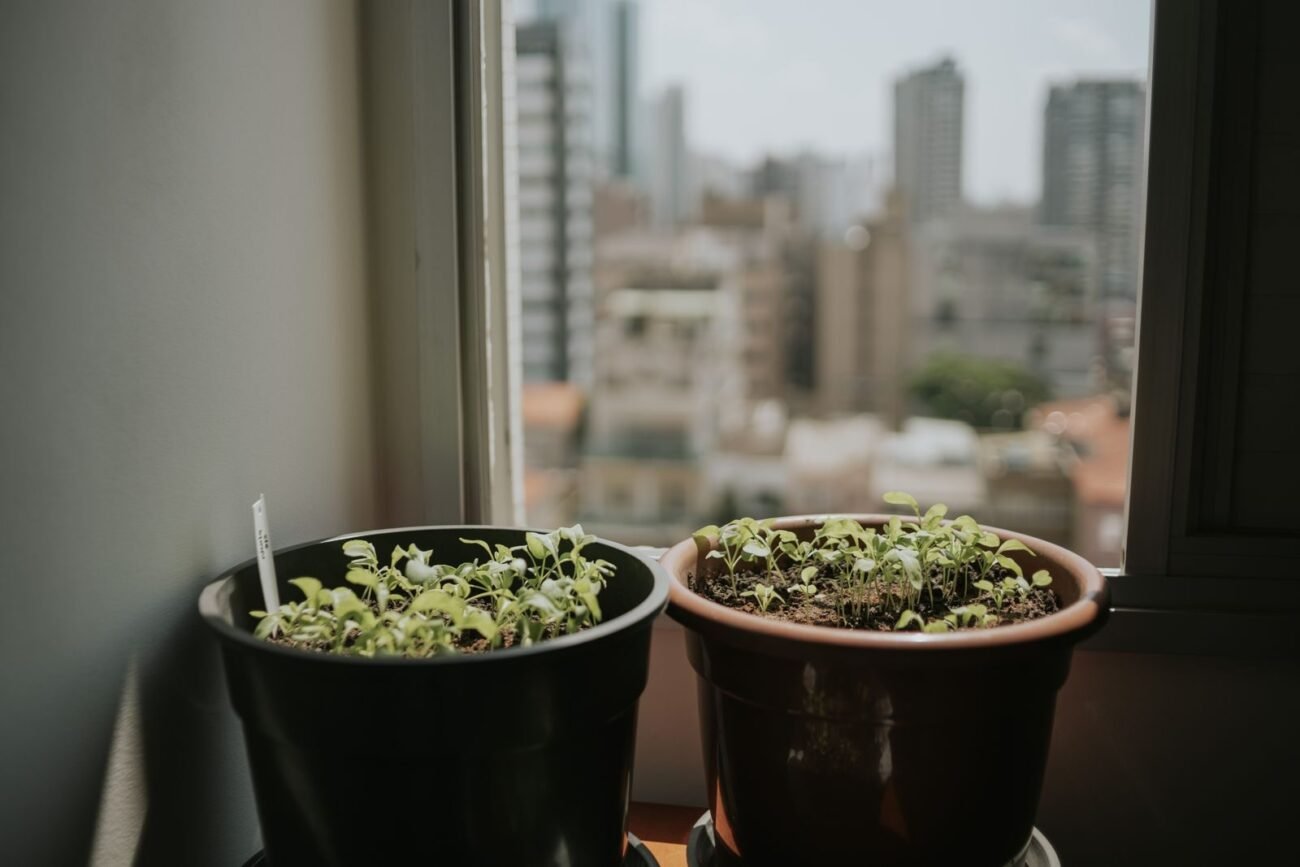
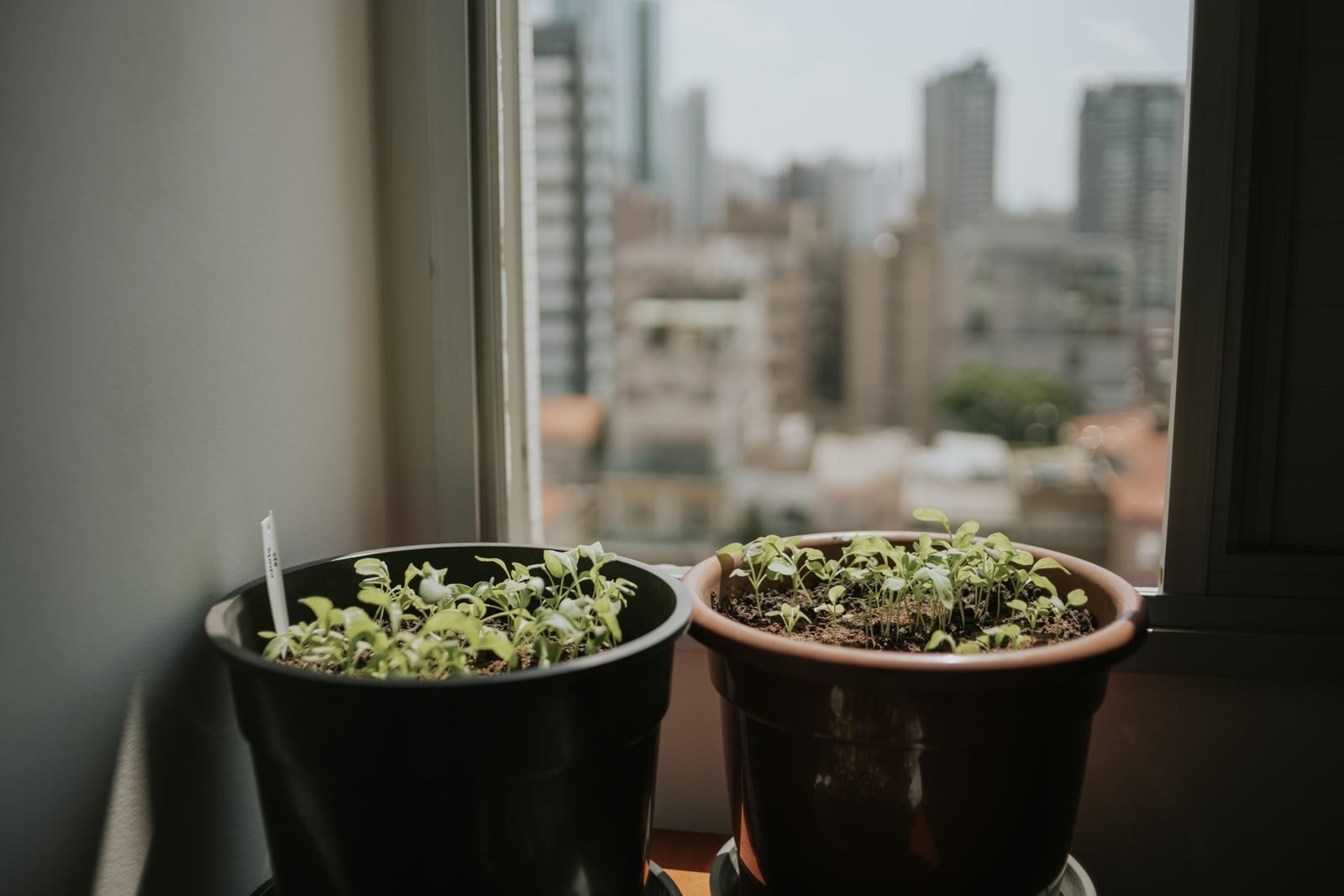
But every successful garden grows from those early trials. One day, a seed finally sprouts. A leaf turns toward the window. You begin to understand what your plants need. Even in a small apartment or on a sunny windowsill, these moments feel like tiny victories.
This guide is here to replace guesswork with confidence. Step by step, you’ll learn how to start indoor gardening the right way, care for your first plants, and avoid common mistakes. By the end, you won’t just grow plants, you’ll grow patience, joy, and trust in the process.
Beginner Essentials: Containers, Soil, Seeds, and Water Tools
Starting an indoor garden requires only a few basic supplies. Understanding what each does will help your plants grow strong and healthy.
Containers
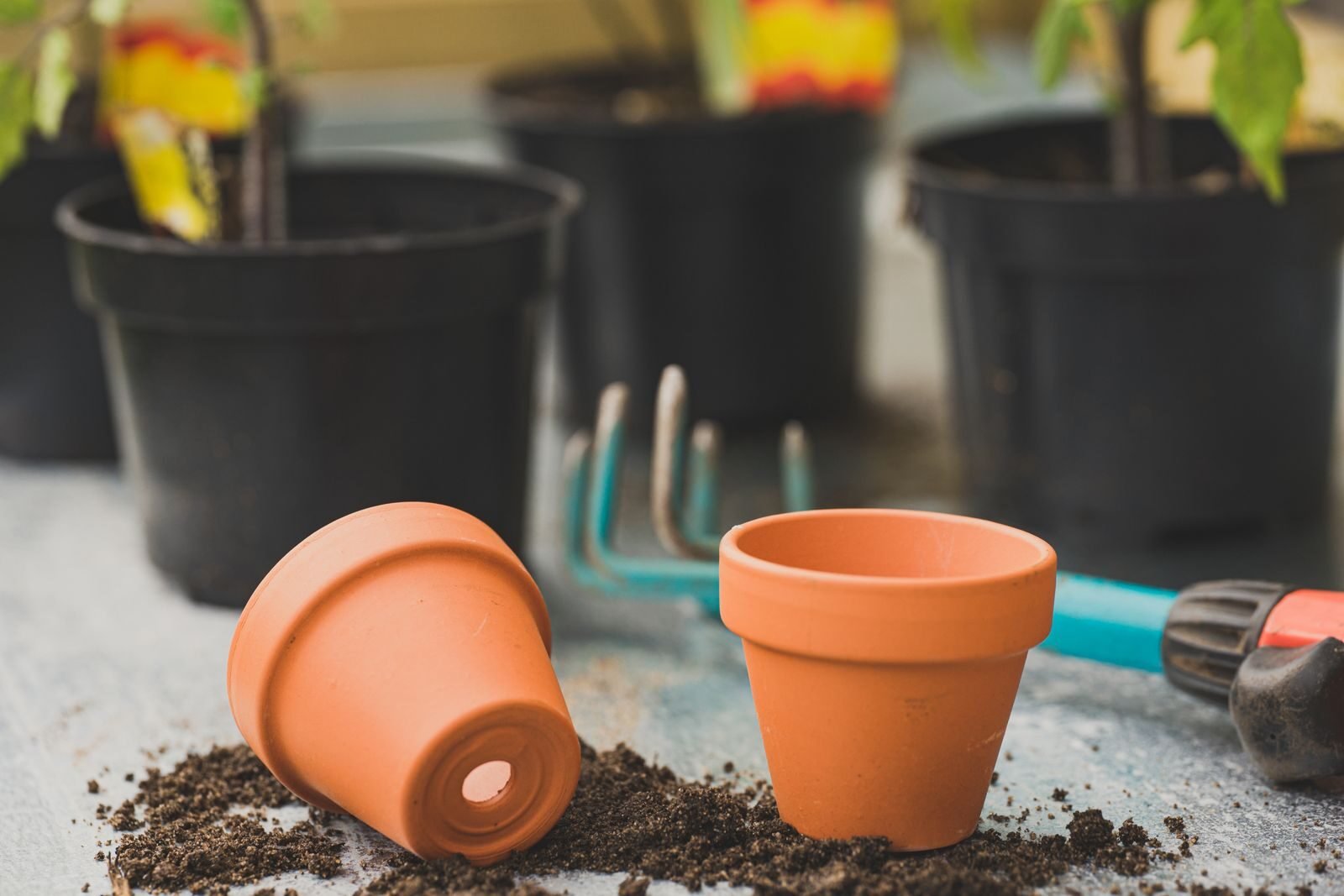
Containers come in many shapes and sizes, from small pots to larger trays. The most important feature is drainage, holes at the bottom let excess water escape and prevent root rot. Small seed trays, ceramic pots, recycled jars, or even egg cartons work well for starting seeds.
Choosing the right container also helps manage space efficiently. Shallow trays are perfect for microgreens and herbs, while deeper pots are better for vegetables with larger root systems, such as tomatoes or radishes. Labeling each container with the plant name can help track growth and avoid confusion.
Soil
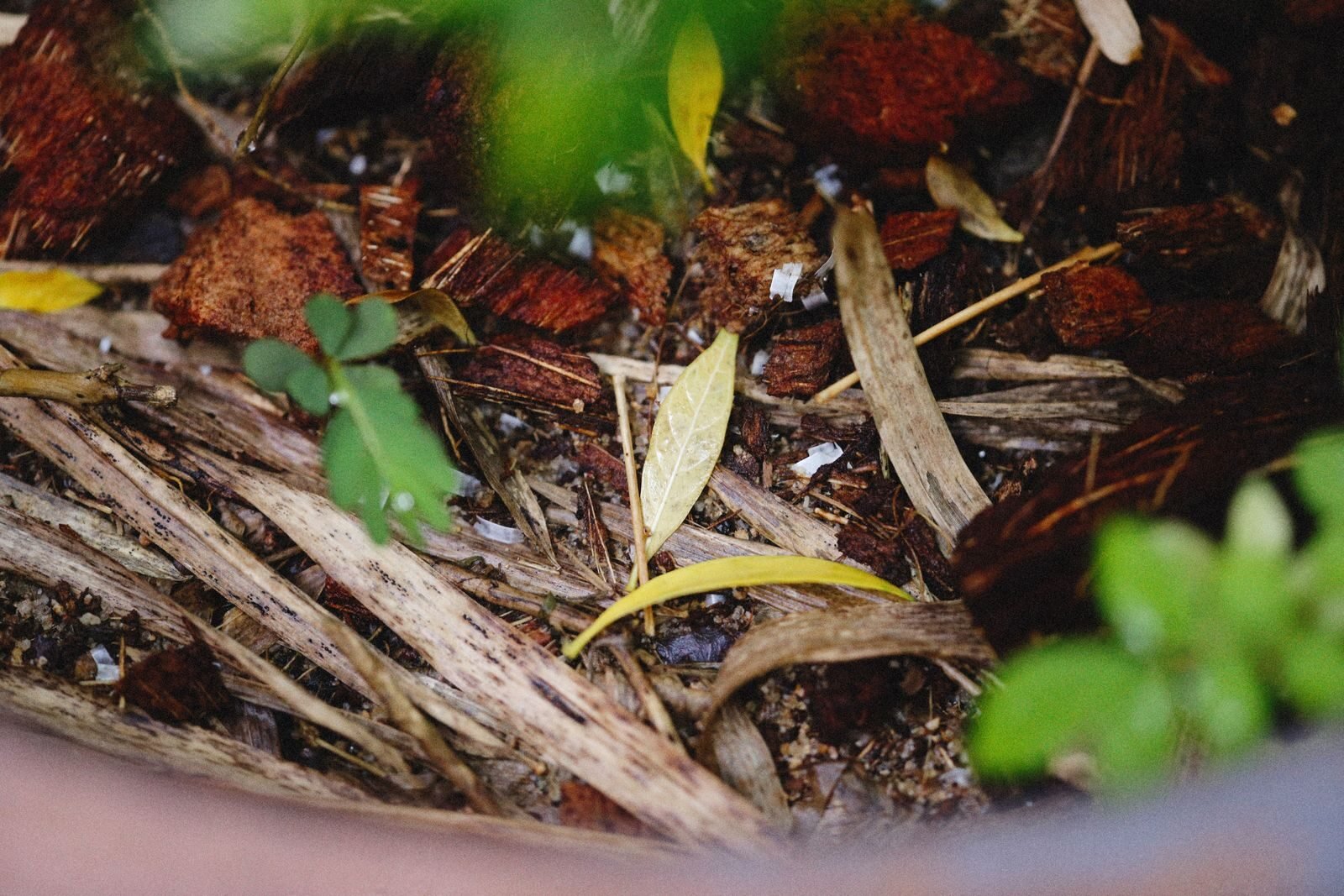
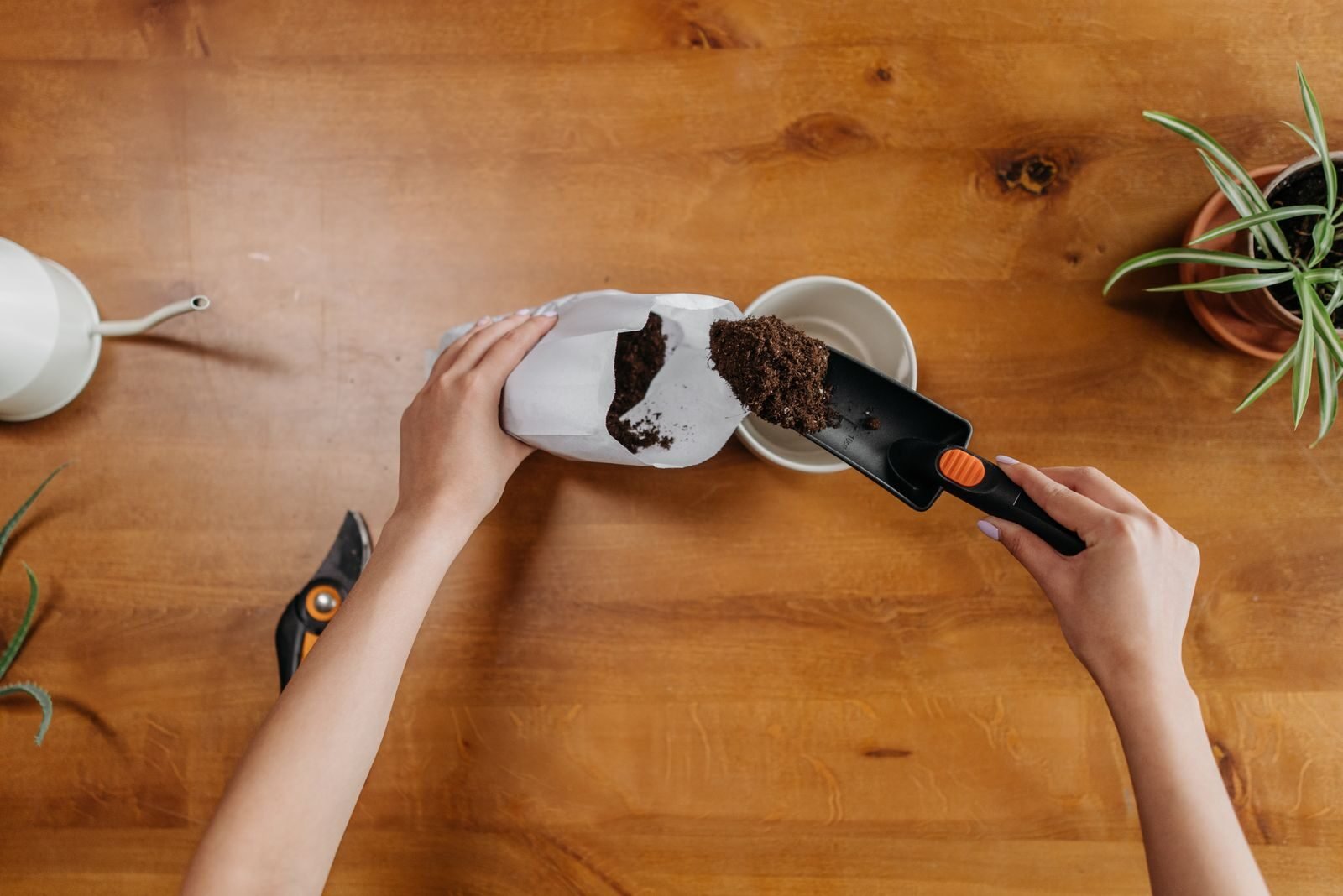
Plants need soil that is light, airy, and well-draining. Seed-starting mixes are ideal for beginners because they allow tiny roots to grow easily. Avoid heavy garden soil, which can compact and make it difficult for seeds to sprout.
Some soil mixes come with added nutrients, but for delicate seedlings, less is often better. A gentle, nutrient-light starting mix encourages strong root development, while fertilization can be added later once the seedlings have their first true leaves.
Seeds
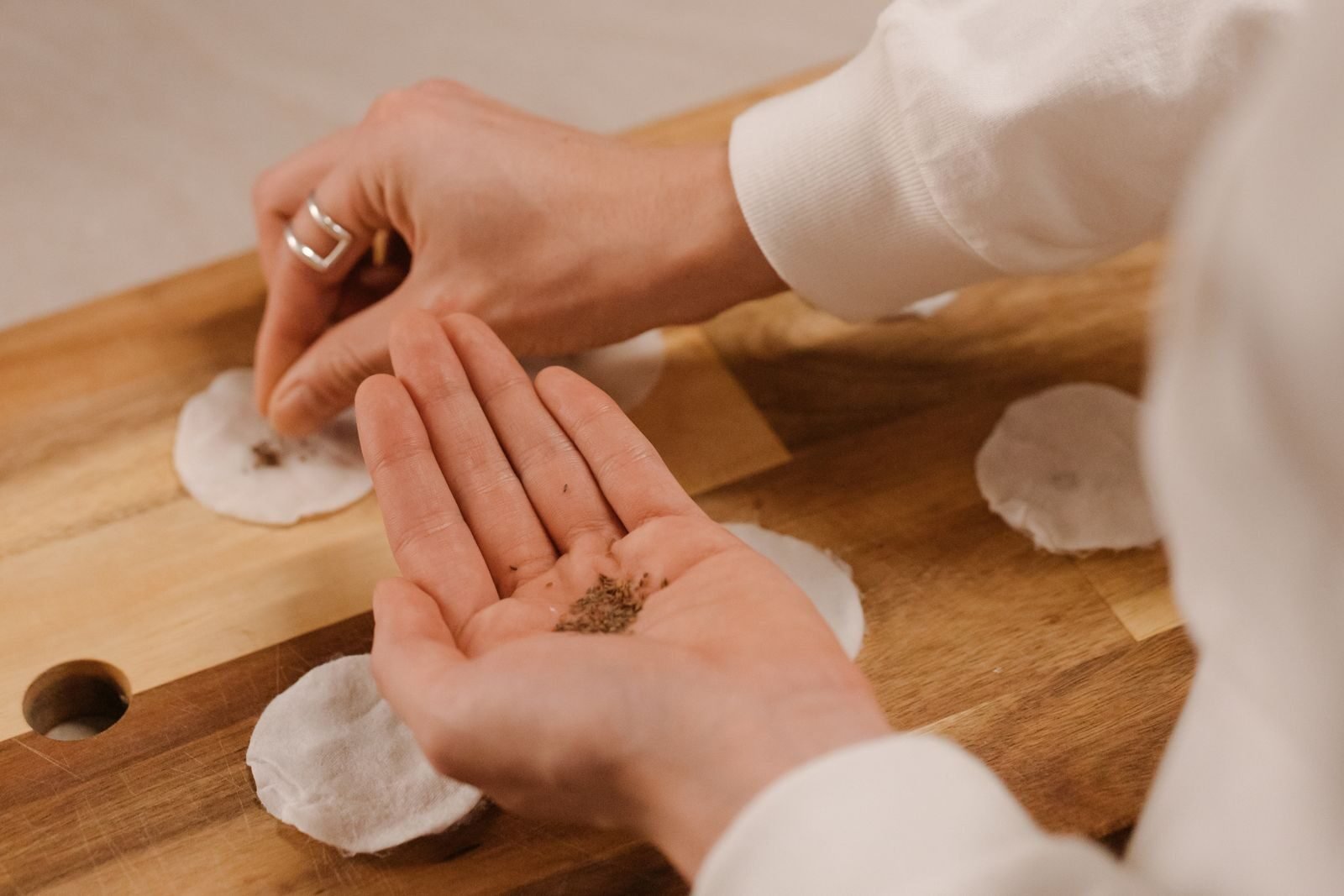
Choose plants that are easy and fast-growing. For beginners, herbs like basil and mint, vegetables like lettuce and radish, or small flowers like marigolds are ideal. These plants germinate quickly and provide visible results in a short time, keeping motivation high.
Seeds should be fresh, as older seeds often take longer to sprout or may not germinate at all. Check the expiration date on seed packets and store unused seeds in a cool, dry place to maintain their viability.
Watering Tools
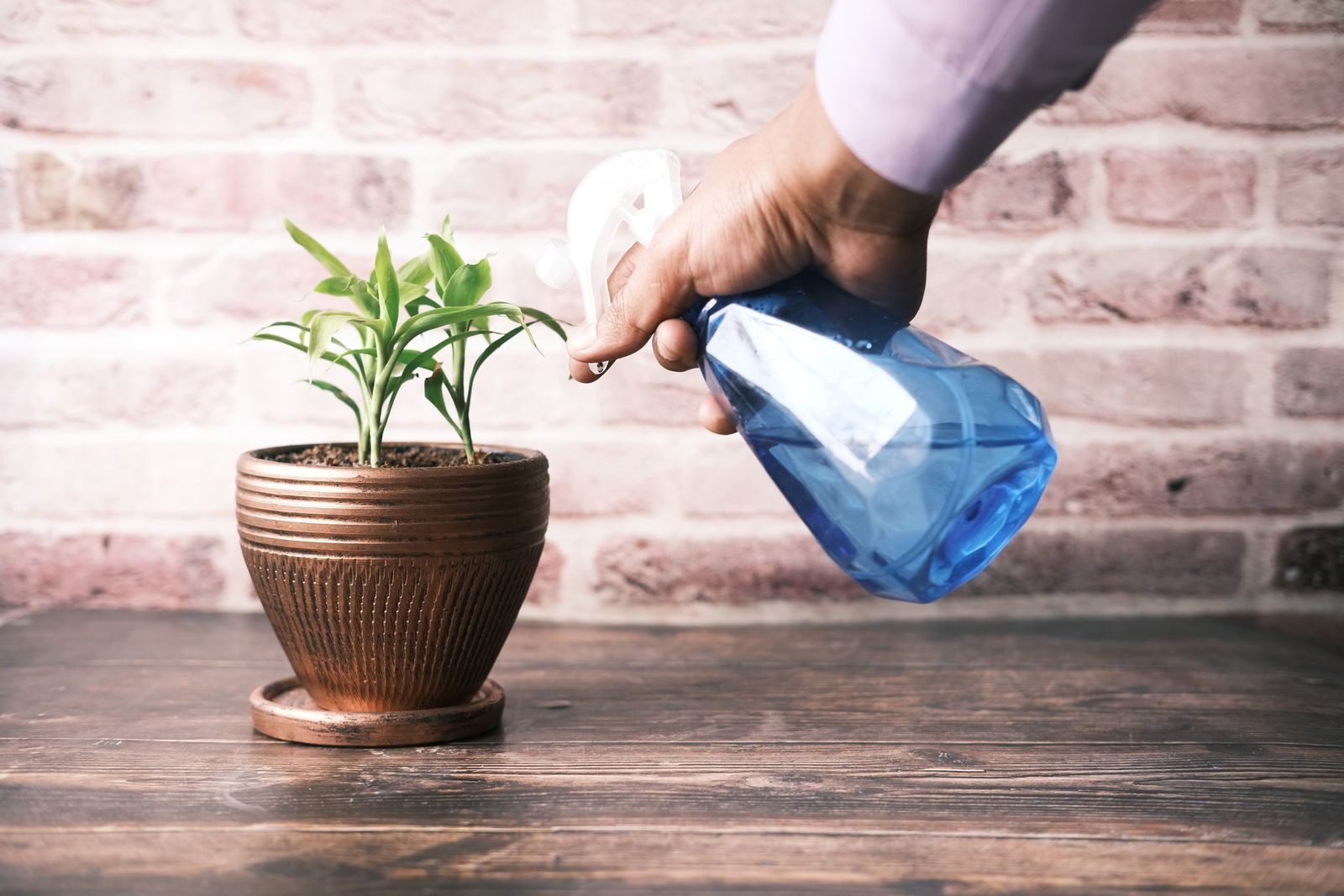
A small watering can or spray bottle is useful for keeping soil evenly moist without washing seeds away. Consistent moisture is important for seed germination, but avoid overwatering, which can lead to soggy soil and rotting roots.
Using a gentle mist ensures that tiny seedlings are not disturbed by a strong flow of water. Clear plastic covers or mini-greenhouses can also help maintain humidity for delicate seeds during germination.
Choosing Easy Plants for First-Time Gardeners
Not all plants are beginner-friendly. Choosing easy plants will increase your chances of success and build confidence.
Herbs – Basil, chives, and mint are great starter herbs because they sprout quickly and grow well on sunny windowsills. They’re easy to care for, forgiving if you forget a watering now and then, and versatile, you can use them in cooking once they’re mature. They give you fast, satisfying results.
Vegetables – Lettuce, radishes, and microgreens are perfect for beginners because they grow fast and don’t need too much care. Microgreens are especially fun, you can harvest them in just two weeks. Watching vegetables grow gives beginners confidence and helps you understand soil, watering, and light without feeling overwhelmed.
Flowers – Marigolds and nasturtiums are beginner-friendly flowers that germinate quickly and tolerate indoor conditions well. They bring color and life to your home, making small spaces feel bright and cheerful. Growing flowers also helps you learn about watering schedules, sunlight needs, and how to care for delicate plants.
I recommend choosing easy plants because they let beginners see the growth cycle up close, learn how much water and light each plant needs, and build confidence. Once you feel comfortable, you can try more challenging plants. Starting simple makes learning fun and less frustrating.
Step-by-Step Setup Guide
Setting up your indoor garden is straightforward if you follow these steps:
Pick a location – Choose a bright spot near a window where your plants can get plenty of sunlight. If sunlight is limited, use grow lights. Most indoor plants need 10–14 hours of light every day to grow strong and healthy. A good location makes a big difference in success.
Prepare containers – Ensure pots have drainage holes. Fill them gently with seed-starting soil, leaving a small space at the top.
Plant seeds – Tiny seeds like lettuce can sit on the surface of the soil, lightly pressed down. Larger seeds like beans should be planted 2–3 times their size in depth.
Water carefully – Mist the soil or water gently to keep it damp, not soaked.
Label your seeds – This helps track which plants are growing in which containers.
Monitor temperature – Keep your indoor garden in a moderate temperature range, usually 65–75°F (18–24°C), which encourages faster germination.
Cover seeds for humidity – Using a clear plastic cover or mini-greenhouse creates a humid environment that speeds germination. Remove the cover once seedlings appear.
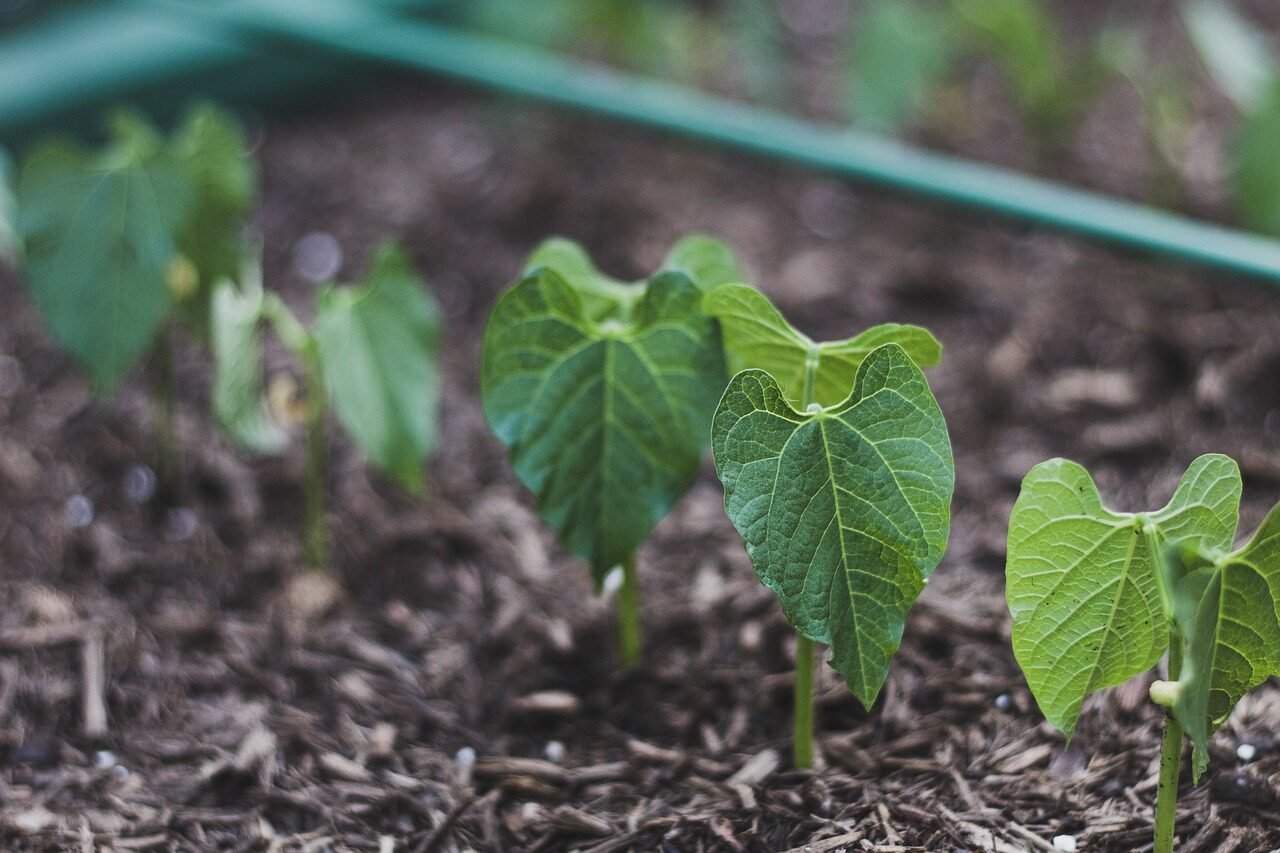
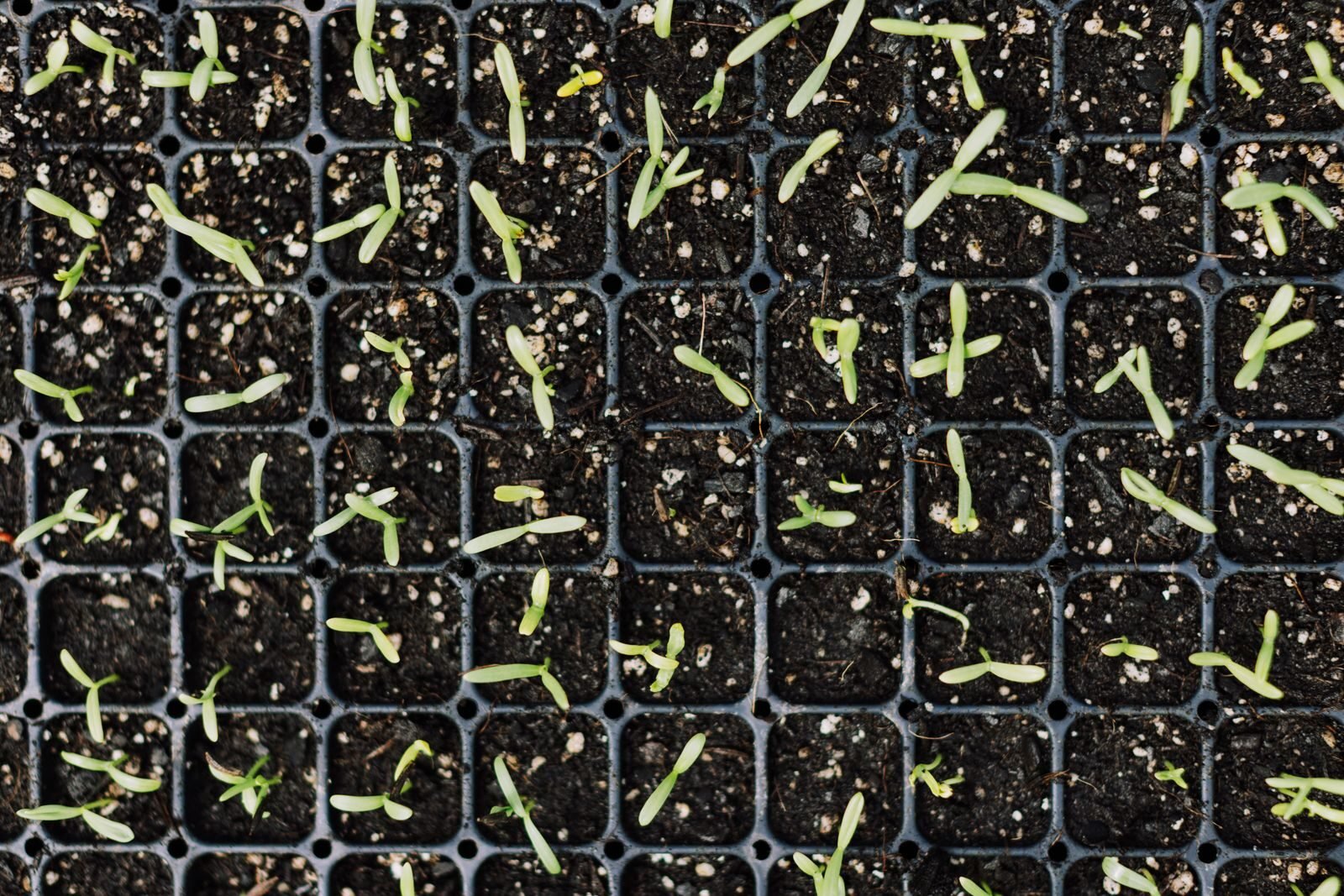
Watch for sprouts – Tiny roots or shoots appear in a few days to a couple of weeks, depending on the plant.
By following these steps, beginners can confidently start their first indoor garden and enjoy watching seeds grow into seedlings.
Caring for Your First Seedlings
Once your seeds sprout, proper care is crucial for healthy growth.
Light
Seedlings need light to grow strong stems and leaves. Without enough light, plants can become tall and weak. If sunlight is limited, consider using LED or fluorescent grow lights. Position the light about 6–12 inches above seedlings and adjust as they grow.
Water
Keep soil consistently damp. Seedlings rely on moisture to absorb nutrients. Avoid letting the soil dry out completely or become waterlogged. Checking soil daily ensures seedlings stay healthy.
Fertilization
Once your seedlings grow their first true leaves, you can start giving them a weak liquid fertilizer every 2–3 weeks. This helps them grow healthy and strong. Be careful not to over-fertilize, as too much can damage delicate seedlings. A balanced fertilizer, like 10-10-10, works best for young plants.
Airflow
Gentle airflow is important for healthy indoor plants. It helps prevent mold, mildew, and other diseases by keeping the air moving around seedlings. Placing a small fan nearby can simulate natural wind, which strengthens stems. Good air circulation also controls humidity and stops fungal growth on leaves, keeping your indoor garden healthy and strong.
Thinning
If multiple seedlings sprout in one container, thin them out so the strongest plants have room to grow. Crowding can slow growth and lead to competition for light, water, and nutrients. Carefully snip weaker seedlings at soil level to avoid disturbing stronger plants.
Avoiding Common Mistakes
Even simple indoor gardens can encounter issues. Knowing these mistakes helps beginners avoid frustration:
Too little light – Leads to weak, stretched seedlings.
Overwatering – Causes root rot and fungal growth.
Heavy soil – Compacts roots and slows growth.
Ignoring thinning – Crowded seedlings compete for resources.
Wrong temperature – Cold conditions delay germination and slow growth.
By keeping these mistakes in mind, you can correct problems early and ensure a healthy indoor garden. Patience and careful observation are key to success.
Summary
Starting an indoor garden is simpler than it looks. Get the basics right, drainage, a light seed-starting mix, fresh seeds, and gentle watering, then stay consistent with light and moisture and let patience do the rest. Even a small windowsill can turn into a productive little garden.
If you want to start plants from seed the right way, or grow your own food with these vegetable and edible growing guides, you’ve got everything you need to begin.
Now is the perfect time to start!
Gather your containers, soil, and seeds, and follow the step-by-step instructions to begin your indoor garden!