

This article was written and reviewed by Serge, MSc. I hold degrees in Plant Biology, Environmental Biology and Biogeochemistry, with research experience in plant physiology, ecosystem science, and field-based environmental studies. Every article on this site is grounded in real academic training and genuine scientific research.
Affiliate disclosure: This site has affiliate links, including Amazon. As an Amazon Associate I earn from qualifying purchases, at no extra cost to you.
When I first held a tiny seed, I was amazed. It was so small, yet it held the plan for a whole plant. Seeds are like little packages of life. They can wait for the right time and place, then start growing when conditions are just right.
Growing plants from seeds is a fun way to watch nature work and learn how plants grow from the very beginning.
This guide will take you through everything you need to know as a beginner. We’ll talk about choosing seeds, planting them, helping them grow, and watching seedlings turn into young plants. You’ll also learn some simple science behind what’s happening underground and above.
Choosing Seeds
Picking the right seeds is the first step. Some seeds are easy to grow, and others are more tricky. For beginners, it’s better to start with plants that sprout quickly, like beans, radishes, or lettuce. These seeds grow fast and let you see results in just a few days.
Browse SeedsNow’s Non-GMO Seed Range →
Check the seed packet before you buy. It usually tells you how deep to plant, how much light the plant needs, and the ideal temperature. Fresh seeds usually grow better than old ones. Also, think about where you’ll grow the plants.
If you are inside, pick seeds that do well in pots on a windowsill. Outside, most vegetables and flowers work fine.
Preparing Containers and Soil
Seeds need a good home to grow. You don’t need fancy pots. Small containers, seed trays, or even egg cartons work. The most important thing is drainage so water can escape and the soil doesn’t get soggy.
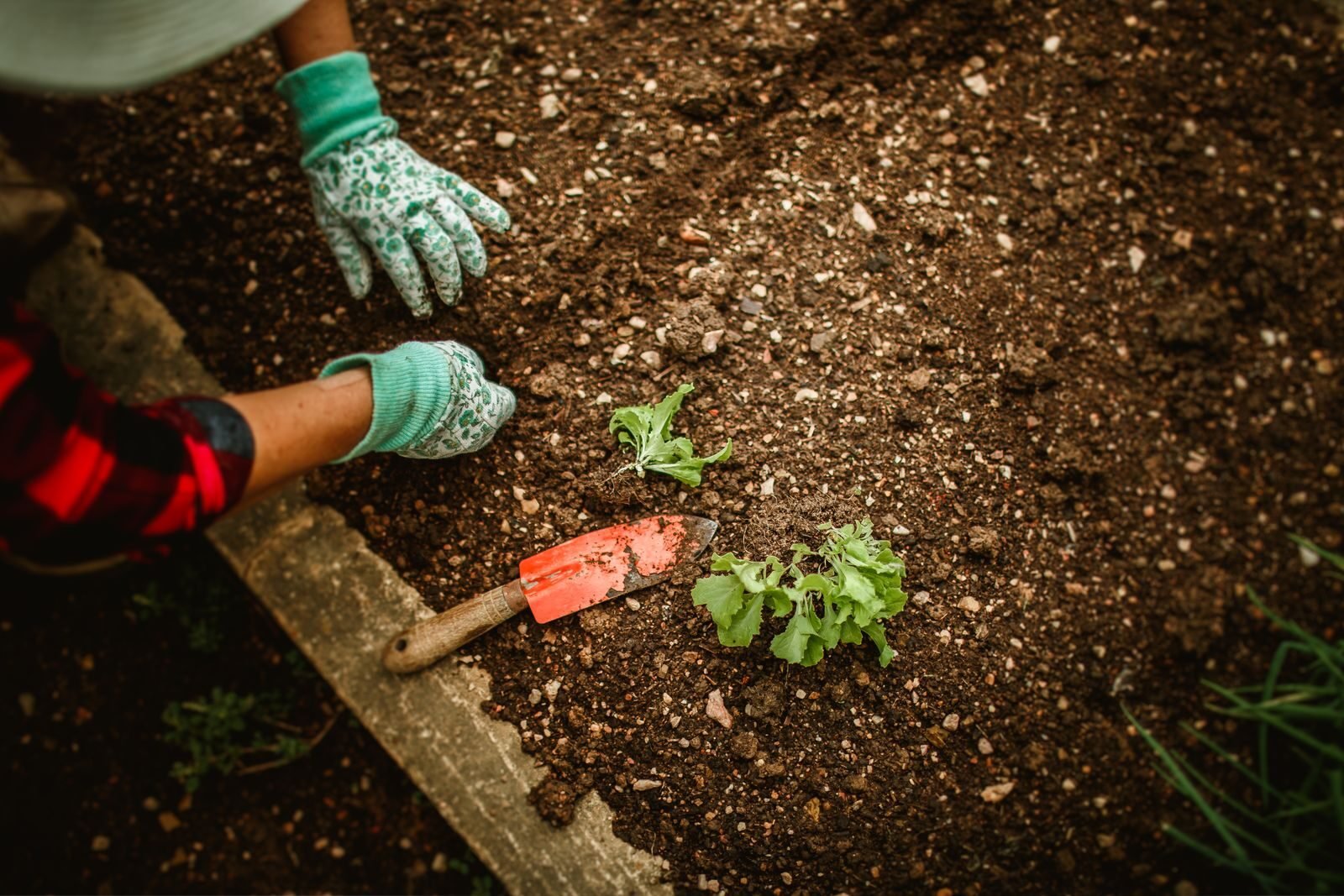
Use light, soft seed-starting soil. Heavy garden soil can make it hard for tiny roots to grow. Fill your container gently, leaving space at the top. Smooth the soil lightly so seeds sit nicely. Loose soil is best because roots can push through easily.
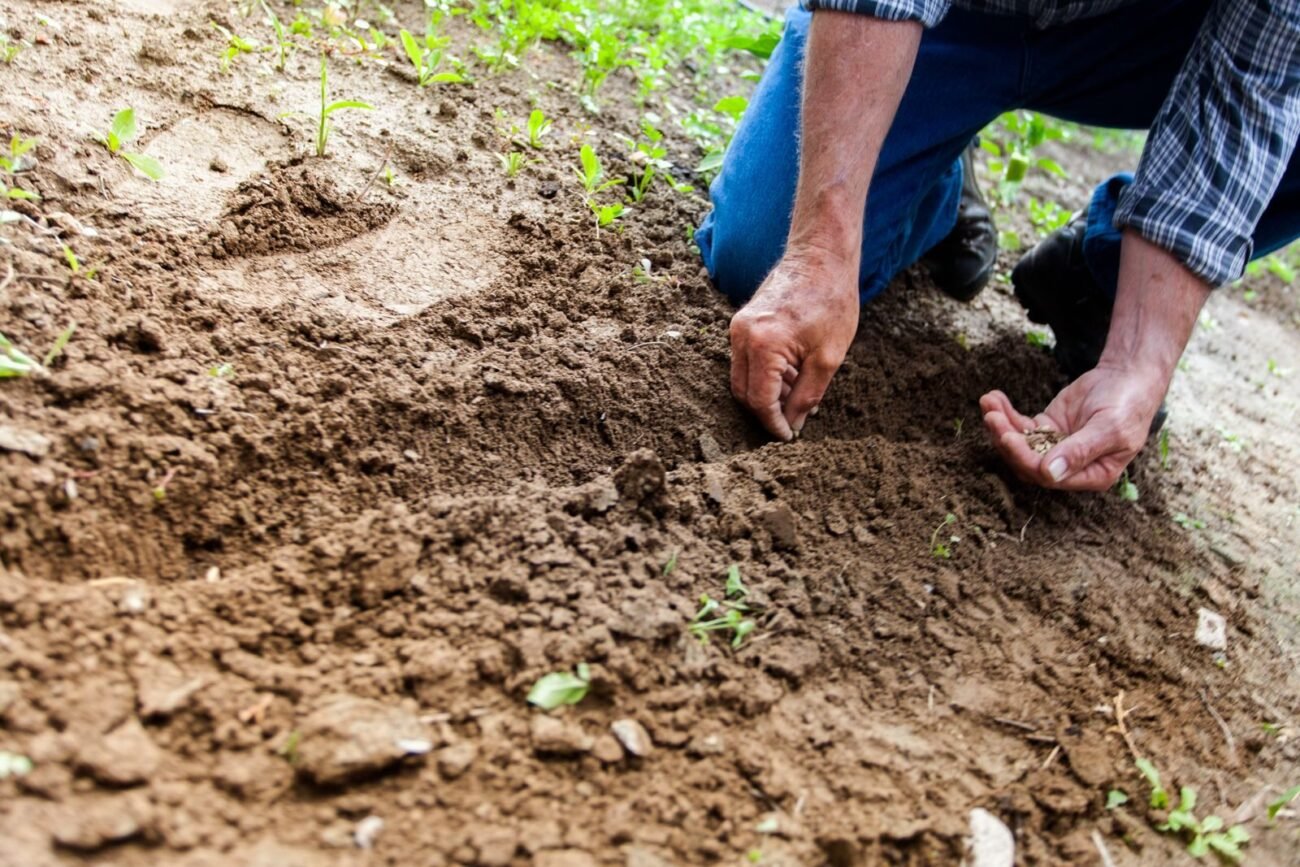
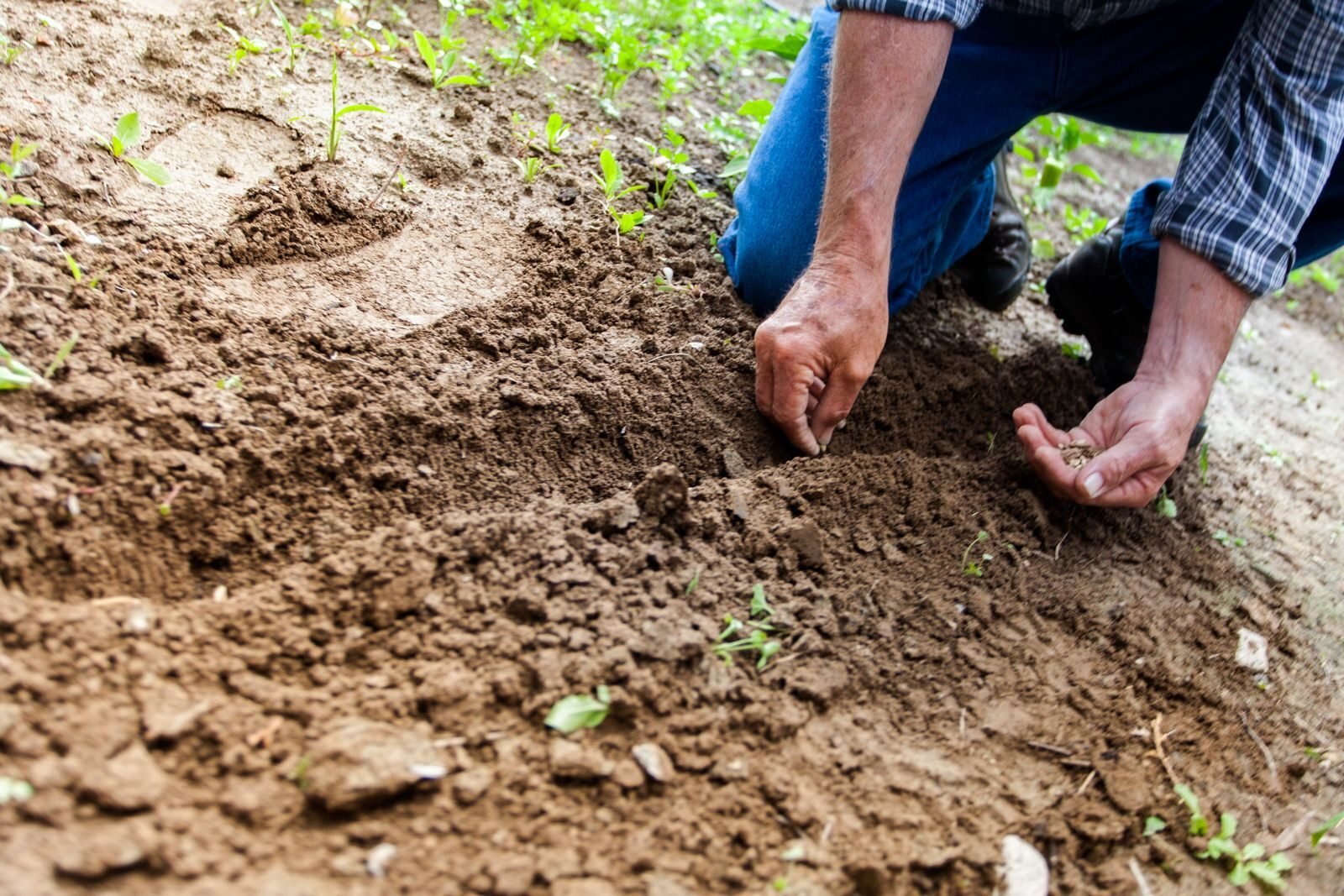
Plant seeds at the right depth. Tiny seeds, like lettuce, should sit on the soil surface, just lightly pressed down. Bigger seeds, like beans, can be planted a little deeper, usually about two or three times their size. This helps seeds get the water they need without struggling to reach the surface.
Water: The First Step to Life
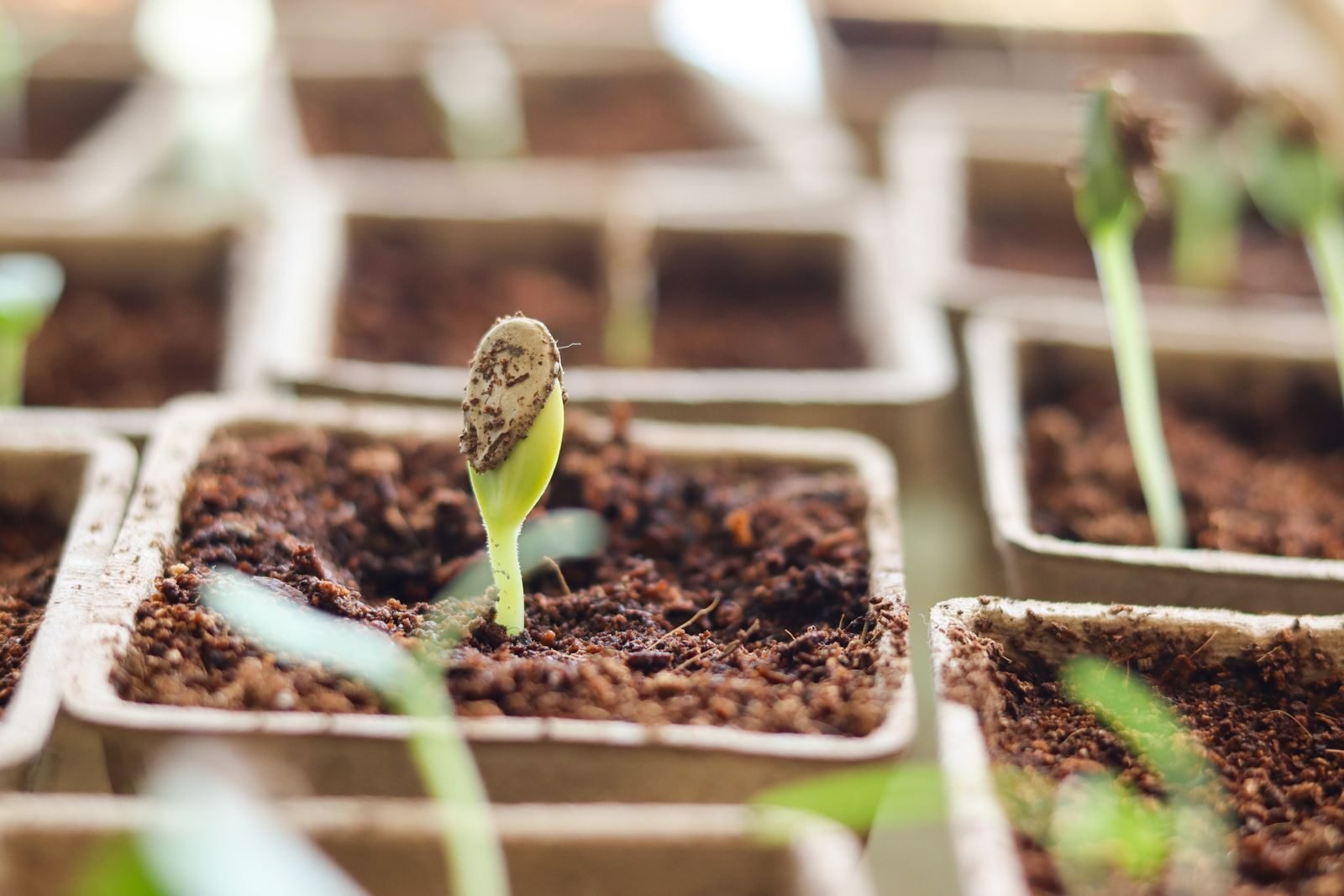
Water wakes seeds up. When a seed absorbs water, it swells, and the embryo inside starts working. This process is called imbibition. The seed’s stored food turns into energy, and the tiny root begins to grow.
Oxygen is also important. Seeds need it to breathe as they start growing. Too much water can prevent oxygen from reaching the seed and slow germination. That’s why gentle, steady watering is better than soaking the soil.
Light and Temperature
Seeds need the right light and temperature. Some seeds need sunlight to start growing, while others grow better in the dark. Once seedlings appear, light helps them grow strong stems and green leaves. Without enough light, seedlings get tall and weak.
Temperature is important too. Most seeds grow best in moderate warmth, around 65–75°F (18–24°C). Some seeds need a cold period first, like many wildflowers, before they can sprout. Knowing your seed’s needs will make germination faster and easier.
Watching Seeds Sprout
The first sign of life is the tiny root, called the radicle, breaking through the seed coat. It grows downward to anchor the plant and take up water. Soon after, the shoot grows upward, reaching for light.
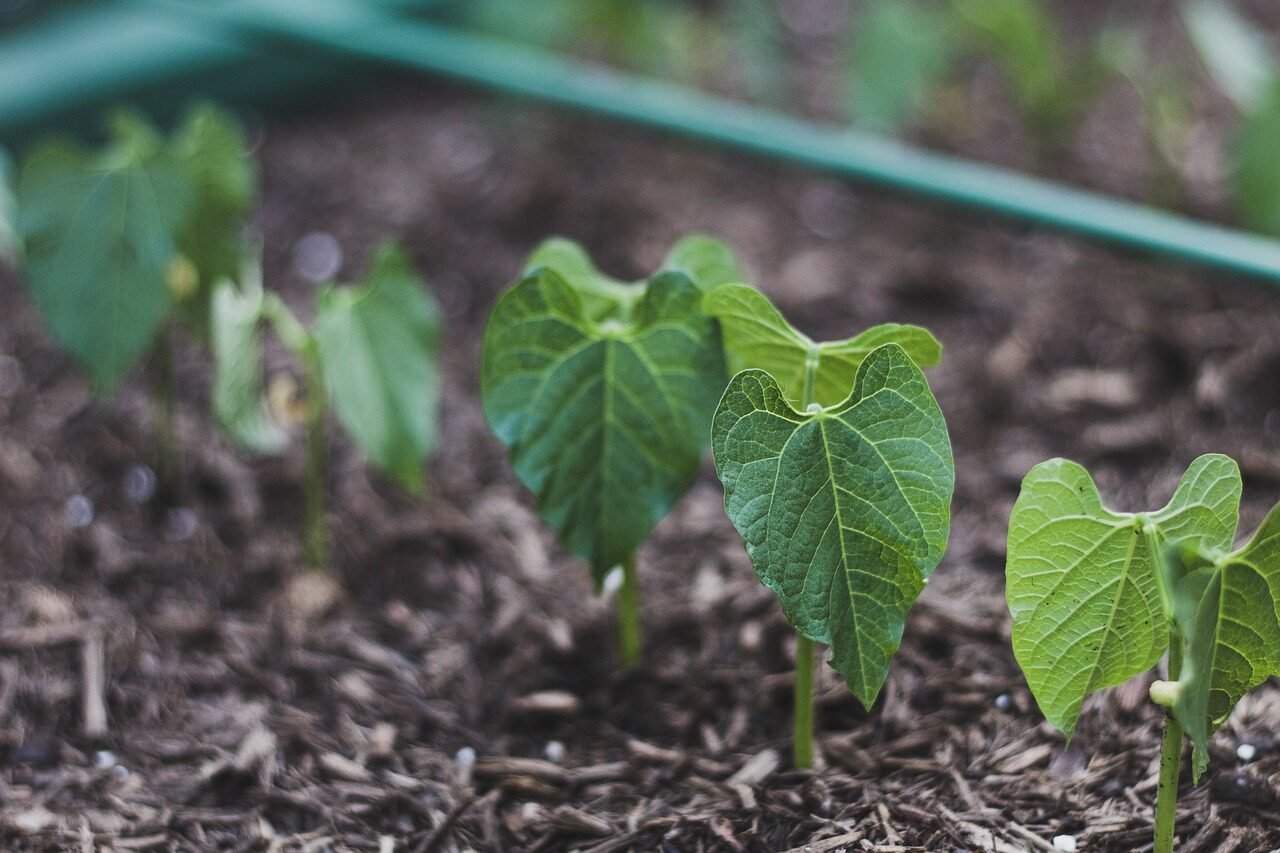
The first leaves that appear are called cotyledons, or seed leaves. They give energy to the young plant until true leaves develop and the plant can make its own food.
Watching this happen is exciting. Every day brings small changes. Tiny leaves unfold, stems grow taller, and roots spread under the soil. Even small seedlings show amazing biology in action.
Caring for Young Seedlings
When seedlings grow their first true leaves, they start making food through photosynthesis. This is when sunlight, water, and air are turned into energy. Until then, seedlings rely on the energy stored in the seed.
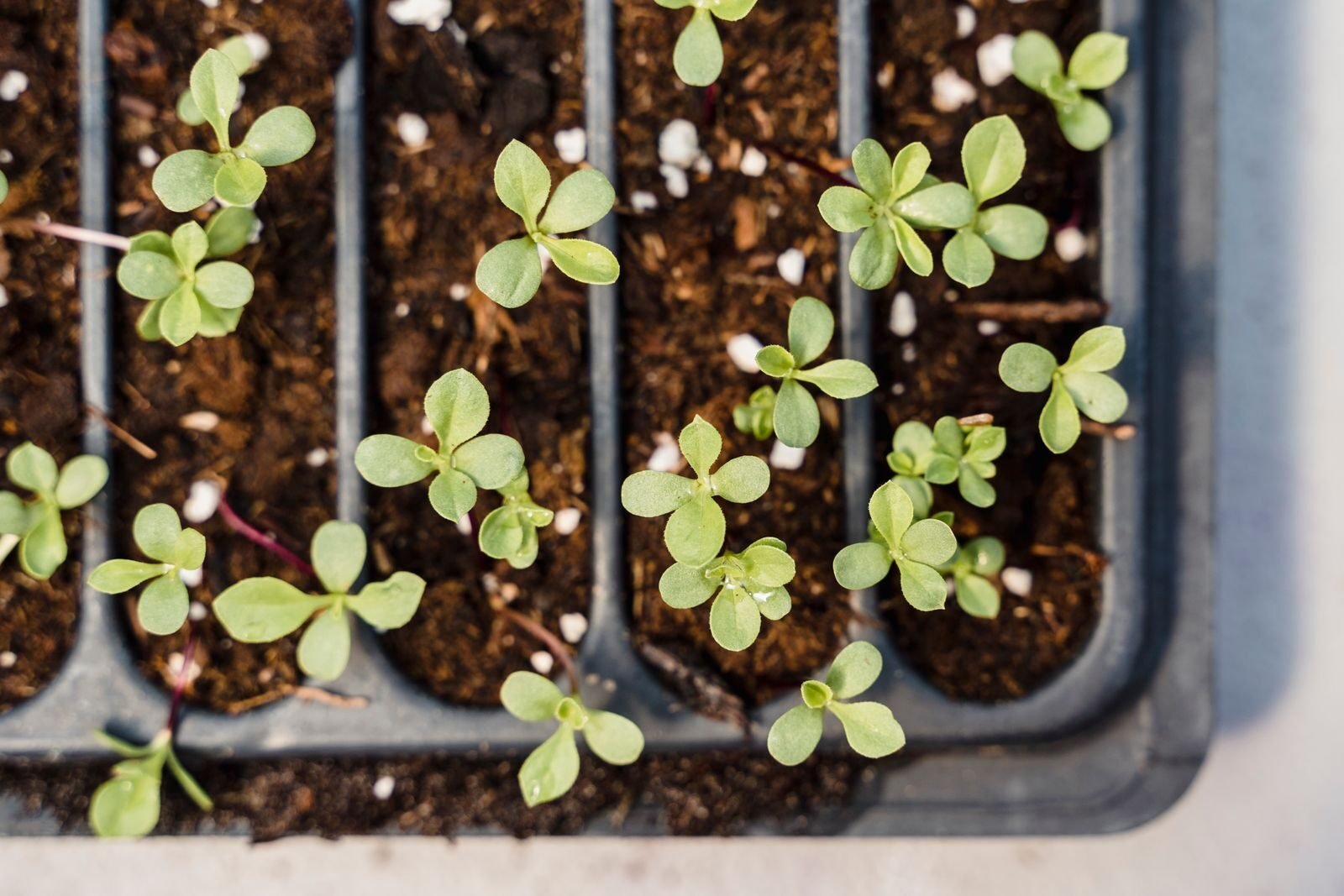
Seedlings need good care. If too many seeds sprout in one pot, thin them out so the strongest plants can grow. Crowded seedlings compete for water, light, and nutrients. Keep soil slightly damp, not soggy, and make sure they get enough light. Gentle airflow helps prevent mold and disease.
If you want to move seedlings outdoors, do it slowly. Expose them to sunlight, wind, and changing temperatures for a few hours each day. This is called hardening off, and it helps them adjust without stress.
Common Problems for Beginners
Sometimes things don’t go as planned. Seeds might not sprout if they are old or the conditions are wrong. Seedlings can become tall and weak if they don’t get enough light. Overwatering can cause roots to rot or fungus to grow.
Watching seedlings carefully helps you notice problems early and fix them.
Remember, mistakes are part of learning. Every seed that sprouts teaches you something about plants, water, light, and care. Patience is key.
Table: Seed Growing Basics
| Step | Key Points |
|---|---|
| Choose seeds | Pick easy-to-grow varieties; check packet info |
| Prepare container | Shallow, with drainage; seed-starting soil |
| Plant seeds | Tiny seeds: surface level; larger seeds: 2–3x their size |
| Water | Keep soil damp, not soggy |
| Light & Temperature | 10–14 hrs/day light; 65–75°F optimal |
| Germination stage | Watch radicle and cotyledons appear |
| Seedling care | Thin crowded plants, steady water, give light, harden off if moving outside |
Browse SeedsNow’s Non-GMO Seed Range →
Summary
Growing plants from seeds is simple if you understand what seeds need. Start with easy seeds, use soft soil, water gently, provide light and warmth, and watch the miracle of germination. Seedlings rely on stored energy at first, then grow stronger as they make their own food. Patience and observation are key.
Even a small windowsill or backyard garden shows how tiny seeds can become healthy plants. Watching a seed sprout teaches patience and the basics of plant biology. Each day brings small changes and new lessons. Seeds may be small, but they are powerful and full of life.
FAQs
1. How long does it take seeds to sprout?
It depends on the plant. Some seeds sprout in a few days; others take weeks.
2. Can I use garden soil for seeds?
Seed-starting mix is best. Garden soil is often too heavy and can hold too much water.
3. How often should I water seedlings?
Keep the soil slightly damp. Check daily and avoid overwatering.
4. What if seedlings grow tall and thin?
They need more light. Move them to a sunnier spot or use a grow light.
5. Can all plants grow from seeds indoors?
Most vegetables, herbs, and flowers can. Some plants do better outdoors.