

This article was written and reviewed by Serge, MSc. I hold degrees in Plant Biology, Environmental Biology and Biogeochemistry, with research experience in plant physiology, ecosystem science, and field-based environmental studies. Every article on this site is grounded in real academic training and genuine scientific research.
Affiliate disclosure: This site has affiliate links, including Amazon. As an Amazon Associate I earn from qualifying purchases, at no extra cost to you.
If you live in colder or northern regions like I do, you’ve probably paused by a windowsill or stood under fluorescent lights and wondered how some plants manage to grow indoors with little sunlight.
I smiled the first time someone asked me this; it’s a question that highlights how plants adapt to their environment. While natural sunlight is the main energy source for photosynthesis, plants can adjust their physiology, shape, and biochemistry to survive under alternative light sources or low-light conditions.
Studying these processes helps us understand plant growth, metabolism, and how they interact with their surroundings.
In this article, we’ll explore how plants respond to low-light or artificial-light environments, the physiological and biochemical mechanisms that allow them to grow, and examples of adaptations that support indoor plant life.
The Role of Light in Plant Growth
1- Photosynthesis and Energy Capture
Plants capture light energy through pigments like chlorophyll, found in chloroplasts. This energy drives photosynthesis, the conversion of carbon dioxide and water into glucose and oxygen. In natural sunlight, plants receive a full spectrum of wavelengths optimal for both energy capture and developmental regulation, known as photomorphogenesis.
Without sunlight, light intensity and quality are reduced. Photosynthesis slows, limiting energy for growth, leaf development, and other metabolic processes. Yet, plants can compensate using physiological adjustments and by responding to alternative light sources.
2- Photoreceptors and Plant Responses
Plants have specialized photoreceptors that detect light quality, intensity, and duration. Chlorophyll absorbs primarily red and blue wavelengths to fuel photosynthesis. Phytochromes sense red and far-red light, influencing germination, stem elongation, and flowering.
Cryptochromes and phototropins detect blue light, guiding leaf expansion, stem orientation, and stomatal opening. Even under artificial lighting, these photoreceptors help plants interpret their environment and adjust growth accordingly, though growth may be slower or slightly altered compared with full sunlight exposure.
Adaptations to Low-Light Environments
1- Morphological Adjustments
In low-light or indoor conditions, plants exhibit structural changes that maximize light capture. Stems may elongate while leaves become smaller and thinner, a process called etiolation, allowing plants to “reach” toward light sources.
Leaves may adjust their angles to capture light more efficiently. Some species even increase chlorophyll content per leaf area, boosting absorption efficiency. These are examples of phenotypic plasticity, one species displaying multiple strategies depending on the environment.
2- Physiological Flexibility
Reduced light affects the plant’s energy budget, prompting adjustments in internal processes. Photosynthesis slows, respiration adapts, and resources may be reallocated to maintain growth or support essential tissues.
Some plants prioritize stem elongation, while others adjust leaf development or root activity depending on light availability. These physiological changes are continuous and dynamic, allowing plants to respond to fluctuating indoor light conditions.
Artificial Light as a Substitute for Sunlight
1- Light Spectrum and Photosynthesis
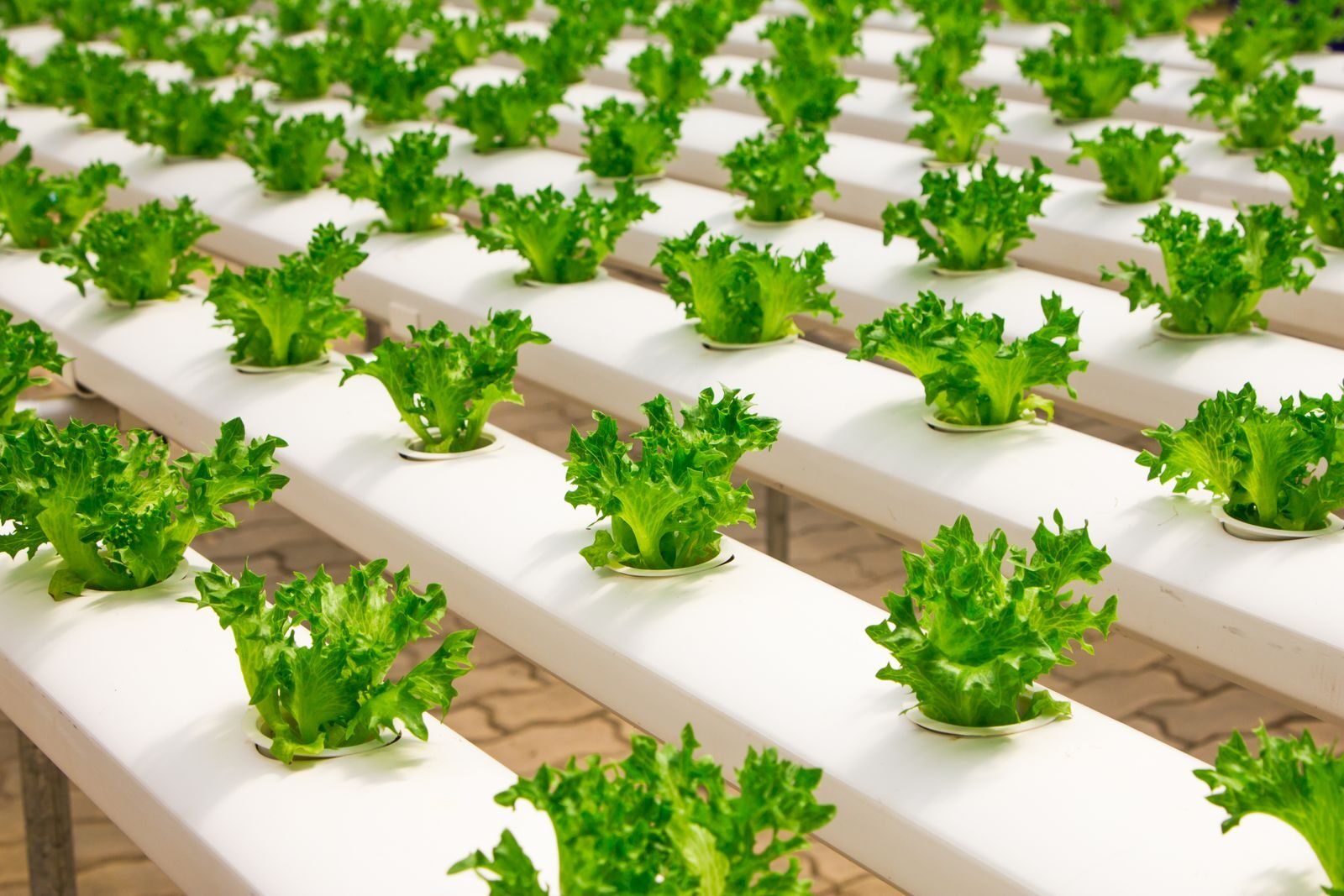
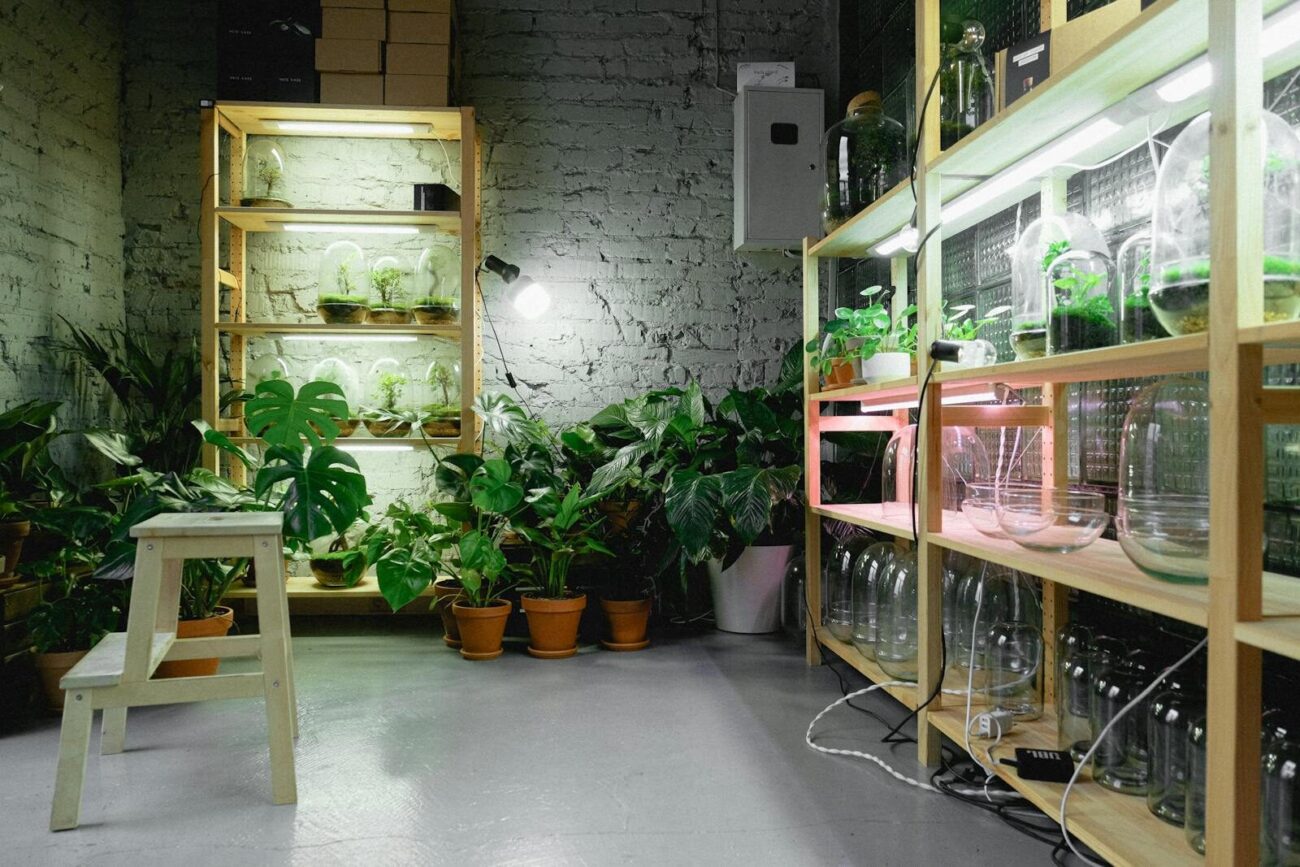
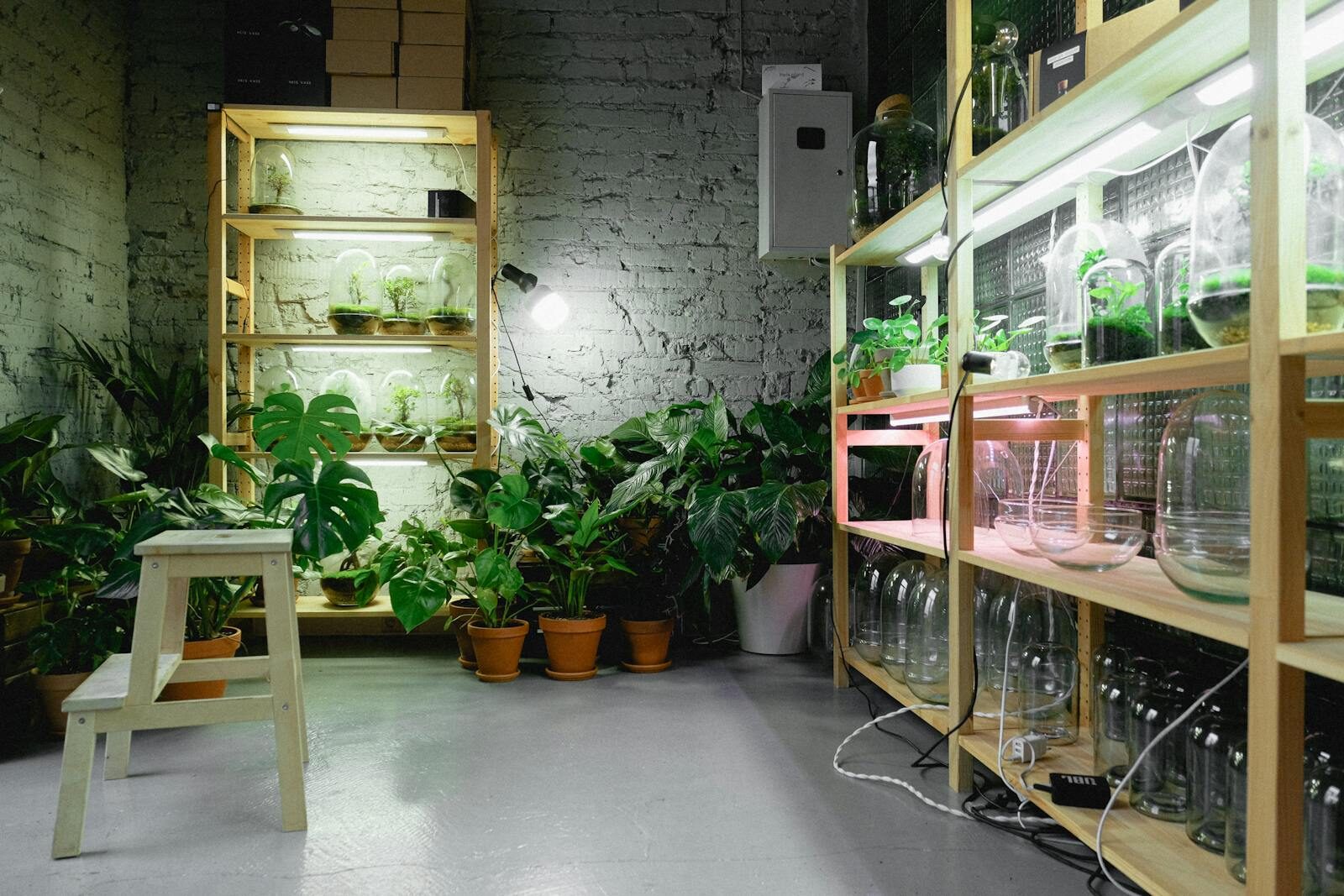
Artificial lights, such as LEDs or fluorescent lamps, can provide the wavelengths critical for photosynthesis. Blue light stimulates leaf development and stomatal function, while red light drives photosynthesis and influences flowering and stem growth.
By combining red and blue light, indoor plants can efficiently perform photosynthesis even without natural sunlight.
2- Photoperiod and Circadian Rhythms
Plants are sensitive to photoperiod, the relative lengths of day and night, which regulates growth cycles, flowering, and dormancy. Artificial lighting can mimic natural day-night cycles, supporting circadian rhythms and seasonal behaviors indoors.
Many tropical houseplants maintain normal growth under a 12-hour light/12-hour dark schedule provided by artificial lamps, keeping their internal biological clocks in sync.
Soil, Water, and Nutrient Considerations
Light isn’t the only factor. Roots play a vital role in indoor growth by absorbing water and nutrients and interacting with soil microbes, which support nutrient cycling. Limited light reduces carbon production, which can shift nutrient allocation from growth to maintenance.
Soil microbial activity, influenced by plant carbon inputs, may slow when photosynthesis declines. In essence, root activity, nutrient dynamics, and soil respiration all adjust in tandem with aboveground energy capture.
Examples of Indoor Plant Adaptations
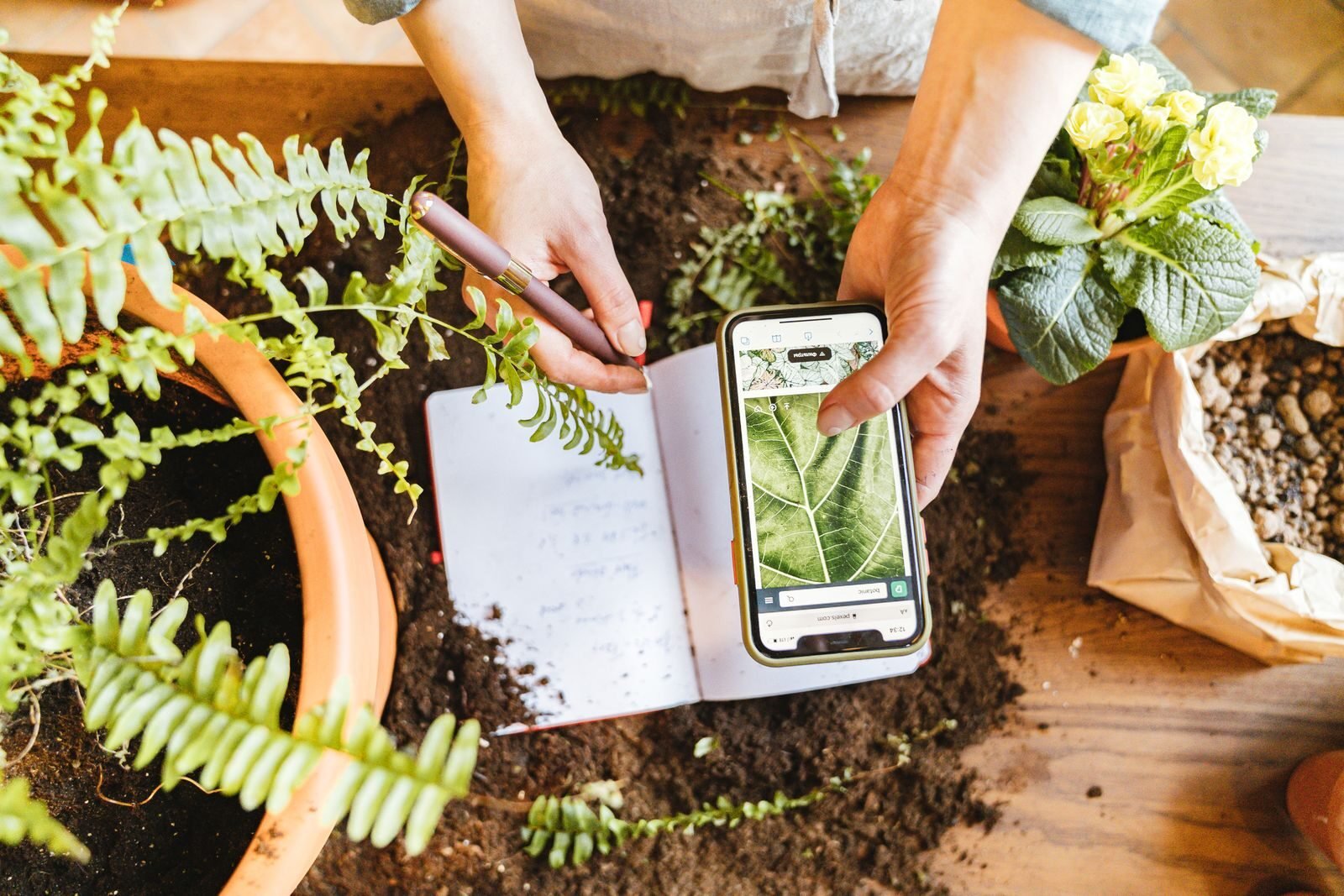
Some plants are naturally adapted to low-light environments. Ferns, for instance, evolved under dense forest canopies, producing broad, thin leaves that capture diffuse light efficiently.
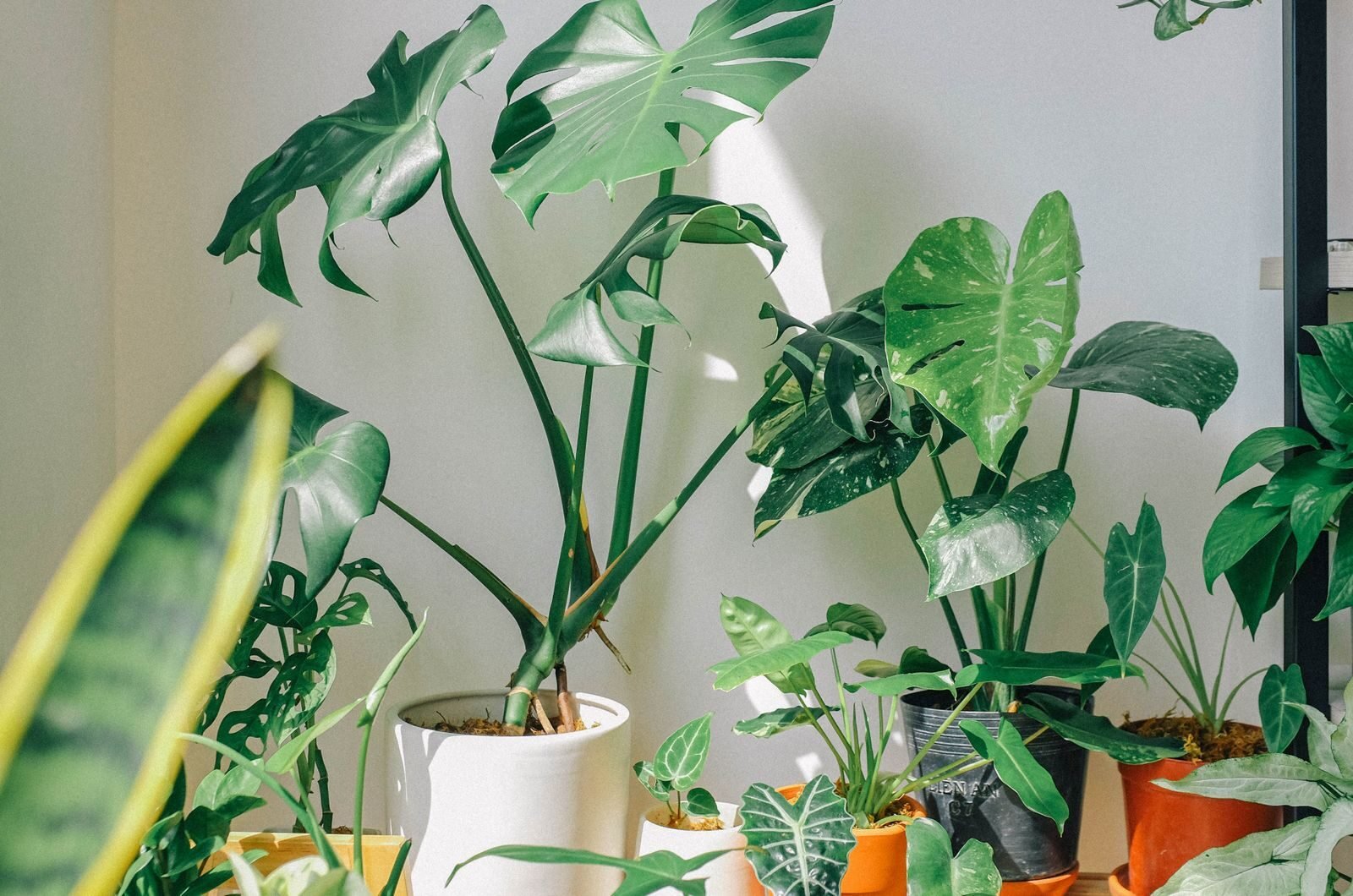
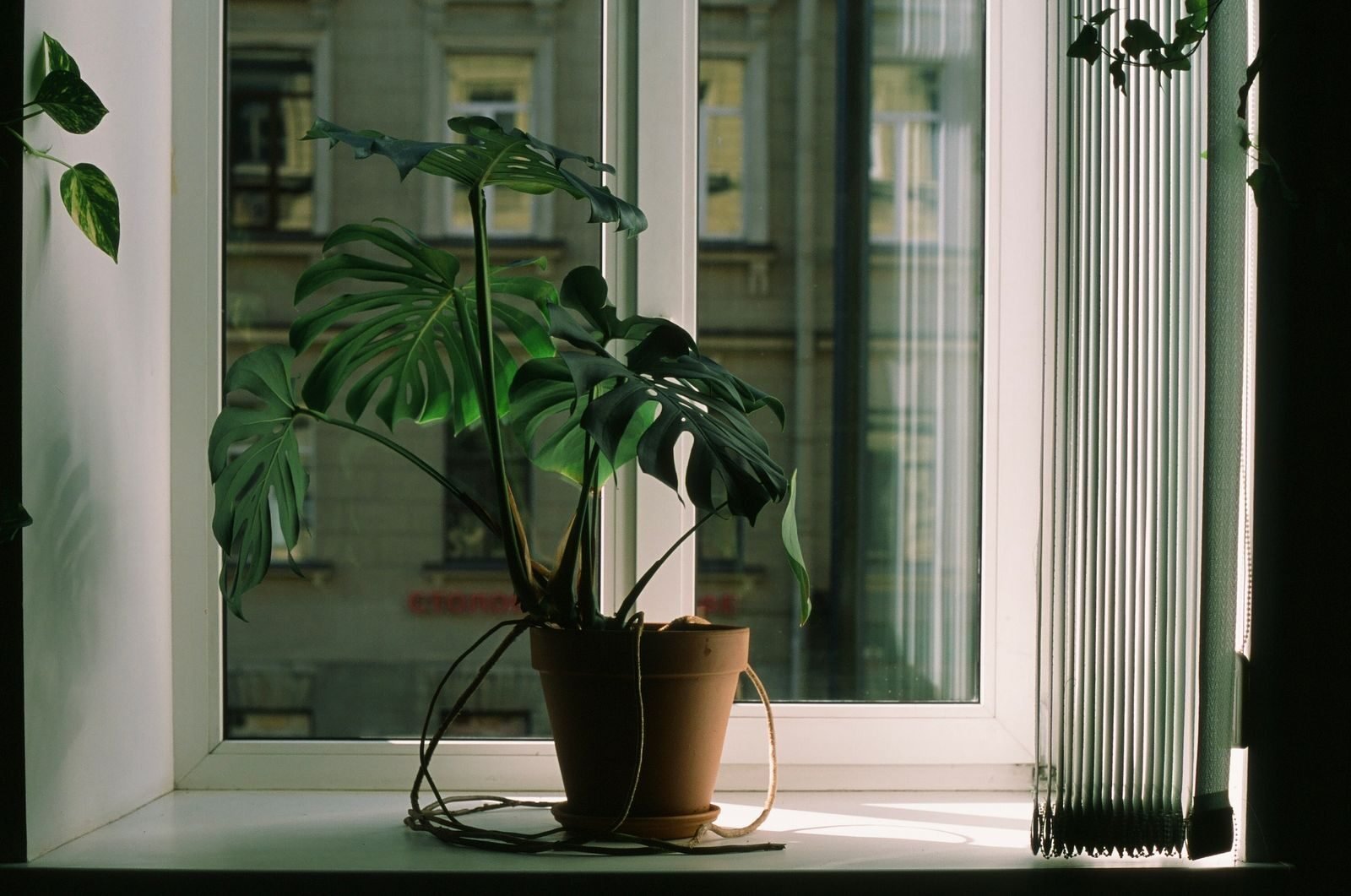
Philodendrons and pothos are pretty smart when it comes to getting light. They can twist or tilt their leaves to catch more light, and some even boost their chlorophyll levels so they absorb energy more efficiently. This helps them keep growing well, even in spots that don’t get much sunlight.
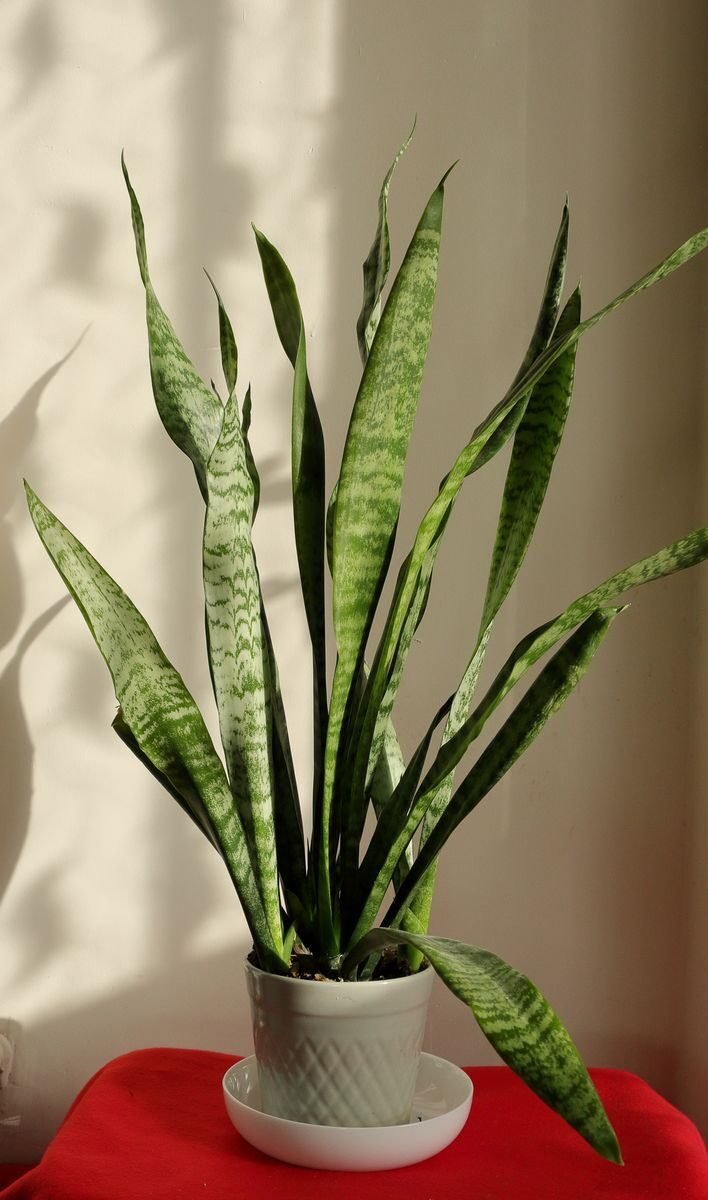
Snake plants (Sansevieria) have a unique photosynthetic strategy called crassulacean acid metabolism, or CAM. This adaptation allows them to open their stomata at night to reduce water loss, store carbon dioxide, and perform photosynthesis efficiently during the day.
As a result, they conserve water and maintain slow but steady growth, even in low-light indoor environments.
Even plants that don’t usually grow in the shade can adapt surprisingly well. Under artificial lights, they might grow taller, tilt their leaves to catch more light, or make more chlorophyll. Watching these changes shows just how flexible and adaptable plants can be.
Integrating Aboveground and Belowground Responses
Indoor growth without sunlight depends on the coordination of shoots and roots. Leaves capture light and fuel photosynthesis, stems support growth and orientation, and roots maintain water and nutrient uptake while supporting microbial communities.
Carbon fixed in leaves fuels root metabolism, while root health influences aboveground growth. These feedback loops illustrate how plants integrate structural, physiological, and biochemical responses into a resilient system capable of persisting in diverse environments.
Conclusion
Plants possess an array of mechanisms allowing them to grow indoors even without sunlight. Structural adjustments, physiological flexibility, and biochemical regulation work together to optimize energy capture and resource allocation.
Artificial lighting can replicate key spectral qualities and photoperiod cues, supporting photosynthesis and circadian rhythms. Belowground processes, including nutrient uptake and microbial interactions, further sustain growth.
Observing indoor plants highlights the dynamic nature of adaptation: plants continuously integrate signals from light, nutrients, and their environment to survive and thrive.
Frequently Asked Questions
How do plants perform photosynthesis without sunlight?
Plants can use artificial light sources that emit red and blue wavelengths essential for photosynthesis. Photoreceptors detect these wavelengths, allowing energy capture and growth.
Why do indoor plants grow taller or thinner under low light?
This is called etiolation. Stems elongate and leaves become smaller to maximize light capture when available light is limited.
What role do roots play when light is limited?
Roots maintain water and nutrient uptake, interact with soil microbes, and support plant energy needs even when photosynthesis slows.
Can plants adjust their biochemistry to low-light conditions?
Yes. Enzyme activity, metabolic pathways, and chlorophyll production can all adjust to optimize energy use under reduced light.
Do all plant species respond the same way indoors?
No. Responses depend on species-specific adaptations, genetic variation, and the capacity for phenotypic plasticity in morphology, physiology, and biochemistry.
How does artificial light influence plant circadian rhythms?
Artificial light can mimic natural day-night cycles, helping plants regulate growth, flowering, and metabolism consistent with their internal biological clocks.