



This article was written and reviewed by Serge, MSc. I hold degrees in Plant Biology, Environmental Biology and Biogeochemistry, with research experience in plant physiology, ecosystem science, and field-based environmental studies. Every article on this site is grounded in real academic training and genuine scientific research.
Affiliate disclosure: This site has affiliate links, including Amazon. As an Amazon Associate I earn from qualifying purchases, at no extra cost to you.
Ecosystems are complex networks of living organisms interacting with each other and their physical environment. These systems rely on balanced relationships among plants, animals, microbes, soil, water, and climate.
When this balance is disturbed, ecosystems can lose resilience, experience reduced biodiversity, and change the flow of energy and nutrients. Understanding the main factors that disrupt ecosystem balance is essential for studying ecology, conservation, and environmental management.
In this article, we will explore the natural and human-induced factors that can create ecosystem imbalances, with examples from plant biology and forest systems.
Natural Factors Causing Ecosystem Imbalance
1- Climate Variability
Climate plays a central role in determining the structure and function of ecosystems. Extreme weather events, prolonged droughts, unusually high or low temperatures, and shifting precipitation patterns can alter plant growth, reproduction, and survival.
Temperature shifts: Sudden increases or decreases in temperature can affect the rate of photosynthesis and respiration in plants, influencing growth and competitive interactions.
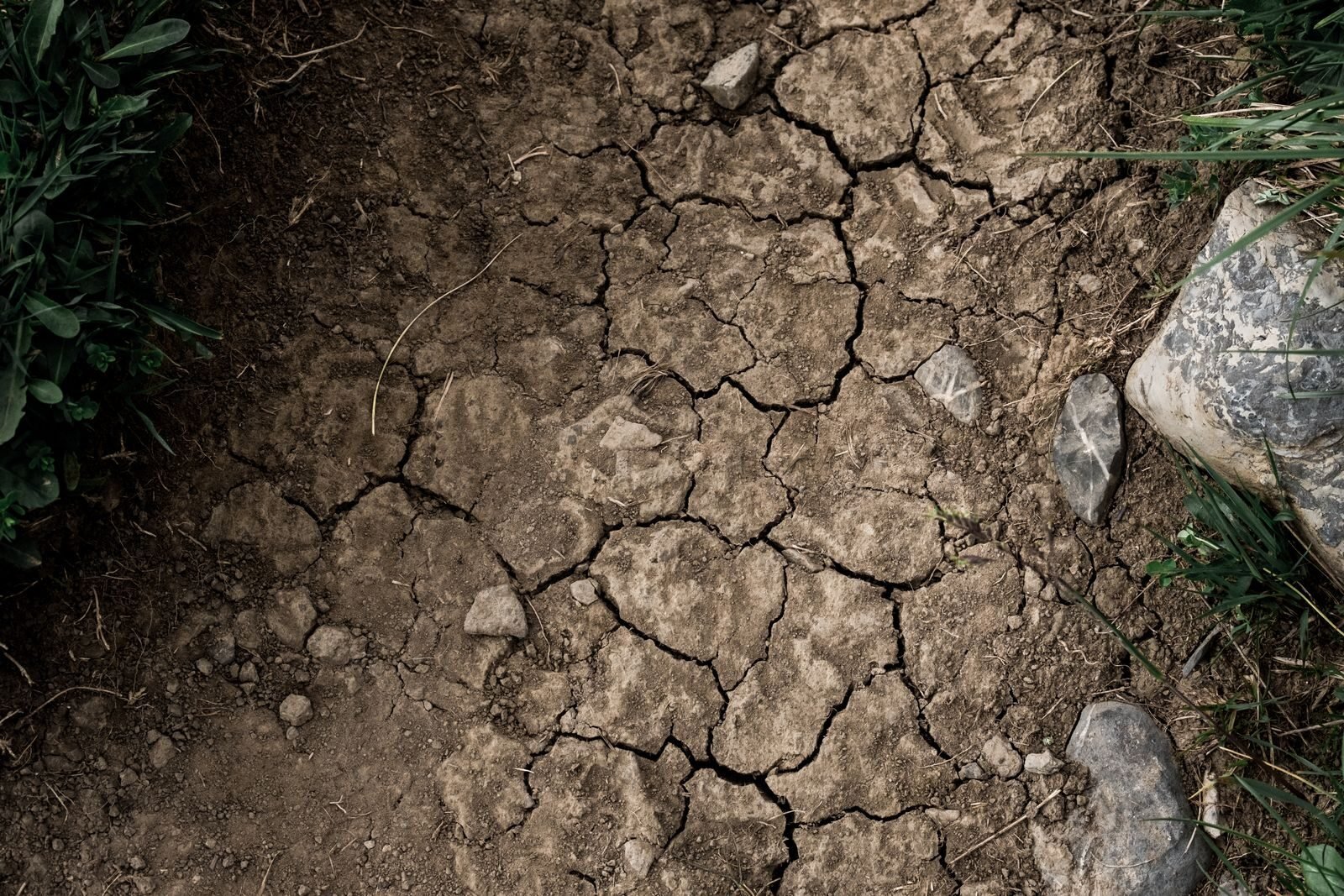
Drought and flooding: Water availability directly affects plant physiology, soil microbial activity, and nutrient cycling. Prolonged drought can reduce plant cover, leading to soil erosion and decreased habitat quality.
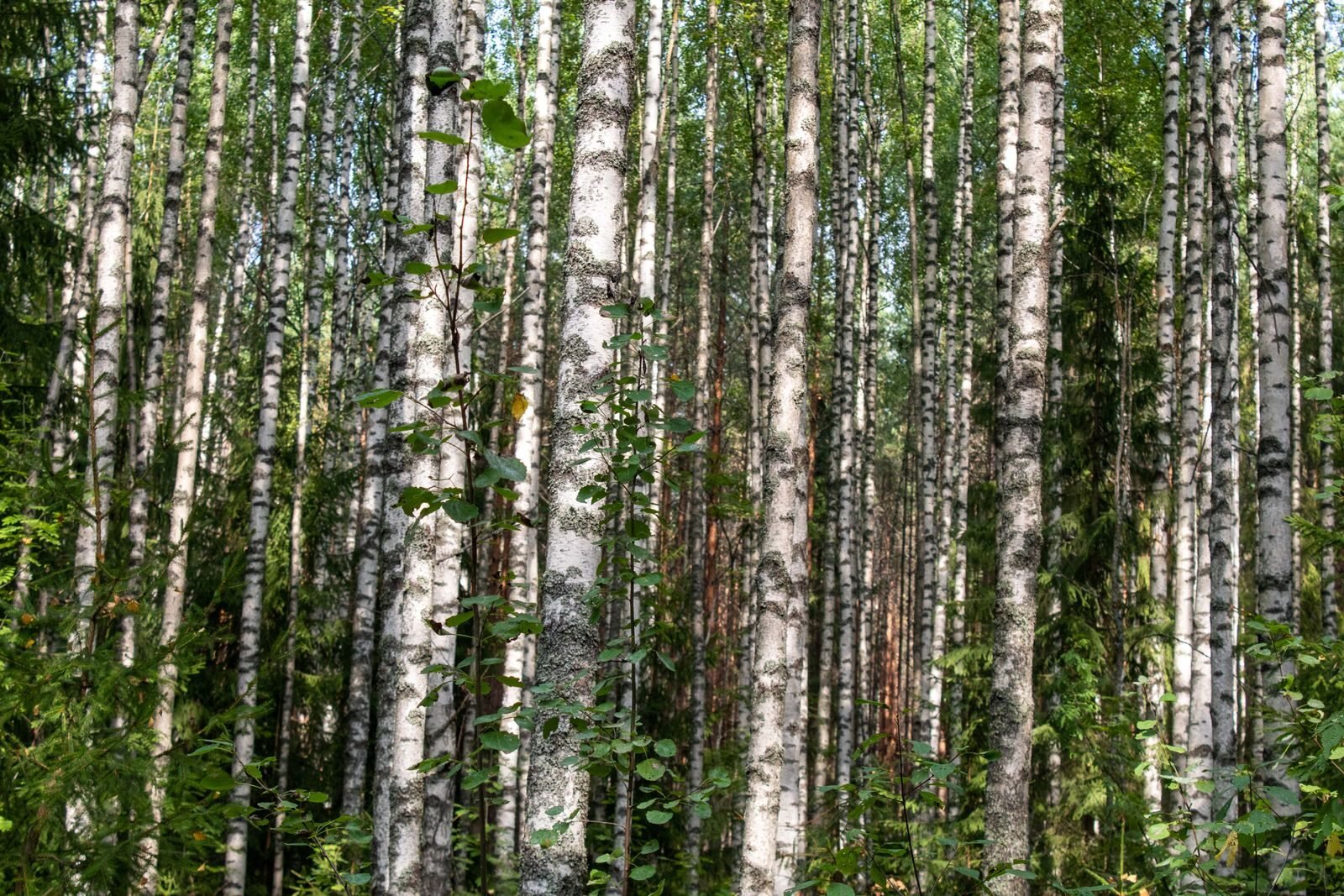
For example, in boreal forests, a warmer-than-usual growing season may favor fast-growing species like silver birch (Betula pendula), potentially outcompeting slower-growing conifers and altering forest composition.
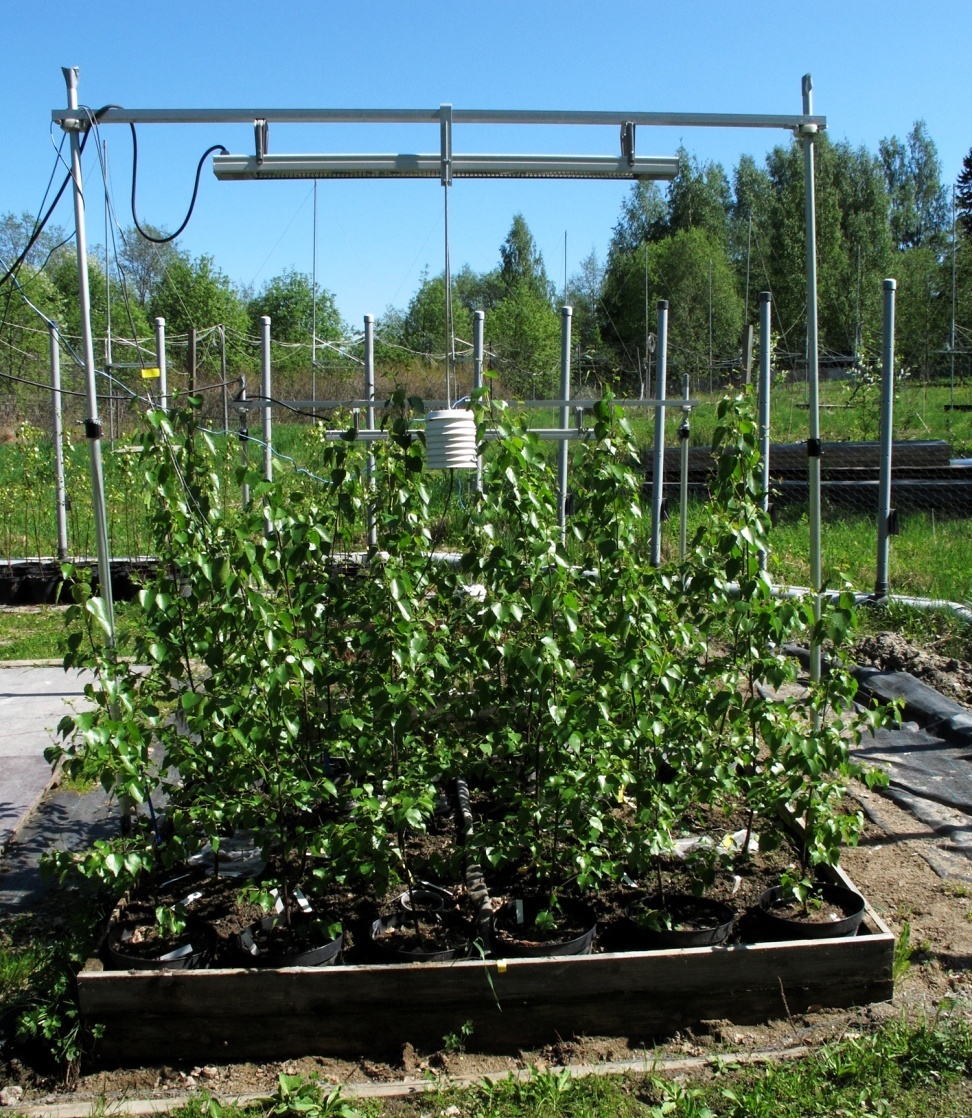
I saw this firsthand in open-air field experiments on silver birch, where a warmer season shifted growth in ways that differed from one genotype to the next.
2- Natural Disasters
Events such as wildfires, hurricanes, landslides, and volcanic eruptions can rapidly disrupt ecosystems. These disturbances can remove vegetation, expose soil to erosion, and change nutrient availability. While some ecosystems are adapted to regular disturbances, unusually intense events can push systems beyond their resilience.
Wildfires: Can destroy plant biomass and alter soil microbial communities, leading to reduced nutrient cycling.
Storms and floods: Can wash away seeds, seedlings, and organic matter, changing plant community composition.
3- Invasive Species (Naturally Introduced)
Although humans accelerate species introduction, some invasions occur naturally. An invasive plant, animal, or pathogen can disrupt native species interactions by competing for resources, predation, or disease spread.
For example, when a fast-growing shrub colonizes a riverbank, it may displace native riparian plants, changing soil stabilization and nutrient cycling.
Human-Induced Factors Causing Ecosystem Imbalance
1- Habitat Loss and Fragmentation
Urbanization, agriculture, and infrastructure development reduce and fragment natural habitats. Habitat loss limits space for native plants and animals, while fragmentation isolates populations, reducing genetic diversity.
Edge effects: Fragmented habitats often experience altered light, temperature, and wind conditions, affecting plant growth and animal behavior.
Reduced pollination: Plants that depend on specific pollinators may fail to reproduce if habitat loss interrupts pollinator networks.
2- Pollution
Chemical and physical pollutants disrupt ecosystems by affecting water, soil, and air quality. Plants and soil organisms are particularly sensitive to changes in their environment caused by pollutants.
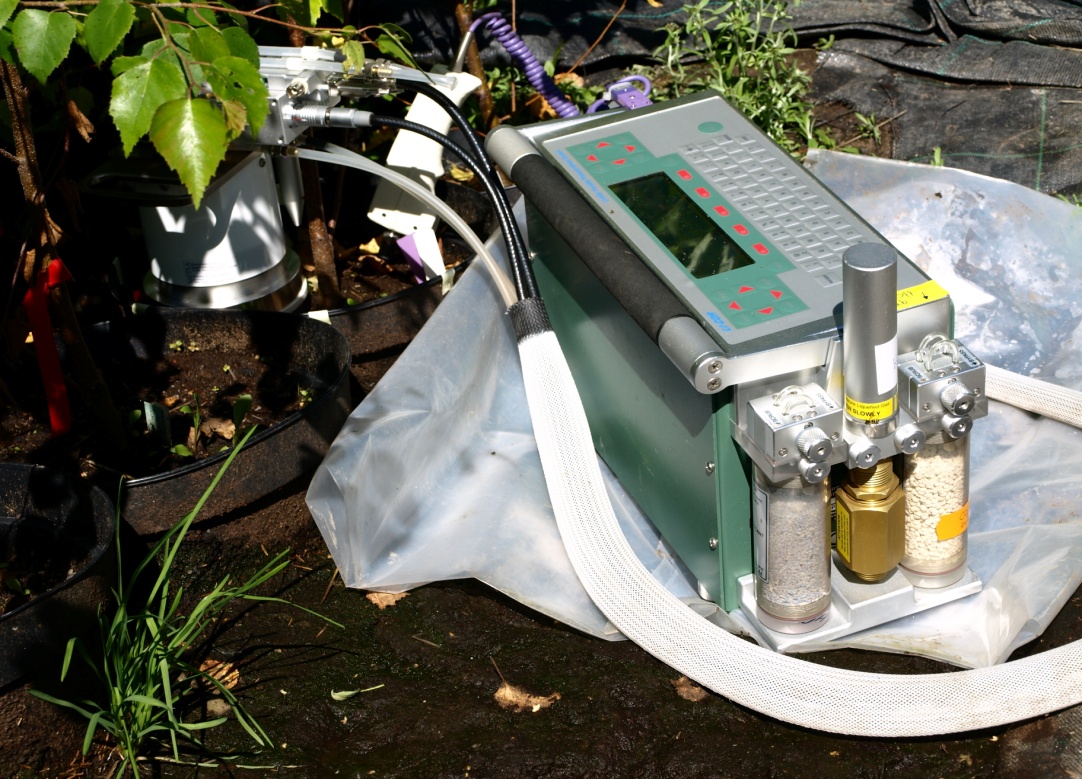
Air pollutants: Tropospheric ozone (O₃) can damage leaves, reduce photosynthesis, and slow plant growth. This matches what I measured in the field: elevated ozone left genotype-specific marks on silver birch growth and soil respiration, even when visible leaf damage was slight.
Water pollutants: Excess nutrients from fertilizers cause eutrophication in aquatic systems, promoting algal blooms that deplete oxygen and harm aquatic plants and animals.
Soil pollutants: Heavy metals and industrial chemicals can inhibit microbial activity and nutrient availability, impairing plant development.
3- Climate Change
Human-driven climate change intensifies natural variability and produces long-term trends in temperature, precipitation, and extreme weather. These shifts can:
Alter growing seasons for plants, affecting flowering and seed set.
Promote range expansions or contractions for both plants and animals, changing competitive dynamics.
Increase vulnerability to pests, pathogens, and invasive species.
For example, warming in northern forests may increase growth for some deciduous species, while simultaneously exposing others to drought stress, ozone damage, or pest outbreaks.
4- Overexploitation of Resources
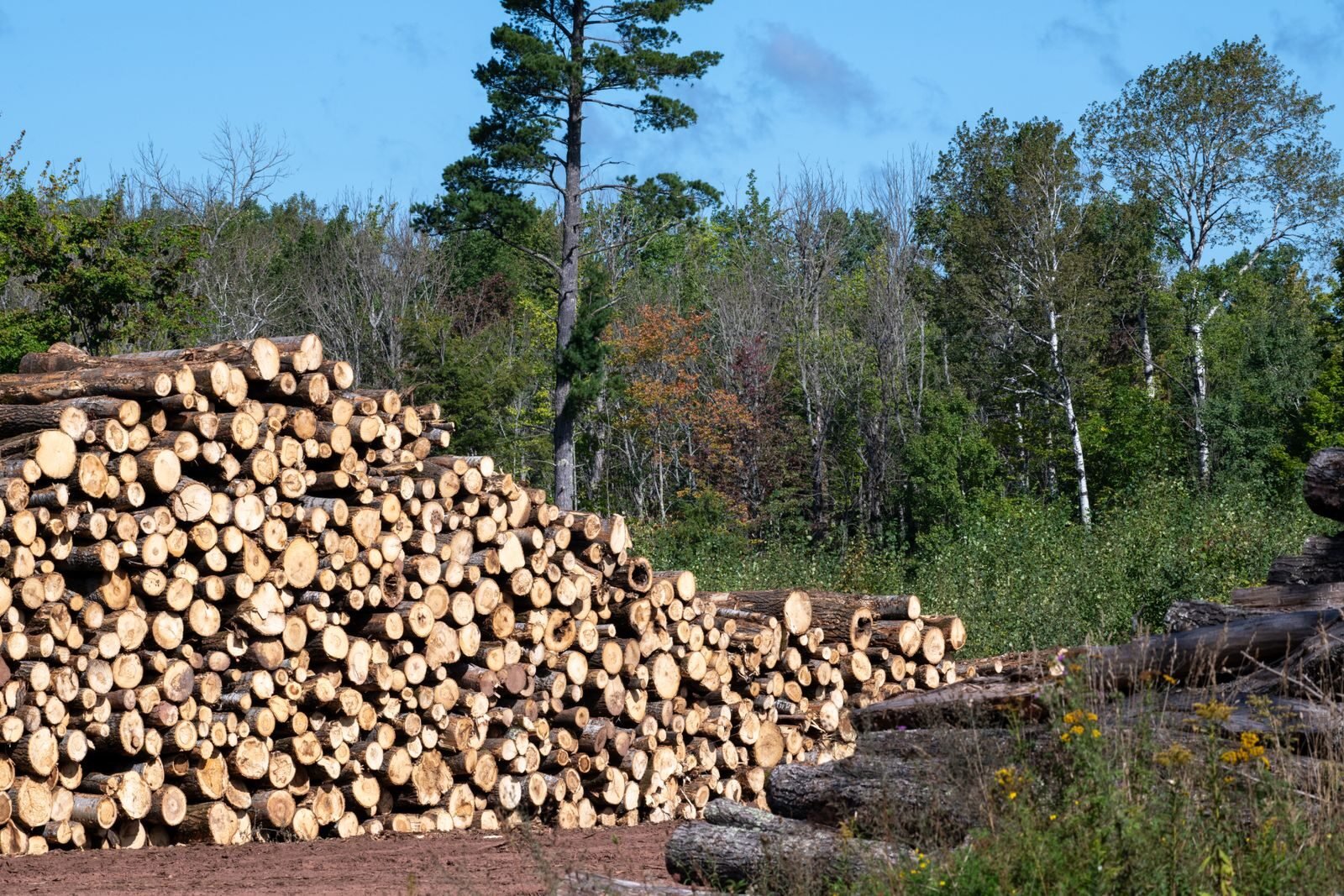
Unsustainable harvesting of plants, logging, and extraction of water and soil nutrients can destabilize ecosystems. Removing key species alters food webs and nutrient cycling.
Deforestation: Reduces carbon storage, disrupts soil microbial communities, and decreases habitat for understory plants.
Overgrazing: In grasslands, excessive herbivory reduces plant cover, leading to soil erosion and nutrient loss.
Biological Interactions That Amplify Imbalance
1- Predator-Prey Dynamics
Changes in predator or herbivore populations can cascade through ecosystems. For instance, overhunting of large herbivores may allow certain plant species to dominate, reducing diversity. Conversely, loss of predators can cause herbivore populations to surge, leading to overgrazing.
2- Plant Competition and Succession
Plant communities compete for light, water, and nutrients. Environmental changes or human interventions can alter competitive hierarchies. For example:
Early successional species may dominate disturbed areas, outcompeting slower-growing perennials.
Invasive plants can change nutrient cycling, making it harder for native species to survive.
3- Microbial Imbalances
Soil microbes regulate decomposition, nutrient cycling, and plant health. Pollution, acidification, or climate stress can shift microbial communities, affecting plant nutrient uptake and ecosystem productivity.
Summary of Key Factors
| Factor Category | Description / Examples |
|---|---|
| Climate variability and extreme events | Temperature extremes, droughts, floods, storms |
| Habitat loss and fragmentation | Urbanization, agriculture, infrastructure development |
| Pollution | Air, water, and soil contaminants |
| Climate change | Long-term warming, altered precipitation patterns, more extreme events |
| Overexploitation | Logging, harvesting, overgrazing |
| Biological interactions | Invasive species, altered predator-prey dynamics, shifts in microbial communities |
Note: These factors often interact, creating complex feedback loops. For example, climate change can increase the spread of invasive species, further reducing biodiversity and ecosystem resilience.
Conclusion
Ecosystems maintain balance through intricate interactions among plants, animals, microbes, and their physical environment. When natural events or human activities disturb these interactions, imbalances arise, affecting biodiversity, nutrient cycling, and ecosystem services.
Understanding the causes of imbalance helps scientists and students appreciate the delicate relationships in nature and the consequences of environmental change.
By studying factors such as climate variability, habitat loss, pollution, and biological interactions, we can gain insight into how ecosystems function and respond to stress.
FAQs
What does ecosystem imbalance mean?
It refers to disruptions in the normal interactions among species and their environment, leading to changes in biodiversity, nutrient cycling, or energy flow.
Can natural events alone cause ecosystem imbalance?
Yes, extreme weather, fires, floods, or volcanic eruptions can temporarily or permanently disrupt ecosystems.
How do humans accelerate ecosystem imbalance?
Through habitat destruction, pollution, climate change, overexploitation of resources, and introduction of invasive species.
Why is plant health important for ecosystem balance?
Plants form the base of most food webs, regulate nutrient cycling, and support soil microbes, so their disruption affects the entire ecosystem.
Can ecosystems recover from imbalance?
Some ecosystems are resilient and can recover over time, but recovery depends on the severity of the disturbance, species diversity, and human intervention.