


This article was written and reviewed by Serge, MSc. I hold degrees in Plant Biology, Environmental Biology and Biogeochemistry, with research experience in plant physiology, ecosystem science, and field-based environmental studies. Every article on this site is grounded in real academic training and genuine scientific research.
Affiliate disclosure: This site has affiliate links, including Amazon. As an Amazon Associate I earn from qualifying purchases, at no extra cost to you.
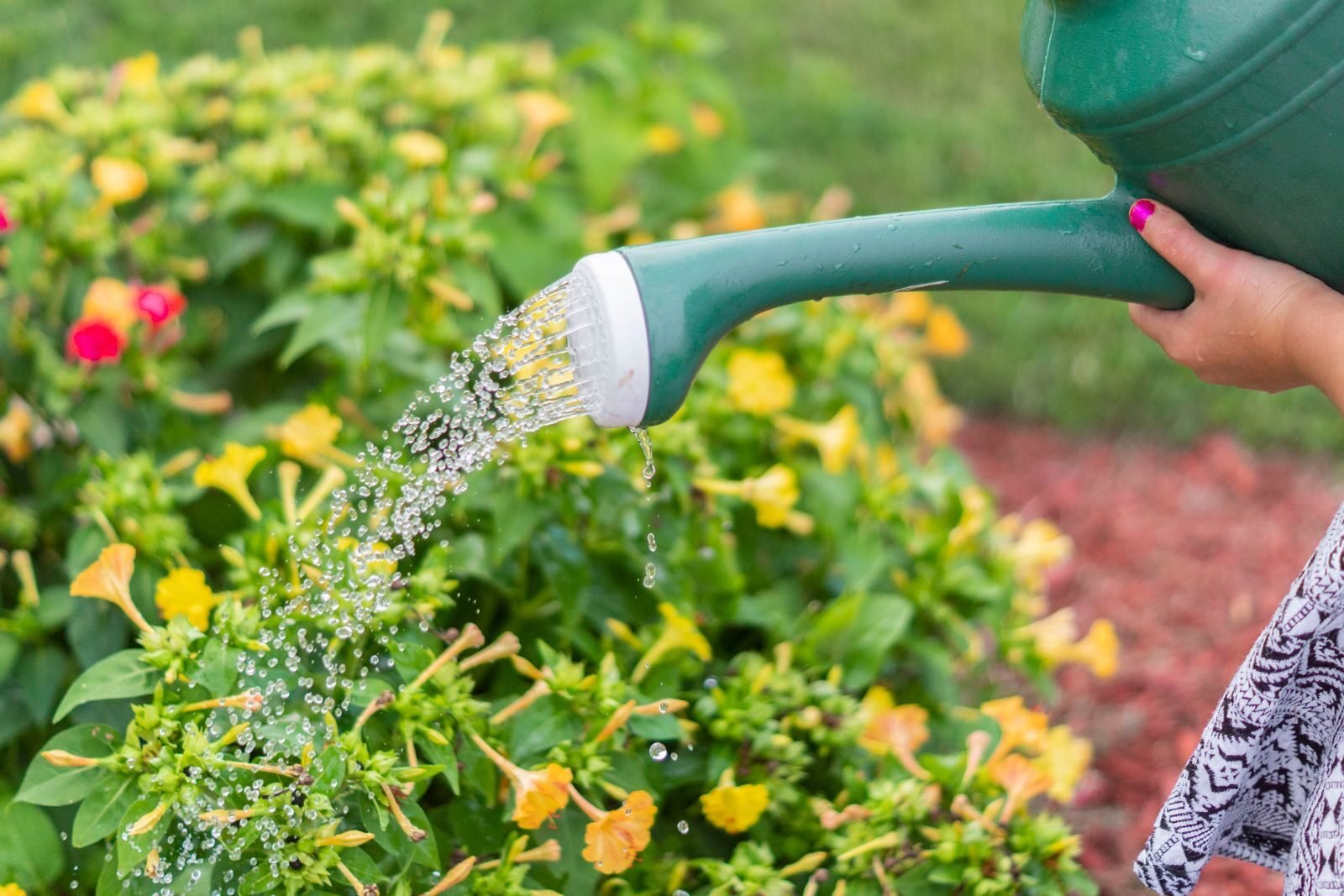
Water is one of the most critical components of life on Earth, and plants are no exception. From towering trees in tropical rainforests to small succulents in arid deserts, all plants rely on water for survival, growth, and reproduction.
Understanding why plants need water provides insight into their biology, ecology, and even how they thrive indoors. Water is not merely a passive element for plants, it is a dynamic participant in numerous biological processes, affecting cellular structure, nutrient transport, photosynthesis, and ecological interactions.
The Fundamental Role of Water in Plants
At the most basic level, water is a major component of plant tissues. Plant cells are composed primarily of water, which fills the vacuole, maintaining turgor pressure, the internal pressure that keeps cells rigid.
Turgor pressure is essential for structural support; without sufficient water, cells lose rigidity, leading to wilting. Beyond structural roles, water serves as a solvent, a medium for chemical reactions, and a carrier of nutrients throughout the plant.
Water as a Solvent and Transport Medium
Water’s unique molecular properties make it an excellent solvent. It dissolves minerals and organic molecules, allowing them to move efficiently through plant tissues.
Roots absorb water from the soil along with dissolved ions like potassium, magnesium, and nitrate, which are vital for enzymatic activities and metabolic processes.
Once inside the plant, water transports these nutrients via the xylem, a network of specialized vessels that extends from roots to leaves. This continuous stream, often called the transpiration stream, is driven by evaporation from leaf surfaces and cohesion between water molecules.
Water in Photosynthesis
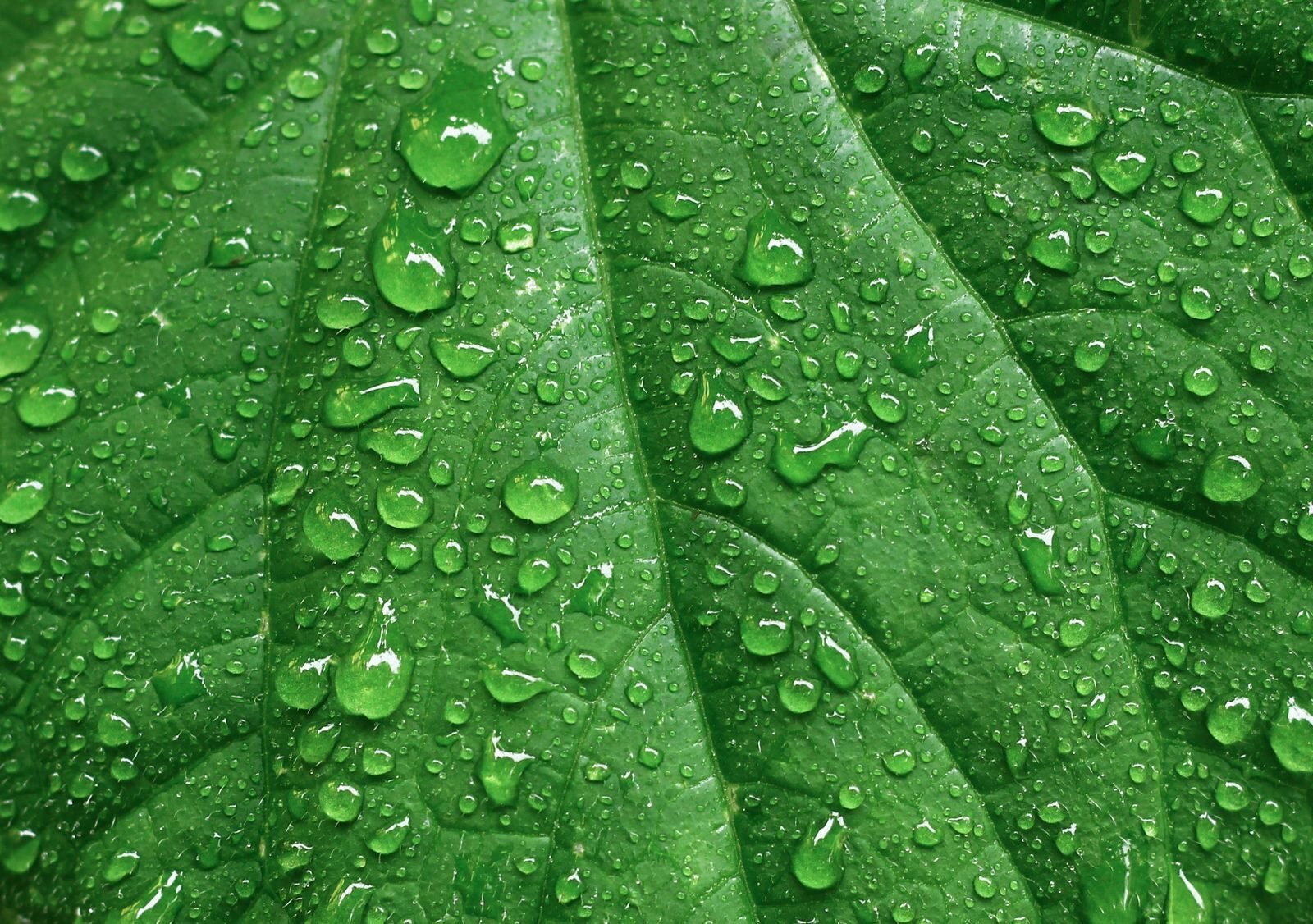
Photosynthesis, the process by which plants convert light energy into chemical energy, is fundamentally dependent on water. During this process, water molecules are split into oxygen, protons, and electrons in a reaction known as photolysis.
The electrons replace those lost by chlorophyll during light absorption, while the protons contribute to the formation of energy-carrying molecules like ATP and NADPH. Oxygen is released as a byproduct. Without water, the photosynthetic machinery cannot function, and energy production within the plant ceases.
Mechanisms of Water Uptake and Distribution
Understanding how plants absorb and move water reveals the sophistication of their biological systems.
Root Absorption
Water uptake begins in the roots. Root hairs, tiny extensions of root epidermal cells, increase surface area and enhance contact with the soil. Water moves into these cells primarily through osmosis, a process in which water moves from areas of high water concentration in the soil to areas of lower water concentration inside the root cells. Specialized proteins called aquaporins can regulate the speed of water flow, ensuring that cells maintain optimal hydration.
Xylem Transport
Once inside the root, water enters the xylem vessels. These tubes are reinforced with lignin, providing both structural support and a low-resistance pathway for water movement. Water ascends through the xylem due to a combination of forces: root pressure, capillary action, and transpiration pull.
Transpiration, the evaporation of water from stomata in leaves, creates a negative pressure that draws water upward like a natural pump. Cohesion and adhesion between water molecules help maintain a continuous column, even against gravity, ensuring that distant leaves receive adequate hydration.
Water and Leaf Function
In leaves, water plays a key role in gas exchange and temperature regulation. The opening and closing of stomata, small pores on the leaf surface, are influenced by turgor pressure in surrounding guard cells, which in turn depends on water availability.
When water enters guard cells, they swell, opening the stomata to allow carbon dioxide in for photosynthesis. Simultaneously, transpiration helps cool the leaf surface, preventing heat stress in sunlight-exposed plants.
Water and Nutrient Dynamics
Water is the main medium through which essential nutrients are transported. Nitrogen, phosphorus, potassium, and micronutrients dissolve in water and move through the plant’s vascular system to where they are needed most.
For example, nitrogen is crucial for synthesizing amino acids and chlorophyll, while phosphorus is vital for energy transfer and nucleic acid formation. Without water, these nutrients cannot travel efficiently, limiting growth and metabolic function.
Intracellular Roles of Water
At the cellular level, water supports enzymatic reactions and maintains the three-dimensional structure of proteins and other macromolecules.
Many biochemical reactions, including those involved in metabolism and hormone signaling, occur in aqueous environments. Water molecules also participate directly in hydrolysis and condensation reactions, which are fundamental to building and breaking down biological macromolecules.
Ecological and Indoor Plant Examples
Water availability affects plant distribution and growth patterns in ecosystems. In deserts, xerophytes such as cacti have adapted to conserve water through thick cuticles and reduced leaf surfaces.
In contrast, rainforest plants like ferns and epiphytes rely on abundant water for continuous growth and reproduction.
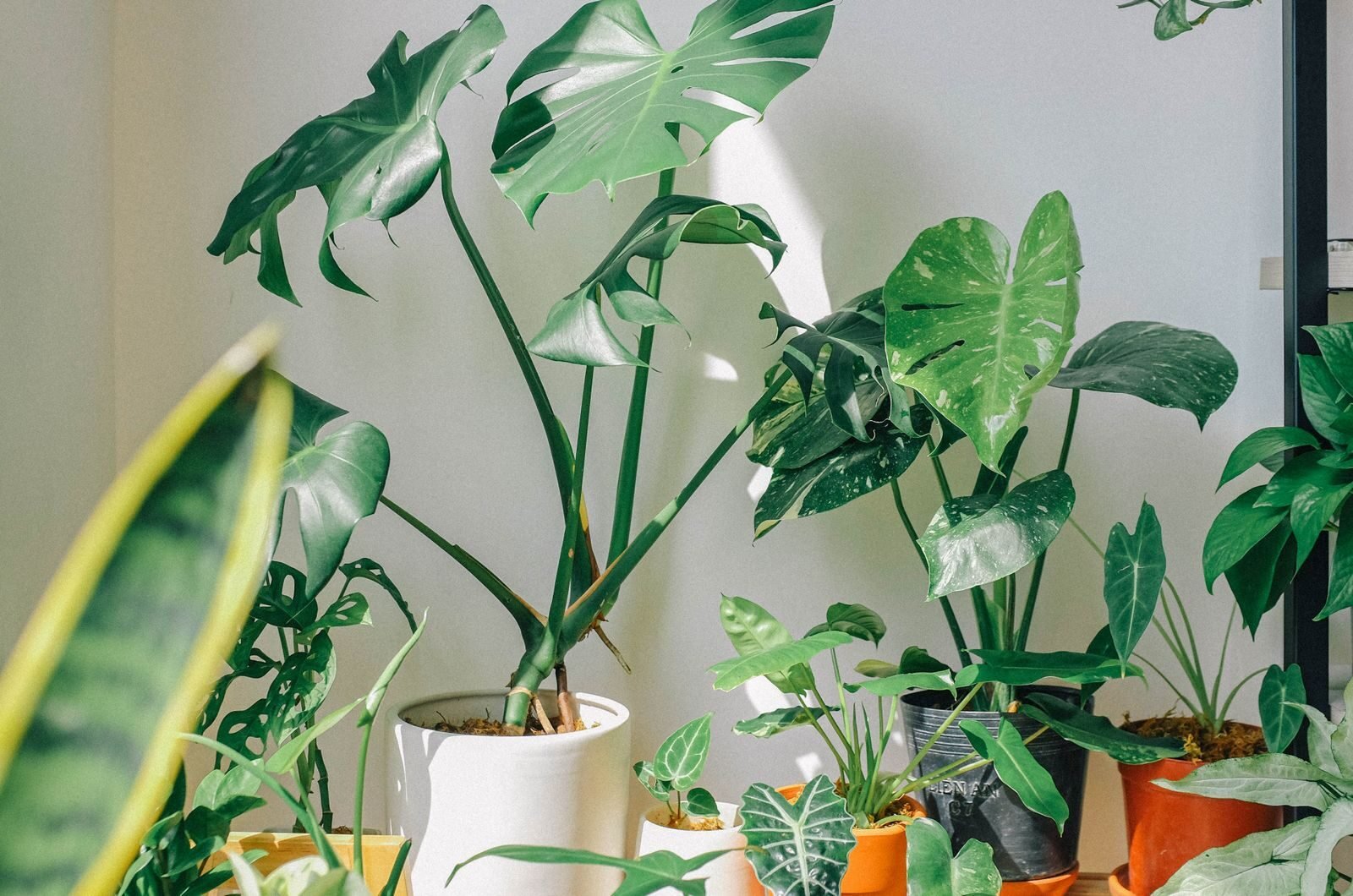
Indoors, plants experience different water dynamics due to controlled soil, humidity, and light conditions. Understanding water requirements helps explain why some species, such as peace lilies, exhibit rapid leaf turgor changes in response to watering cycles, while succulents rely on stored water and demonstrate slow responses to hydration.
FAQs
1. How do plants absorb water from the soil?
Plants absorb water through root hairs by osmosis. Water moves from areas of higher concentration in the soil to lower concentration within root cells, often aided by aquaporin channels that regulate flow.
2. What is the role of transpiration in water movement?
Transpiration is the evaporation of water from leaf stomata. It generates a negative pressure in the xylem that pulls water upward from roots, aiding nutrient transport and cooling leaves.
3. Why is water important for photosynthesis?
Water is split during photosynthesis to provide electrons and protons for energy production and releases oxygen as a byproduct. Without water, the light-dependent reactions cannot occur.
4. How does water contribute to plant structure?
Water maintains turgor pressure in cells, keeping tissues firm and upright. Loss of water results in wilting, while sufficient water allows plants to maintain structural integrity.
5. Can plants survive without continuous water supply?
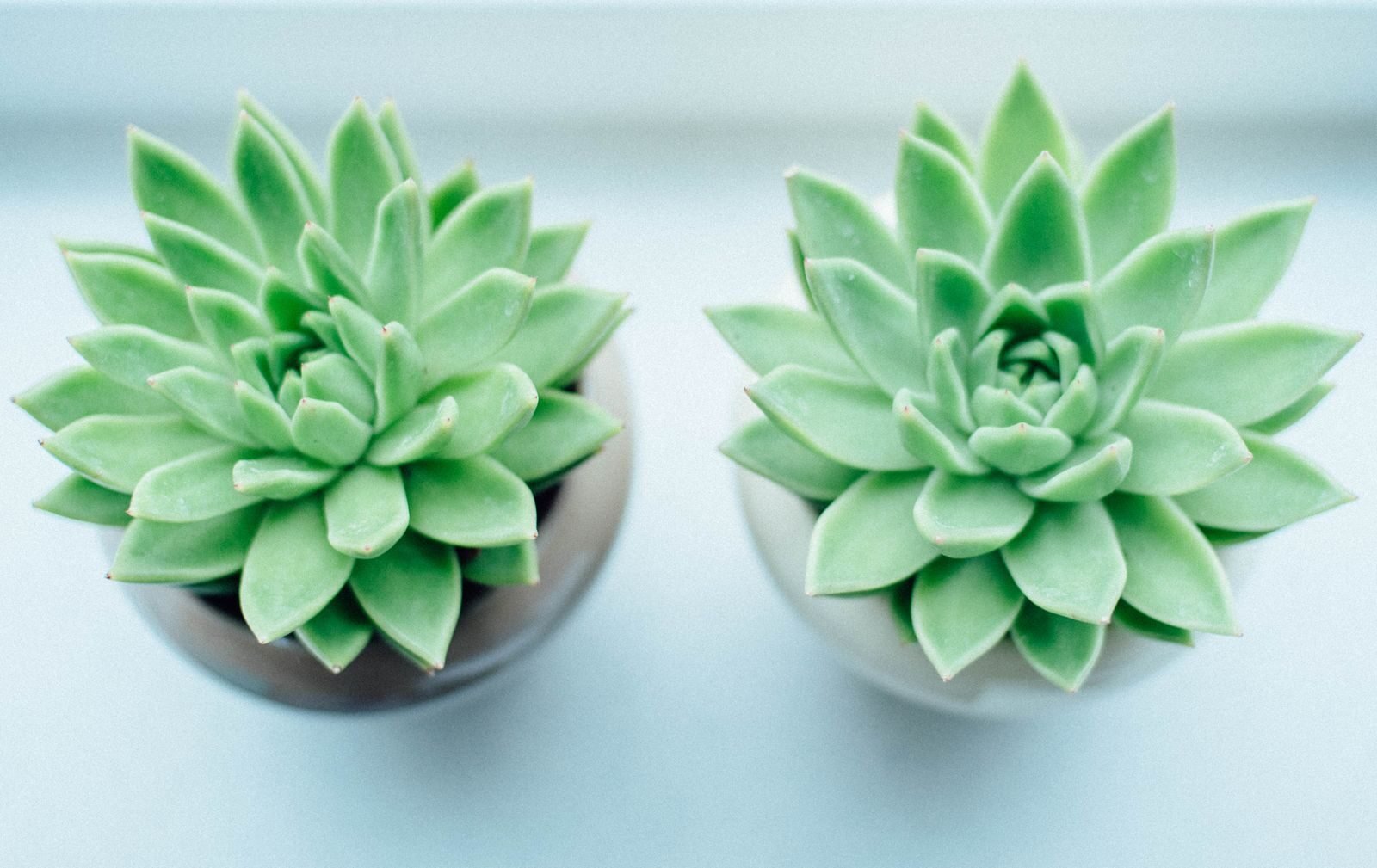
Some plants have adaptations for water scarcity, such as succulents that store water in tissues. However, most plants require a continuous water supply for photosynthesis, nutrient transport, and growth.
6. What happens to nutrients in water-limited conditions?
Nutrient transport relies on water. When water is limited, nutrient movement slows, leading to deficiencies in critical elements like nitrogen, potassium, and phosphorus, affecting growth and metabolism.
Conclusion
Water is indispensable to plant life, serving structural, metabolic, and ecological functions. It supports cellular rigidity, enables nutrient transport, powers photosynthesis, regulates temperature, and maintains physiological balance.
By examining the mechanisms of water absorption, distribution, and utilization, it becomes clear that water is not merely an external resource but an integral part of plant biology.
Understanding these processes illuminates why water availability shapes both natural ecosystems and indoor plant growth, highlighting the intricate interplay between plants and their environments.