


This article was written and reviewed by Serge, MSc. I hold degrees in Plant Biology, Environmental Biology and Biogeochemistry, with research experience in plant physiology, ecosystem science, and field-based environmental studies. Every article on this site is grounded in real academic training and genuine scientific research.
Affiliate disclosure: This site has affiliate links, including Amazon. As an Amazon Associate I earn from qualifying purchases, at no extra cost to you.
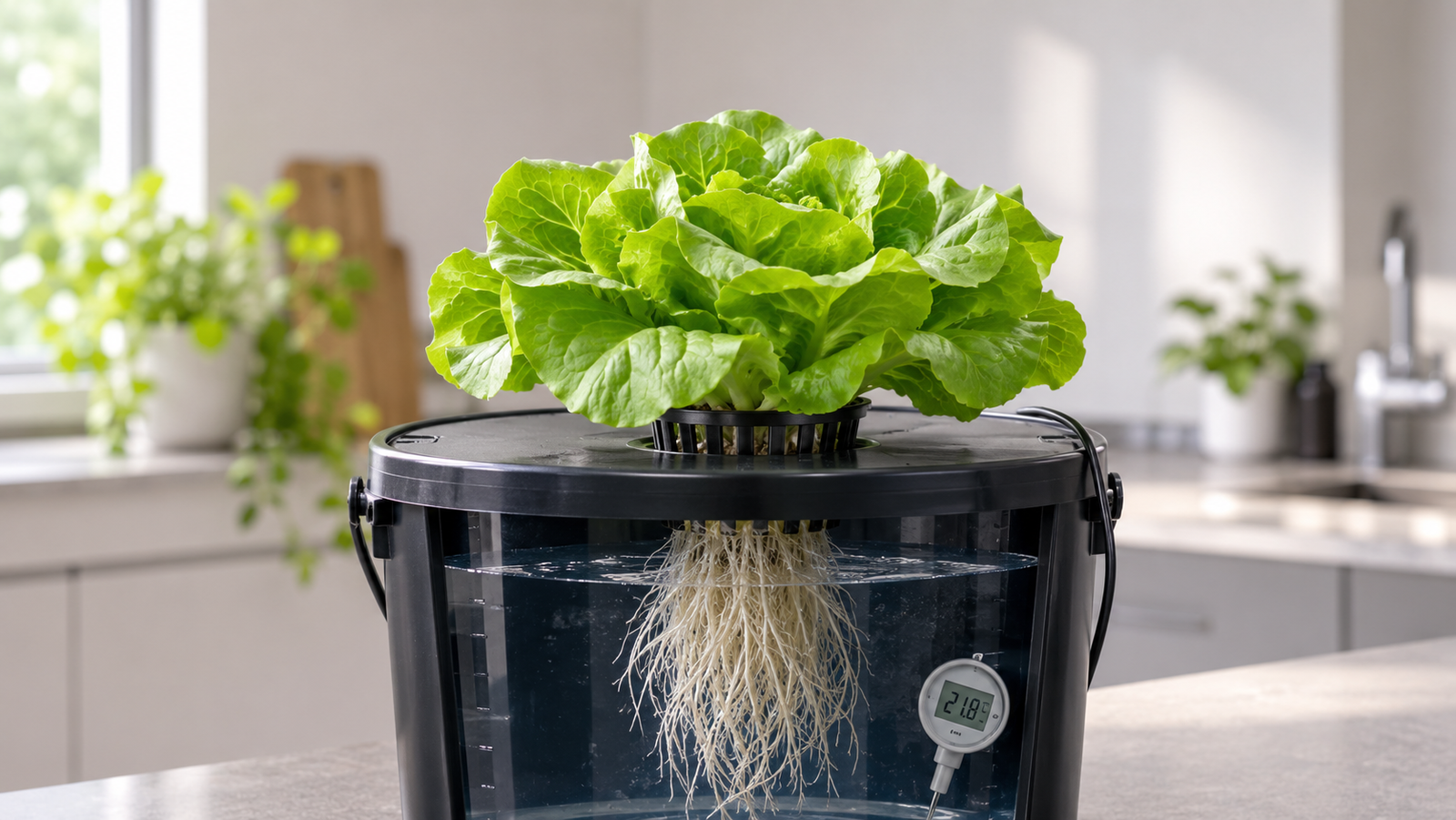
Most guides treat water temperature as a side note. Pick a chiller if your room runs hot, pick a heater if it runs cold, and move on. I treat it as one of the first things to get right, and that comes from a season I spent doing something that sounds odd: warming plants on purpose to watch what heat did to them.
So before you buy a hydroponic water chiller or a heater, let me tell you what temperature is really doing under the surface of your reservoir. Once you see it, the buying decision gets simple.
Why I never treat water temperature as a side detail
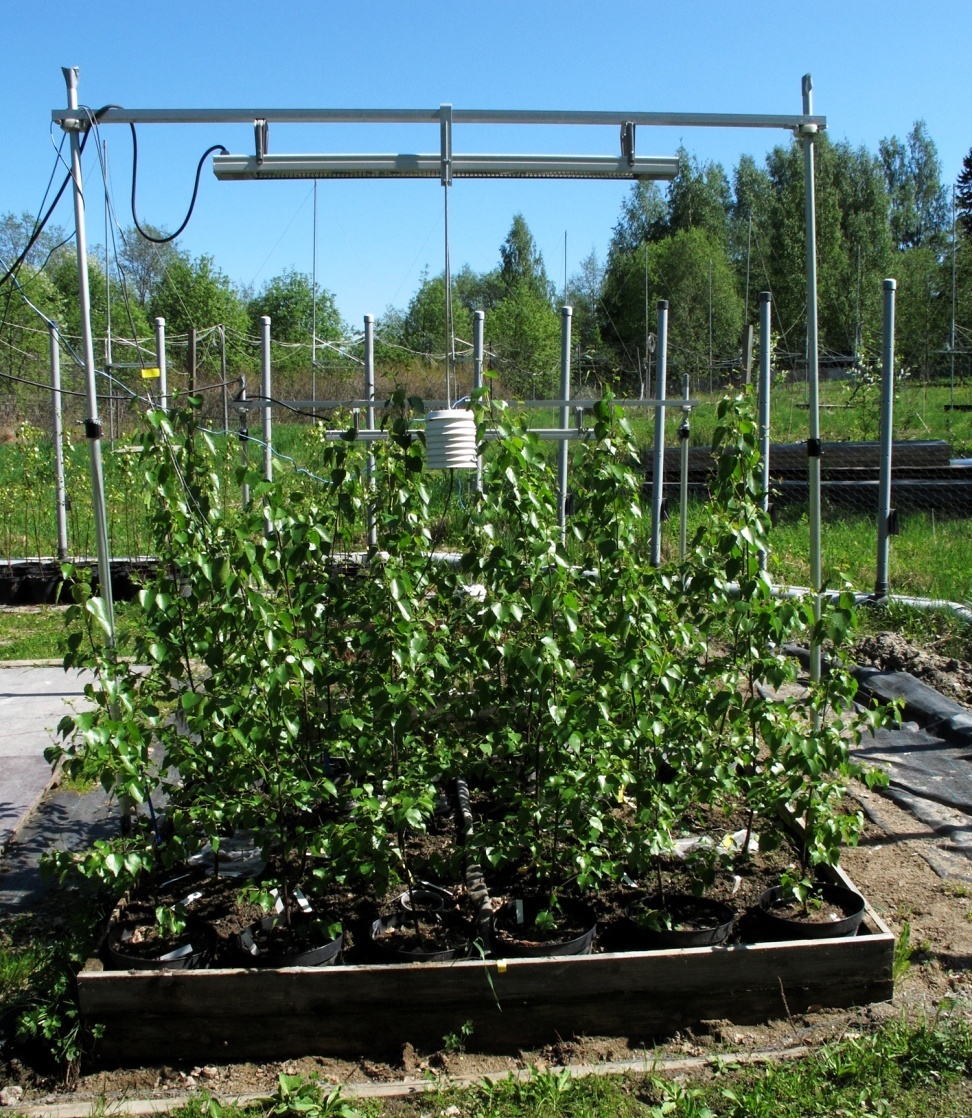
I once ran a warming experiment on young trees… We raised the temperature around them for a whole growing season and tracked two things: how they grew above the ground, and how much the soil underneath them was breathing.
That second part is the one that changed how I think…
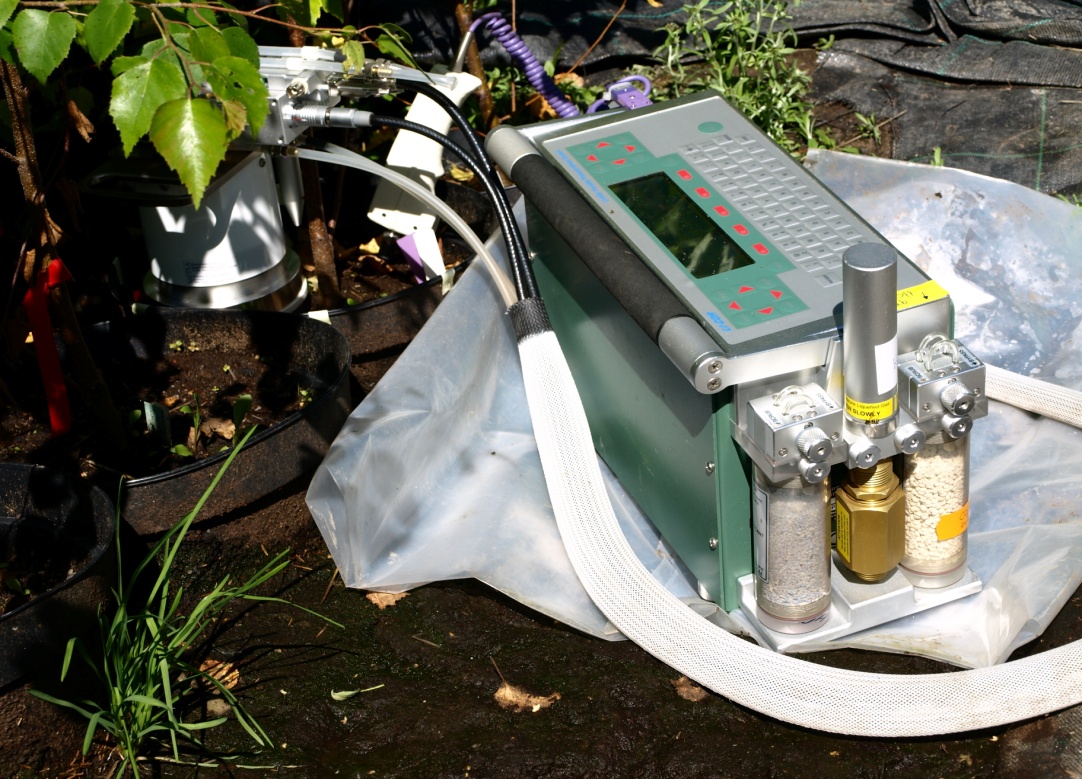
Soil breathing has a proper name, soil respiration, and it is the carbon dioxide that roots and the life around them give off as they use oxygen. You can measure it. I did, week after week. And the clearest pattern was this: warm the ground, and the roots breathe harder. They speed up. They demand more oxygen.
Now hold that thought, because here is the part that makes hydroponics tricky…
Warm water does the opposite of what warm roots want. As water heats up, it holds less dissolved oxygen, not more. A university water-science page states it plainly: warmer water can hold less dissolved oxygen than colder water.
So warm water pushes your roots to want more oxygen at the exact moment the water is able to give them less. That squeeze is the whole reason I care about reservoir temperature. It is not about comfort. It is about whether the roots can breathe.
The two things temperature controls
When I look at a reservoir now, I am really watching two dials at once.
The first is growth speed. Warm up to a point and plants run faster, the same way my trees did. Push past that point and they stress.
The second is oxygen at the roots, which I just described. The reason the sweet spot is narrow is that these two dials fight each other. A little warmth helps growth. Too much warmth starves the roots of air.
This is also why root problems so often show up in summer and not winter. Warm, low-oxygen water is where root rot gets comfortable. If your plant is wilting even though its roots are sitting in a full reservoir, warm low-oxygen water is usually the reason.
That exact symptom, with the cause and the numbers to correct it, is one of the rows in my Fix Your Hydroponics guide, which also has a short section on water and warmth as the hidden causes most people miss.
The temperature to aim for
For most leafy crops, the target is 68 to 72°F, which is 20 to 22°C. That is not my number, it is the range Ohio State University lists for root-zone management, and the same source notes that keeping water in that band holds dissolved oxygen up near 6 parts per million, which is where you want it.
Hold the water there and you get both dials in a good spot at once: fast enough growth, enough oxygen for the roots. Drift warm and oxygen drops. Drift cold and growth crawls. A chiller or a heater is simply the tool that keeps you in the band.
When you need a chiller
You need a chiller when your water keeps climbing past about 72°F, which is 22°C, and will not come down on its own. A few setups almost ask for it.
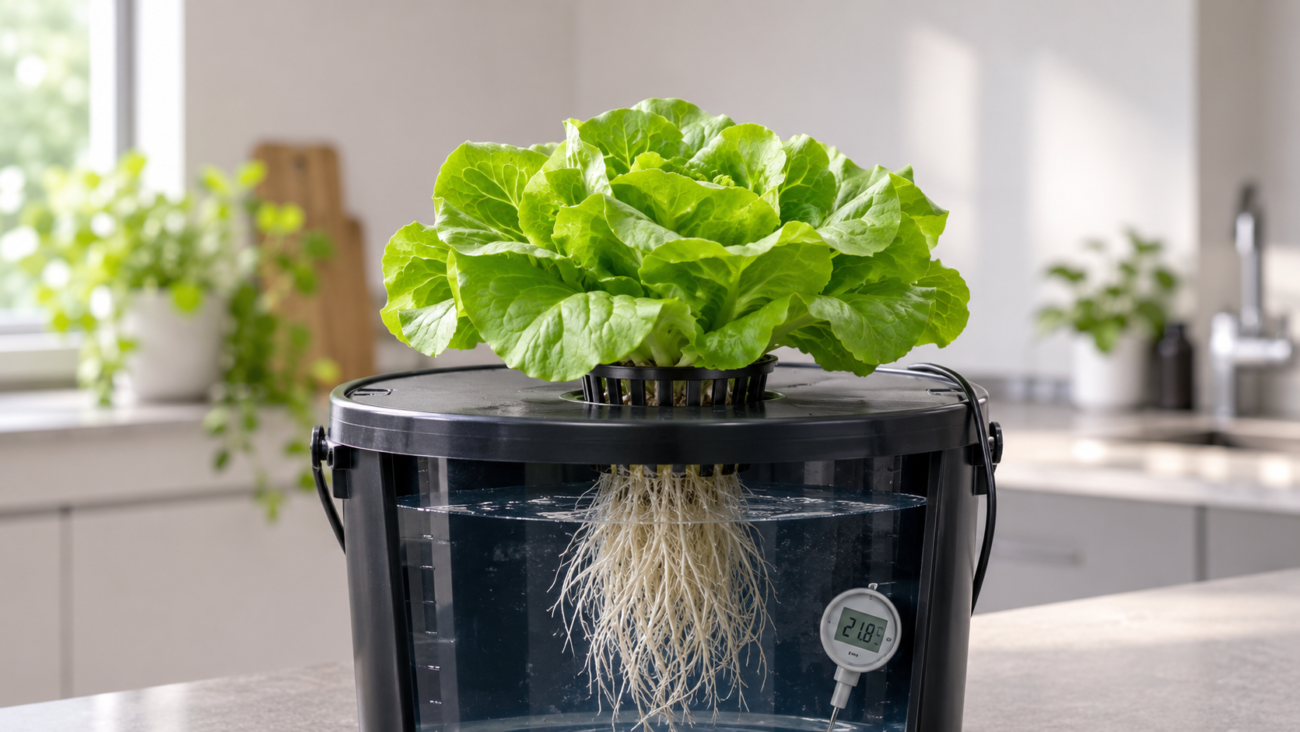
Deep water culture is the main one, because the roots sit in a big body of still water that warms up and holds that heat, and I explain how that system works in my guide to the types of hydroponic systems. Grow tents in warm rooms are another, and so is any setup where strong grow lights throw off heat that ends up in the water.
A chiller is the reliable fix, but it is the expensive one, so it is worth being sure the cheaper options cannot get you there first.
When you need a heater
The cold side gets ignored, but I would not skip it. Water that sits below about 65°F slows roots right down, and in a cold garage or an unheated room over winter it can slide much lower than that. Slow, cold roots take up less water and fewer nutrients, and the plant above looks hungry even when the reservoir is full.
An aquarium-style heater with a thermostat is a cheap answer here. It switches on when the water drops and switches off when it recovers, so you are not babysitting it.
How to size and choose one
Match the unit to your reservoir volume first. An undersized chiller runs forever and never catches up, and an undersized heater does the same in reverse. Check the volume it is rated for and give yourself a little margin above your tank size.
A thermostat is the part I would not skip on either one. You want the unit holding a set temperature on its own, not running flat out until you remember to check it. And whatever you buy, get a simple water thermometer too, because you cannot manage a number you are not reading.
Cheaper fixes to try first
Before you spend on a chiller, a few things cool water for free. Shade the reservoir from direct light, since a clear or pale tank heats fast. Raise lights a little further off the water. Float frozen water bottles in the tank on the hottest afternoons, which is low-tech but works for a small setup.
Wrap or insulate the reservoir so the day’s heat gets in slower. And in anything but a passive tub, an air stone helps, because moving, aerated water both runs a little cooler and carries more oxygen to the roots.
None of these hold a steady temperature the way a chiller does, but if you are only a couple of degrees too warm, they can close the gap. If you are many degrees out, or you are running deep water culture in a hot climate, buy the unit and stop fighting it.
If you are still setting up your first system and want to get temperature right from day one rather than troubleshoot it later, my beginner’s guide to starting a hydroponic garden builds it in from the start.
Questions people ask
Do I really need a chiller for a small setup?
Not always. If your room stays cool and your water sits in the high 60s°F on its own, the free fixes above are usually enough. The chiller earns its place when the water will not stay down no matter what you try.
Can I just add ice?
For an emergency, yes. For every day, no. Ice swings the temperature up and down and can dilute or shift your nutrient solution, and plants dislike the swing almost as much as the heat.
Is cold water ever a problem?
Yes. Below about 65°F roots slow down and feeding drops off. That is the heater’s whole purpose, and it is why I treat heating as seriously as cooling.
What should I measure?
Water temperature daily, and if you can, dissolved oxygen too. The two move opposite each other, so the temperature reading is a good stand-in when you cannot measure oxygen directly.
What it comes down to
Reservoir temperature is not a setting I leave to chance, because I have watched what heat does to roots up close. Aim for 68 to 72°F. If your water keeps climbing past that, try the free fixes, and buy a chiller when they are not enough.
If your water runs cold, add a thermostat heater and stop losing growth to the cold. Get that one number right and a lot of the problems people blame on nutrients or lights quietly go away.