


This article was written and reviewed by Serge, MSc. I hold degrees in Plant Biology, Environmental Biology and Biogeochemistry, with research experience in plant physiology, ecosystem science, and field-based environmental studies. Every article on this site is grounded in real academic training and genuine scientific research.
Affiliate disclosure: This site has affiliate links, including Amazon. As an Amazon Associate I earn from qualifying purchases, at no extra cost to you.
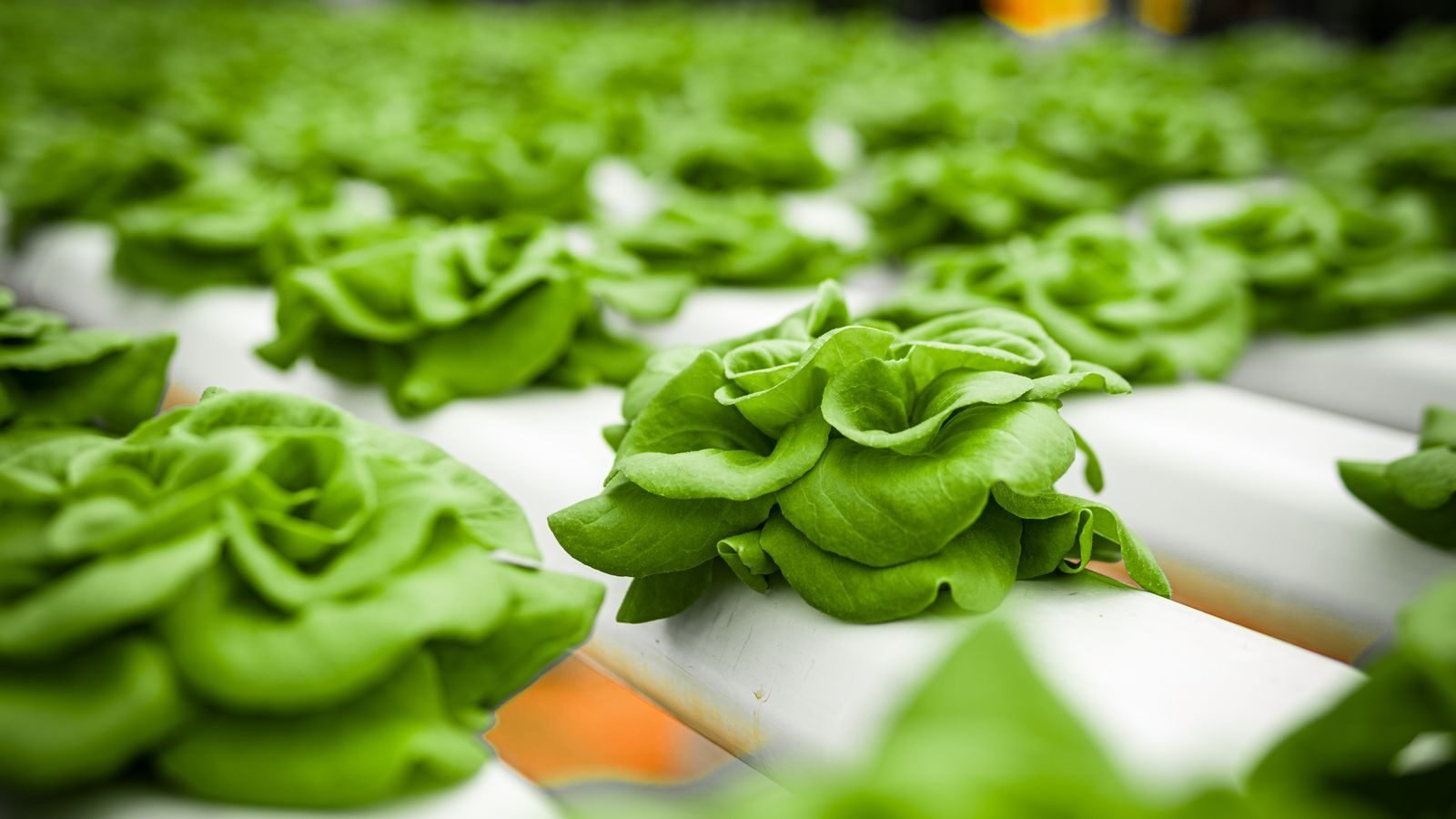
Soil does not feed your plants…
It sounds wrong, but it is true…
What feeds a plant is the minerals dissolved in water. Soil is just a convenient place to hold that water, hold those minerals, and keep some air around the roots. If you give the plant all three yourself, it does not need soil at all.
That is what hydroponics is.
The catch is that once you take the soil away, you have to do everything the soil was doing. All those names you see, DWC, NFT, ebb and flow, Kratky, are not as different as they look. Each one is just a different way of doing the soil’s old job: getting water to the roots, keeping the nutrients in a form the plant can use, and keeping air around the roots. Get those three right and the plant grows. Get one wrong and it struggles.
Let me explain each system in plain terms so you can choose the right one.
The three things every system has to do
My background is in biogeochemistry, which is the study of how nutrients move through water, soil and plants, and what makes them available to a plant or not.
The main lesson from it is simple: a nutrient being in the water is not the same as the plant being able to use it. Whether the plant can use it depends on the pH, the oxygen level and the temperature. If those are wrong, the food is there but the plant cannot take it up.
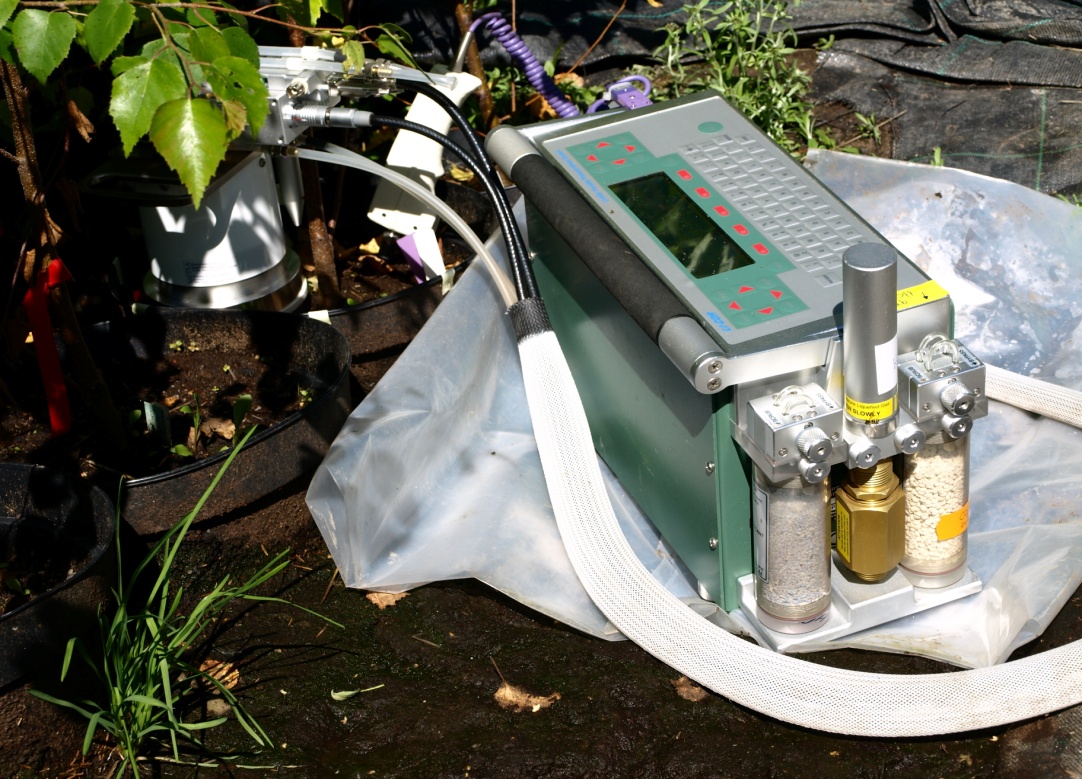
Oxygen is the one I pay the most attention to, and that comes from a season spent measuring soil respiration in the field. Soil respiration is the carbon dioxide that roots and soil microbes give off as they use oxygen, so measuring it shows you how much oxygen a root zone uses, and how quickly it runs out when the soil is wet and still.
Waterlogged soil runs low on oxygen within hours, and when that happens the roots cannot breathe and begin to rot. A hydroponic reservoir can do the same thing. So as we go through the systems, watch how each one keeps air at the roots, because that is where most of them succeed or fail. If you want the basics first, here is how plants take up nutrients.
Passive and active systems
There are two groups. Oklahoma State University Extension calls them passive and active.
Passive systems have no pump; the solution soaks up through a wick or simply sits still.
Active systems use a pump to move the solution past the roots. Passive is cheaper and simpler. Active costs more but gives you better control and, usually, better oxygen.
Wick system
A wick system draws the solution up from a reservoir into the growing medium through a wick. There is no pump and nothing to break, so it is the simplest setup there is.
The problem is that the wick works slowly, and it has to supply both the nutrients and the air the roots need. That limits how much the plant can take up, so a wick system only suits small, light feeders like herbs and lettuce. It is a good way to see how hydroponics works, in the same spirit as the kitchen-window experiment, but not a good way to grow a full crop.
Deep water culture (DWC)
In DWC the roots hang down into the nutrient water, and an air pump bubbles oxygen into it through an air stone. It is cheap, forgiving, and the system I would recommend to most beginners.
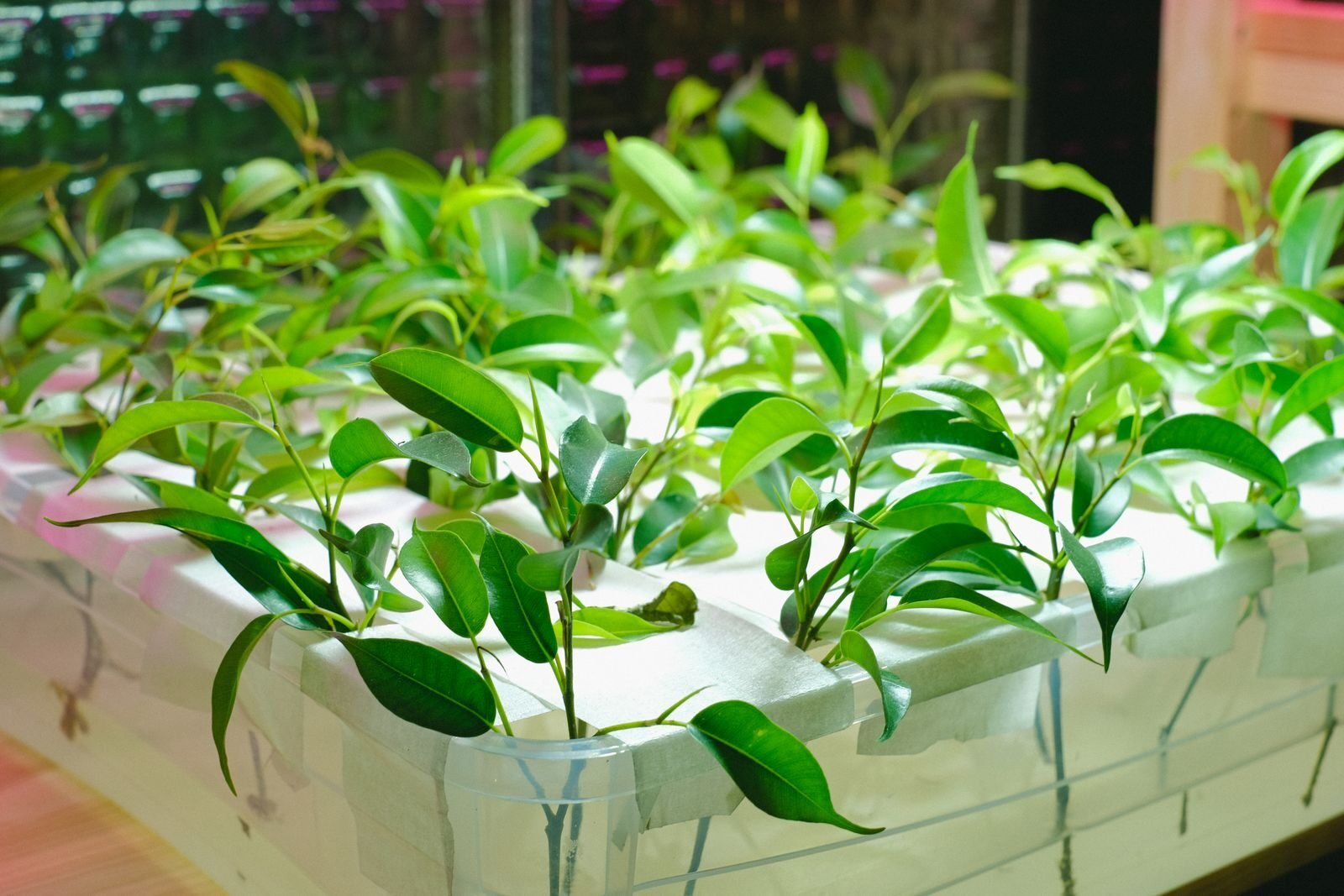
The air stone is the important part. Water holds much less oxygen than air, and the roots use it up quickly, so without the pump the water goes still, the oxygen drops, and the roots start to suffocate and rot within a day or two.
When this happens, most people think the plant is hungry and add more nutrients, which does not help, because the real problem is a lack of oxygen. That is one of the main mistakes my guide Fix Your Hydroponics is built to catch.
There is a simpler version called the Kratky method, which uses no pump and leaves an air gap above the water as the level drops. It works well for quick leafy greens. If you want to start there, my step-by-step guide Start Your First Hydroponic Garden takes you from an empty tub to growing lettuce in about a week, with no pump and no technical knowledge needed.
Nutrient film technique (NFT)
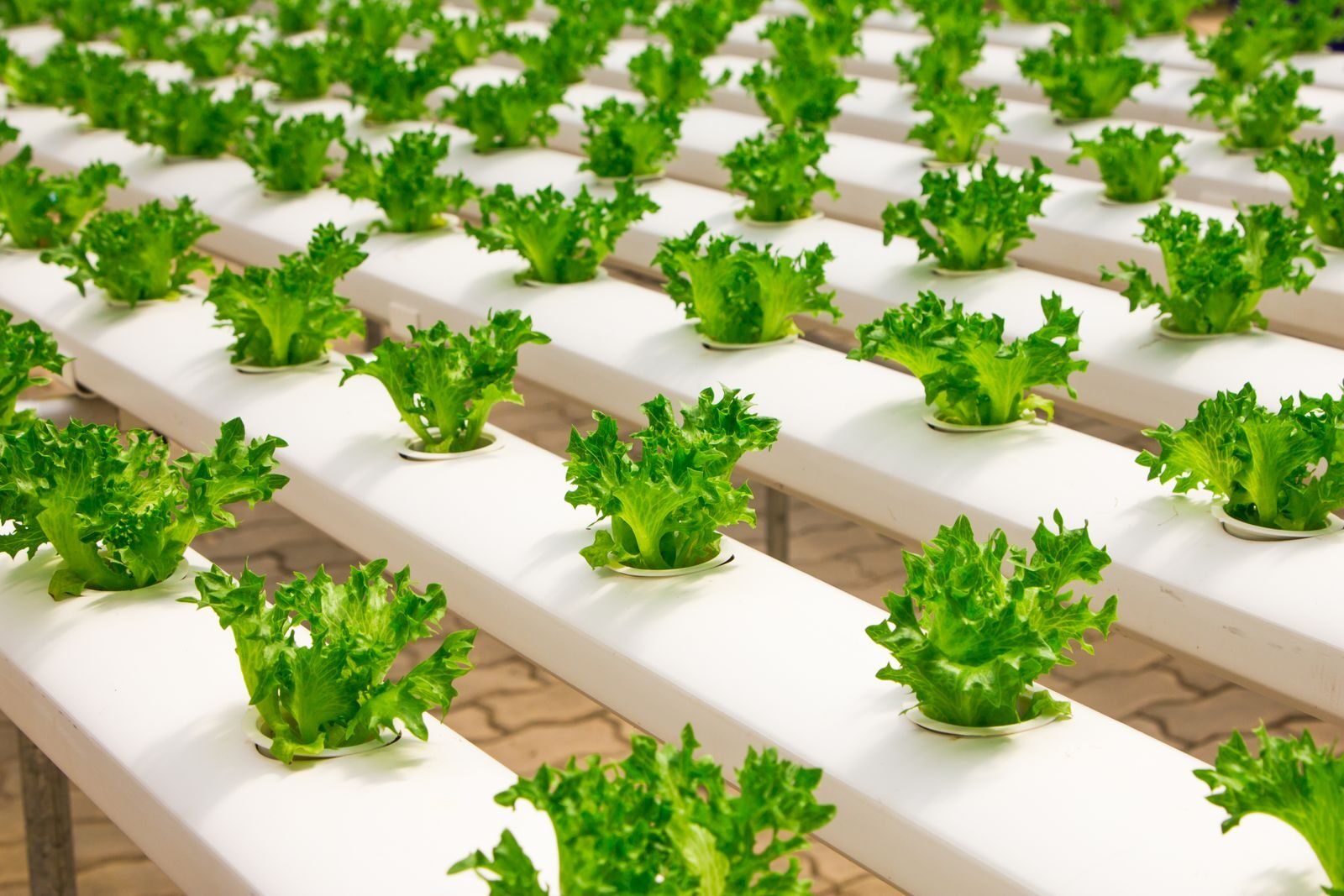
NFT runs a thin, shallow stream of solution down a sloped channel. The roots sit in the stream, but their upper parts stay in the air.
This works well because a thin film of water has a large surface in contact with the air, so oxygen gets in easily. The top of the root breathes while the bottom drinks. It uses very little water and scales up well, which is why commercial lettuce growers use it. The main weakness is that it depends completely on the pump. If the flow stops, the thin film dries out within hours.
Ebb and flow
Ebb and flow floods the growing bed with solution on a timer, then lets it drain back to the reservoir.
I like this one because of how it handles oxygen. When the bed drains, it pulls fresh air down around the roots, so each cycle gives the roots a drink and then a fresh supply of air. It is the same wetting and drying that keeps outdoor soil healthy between rains. The trade-off is that it needs more plumbing and a timer to set up.
Drip system
A drip system feeds solution to the base of each plant through small emitters, in the same way as drip irrigation in a garden.
The important choice here is the growing medium. Between drips, the roots get their air from the spaces in the medium, so a medium that drains well keeps air around the roots, and one that holds too much water does not.
Choosing the medium is really choosing the balance of water and air. Drip gives you good control over larger plants like tomatoes and peppers, but it is more equipment than a beginner needs.
Aeroponics
Aeroponics holds the roots in the air and mists them with solution. University of Florida IFAS Extension lists it as one of the main methods, and it gives the roots the most oxygen of any system.
Because the roots are in open air, they breathe freely and the plants often grow quickly. The downside is that there is no reservoir or medium to protect them, so there is nothing to smooth out a pH swing or a missed misting. A blocked nozzle or a short power cut can dry the roots out quickly. It is a good system once you understand the simpler ones, but not a good place to start.
Why pH is the thing to watch
Whatever system you choose, there is one thing you always have to manage: the pH of the water. It has to stay in the range where the plant can take up the nutrients. In soil this happens on its own. In water it does not, so even a small change in pH can put nutrients out of reach, and nutrients the plant cannot absorb are no use to it.
I go into this in more detail in why hydroponic nutrients lock out. It is also why a pH meter is one of the first tools worth buying.
Getting the solution strength right is where beginners often go wrong, so I made two free tools to help: an EC/PPM mixing calculator for mixing to the right strength, and a reservoir dosing calculator for topping up without adding too much.
If you want to understand the chemistry behind all of it, hydroponics compared with soil goes deeper, and the role of microbes covers something most beginners never hear about.
Which system should you choose?
Choose based on your situation:
– New and just want to see it work: start with a Kratky jar or a small DWC bucket. Few parts, quick results, and cheap enough that mistakes do not cost much.
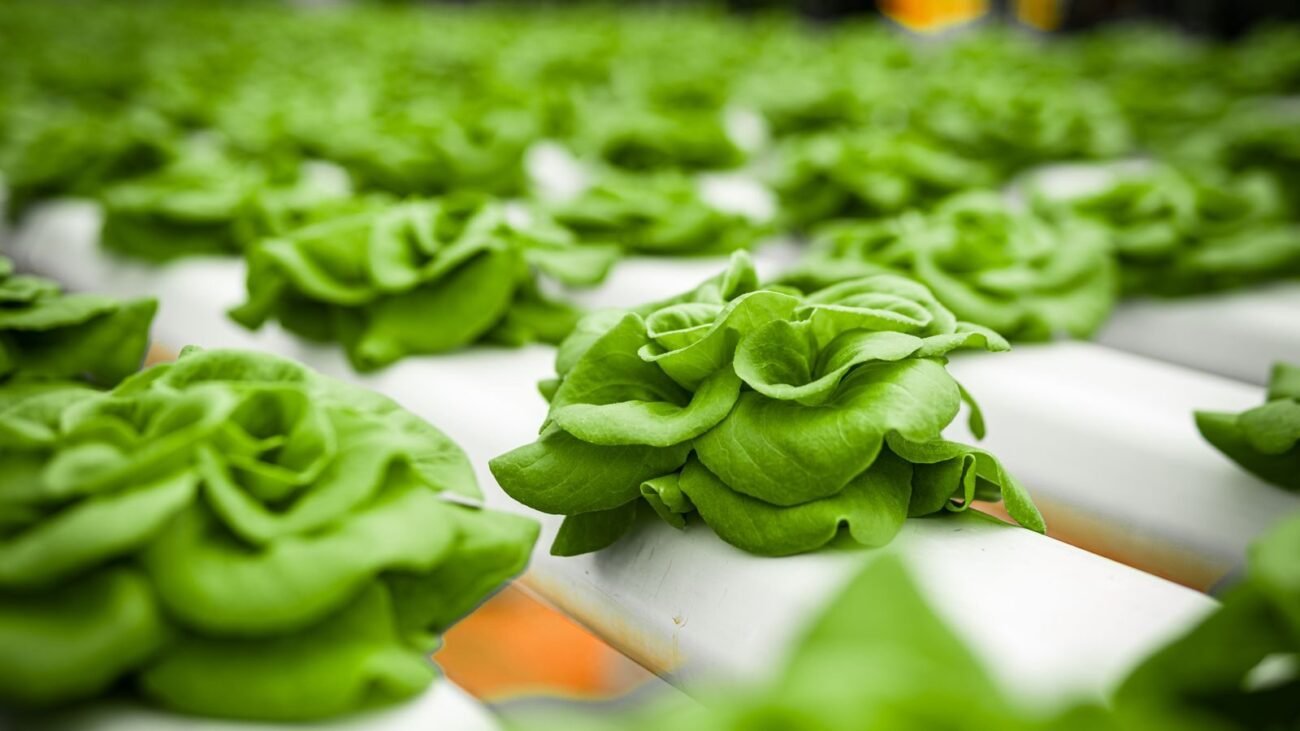
– Growing herbs and leafy greens: DWC or NFT are reliable, affordable and well supported.
– Growing larger plants like tomatoes or peppers: drip or ebb and flow give you the control they need.
– Short on space: a vertical tower, usually NFT or drip based, grows a lot in a small area. Check the light first with the daily light integral calculator, and read how plants cope in low indoor light.
Common questions
What is the easiest system for a beginner?
A Kratky jar or a simple DWC bucket. Both have very few parts, and DWC only adds an air pump. They let you learn the basics before spending much.
Which system grows the most food?
NFT for leafy greens, drip for larger fruiting plants. But your light, nutrients and consistency affect your harvest far more than the choice of system.
Do I need an air pump?
In DWC, yes. It keeps the roots supplied with oxygen. NFT, ebb and flow and aeroponics provide oxygen through their design, so they do not need an air stone in the reservoir.
Can I build one myself?
Yes. Wick, Kratky and DWC are easy to build from a bucket or a storage tub. NFT and ebb and flow need a little more plumbing. A simple soilless setup is a good first project.
In short
Do not start by choosing a system. Start by understanding that every system is just a different way of doing one thing: keeping the roots fed, wet and supplied with air now that the soil is gone.
Once you see them that way, the right choice for your space and your plants becomes clear. For most people, that is a simple DWC bucket, and you can grow from there.