


This article was written and reviewed by Serge, MSc. I hold degrees in Plant Biology, Environmental Biology and Biogeochemistry, with research experience in plant physiology, ecosystem science, and field-based environmental studies. Every article on this site is grounded in real academic training and genuine scientific research.
Affiliate disclosure: This site has affiliate links, including Amazon. As an Amazon Associate I earn from qualifying purchases, at no extra cost to you.
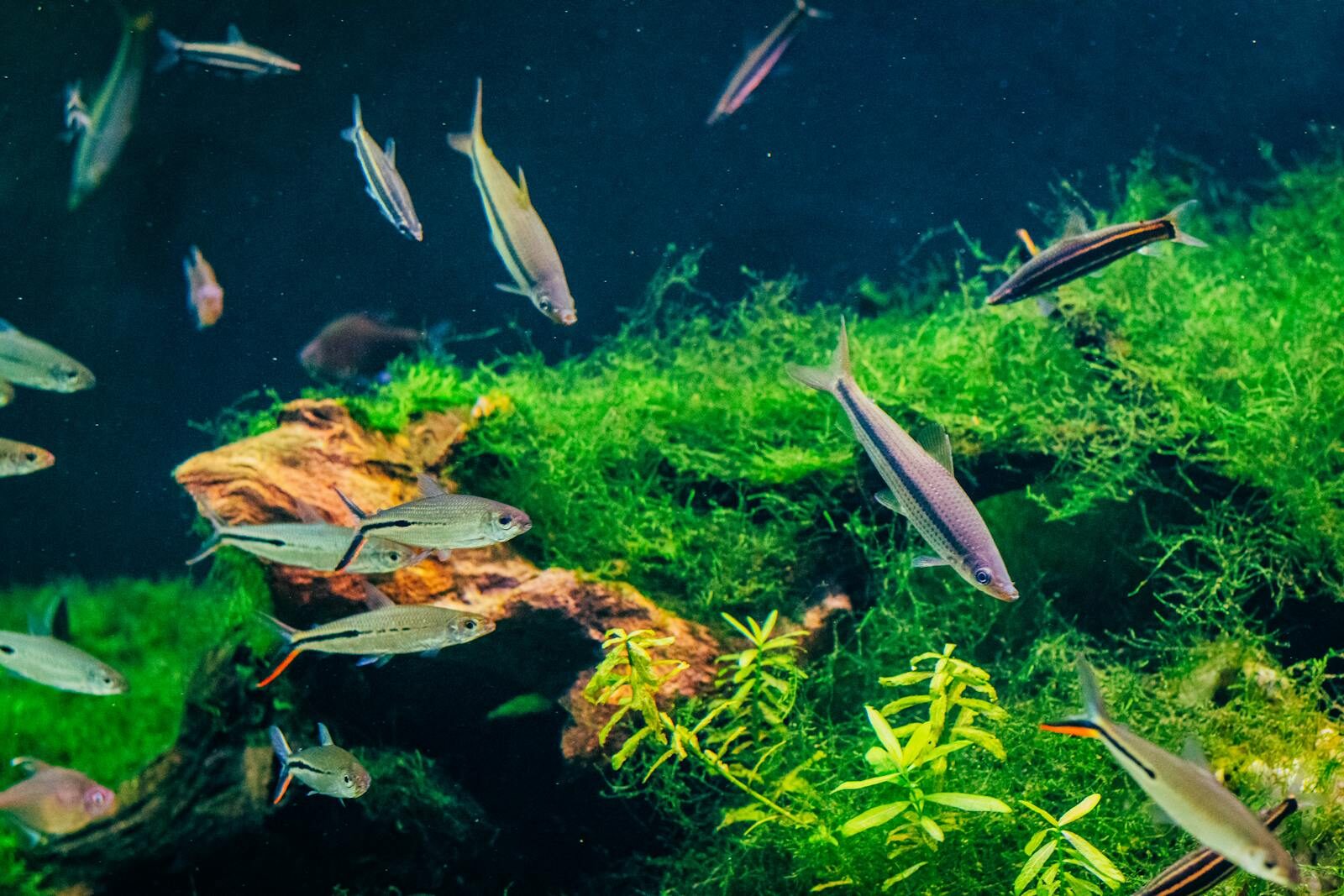
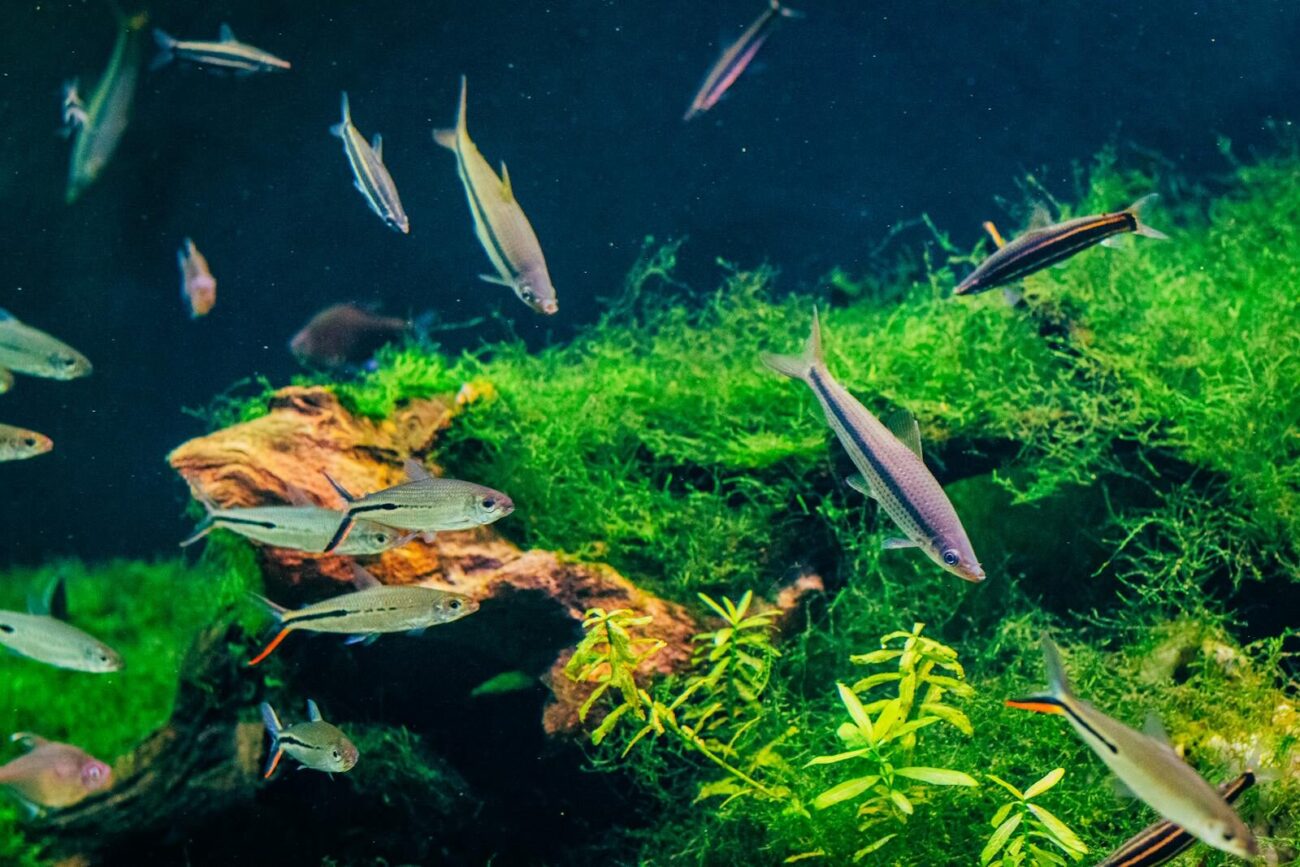
Aquascaping is the art and science of building a planted aquarium that looks and works like a natural underwater world. You arrange aquatic plants, rocks, driftwood, and substrate to create something beautiful that also runs as a living biological system.
I remember the first time I stood in front of a properly set up aquascape in a friend’s house. I was not expecting much. I thought it was going to be a fish tank with some plastic plants and a ceramic castle. What I saw stopped me completely. Lush green carpeting plants covering the substrate like a meadow. Rocks rising like miniature cliffs. Stems swaying slowly in the current. Fish weaving through it all like they had never lived anywhere else.
I stood there for probably ten minutes just watching it. Not the fish. The system. Because as someone who had spent time in the field studying how ecosystems function at a biochemical level, I was watching something I recognised. A nitrogen cycle running in that water column. Photosynthesis happening across every leaf surface. A substrate layer processing organic matter the same way forest soil does. It was a boreal ecosystem in miniature, sitting on a shelf in a living room.
That was the moment aquascaping stopped being a hobby I knew about and became something I genuinely wanted to understand and share.
So What Exactly Is Aquascaping?
Aquascaping means designing and building an underwater planted environment inside an aquarium. Plants, rocks, wood, and substrate all work together to create something that looks natural and runs as a stable biological system.
Good aquascaping goes beyond looks. A well-built aquascape runs like a miniature ecosystem. Plants photosynthesize. Bacteria process waste. Nutrients cycle through the water and substrate continuously. When you get the balance right the tank essentially maintains itself.
In the 1990s Japanese aquarist Takashi Amano popularised the Nature Aquarium style, a minimalist approach inspired by Japanese landscape design. His work turned aquascaping from a niche interest into a global community. Today people build aquascapes in everything from tiny desktop tanks to massive room-dividing displays. The range of what people create is genuinely astonishing.
What I Actually See When I Look at a Planted Tank
Most people see a pretty tank. I see a biogeochemical cycle running in real time.
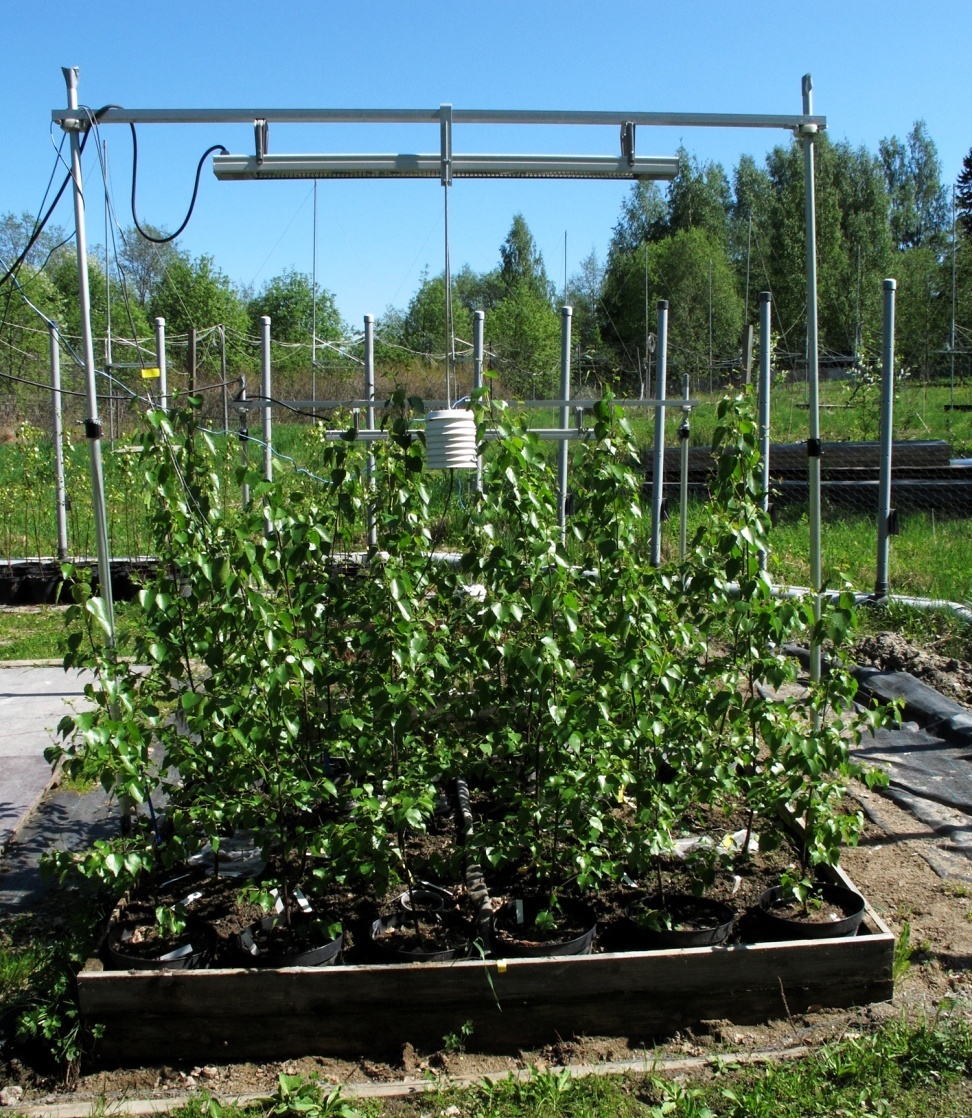
My background covers plant biology, plant biochemistry, and environmental biogeochemistry. I have done field research measuring CO₂ coming off forest soil, studied how environmental stress changes plant chemistry, and examined how root systems interact with the microbial communities around them.
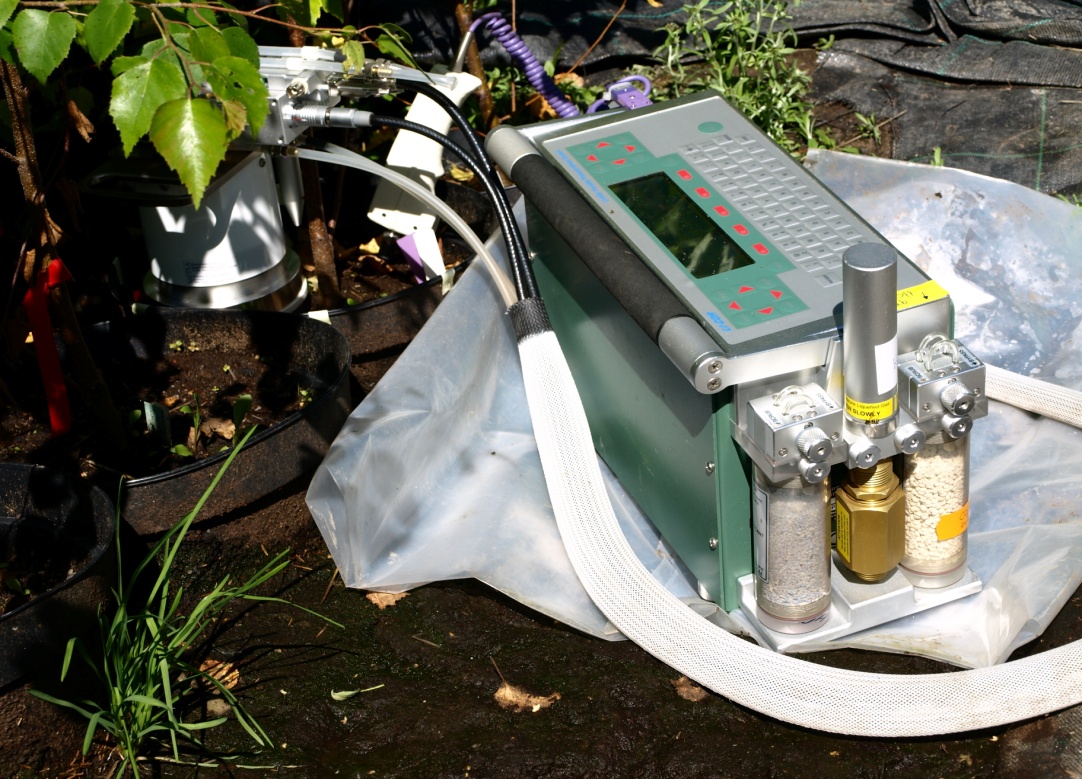
I remember crouching over a soil respiration chamber in our research field, watching numbers tick up on a screen as the soil beneath a birch tree breathed out CO₂. It sounds unglamorous. But what I was actually watching was the same nutrient cycling process that runs through every healthy aquascape substrate. Same biology. Different container.
When I look at a planted aquarium now I see the substrate working like a forest floor, processing organic matter, housing bacteria, cycling nutrients. I see plants competing for light, fixing carbon, releasing oxygen. I see the nitrogen cycle running through the water column, the same biochemical process that runs through every healthy soil I have ever studied.
What strikes me most is how honest a planted tank is. Every chemistry mistake shows up fast. Every imbalance between light, CO₂, and nutrients appears visibly within days. You get immediate feedback from the system in a way that outdoor ecosystems simply do not give you. That transparency is rare. And it is one of the things I find most compelling about aquascaping from a scientific perspective.
The Four Main Aquascaping Styles
Pick one before you buy anything. Each style demands different skills and produces different results.
Nature Aquarium:
Takashi Amano developed this style to recreate natural landscapes underwater, forests, hillsides, valleys. You build asymmetrical layouts with mixed plant species, natural rock, and wood. The most popular style worldwide and a solid choice for beginners who want a clear design framework to work within.
Iwagumi:
You use only rocks as hardscape, usually with one species of low carpeting plant. Minimal and visually striking. I have huge respect for people who pull this off well because the simplicity leaves nowhere to hide mistakes. Avoid this style on your first tank. Seriously.
Dutch Style:
You plant densely with colourful species and use no hardscape at all. The tank looks like an underwater flower garden. More forgiving for beginners because heavy planting stabilises water chemistry faster than sparse planting does.
Jungle Style:
You plant densely and let things grow freely. The tank looks like a patch of underwater forest. No strict rules. This is my personal recommendation for anyone starting out and honestly the style I find most satisfying to watch. It rewards growth, forgives mistakes, and looks more alive than any other style because it actually is. A jungle tank in full growth is a proper functioning ecosystem and it shows.
What You Need to Start
Tank size:
Go with 20 to 60 litres for your first tank. I know the tiny nano tanks look incredible in photos and I completely understand the appeal. But bigger tanks are genuinely easier to manage because water chemistry stays stable longer. A small mistake in a 10 litre tank wipes out parameters fast. The same mistake in a 40 litre tank barely registers. Start bigger than you think you need to.
Substrate:
Think of the substrate as the engine room of your aquascape. Roots grow here. Bacteria live here. Most of the nutrient cycling happens here.
I cannot look at aquarium substrate without thinking about soil science. During my field research I spent a lot of time thinking about what makes a productive soil layer, what drives bacterial activity, what feeds root systems. Good aquasoil does exactly what good topsoil does, just in a submerged environment.
Use a nutrient-rich aquasoil like ADA Amazonia or Fluval Stratum. These substrates buffer pH, feed plant roots, and support the bacterial communities your nitrogen cycle depends on. Plain gravel and sand work but you need to add extra fertilisation to compensate for what they lack.
Lighting:
Plants need light to photosynthesize. But adding more light does not always help. Without enough CO₂ and nutrients to match, high light grows algae rather than plants. For a low-tech setup aim for 20 to 40 PAR at substrate level. Match your light level to what your system can actually support.
Filtration:
Every planted tank needs a filter. It keeps water moving, oxygenates the system, and houses the bacteria that break down ammonia and nitrite. Use a canister filter for planted tanks. It moves water efficiently without stripping CO₂ from the surface.
CO₂:
You do not need CO₂ injection to start. Easy plants like Anubias, Java Fern, and mosses grow well using naturally dissolved CO₂ in the water. Pressurised CO₂ injection dramatically speeds up plant growth in more demanding setups. Learn how your tank behaves first. Add CO₂ later when you understand what your system needs.
Hardscape:
Rocks and driftwood build the structure of your aquascape. They also change your water chemistry, something most beginners miss completely. Limestone raises pH and water hardness. Driftwood lowers pH and releases tannins that soften the water and give it a warm amber tint.
I always check the chemistry implications of hardscape before it goes in a tank. It is the kind of thing you think about automatically when you have a biogeochemistry background. Once you know to look for it, you will never put a rock in a tank without checking what it does to your water first.
Does Aquascaping Cost a Lot?
A basic low-tech setup costs under €100. A high-end Nature Aquarium with CO₂ injection, specialist lighting, and premium substrate costs several hundred euros.
Start cheap. A low-tech tank with hardy plants teaches you everything that matters, water chemistry, plant biology, ecosystem balance, without expensive equipment. I have seen spectacular aquascapes built on tight budgets. The best aquascapers I know spend more time understanding their systems than buying gear for them. Understanding always beats equipment.
Is Aquascaping Difficult?
The learning curve is real. But most of the difficulty comes from not understanding why things happen rather than from the tasks themselves.
I spoke to someone recently who had gone through three failed planted tanks in a year. Each time algae took over and killed the plants. Each time they blamed the plants, the substrate, the filter.
When I asked them about their lighting schedule they told me they ran the lights for 12 hours a day because they wanted the plants to grow fast. That was the problem. Too much light, not enough CO₂ to match, and the algae won every time.
Once they understood the relationship between light, CO₂, and nutrients, the fourth tank worked. Same equipment. Same plants. Just a different understanding of what was actually happening in the water.
That is aquascaping. The biology drives everything. Learn the biology and the rest follows naturally.
Frequently Asked Questions
What is aquascaping in a fish tank?
Aquascaping means designing and building an underwater environment with aquatic plants, rocks, wood, and substrate inside an aquarium. You combine plant science, design, and applied ecology to create a tank that looks like a natural underwater landscape and functions as a self-sustaining ecosystem.
How do I start aquascaping as a beginner?
Start with a 20 to 60 litre tank, nutrient-rich substrate, moderate lighting, a canister filter, and easy plants like Java Fern, Anubias, and mosses. Cycle the tank fully before adding fish. Run your lights for 6 to 8 hours daily. Do 20 to 30% water changes every one to two weeks. Get the basics working before you add CO₂ or demanding plants.
Is aquascaping expensive?
A basic setup costs under €100. High-end setups with CO₂ injection, premium substrate, and specialist lighting cost several hundred euros. Starting simple costs less and teaches you more. Understanding how the system works matters more than buying expensive equipment.
Is aquascaping hard?
It takes time to learn but it is not as difficult as it looks. Most problems come from not understanding the biology behind what is happening. Learn the nitrogen cycle, understand the balance between light and CO₂, and you can prevent most common problems before they start.
What substrate should I use for aquascaping?
Use nutrient-rich aquasoil. ADA Amazonia and Fluval Stratum are reliable choices. They feed plant roots, buffer pH toward the slightly acidic range most aquatic plants prefer, and support the bacterial colonies your nitrogen cycle needs. Plain gravel and sand work but require extra fertilisation.
Do planted aquariums need CO₂?
Not for a low-tech setup. Easy plants grow well on naturally dissolved CO₂. Pressurised CO₂ injection significantly speeds up plant growth in high-tech setups with demanding species. Start without CO₂ and add it later once your tank runs stable.
Do planted aquariums need a filter?
Yes, always. Even heavily planted tanks need filtration. A filter circulates water, oxygenates the system, and houses the bacteria that process ammonia and nitrite. Without a filter water quality drops fast and both plants and fish suffer.
Do planted aquariums need water changes?
Yes. Regular water changes remove nitrates, replenish trace minerals, and keep the system stable. A 20 to 30% change every one to two weeks works well for most planted tanks.
Who invented aquascaping?
Takashi Amano built the modern aquascaping hobby through his Nature Aquarium concept in the 1990s. He brought Japanese minimalist design principles to planted tanks and made CO₂ injection and quality substrate standard practice. His work grew aquascaping into a global hobby and competitive art form.
Why is aquascaping so expensive?
Pressurised CO₂ systems, specialist LED lighting, premium substrate, and rare aquatic plants all add up. But you do not need the most expensive gear to build a beautiful tank. Good plant selection and a solid understanding of water chemistry produce excellent results on a modest budget.
Start Your First Aquascape Today!
You now know what aquascaping is, what you need, and how it works biologically. That puts you ahead of most people who start without understanding the system they are building.
Pick your tank size. Choose your style. Start with easy plants. Let the biology do the work.
Read my articles on the nitrogen cycle, how aquatic ecosystems self-regulate, and why substrate is the most important decision you make. The more you understand what happens below the surface, the better your aquascape gets.
Drop your questions in the comments. I read every one and answer personally.