





Compost Ratio Calculator (Browns to Greens)
This tool was built by Serge (MSc) using established science and government sources. My academic background covers plant biology, environmental biology, and biogeochemistry. My tools are for educational purposes and give practical guidance, not professional advice.
A compost pile that will not heat up, or that smells of ammonia, almost always has the wrong balance of browns and greens. This calculator checks your mix against the balance that compost microbes work best at, and tells you what to add to fix it. It uses the simple parts-by-volume method, which is the practical way to hit the ideal carbon-to-nitrogen balance without weighing anything.
Greens are nitrogen-rich: kitchen scraps, grass clippings, coffee grounds, fresh plant cuttings.
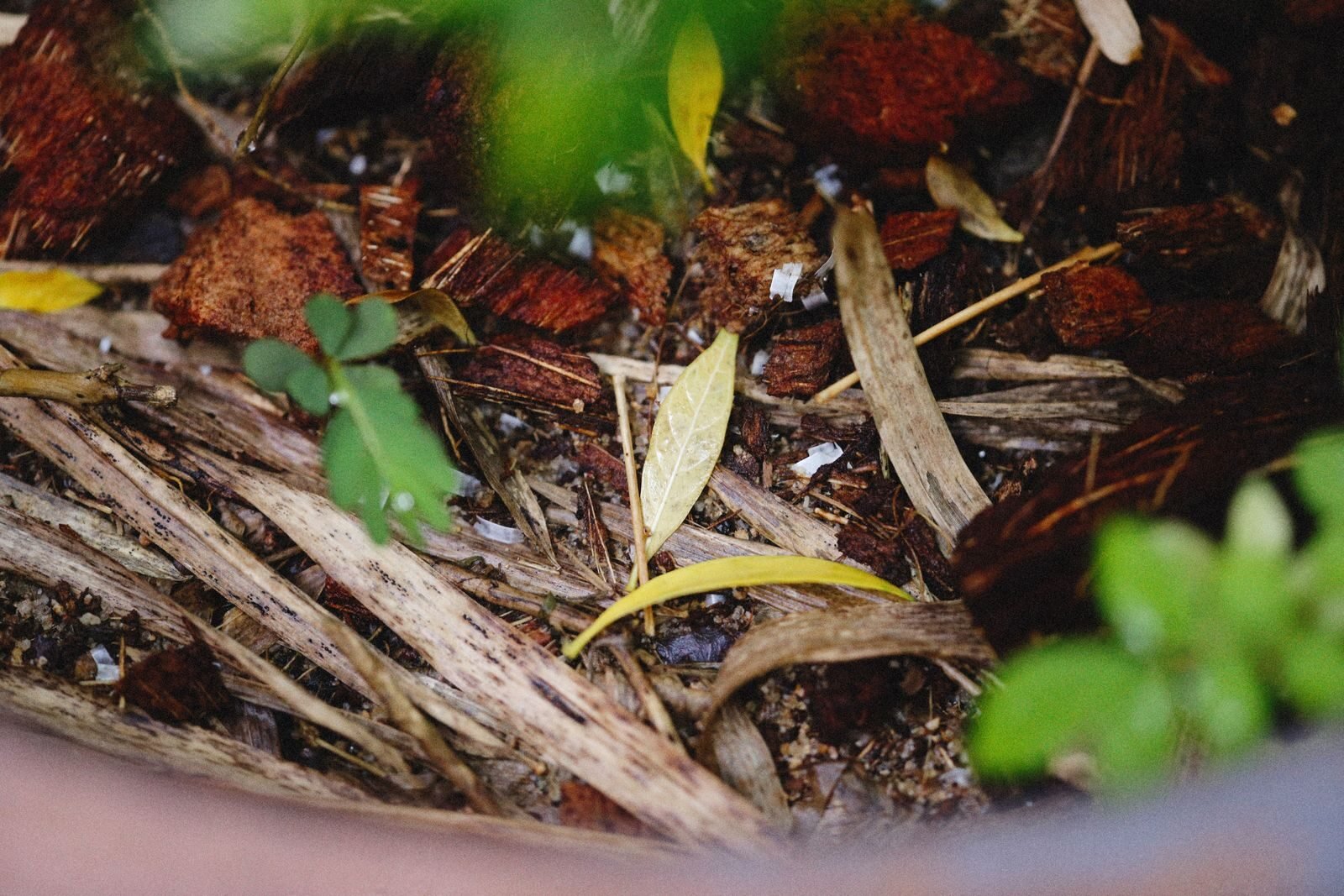
Browns are carbon-rich: dry leaves, cardboard, straw, wood chips, shredded paper.
Your current mix:
Advice:
Aim for roughly 2 to 3 parts browns to 1 part greens by volume. When in doubt, add more browns.
How this works
Compost microbes work best at a carbon-to-nitrogen balance of around 25 to 30 parts carbon to 1 part nitrogen. You cannot count atoms at home, so the practical stand-in is roughly 2 to 3 parts carbon-rich browns to 1 part nitrogen-rich greens by volume. I compare your parts of browns and greens to that target and tell you which way to adjust.
Understanding your result
If you have too few browns, the pile gets wet, dense, and smelly, since the extra nitrogen escapes as ammonia. If you have too many browns, the pile just sits there and breaks down slowly. Landing in the 2 to 3 parts browns to 1 part greens zone gives the microbes what they need to heat up and work fast. Keep the pile damp like a wrung-out sponge and turn it now and then for air.
Important limitations
This uses parts by volume, which is a rule of thumb, not a lab measurement. Different materials carry very different amounts of carbon and nitrogen, so a pile of woody browns behaves differently from one of shredded paper. Treat the result as a starting balance and adjust by how the pile looks and smells over the following weeks.
Scientific basis
The carbon-to-nitrogen target behind this tool comes from Cornell University's composting program, part of the land-grant university system:
- Cornell University Composting — Compost Chemistry (Carbon/Nitrogen Ratio)
- University of Maryland Extension — Soil to Fill Raised Beds
Related reading
My guide on what compost is and how it works explains the whole process behind these numbers, and my article on how to improve garden soil shows how to use the finished compost. My guide on no-till gardening covers using compost as a surface layer.
This calculator is for educational purposes and general guidance only. It is not professional horticultural advice. Compost results vary with materials, moisture, and climate.