






Mulch Calculator
This tool was built by Serge (MSc) using established science and government sources. My academic background covers plant biology, environmental biology, and biogeochemistry. My tools are for educational purposes and give practical guidance, not professional advice.
Buying mulch by guesswork usually ends in too much or too little. This calculator works out how much mulch you need from the size of your bed and the depth you want to lay. It gives you the volume in litres, cubic feet, and cubic yards, plus a rough bag count. Getting the depth right matters as much as the amount, so I include the depths that extension services recommend.
Mulch needed:
Bags to buy:
Bag counts depend on the size printed on the bag. Keep mulch a few centimetres clear of stems and trunks.
How this works
The maths is length times width times depth. I convert everything to one unit first, then turn the result into litres, cubic feet, and cubic yards, since mulch is sold in all three. For an odd-shaped bed, split it into rectangles, work each one out, and add them together.
Understanding your result
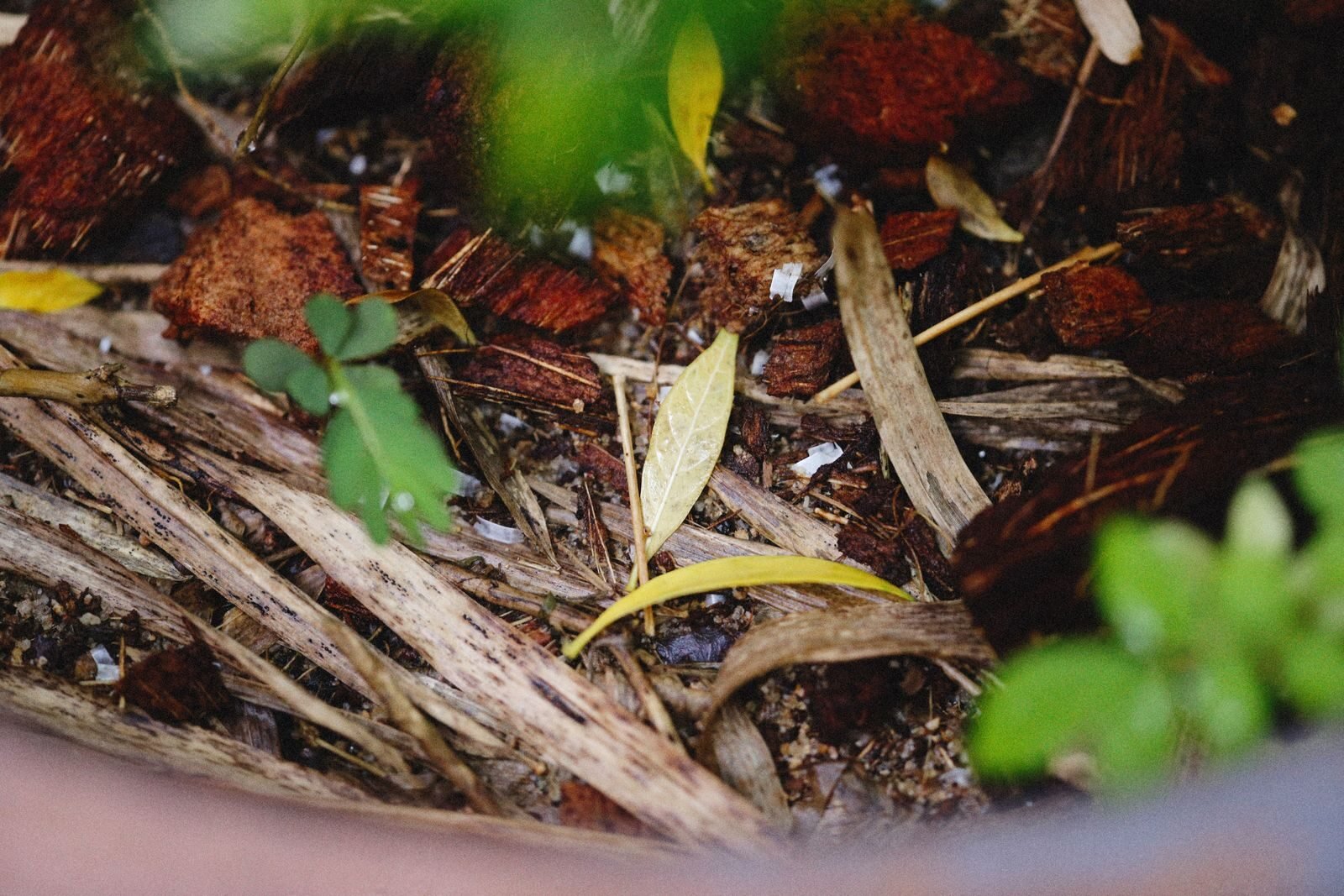
The volume is how much mulch fills your bed to the depth you chose. As a depth guide, extension services suggest around 2 to 3 inches on flower and shrub beds, only 1 to 2 inches on vegetable beds for airflow, and 3 to 4 inches around trees, spread as a wide flat ring. Never pile mulch against a stem or trunk, since trapped moisture there causes rot.
Important limitations
This gives the volume of the space, not an exact bag count, since mulch settles and bag sizes differ. Old mulch already in the bed counts toward your depth, so measure what is there first and top up to the target rather than starting fresh. Coarse mulch settles less than fine mulch, so buy a little extra for fine material.
Scientific basis
The depth guidance behind this tool comes from university extension services, the public gardening advice arm of the land-grant university system:
- Mississippi State University Extension — Mulch: A How-To for the Landscape
- University of Maryland Extension — Soil to Fill Raised Beds
- Oregon State University Extension — Raised Bed Gardening
Related reading
My guide on how to improve garden soil covers what mulch does for the soil beneath it, and my article on no-till gardening explains how a mulch layer fits a low-dig approach. My soil volume calculator works out fill for a whole bed.
This calculator is for educational purposes and general guidance only. It is not professional horticultural or landscaping advice. Always check product labels and your local supplier before buying.