





This article was written and reviewed by Serge, MSc. I hold degrees in Plant Biology, Environmental Biology and Biogeochemistry, with research experience in plant physiology, ecosystem science, and field-based environmental studies. Every article on this site is grounded in real academic training and genuine scientific research.
Affiliate disclosure: This site has affiliate links, including Amazon. As an Amazon Associate I earn from qualifying purchases, at no extra cost to you.
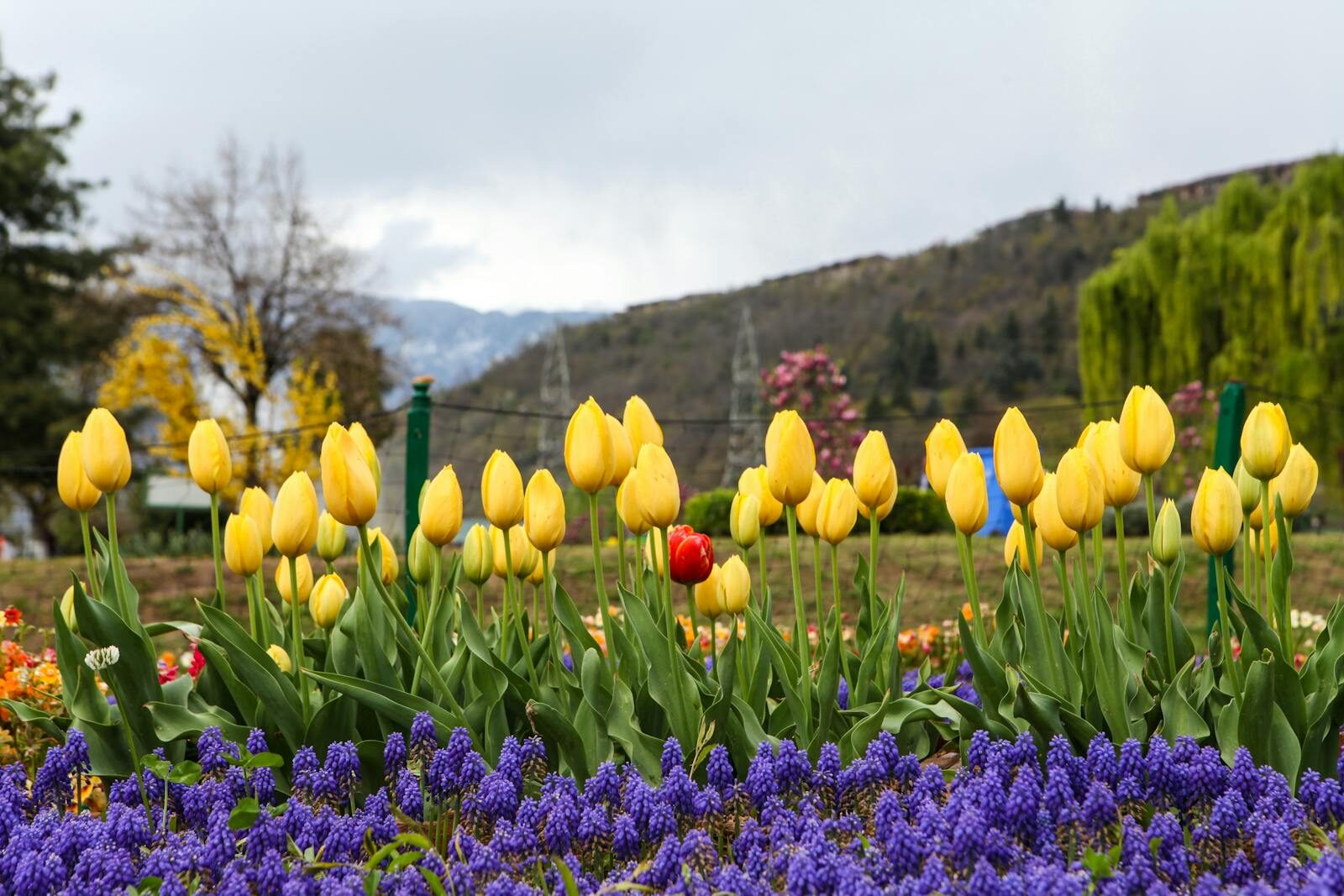
The first time I saw a field of tulips in full bloom I stopped walking and just stood there for a while.
I had been spending most of my time in forest research sites measuring gas exchange and tree growth responses, surrounded by data and equipment. Then one afternoon I turned a corner on a cycle path and the field next to it was completely covered in tulips. Red, yellow, white, purple. Hundreds of thousands of them flowering simultaneously.
What struck me was not just how beautiful it was but how precise the biology behind it was. Every single bulb in that field had gone through the same cold period, received the same temperature signal, and responded at almost exactly the same time. The synchronisation was not accidental. It was the result of an elegant biochemical mechanism that uses cold temperatures as a timer.
Understanding that mechanism is what makes growing tulips successfully so much simpler than most people expect.
The Biology Behind the Bulb
A tulip bulb is not a seed or a root. It is a modified underground stem packed with stored energy in the form of starches and sugars. Everything the tulip needs to produce its first flower already sits inside the bulb when you plant it.
The flower was actually formed inside the bulb the previous growing season. When you plant a bulb you are not starting growth. You are triggering a process that is already biochemically prepared and waiting for the right signal.
That signal is cold temperature. Tulip bulbs need a sustained period of cold to break dormancy and initiate flowering. This process, called vernalisation, is why tulips perform so reliably in temperate climates and struggle in warm ones. My botany studies covered how vernalisation works at a cellular level. The cold period does not just passively allow growth to resume. It actively switches on specific genes that initiate the flowering pathway. The plant uses cold as a biochemical clock. I found that remarkable when I first studied it and I still do.
Choosing Tulip Varieties
There are over 3000 named tulip varieties grouped into 15 divisions. For practical home growing these are the most useful:
Single Early tulips, short stems, early flowering, very reliable. Good for exposed positions where taller varieties get wind damaged.
Darwin Hybrid tulips, large flowers on strong tall stems, very reliable perennials that return well year after year. My top recommendation for gardeners who want tulips that come back without replanting every cycle.
Triumph tulips, medium height, wide range of colours, long flowering period, good disease resistance. An excellent all-round choice for most gardens.
Parrot tulips, fringed and ruffled petals, dramatic appearance. Tend to be less reliably perennial than Darwin Hybrids but worth growing for their visual impact.
Species tulips, small wild-type tulips like Tulipa sylvestris and Tulipa tarda. The most reliably perennial of all tulip types. They naturalise well in grass and rocky gardens and come back stronger each year. My recommendation for anyone who wants tulips that look after themselves long term.
When to Plant Tulip Bulbs
Plant after temperatures in your area drop consistently in the cooler part of your year. Later planting actually reduces disease pressure from tulip fire (Botrytis tulipae) because cooler soil is less hospitable to the pathogen. Many experienced growers deliberately plant late for exactly this reason.
Do not plant in warm soil. Warm conditions encourage premature growth and increase disease risk significantly. Wait until temperatures drop and stay consistently cool before planting.
How to Plant Tulip Bulbs
Depth matters more with tulips than most bulbs. Plant at a depth of at least three times the height of the bulb, typically 15 to 20 cm deep. Deeper planting encourages better perennialization. The bulb rebuilds its energy reserves more effectively and is less likely to split into small non-flowering offsets.
Space bulbs at least 10 to 15 cm apart. Good spacing improves airflow between emerging foliage and reduces disease pressure.
Plant in well-drained soil. Tulip bulbs sitting in wet soil through the cold period rot reliably. If your soil holds water plant in raised beds or improve drainage with added grit before planting.
The pointy end goes up. This sounds obvious but planting upside down delays emergence significantly so it is worth saying.
Growing Tulips in Pots
Tulips in containers give you complete control over soil drainage and positioning. This is why container growing often produces better results than open ground in gardens with heavy clay or poor drainage.
Use a free-draining compost mix with added grit. Plant bulbs closer together than in open ground, almost touching, for a full display. Water after planting and keep pots in a sheltered cool spot through the cold period. Avoid letting containers sit in standing water.
After flowering, container tulips need the same post-flowering care as those in the ground. Keep the foliage growing as long as possible to allow the bulb to rebuild its energy reserves.
Do Tulips Come Back Every Year?
They can — but it entirely depends on what you do after flowering.
The bulb contains the energy for the first flower. After flowering the bulb needs to rebuild its energy reserves through photosynthesis in the dying foliage. If you cut the leaves off too early, tie them in knots, or remove them before they yellow naturally, the bulb cannot recharge and will not flower reliably the following year.
This is the single most common mistake tulip growers make. They tidy up the messy dying foliage too soon and then wonder why their tulips did not return. The messy foliage is doing the most important work of the entire cycle.
After flowering:
Remove spent flower heads immediately after petals drop. This stops the plant putting energy into seed production. Leave all the foliage completely intact and allow it to die back naturally over 6 to 8 weeks. Only remove leaves once they are fully yellow and pull away easily.
Feed with a balanced bulb fertilizer after flowering while the leaves are still green. This directly supports the energy rebuilding process in the bulb.
Darwin Hybrid varieties and species tulips do this rebuilding most effectively and are the most reliably perennial types.
Common Problems
Tulips not returning: Almost always caused by removing foliage too early after flowering, insufficient post-flowering feeding, or planting too shallowly. Darwin Hybrids and species tulips perennialize most reliably.
Tulip fire (Botrytis): Grey mould affecting leaves and flowers in wet conditions. Remove and destroy affected plants. Avoid overhead watering, improve airflow, and consider later planting to reduce disease pressure. Do not replant tulips in the same spot for at least three years after an outbreak.
Blind tulips, leaves but no flowers: Usually caused by bulbs that did not receive sufficient cold, bulbs that are too small, or bulbs that exhausted their energy reserves from early foliage removal the previous year.
Slugs: Emerging shoots are vulnerable in early growth periods. Organic slug controls applied around emerging growth protect young shoots effectively.
Frequently Asked Questions
Do tulips come back every year?
They can with the right aftercare. Allow foliage to die back completely after flowering, feed after the flowers finish, and plant Darwin Hybrid or species tulips which perennialize most reliably. Removing foliage early is the most common reason tulips fail to return.
When is the best time to plant tulips?
Plant after temperatures in your area drop consistently in the cooler part of your year. Later planting reduces tulip fire disease pressure because cooler soil conditions are less favourable for the pathogen. Avoid planting in warm soil as this encourages premature growth and increases disease risk.
Can you leave tulip bulbs in the ground all year?
Yes, particularly Darwin Hybrid and species tulips. Lift and store bulbs if your soil is heavy and wet through the dormant period as this causes rot. In well-drained soil most tulip varieties can stay in the ground year round.
Can tulips grow in pots?
Yes, and container growing often gives better results than open ground in heavy clay soils. Use free-draining compost, plant bulbs almost touching for a full display, and allow foliage to die back completely after flowering.
Can tulips grow in shade?
Tulips need good light to flower well and to rebuild bulb energy reserves after flowering. They manage in partial shade but flowering is less reliable and perennialization is poorer than in full sun. Full sun or light partial shade gives the best results.
Why are my tulips not growing?
The most common causes are insufficient cold preventing dormancy break, bulbs planted too shallowly, soil that is too wet causing bulb rot, or bulbs that exhausted their energy reserves from premature foliage removal the previous season.
Why did my tulips stop flowering after the first year?
Almost always because foliage was removed before it died back naturally. The leaves feed the bulb after flowering. Remove them too early and the bulb cannot rebuild energy reserves for the following year.
Why do tulips grow from bulbs rather than seeds?
Bulb growth is a more reliable and energy-efficient reproductive strategy than seed production. The bulb stores all the energy needed for the first flower, guarantees genetic consistency, and allows faster reproduction through offset bulb production than seed germination would allow.
Will tulips grow through mulch?
Yes. Emerging tulip shoots push through a reasonable mulch layer of 5 to 8 cm without difficulty. Avoid very deep or heavy mulch directly over bulb planting areas as this can impede emergence and trap excessive moisture around the bulbs.
What is the secret to growing tulips?
Plant deep, plant after temperatures drop consistently in your area, remove flower heads after blooming but leave all foliage until it yellows naturally, feed after flowering, and choose Darwin Hybrid or species varieties for reliable perennialization. The secret is consistent aftercare focused on letting the bulb rebuild its energy after each flowering cycle.