


This article was written and reviewed by Serge, MSc. I hold degrees in Plant Biology, Environmental Biology and Biogeochemistry, with research experience in plant physiology, ecosystem science, and field-based environmental studies. Every article on this site is grounded in real academic training and genuine scientific research.
Affiliate disclosure: This site has affiliate links, including Amazon. As an Amazon Associate I earn from qualifying purchases, at no extra cost to you.
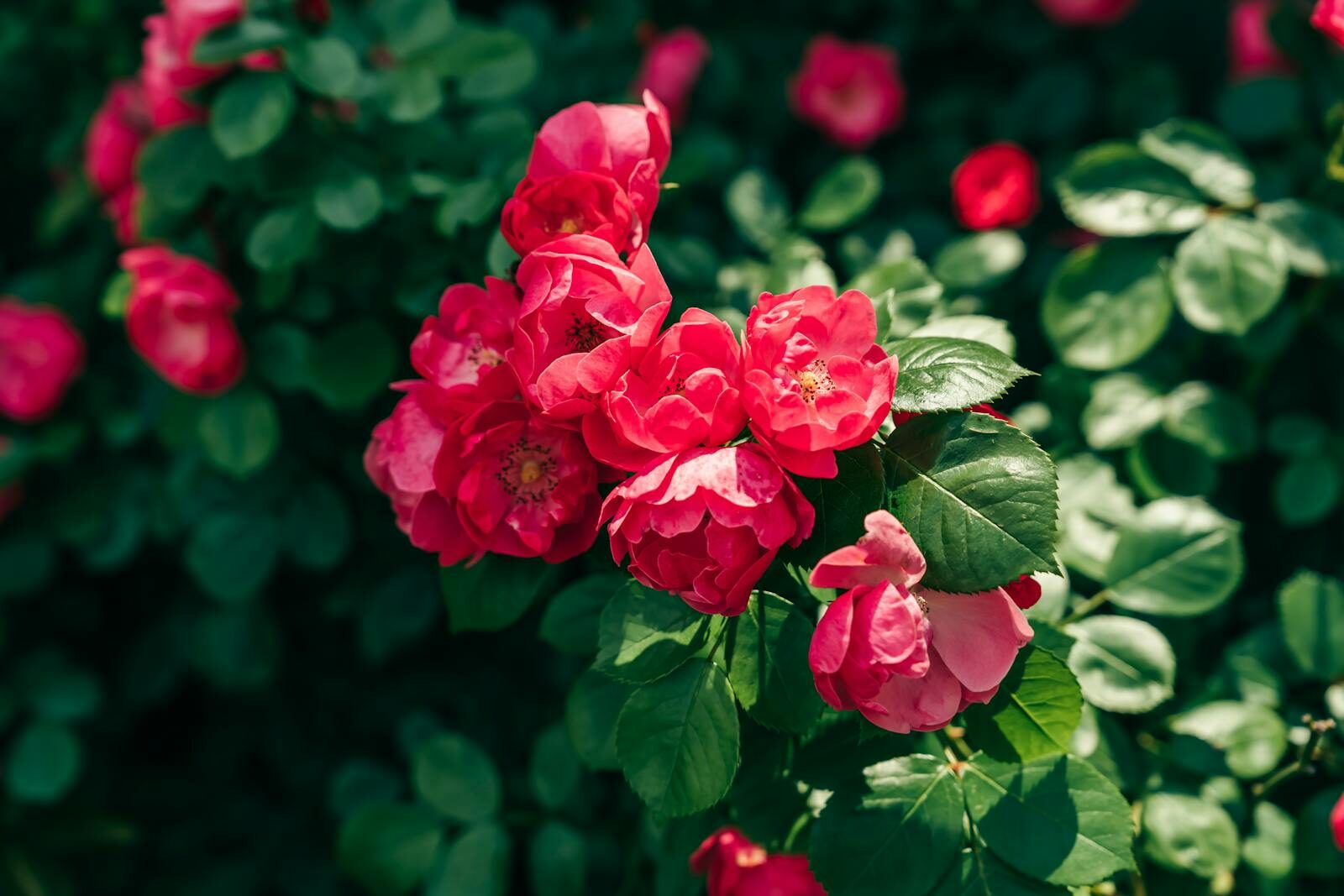
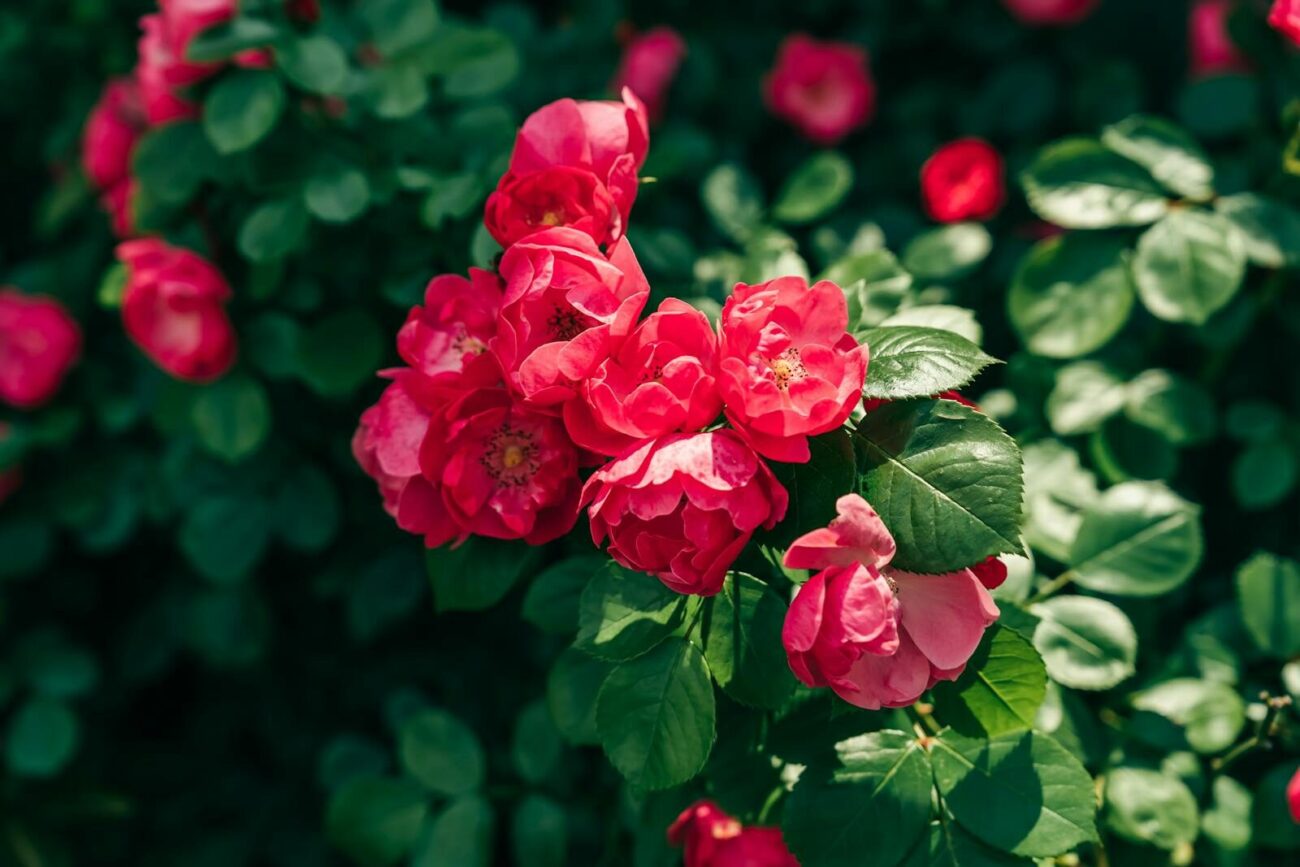
My grandmother had roses growing along the front of her house for as long as I can remember. Big, deep red ones that flowered every summer without fail. Nobody fussed over them much. Nobody sprayed them on a schedule or followed a complicated feeding program. They just grew.
I thought about those roses a lot when I started studying plant biology formally. Because everything I learned about how plants manage stress, allocate resources, and respond to their environment explained exactly why those roses thrived with minimal attention. They were planted in the right place, in decent soil, with enough sun. The biology did the rest.
Roses have an unfair reputation for being difficult. Most of that reputation comes from growing the wrong variety in the wrong place and then blaming the rose. Get the basics right and roses are far less demanding than most people think.
What Makes Roses Different From Other Garden Plants
Roses belong to the genus Rosa in the Rosaceae family, the same family as apples, blackcurrants, and strawberries. There are over 300 wild species and thousands of cultivated varieties ranging from tiny miniature roses to vigorous climbers that cover entire walls.
What sets roses apart from most garden shrubs is their repeat flowering ability. Many modern varieties flower continuously from late spring through autumn rather than producing a single flush and stopping. This continuous flowering demands more from the plant in terms of nutrients and energy than most other garden shrubs. It is why feeding matters more with roses than with many other plants and why understanding how the plant allocates its resources makes you a better rose grower.
Picking the Right Rose for Your Space
This is where most people go wrong before they even start. Choosing a rose based on how it looks in a photo without considering its growth habit, disease resistance, and suitability for your climate leads to years of frustration.
Hybrid Tea roses, classic large-flowered roses on long stems. Beautiful but higher maintenance and more susceptible to disease than many modern varieties.
Floribunda roses, clusters of smaller flowers, more disease resistant than hybrid teas, more consistent flowering through the season. My recommendation for beginners who want reliable colour without constant intervention.
Shrub roses, informal bushy habit, very hardy, often highly disease resistant. Varieties like David Austin English roses combine old rose fragrance with modern repeat flowering. Lower maintenance than hybrid teas and genuinely beautiful.
Climbing roses, vigorous growers for walls, fences, and pergolas. Need tying in regularly to their support as they produce long flexible stems rather than true climbing mechanisms.
Ground cover roses, low spreading habit, very disease resistant, minimal maintenance. Good for banks, borders, and containers.
For a beginner I always recommend starting with a modern shrub rose or floribunda with good disease resistance ratings. The difference in effort between a disease-resistant variety and a susceptible one is significant and most people only discover this after a season of fighting blackspot on the wrong rose.
What Roses Actually Need
Sun: Roses need at least 6 hours of direct sunlight daily. Less than this and flowering reduces, disease pressure increases, and growth becomes drawn and weak. A south or west facing position works best in temperate climates.
Well-drained soil: Roses dislike waterlogged roots. They prefer slightly acidic to neutral soil between pH 6.0 and 6.5. Heavy clay needs improving with organic matter before planting.
Air circulation: Good airflow around rose foliage reduces the humidity that drives fungal diseases like blackspot and powdery mildew. Avoid planting too close to walls or other plants where air movement is poor.
Regular feeding: Because many roses flower repeatedly through the season they use nutrients at a higher rate than most garden shrubs. A balanced rose fertilizer applied in spring and again after the first flush of flowers keeps them performing consistently. Through my studies on plant nutrition, I’ve found that repeated blooming heavily drains a plant’s internal reserves, and roses are the perfect example of this in action
Planting Roses
Bare-root roses go in between November and March while dormant. They are cheaper than container roses, establish extremely well, and the range of varieties available bare-root is far wider than container-grown stock.
Container-grown roses go in at any time but establish most easily in autumn or spring.
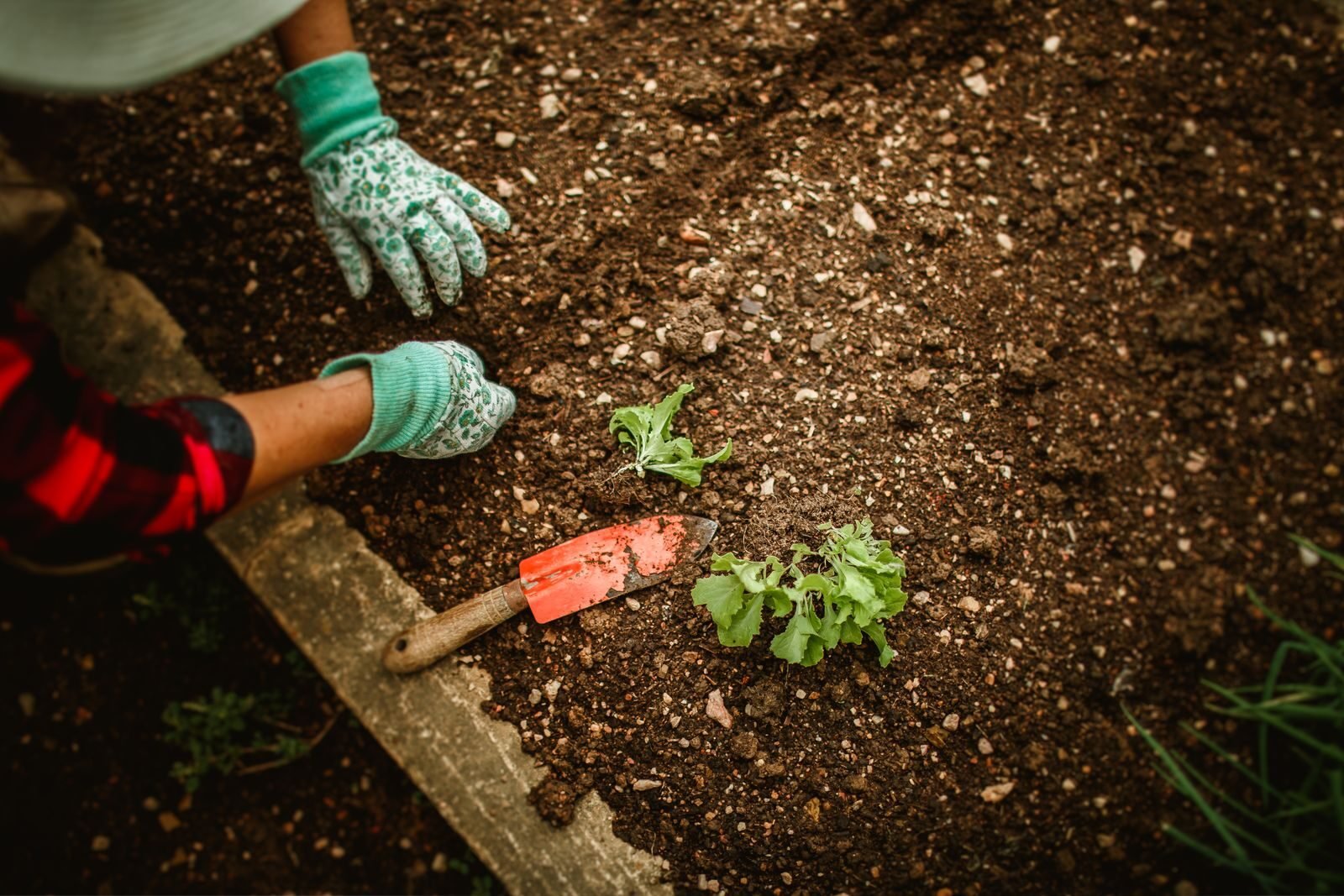
Dig a planting hole at least 40 cm wide and 40 cm deep. Mix in generous amounts of well-rotted compost or manure. Roses are long-term plants and the effort put into soil preparation at planting pays back for years.
Plant so the bud union, the swollen point where the rose variety was grafted onto the rootstock, sits just below soil level in cold climates and at soil level in warmer ones. This protects the bud union from frost damage and encourages additional rooting.
Water thoroughly after planting and mulch around the base with a 5 to 8 cm layer of compost or bark. Keep mulch away from direct contact with the stems.
Can Roses Grow in Pots?
Yes, particularly patio roses, miniature roses, and compact shrub varieties.
Use a large container of at least 30 to 40 litres. Roses have extensive root systems and small pots restrict growth and flowering significantly. Use a loam-based compost rather than multipurpose which breaks down too quickly and loses structure.
Container roses need more frequent watering and feeding than those in open ground. Feed with a liquid rose fertilizer every two weeks through the growing season and repot every two to three years.
Can Roses Grow From Cuttings?
Yes, and it is more reliable than most people think.
Take hardwood cuttings in autumn from healthy stems of pencil thickness. Cut each stem to around 20 to 25 cm with a clean cut just below a bud at the bottom and just above a bud at the top. Remove all leaves except the top two.
Insert cuttings to about two thirds of their length into a pot of free-draining compost or directly into a sheltered spot in open ground. Roots develop over winter and by spring most cuttings have established enough to grow on.
The advantage of growing roses from cuttings is that you get a rose on its own roots rather than grafted onto a rootstock. Own-root roses tend to be more long-lived and never produce rootstock suckers.
Pruning Roses
Annual pruning keeps roses productive, healthy, and flowering well. The timing and intensity depends on the type of rose.
Hybrid teas and floribundas:
Prune hard in late winter or early spring, cutting stems back to around 30 to 45 cm above ground level. Cut to an outward-facing bud to encourage an open vase-shaped plant with good air circulation through the centre.
Shrub roses:
Remove around one third of the oldest stems at the base each year and reduce the remaining stems by about one third of their length.
Climbing roses:
Remove a proportion of the oldest stems at the base each year and tie in new flexible stems to replace them. Reduce side shoots on remaining stems to two to three buds.
The 5 leaf rule:
When deadheading spent flowers through the season, cut back to the first leaf with 5 leaflets rather than just removing the flower head. This encourages the plant to produce stronger new flowering shoots rather than weak growth from just below the spent bloom.
Deadheading
Remove spent flowers regularly through the season on repeat-flowering varieties. Deadheading stops the plant putting energy into seed production and redirects it into producing new flower buds.
On once-flowering varieties that produce ornamental hips in autumn, stop deadheading after the main flowering flush to allow hips to develop.
Common Issues
Blackspot: Dark spots on leaves causing early leaf drop. The most common rose disease. Improve airflow, remove and dispose of affected leaves, and choose disease-resistant varieties if it recurs consistently. Do not compost affected leaves.
Powdery mildew: White powdery coating on young shoots and leaves. Usually triggered by dry roots combined with humid air around the foliage. Water roots consistently and improve airflow.
Aphids: Green or black aphids cluster on new growth and flower buds in spring. Knock off with a strong water spray or treat with insecticidal soap.
Suckers: Vigorous shoots emerging from below the bud union or from the roots come from the rootstock rather than the rose variety. Trace them to their origin and pull rather than cut them. Cutting stimulates more sucker growth.
Frequently Asked Questions
Are roses difficult to grow?
Not when you choose the right variety for your conditions. Modern disease-resistant shrub roses and floribundas are straightforward to maintain. The reputation roses have for difficulty largely comes from growing older susceptible varieties without adequate disease management.
What is the secret to growing roses?
Choosing a disease-resistant variety, planting in full sun with well-drained soil, feeding regularly through the season, and pruning correctly each year. No single secret, just getting several basics consistently right.
Should roses be planted in full sun?
Yes, at least 6 hours of direct sunlight daily. Less than this reduces flowering significantly and increases disease pressure considerably.
Can roses grow in shade?
Some varieties tolerate partial shade better than others but most modern varieties flower poorly and develop more disease without adequate light. Always check a variety’s shade tolerance before planting in a less sunny position.
Can roses grow in pots?
Yes. Use containers of at least 30 to 40 litres with loam-based compost and feed every two weeks through the growing season. Compact patio and miniature varieties suit container growing best.
Can roses grow from cuttings?
Yes reliably. Take hardwood cuttings in autumn, insert into free-draining compost, and most root successfully over winter. Own-root roses from cuttings are often more long-lived than grafted ones and never produce rootstock suckers.
Can roses grow in clay soil?
With improvement yes. Dig in generous amounts of organic matter before planting to improve drainage and structure. Raised beds work well for roses in very heavy clay gardens.
Why are my roses growing but not blooming?
The most common causes are insufficient sun, too much nitrogen fertilizer promoting leafy growth at the expense of flowers, incorrect pruning timing, or a young plant still establishing. Check sun levels first and switch to a balanced or high-potassium fertilizer rather than a nitrogen-heavy one.
What makes roses grow faster?
Consistent feeding with a balanced rose fertilizer, adequate sun, regular deadheading to redirect energy into new growth, and correct pruning to stimulate vigorous new shoots. Getting all four working together makes a noticeable difference.
Will roses grow back if cut hard?
Yes. Roses respond very well to hard pruning and produce vigorous new growth from old wood. Renovation pruning of neglected old rose bushes often produces a dramatic improvement in the following season.
Will roses grow up a trellis?
Climbing roses trained to a trellis work very well. Tie stems in regularly as they grow since climbing roses produce long flexible stems rather than true climbing mechanisms. Fix the trellis securely before planting as a well-established climber becomes surprisingly heavy.
Do coffee grounds help roses grow?
In moderation yes, particularly in alkaline soils where the slight acidity of coffee grounds improves nutrient availability. They add organic matter to soil and can benefit roses growing where pH is too high. Avoid applying large amounts directly around stems though. A dense layer of coffee grounds repels water and can harbour mould. Use them sparingly as part of a compost mix rather than applying directly in large quantities.