

This article was written and reviewed by Serge, MSc. I hold degrees in Plant Biology, Environmental Biology and Biogeochemistry, with research experience in plant physiology, ecosystem science, and field-based environmental studies. Every article on this site is grounded in real academic training and genuine scientific research.
Affiliate disclosure: This site has affiliate links, including Amazon. As an Amazon Associate I earn from qualifying purchases, at no extra cost to you.
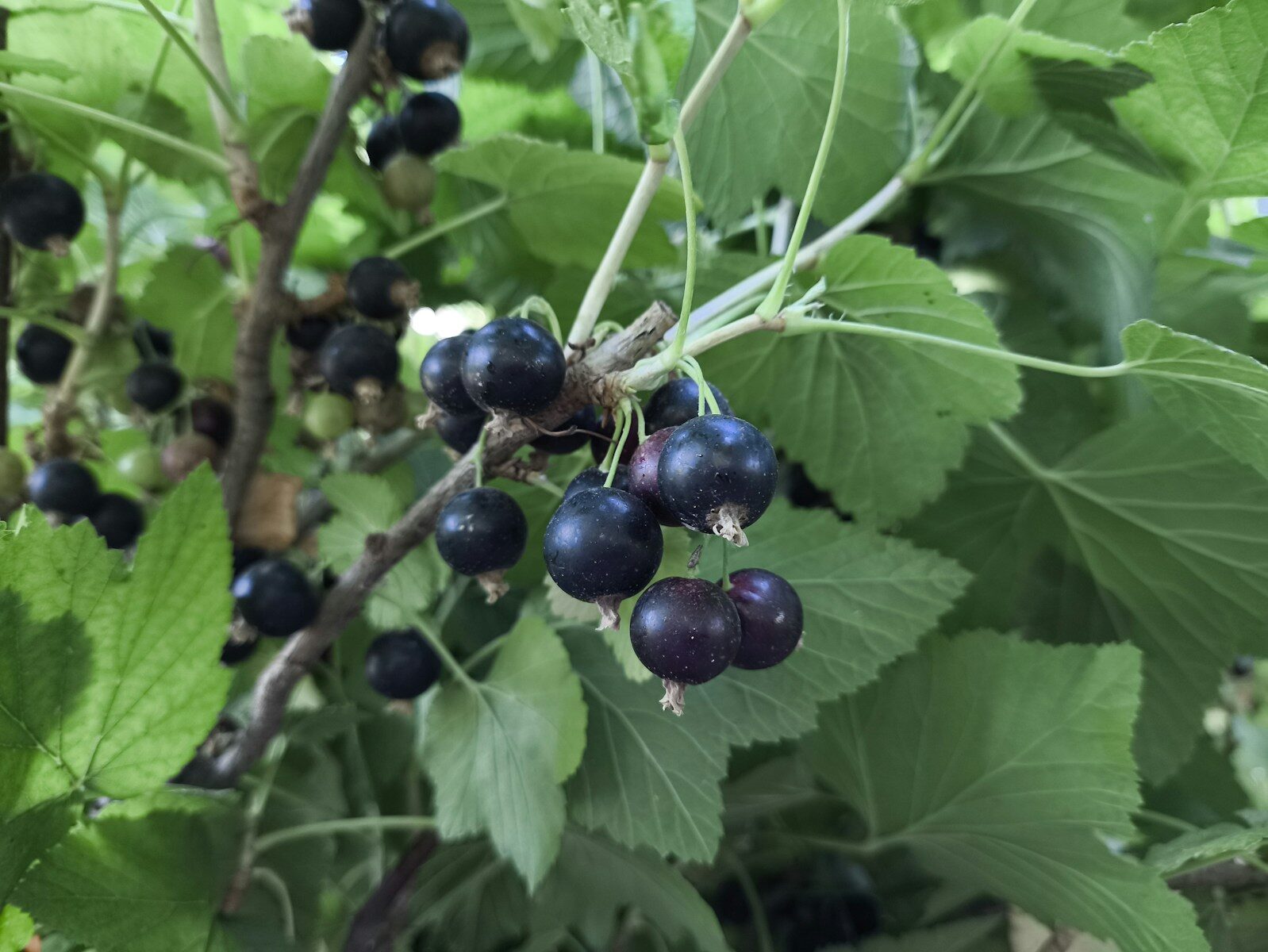
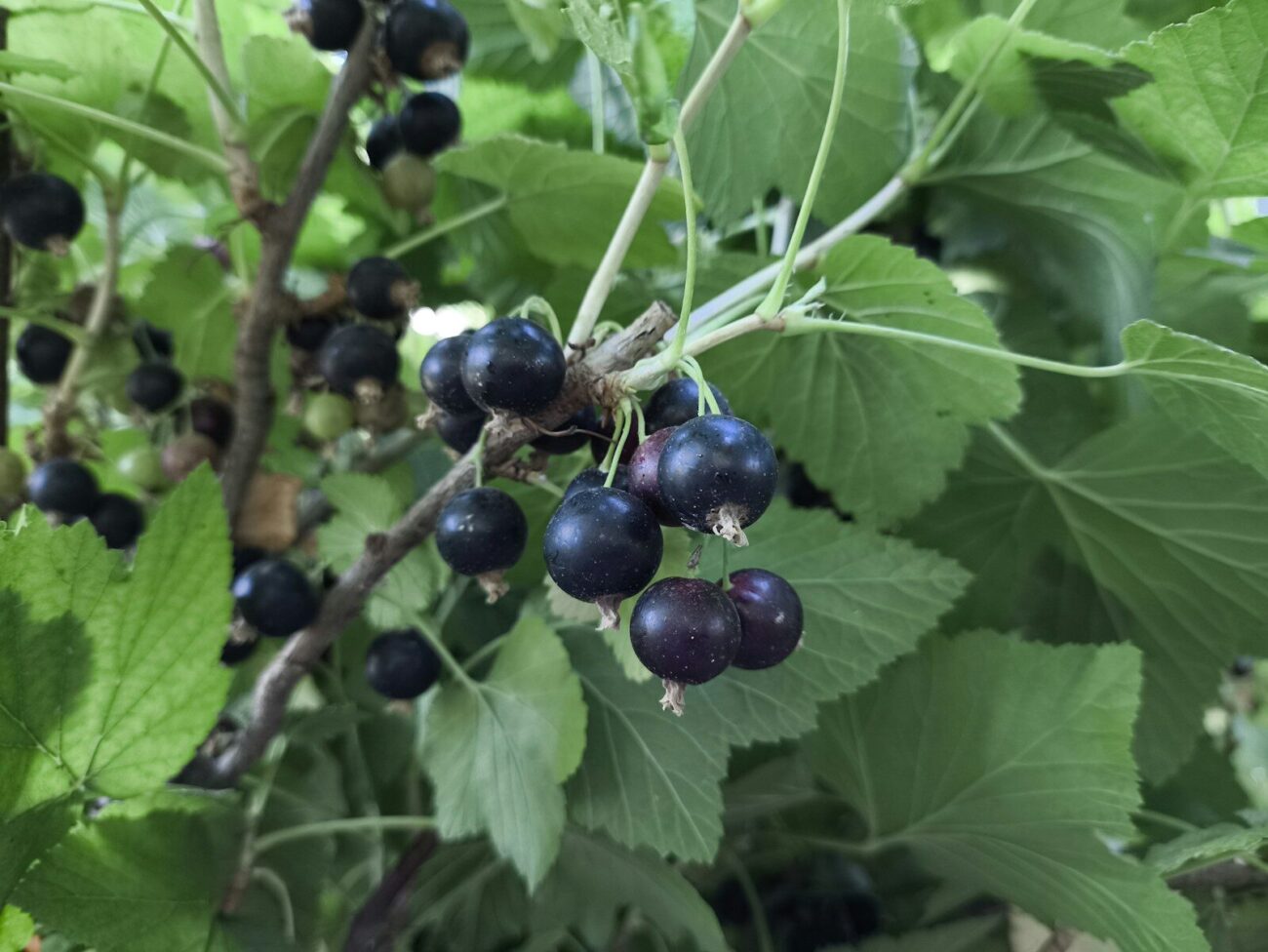
Blackcurrants might be the most underrated fruit in the home garden.
They are easy to establish, incredibly productive, virtually pest-free compared to most soft fruits, and they come back reliably year after year with minimal attention. And yet most gardeners choose strawberries or raspberries first and never get around to planting blackcurrants at all.
I think that is a mistake. Here is why and here is how to grow them properly.
What Kind of Plant Is a Blackcurrant?
Blackcurrant (Ribes nigrum) is a deciduous flowering shrub in the Grossulariaceae family. It is native to temperate parts of central and northern Europe and northern Asia, where it grows naturally in moist woodland edges and riverbanks.
It is a perennial plant that comes back every year from an established root system. A well-managed blackcurrant bush can remain productive for 10 to 15 years. A poorly managed one stops producing much fruit after 5 to 6 years. The difference almost always comes down to pruning.
Blackcurrant fruit is rich in vitamin C and anthocyanins. These pigments serve as protective compounds in the plant and happen to be what makes blackcurrants so nutritionally valuable.
During my studies on how plants respond to environmental stress I covered how plants under pressure redirect resources toward producing protective secondary compounds rather than growth. Wild blackcurrants growing in lean conditions often taste more intense than heavily fertilized cultivated ones precisely because stress drives higher compound production.
Choosing a Variety
Ben Connan. Compact bush, heavy cropper, large berries, good disease resistance. My top recommendation for small gardens and container growing.
Ben Hope. Very disease resistant, particularly against big bud mite, reliable heavy cropper. Good choice for organic growers.
Ben Lomond. Traditional reliable variety, large berries, good flavour. Slightly more vigorous than Ben Connan.
Ebony. Early ripening variety, good for cooler northern climates where the season is shorter.
For most home gardeners Ben Connan or Ben Hope give the best combination of reliable cropping, disease resistance, and manageable size.
Where to Plant Blackcurrants
Sun or partial shade:
Blackcurrants are more shade tolerant than most fruit plants. They produce best in full sun but crop reasonably well with 4 to 5 hours of direct light daily. This makes them useful for gardens where full sun positions are taken by other plants.
Moist but well-drained soil:
Blackcurrants originate from moist woodland environments and they show it. They prefer consistent soil moisture more than most fruit plants. Dry sandy soils stress them and reduce yields significantly. Heavy clay improved with organic matter suits them well.
Soil pH between 6.0 and 6.5:
Slightly acidic conditions work best. Worth testing before planting and adjusting if your soil is very acidic.
Shelter from late frosts:
Blackcurrants flower early in spring, often in March, and the flowers are vulnerable to frost damage. A position sheltered from frost pockets is worth choosing if possible.
Planting Blackcurrants
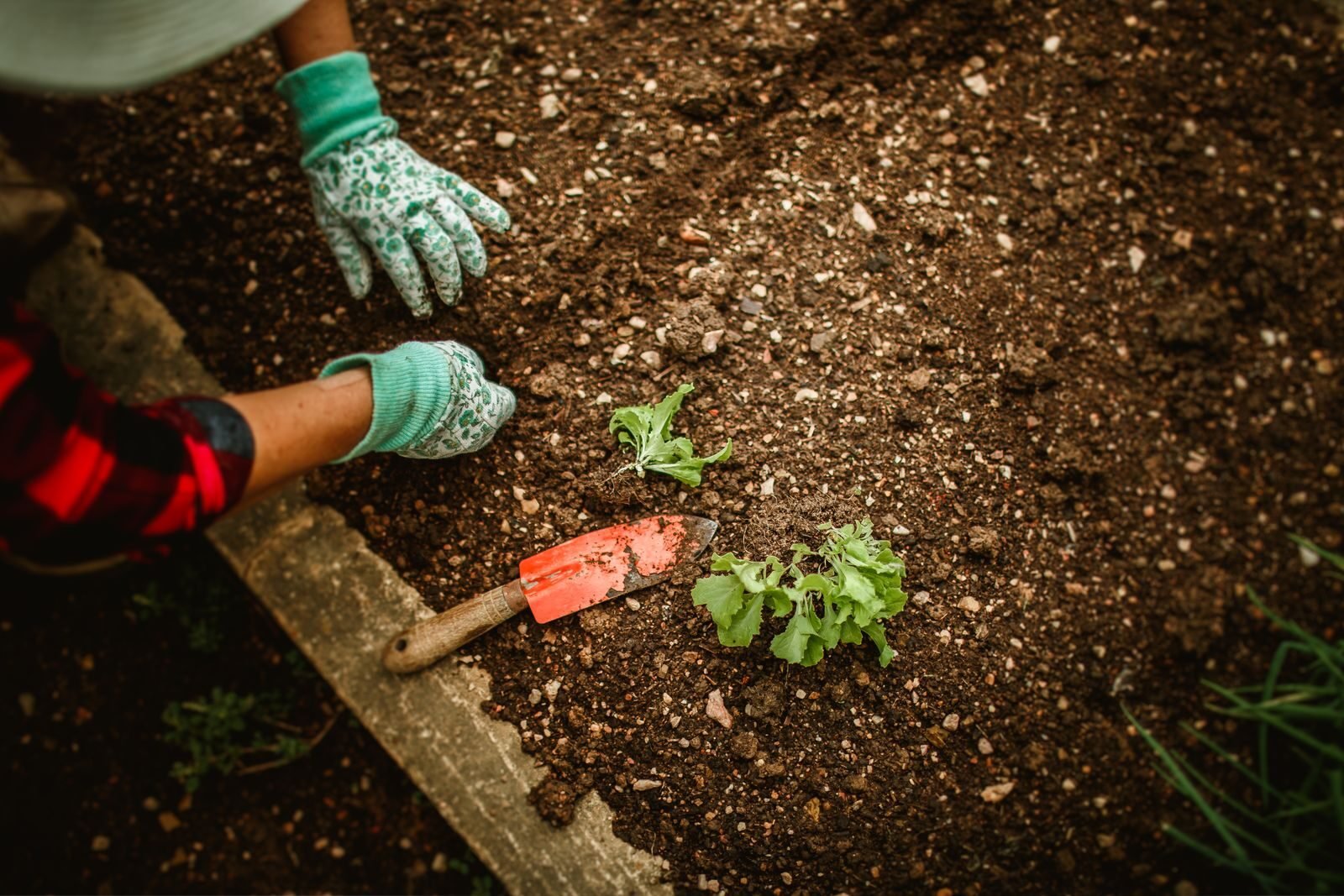
Bare-root plants go in between November and March. Container-grown plants go in at any time but establish most easily in autumn or early spring.
Here is the most important planting detail most guides miss. Plant blackcurrants deeper than they grew in the nursery, around 5 to 8 cm deeper. This encourages new shoots to emerge from below soil level, which is exactly what you want. Blackcurrants fruit best on young wood and deep planting stimulates the production of new basal shoots that become your most productive fruiting branches.
Space plants at least 1.5 metres apart. Blackcurrants grow into large bushes and need air circulation between plants to reduce disease pressure.
After planting cut all shoots back to about 5 cm above soil level. This seems drastic but it encourages strong new growth from the base and establishes the multi-stemmed bush structure that makes blackcurrants so productive.
Can Blackcurrants Grow in Pots?
Yes, particularly compact varieties like Ben Connan.
Use a container of at least 30 to 40 litres with good drainage. Fill with a mix of multipurpose compost and loam-based compost. Water regularly since container plants dry out much faster than those in open ground. Feed with a balanced fertilizer monthly through the growing season.
Pot-grown blackcurrants produce smaller crops than ground-planted bushes but fruit reliably and work well on patios and in small gardens.
Watering and Feeding
Consistent moisture matters for blackcurrants, particularly during fruit development in early summer. Dry conditions at this stage cause berries to drop before fully ripening. Water regularly during dry spells and apply a thick mulch of compost around the base to retain moisture.
Feed with a high-potassium fertilizer in spring as growth begins. Potassium drives fruit development and berry size. A general balanced fertilizer in early spring followed by a high-potassium feed as flowers open works well for most established bushes.
Pruning Blackcurrants
This is where most blackcurrant growers go wrong and it is the single most important thing you do for the plant each year.
Blackcurrants fruit most heavily on wood grown in the previous year. Old wood that is three years or more produces very little fruit. The goal of pruning is to keep the bush constantly renewing itself with young productive wood.
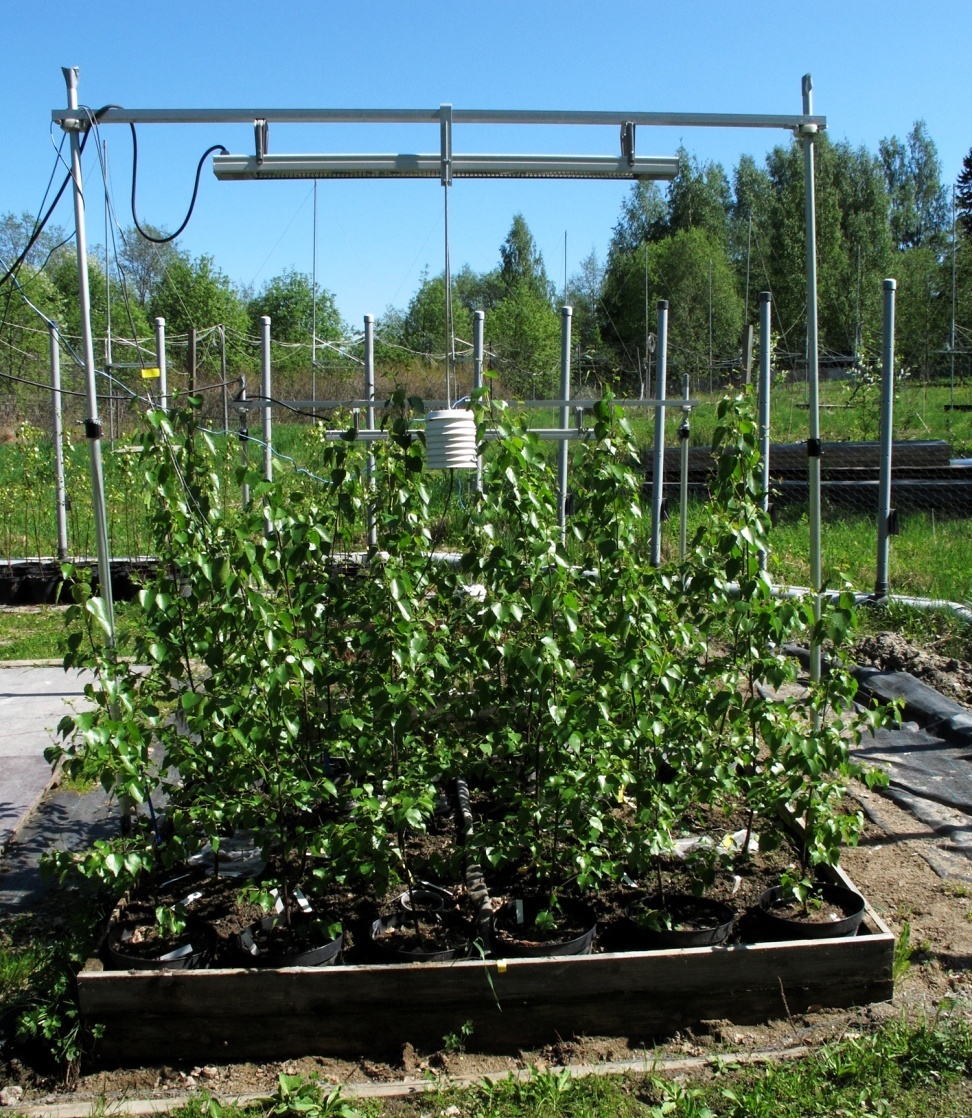
This connects directly to something I observed in my field research on Silver Birch (Betula pendula). In that research I measured how Silver Birch trees shifted their above-ground growth allocation between stem height, stem diameter, and leaf development in response to warming and ozone stress.
What that data showed clearly was how trees continuously redirect resources between tissue types depending on environmental conditions and available energy. Blackcurrant pruning works on the same biological principle. Removing old unproductive wood forces the plant to redirect resources into producing new productive shoots rather than maintaining tissue that no longer contributes to fruiting.
My recommendation is to remove around one third of the oldest darkest stems at ground level each winter after harvesting. Cut them right down to the base. This stimulates the plant to produce new basal shoots which become your most productive fruiting wood over the following two years.
Do this consistently every year and the bush stays young, open, and highly productive. Neglect pruning for several years and the bush fills with unproductive old wood and yields drop significantly.
Harvesting
Blackcurrants ripen in July in most temperate climates. The berries in each cluster do not all ripen at the same time. The top berries ripen first and the lower ones follow over one to two weeks.
The easiest harvesting method is to pick entire fruit strigs, the small branches carrying the berry clusters, rather than individual berries. This is faster and causes less damage to the bush. Berries strip easily from strigs at home before use.
Common Problems
Big bud mite: Swollen round buds in winter indicate infestation by blackcurrant gall mite. Remove and destroy affected buds. Choose resistant varieties like Ben Hope if this is a recurring problem in your garden.
Reversion virus: Leaves become smaller and more nettle-like in appearance. A viral disease with no cure. Remove and destroy affected plants and replace with certified virus-free stock.
Poor yields despite healthy growth: Almost always a pruning issue. Check that you are removing old wood annually and not just trimming the tips.
Berries dropping before ripe: Usually caused by dry soil during fruit development. Maintain consistent moisture and mulch heavily around the base.
Frequently Asked Questions
Are blackcurrants easy to grow?
Yes, they are among the more straightforward soft fruits to establish and maintain. They tolerate partial shade, handle a range of soil types, come back reliably each year, and produce heavy crops with minimal intervention beyond annual pruning.
Do blackcurrants come back every year?
Yes. Blackcurrants are perennial shrubs that regrow each spring from established root systems. A well-managed bush remains productive for 10 to 15 years.
Can blackcurrants grow in shade?
Better than most fruit plants. They produce their best crops in full sun but crop reasonably well with 4 to 5 hours of direct light daily. Deep shade reduces yields significantly but partial shade is workable.
Can blackcurrants grow in pots?
Yes, particularly compact varieties like Ben Connan. Use a container of at least 30 to 40 litres, water regularly, and feed monthly through the growing season. Container plants produce smaller crops than ground-planted ones but fruit reliably.
Can you grow blackcurrants from cuttings?
Yes, very easily. Take hardwood cuttings in autumn from healthy current season growth. Each cutting should be around 20 to 25 cm long with several buds. Insert directly into open ground or a pot of free-draining compost. Most cuttings root successfully and produce fruiting bushes within two to three years.
How long do blackcurrants take to produce fruit?
Most bushes produce a small crop in year two and a full harvest from year three. Remove any flowers in year one to direct energy into establishing a strong root system and bush structure.
How tall do blackcurrants grow?
Most varieties reach 1.2 to 1.5 metres tall and wide at maturity. Compact varieties like Ben Connan stay slightly smaller at around 1 to 1.2 metres.
Will blackcurrants grow in shade?
In partial shade yes. In deep shade crops reduce significantly. Aim for at least 4 hours of direct light daily for productive fruiting. Full sun always gives the best results.
Where do blackcurrants grow best?
Blackcurrants grow best in temperate climates with cool moist conditions, similar to their native woodland habitat. They perform particularly well in the UK, northern Europe, and cooler parts of North America. They struggle in hot dry climates without supplemental irrigation and careful soil management.
Why were blackcurrants banned in the USA?
Blackcurrants were banned across much of the USA in the early 20th century because they act as an alternate host for white pine blister rust, a fungal disease that devastated the timber industry. The federal ban was lifted in 1966 but some individual states still restrict blackcurrant growing. Always check your local regulations before planting.
Plant One This Autumn!
Blackcurrants ask for very little and produce abundantly. Plant in autumn or early spring, prune hard every winter after harvest, keep the soil moist during fruit development, and your bush will reward you with kilograms of fruit every summer for the next decade.