


This article was written and reviewed by Serge, MSc. I hold degrees in Plant Biology, Environmental Biology and Biogeochemistry, with research experience in plant physiology, ecosystem science, and field-based environmental studies. Every article on this site is grounded in real academic training and genuine scientific research.
Affiliate disclosure: This site has affiliate links, including Amazon. As an Amazon Associate I earn from qualifying purchases, at no extra cost to you.
The most common question I get about houseplants goes something like this.
My plant was fine last week. Now it is wilting even though the soil is wet. What is wrong with it?
Almost every time the answer is root rot.
And almost every time the person watered the plant more when they saw it wilting, because wilting usually means thirst. That extra water made everything worse.
I completely understand why this happens. Root rot produces symptoms that look exactly like underwatering. The plant wilts. The leaves droop. It looks like it needs water urgently. But the roots are sitting in waterlogged soil unable to function. Giving more water to a root system that is already drowning accelerates the damage rather than fixing it.
My plant biochemistry training covered the cellular mechanisms behind root decay in detail. What happens underground follows a predictable biological sequence once you understand it. That understanding is what I want to share here.
What Actually Causes Root Rot
Root rot has two connected causes that work together.
Oxygen starvation first.
Healthy roots need oxygen to respire and maintain cellular function. I studied root respiration as part of my plant biochemistry training at undergraduate level and later saw the real consequences of oxygen dynamics in soil during my postgraduate field research.
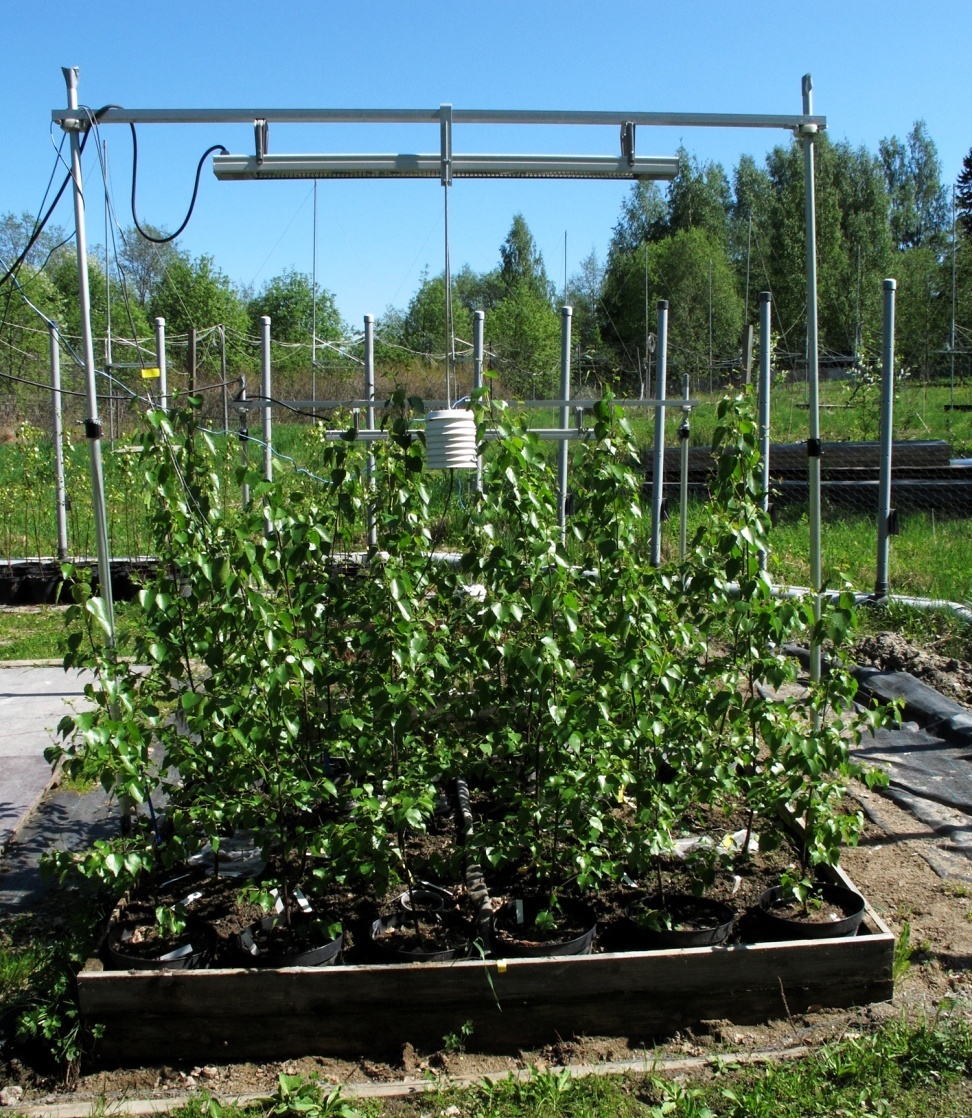
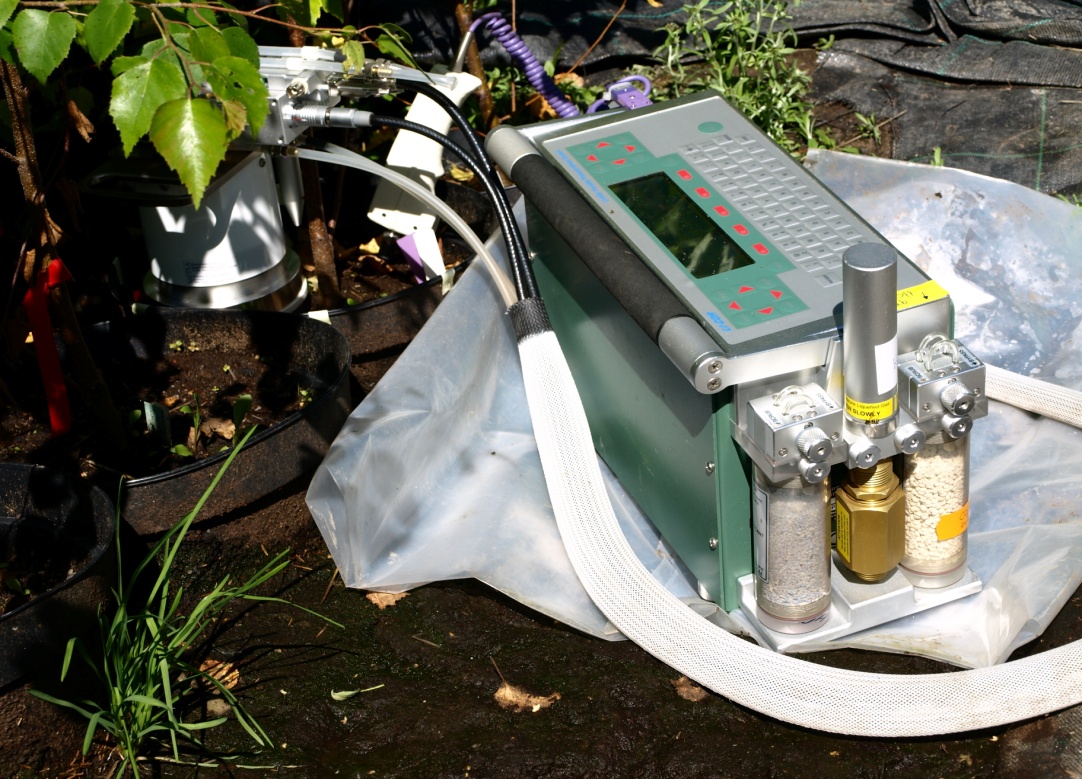
Additionally, I spent a full growing season measuring CO₂ efflux from soil using a LICOR gas analyser. Soil oxygen and carbon dioxide levels are in constant flux, far more dynamic than most people realise. When soil stays waterlogged for extended periods, the air pockets between soil particles fill with water.
Oxygen levels around the roots drop. Root cells begin dying from oxygen deprivation before any pathogen gets involved.
Then the pathogens move in.
Weakened oxygen-starved roots become vulnerable to soil-dwelling fungi, primarily species of Phytophthora, Pythium, and Fusarium. These organisms thrive in wet anaerobic conditions. They attack damaged root tissue and spread rapidly through the root system from there.
The result is roots that turn brown or black and become soft and mushy. They can no longer absorb water or nutrients even if both are available in the soil. This is why the plant wilts despite wet soil. The delivery system has failed.
What Root Rot Looks Like
The visible symptoms appear above ground well after the damage has started below. This is the most dangerous aspect of root rot, by the time you see the signs, significant root loss has already occurred.
Above ground:
Wilting that does not improve after watering
Yellowing leaves starting from lower leaves and moving upward
Leaf drop as the plant sheds tissue to reduce demand it can no longer meet
Stunted or completely stopped growth
Brown mushy stems at the soil line in severe cases
Below ground:
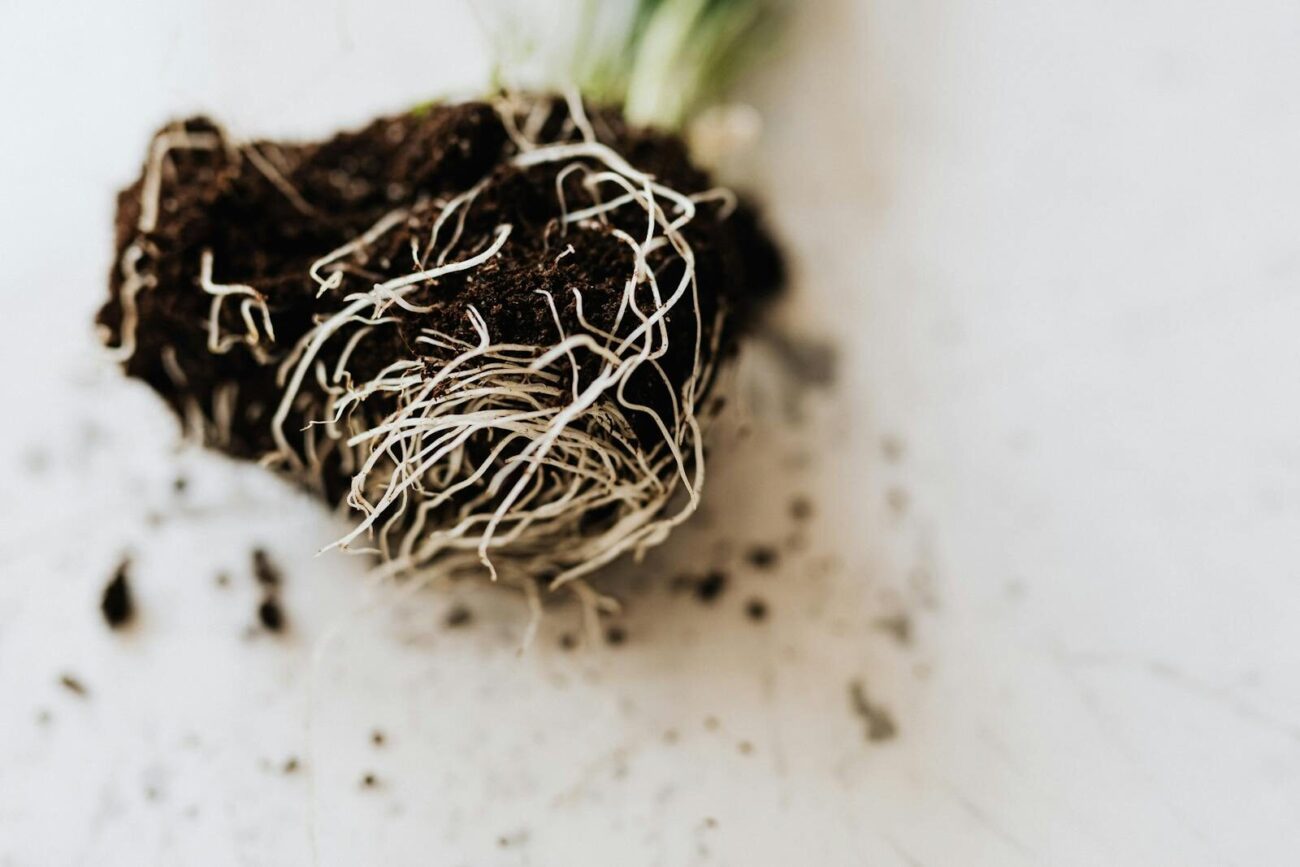
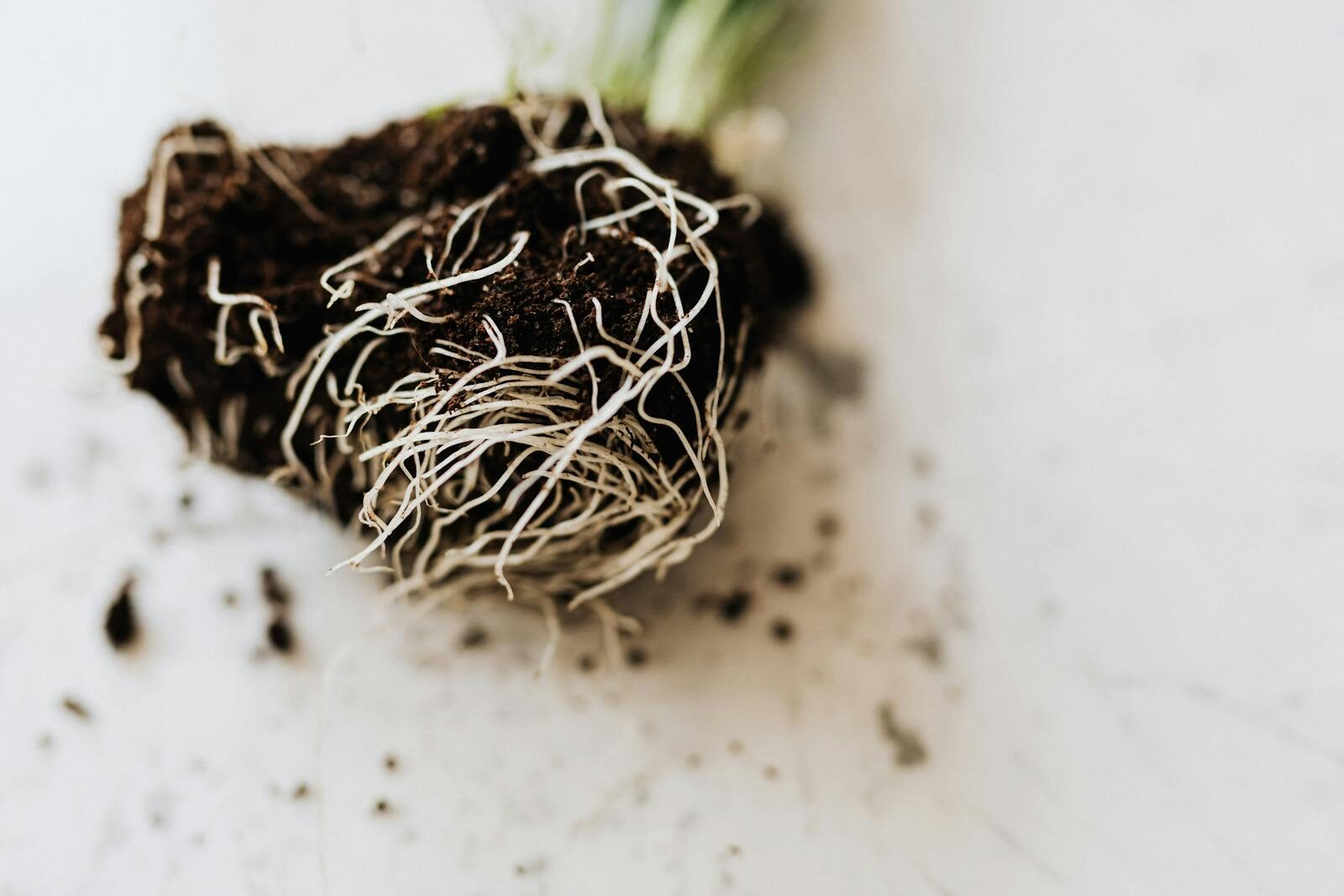
Remove the plant from its pot and look at the roots directly. Healthy roots are white or pale tan and firm. Rotted roots are brown or black, soft, and mushy. They often have a foul smell. In severe cases the root system disintegrates when touched.
Do not wait for above-ground symptoms to worsen before checking roots. If your plant wilts despite moist soil, pull it out and look at the roots immediately. Early inspection is the difference between saving the plant and losing it.
Can Plants Recover From Root Rot?
Yes, but recovery depends on how much healthy root tissue remains.
A plant with around half its roots still healthy has a good chance of recovery with proper treatment. A plant where most of the root system has rotted faces much harder odds, though recovery is still possible with fast intervention.
I have seen plants that looked completely dead above ground recover fully once rotted roots were removed and conditions corrected. I have also seen plants lose their entire root system within two weeks of the first symptom appearing. Speed matters more than anything else here.
How to Fix Root Rot Step by Step
Step 1. Remove the plant from its pot immediately
Take the plant out and shake off as much old soil as possible. Rinse the roots gently under room temperature water so you can see the damage clearly.
Step 2. Cut away all rotted roots
Use clean sharp scissors or pruning shears. Cut off every brown, black, or mushy root, cutting back to healthy white firm tissue. If a root looks even slightly questionable remove it. Leaving any rotted material behind allows the pathogen to continue spreading into healthy tissue.
Sterilise your cutting tool with rubbing alcohol before and after. This stops you spreading pathogens from rotted roots to healthy ones during the process.
Step 3. Treat the remaining roots
Rinse the remaining healthy roots in a dilute hydrogen peroxide solution. Mix 3% hydrogen peroxide at 1 part to 3 parts water. This kills residual fungal spores on the root surface without damaging healthy tissue. Let roots air dry for 30 minutes before repotting.
Step 4. Repot in fresh dry soil
Never reuse old potting mix. It contains the fungal spores that caused the rot. Use fresh well-draining potting mix in a clean pot. If reusing the old pot wash it thoroughly with dilute bleach solution first.
Choose a pot with drainage holes. If the original pot had poor drainage that contributed directly to the problem.
Step 5. Reduce the top growth
If you removed significant root mass reduce the above-ground portion of the plant proportionally. Fewer leaves means less water and nutrient demand on a reduced root system. Cut back stems by around a third if root damage was moderate, more if damage was severe.
Step 6. Water very carefully during recovery
Water lightly and allow the soil to dry significantly between waterings. The recovering root system is fragile. Another waterlogging event at this stage will finish the plant off. Do not fertilize during recovery, damaged roots cannot handle the nutrient concentration.
How to Prevent Root Rot
Use well-draining potting mix: Dense heavy soil holds too much moisture. Add perlite or coarse sand to improve drainage. Around 30% perlite mixed into standard potting mix works well for most houseplants.
Use pots with drainage holes: Water that cannot escape accumulates around roots. Always use pots with holes. If you want to use a decorative pot without holes, place the planted pot inside it and empty any water that collects at the bottom after each watering.
Water based on soil condition not schedule: Check the soil before every single watering. Most houseplants need water only when the top 2 to 5 cm of soil feels dry. Watering on a fixed schedule regardless of soil moisture is one of the most reliable ways to cause root rot over time.
Match pot size to plant size: Oversized pots hold more soil than roots can dry out between waterings, keeping the root zone wet for too long. Choose pots only slightly larger than the current root ball.
Recommended: Check how alive your soil is with my free Soil Life Scorecard, two simple checks with a printable log.
Common Questions
Can plants recover from root rot?
Yes, if caught early enough. Plants with around half their roots still healthy recover well with proper treatment. Remove all rotted roots, treat with dilute hydrogen peroxide, repot in fresh well-draining soil, and water carefully during recovery. The sooner you act the better the outcome.
What does root rot look like?
Above ground you see wilting that does not improve after watering, yellowing leaves, and leaf drop. Below ground rotted roots are brown or black, soft and mushy, and often smell foul. Healthy roots are white or pale tan and firm. Remove the plant from its pot and check roots directly if you suspect root rot.
What causes root rot in plants?
Overwatering and poor drainage are the primary causes. Waterlogged soil deprives roots of oxygen, killing root cells and making them vulnerable to soil-dwelling fungal pathogens like Phytophthora and Pythium. These fungi thrive in wet conditions and spread rapidly through a weakened root system.
Does hydrogen peroxide help root rot?
Yes. A dilute solution of 3% hydrogen peroxide mixed 1 part to 3 parts water kills fungal spores on root surfaces without damaging healthy tissue. Apply it to cleaned roots after removing all rotted material and before repotting in fresh soil.
Will root rot go away on its own?
No. Root rot does not resolve without intervention. The fungal pathogens driving it continue spreading as long as wet conditions persist. Without treatment the rot progresses until the entire root system fails. Act as soon as you identify the problem.
Can root rot spread to other plants?
The fungal pathogens that cause root rot live in soil. They do not travel through the air but can spread through shared soil, contaminated tools, or water draining from an infected pot onto a healthy one. Always use clean tools and fresh soil when repotting, and keep plants with suspected root rot away from others.
Can I propagate a plant with root rot?
Often yes. If the plant still has healthy stems and leaves above the soil line take stem cuttings and root them in fresh water or clean soil. Cut well above any rotted tissue. This saves the plant even when the original root system cannot be recovered. Always worth trying before discarding a severely affected plant.
Why do my plants keep getting root rot?
Recurring root rot almost always points to a watering habit, inadequate drainage, or the wrong soil mix. Review how often you water and whether you check soil moisture before watering. Check that pots have drainage holes and that the potting mix drains freely. Fixing the underlying conditions stops recurrence more reliably than any treatment.
How long does root rot take to kill a plant?
It depends on severity and species. A mild case developing in cool conditions can take weeks or months to become critical. A severe case in warm wet conditions can kill a plant within 10 to 14 days. Fast-progressing cases often show rapid wilting and collapse with very little warning above ground.
What plants are most susceptible to root rot?
Succulents, cacti, orchids, and snake plants are particularly vulnerable because they are adapted to dry conditions and their roots tolerate very little excess moisture. African violets, pothos, and peace lilies are also commonly affected. Plants adapted to wet conditions are naturally more resistant.
Check the Roots Before It Is Too Late!
Root rot is serious but it is not a death sentence if you act quickly. The biology is predictable. The treatment is straightforward. The prevention is simple.
Check your plant roots periodically. Water based on what the soil tells you not what the calendar says. Use well-draining soil and pots with drainage holes.
Do those three things consistently and root rot becomes something you read about rather than something you deal with.