




This article was written and reviewed by Serge, MSc. I hold degrees in Plant Biology, Environmental Biology and Biogeochemistry, with research experience in plant physiology, ecosystem science, and field-based environmental studies. Every article on this site is grounded in real academic training and genuine scientific research.
Affiliate disclosure: This site has affiliate links, including Amazon. As an Amazon Associate I earn from qualifying purchases, at no extra cost to you.

This is one of those questions that sounds unscientific until you look at the biology behind it. Then it gets genuinely interesting.
Does music affect plant growth?
My answer as a plant scientist is that sound and mechanical vibration do affect plants, but probably not in the way most people think. It is not about the melody. It is about mechanical stimulation and how plant cells respond to physical forces in their environment.
I studied plant ecological stress physiology formally and one of the things that course covered was how plants respond to mechanical stimulation, wind, touch, pressure, and vibration. Plants are not passive organisms. They sense their physical environment continuously and adjust their growth and biochemistry in response. Sound is mechanical vibration. Plants feel it.
Let me explain the science and then show you how to test it yourself.
The Science Behind It
When sound waves travel through air they create pressure waves, rapid fluctuations in air pressure that physically vibrate surfaces they contact, including plant leaves and stems.
Plants respond to mechanical stimulation through a process called thigmomorphogenesis. This is the same response that makes plants growing in windy conditions develop shorter, thicker, stronger stems than sheltered plants. Wind provides continuous mechanical stimulation and plants respond by reinforcing their structure.
Sound potentially triggers similar responses at lower intensity levels. Research suggests that certain sound frequencies, particularly in the range of 100 to 500 Hz, may influence cell membrane permeability, stomatal opening, and gene expression in plants. Some studies report increased germination rates and growth responses under specific sound conditions.
I want to be honest with you here. The research in this area is genuinely interesting but not yet conclusive. Study quality varies significantly. What we know firmly is that plants respond to mechanical stimulation. Whether the specific frequencies in music produce measurable growth responses in typical home conditions is exactly what your experiment will investigate.
What You Need
4 identical plant pots with the same soil mix
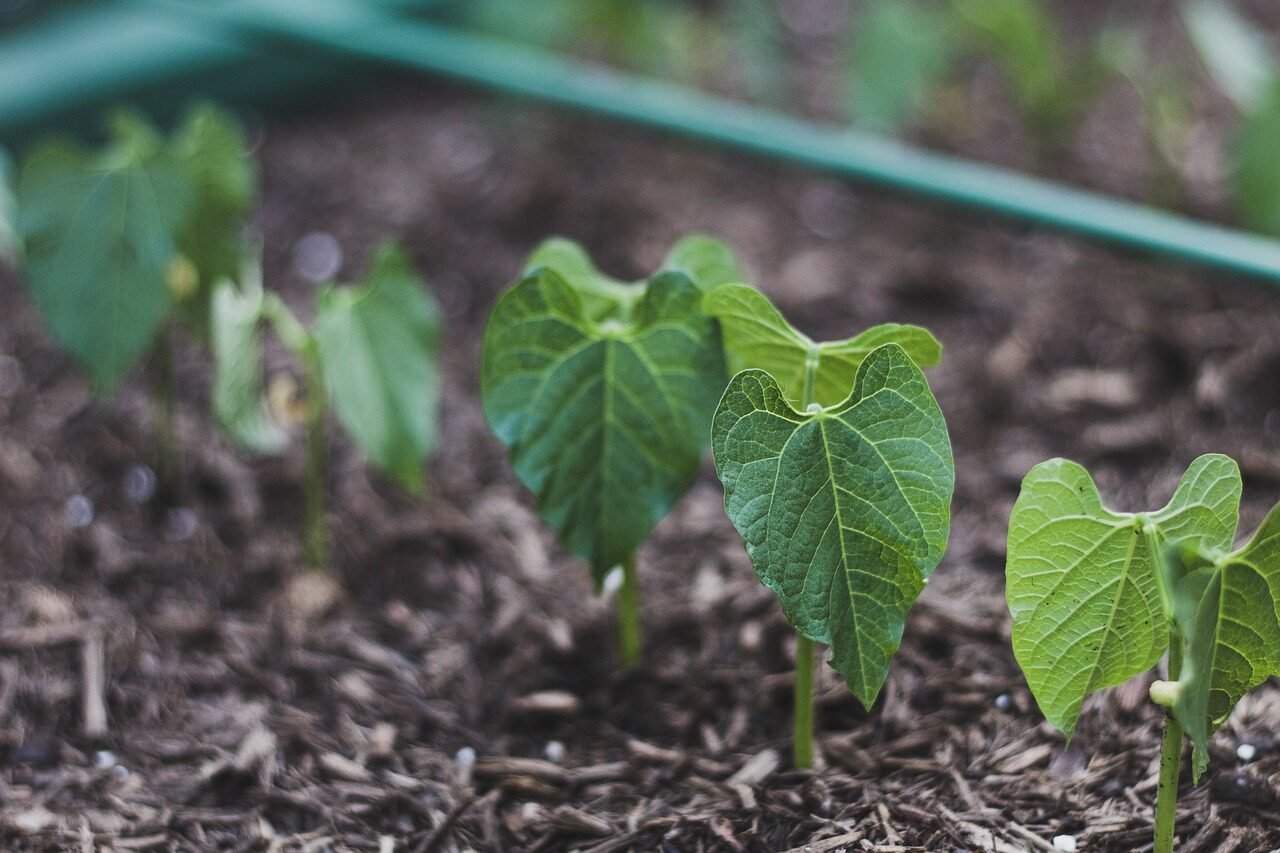
4 identical seedlings of the same species, basil or radish work well
A ruler for measuring stem height
A notebook for recording observations
A smartphone or speaker for playing music
A quiet location for your control plants
Keep all four plants in identical conditions, same light, same temperature, same watering schedule. Sound is the only variable.
Setting Up the Experiment
Plant 1
Silence (control) Place in a quiet room away from music, traffic noise, and conversation. This is your baseline.
Plant 2
Classical music Place near a speaker playing classical music at low to moderate volume for 3 hours daily. Bach and Mozart are commonly used in plant sound research because of their consistent rhythm and frequency range.
Plant 3
Heavy bass music Place near a speaker playing music with strong bass frequencies at the same volume for 3 hours daily. Bass frequencies produce stronger physical vibration than high frequencies.
Plant 4
White noise or natural sounds Place near a speaker playing consistent white noise or nature sounds like rainfall or wind at the same volume for 3 hours daily.
Run the experiment for 4 weeks minimum. Short-term results are not reliable in plant growth research. You need enough time for any growth differences to become measurable.
What to Measure and Record
Measure and record every 3 days:
Stem height from soil surface to growing tip
Number of leaves produced
Leaf size, measure the largest leaf on each plant
Overall appearance, colour, vigour, any stress signs
Photograph all four plants from the same angle and distance every week. Visual comparison over time often shows differences that measurements miss.
What Your Results Might Show
No measurable difference between groups:
This is a completely valid result. It tells you that under typical home conditions with moderate sound exposure, the mechanical vibration produced by music does not produce measurable growth changes in your plants. This is the most likely outcome and it is scientifically meaningful, negative results matter as much as positive ones.
Larger or faster growth in sound-exposed plants:
If sound-exposed plants consistently outgrow the silent control over 4 weeks, you have a genuine positive result worth investigating further. Consider repeating the experiment with more plants per group to confirm the pattern.
Differences between music types:
If classical music and bass music produce different results, frequency range may be the factor driving any response. Bass frequencies produce stronger physical vibration and may stimulate thigmomorphogenesis responses more strongly than higher frequencies.
Stress signs in heavily exposed plants:
Too much mechanical stimulation can stress plants rather than benefit them. If sound-exposed plants show yellowing, slower growth, or wilting compared to the control, excessive vibration may be the cause. Reduce exposure time and observe whether plants recover.
Frequently Asked Questions
Does music really help plants grow?
The scientific answer is that plants respond to mechanical vibration and some research suggests specific sound frequencies may influence growth. However the evidence is not conclusive and results vary significantly between studies and conditions. Running your own controlled experiment gives you direct evidence from your own growing environment rather than relying on generalised claims.
What type of music is best for plant growth?
Research most commonly uses classical music in the frequency range of 100 to 500 Hz. Some studies report positive responses to this frequency range. Heavy bass music produces stronger physical vibration which may stimulate thigmomorphogenesis responses. Your experiment will give you direct comparative data.
How long should you play music for plants?
Most research protocols use 1 to 3 hours of daily sound exposure. Continuous 24-hour exposure may stress plants rather than benefit them. Start with 3 hours daily and observe how your plants respond over several weeks.
Do plants respond to human voices?
Plants respond to mechanical vibration regardless of its source. Whether a human voice produces enough vibration at typical conversational volumes to trigger measurable plant responses in home conditions is not firmly established. It is an interesting variable to add to your experiment.
What is thigmomorphogenesis?
Thigmomorphogenesis is the process by which plants change their growth pattern in response to mechanical stimulation. Wind, touch, and vibration all trigger this response. Plants exposed to regular mechanical stimulation typically develop shorter, thicker, stronger stems with more structural reinforcement than sheltered plants. It is the same biological mechanism that makes outdoor grown plants sturdier than indoor ones.
Can too much sound stress plants?
Yes. Excessive mechanical vibration beyond the plant’s tolerance can disrupt cell membranes, interfere with stomatal function, and stress plant tissue. Moderate exposure appears most beneficial in the research literature. If your sound-exposed plants show stress signs, reduce exposure time.
What This Experiment Tells You About Plants
Whatever results you get, this experiment teaches you something important. Plants are not passive. They sense and respond to their physical environment continuously. Whether music produces measurable growth changes in your specific conditions or not, running a controlled observation and recording honest data is real science.
Try it for four weeks. The results might surprise you.