


This article was written and reviewed by Serge, MSc. I hold degrees in Plant Biology, Environmental Biology and Biogeochemistry, with research experience in plant physiology, ecosystem science, and field-based environmental studies. Every article on this site is grounded in real academic training and genuine scientific research.
Affiliate disclosure: This site has affiliate links, including Amazon. As an Amazon Associate I earn from qualifying purchases, at no extra cost to you.
Most people treat a growing medium like a brand choice. Clay pebbles or rockwool, coco or perlite, pick one and fill the pot. But a medium is doing real physical work, and once you understand that work, the choice gets simple.
I understood it long before I touched hydroponics, from measuring soil in the field.
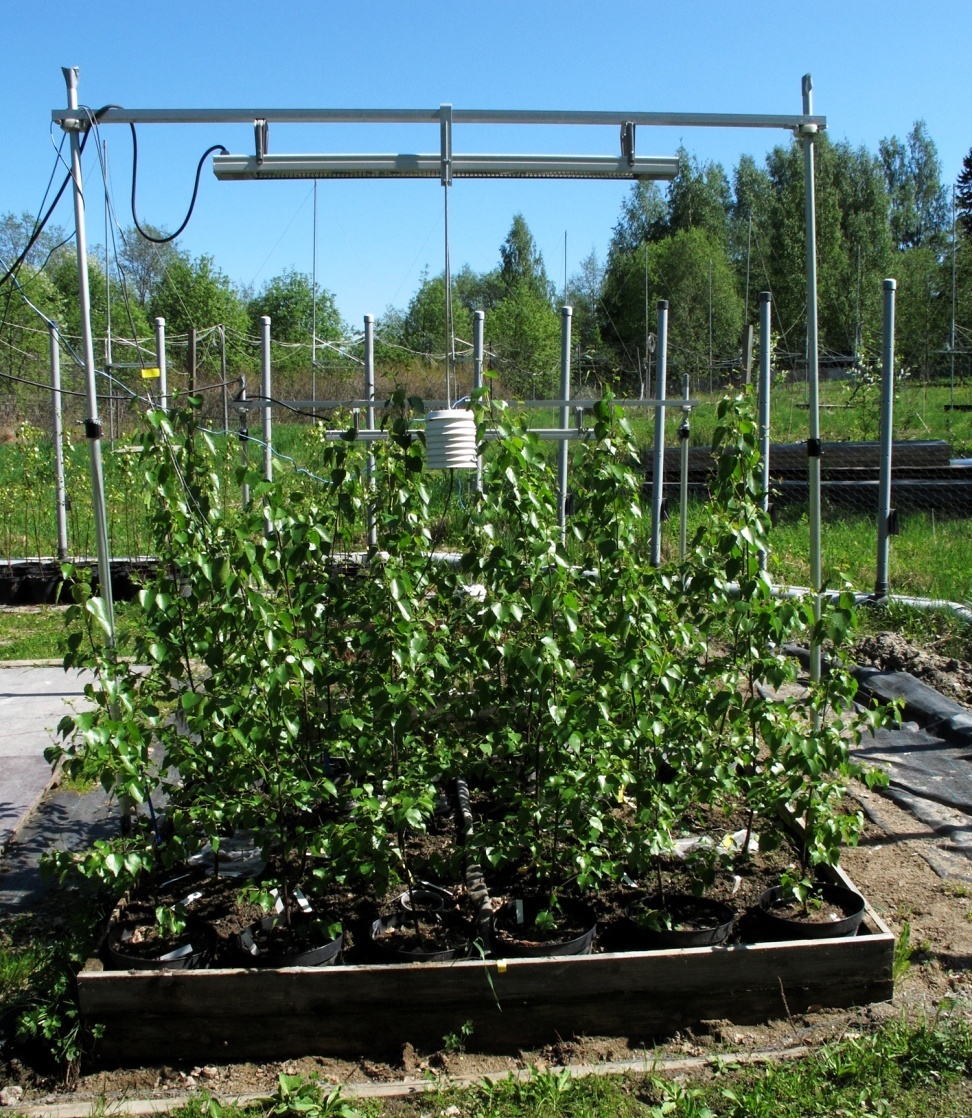
What the soil around silver birch taught me
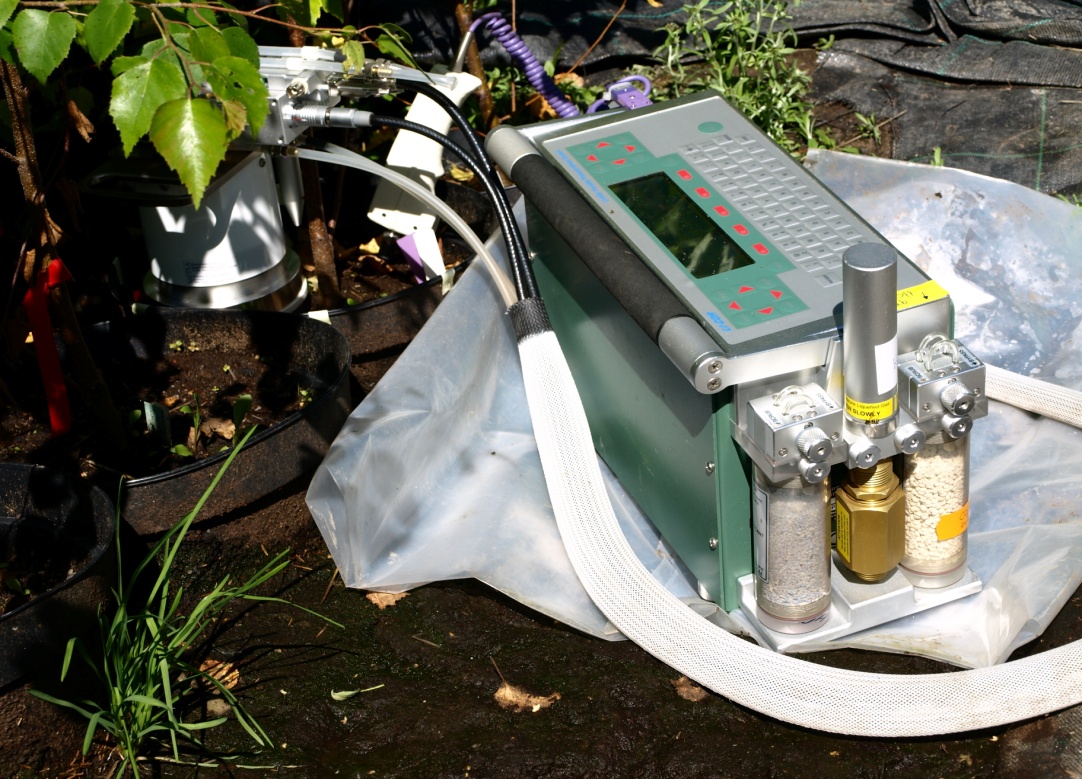
A lot of my early fieldwork was measuring soil respiration around young silver birch. Soil respiration is the carbon dioxide that roots and soil life give off as they use oxygen, and measuring it meant working with the soil directly, week after week across the season.
Doing that, I saw how much the soil’s physical state controlled what happened in it. Two patches of the same soil behaved differently depending only on how packed down they were. Loose soil drained and let air move in. Compacted soil stayed wet and kept air out, so the roots in it had little oxygen. The difference was not the soil itself. It was how much open space was inside it.
A hydroponic growing medium does the same work that open space does in soil. It holds water and air at the same time and gives the roots something to grip. As the University of Kentucky describes it, a soilless medium has to support the plant and provide aeration, drainage, water, and nutrients, and the higher a medium’s air porosity, the more oxygen the roots can get.
So I do not think of a medium as a soil substitute. I think of it as the water-and-air balance I used to measure in the ground, except here I pick it: how much holds water, how much holds air.
The scale every medium sits on
Think of a line. At one end, media that hold a lot of air and drain fast. At the other, media that hold a lot of water and dry slowly. Every medium sits somewhere on it, and the one you want depends on how much water your system already delivers.
Here is roughly where the common ones land, drawing on Oklahoma State’s rundown of soilless media.
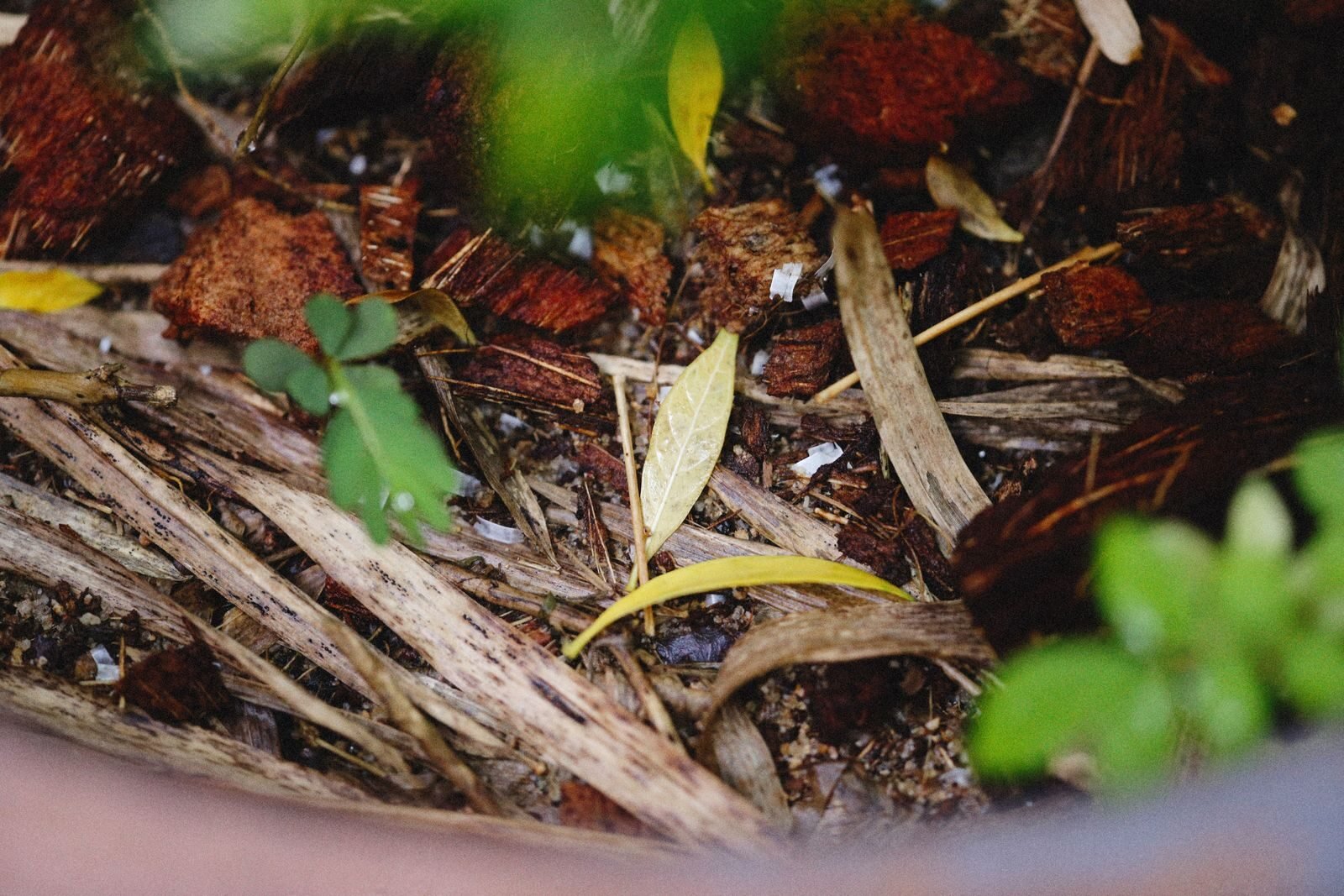
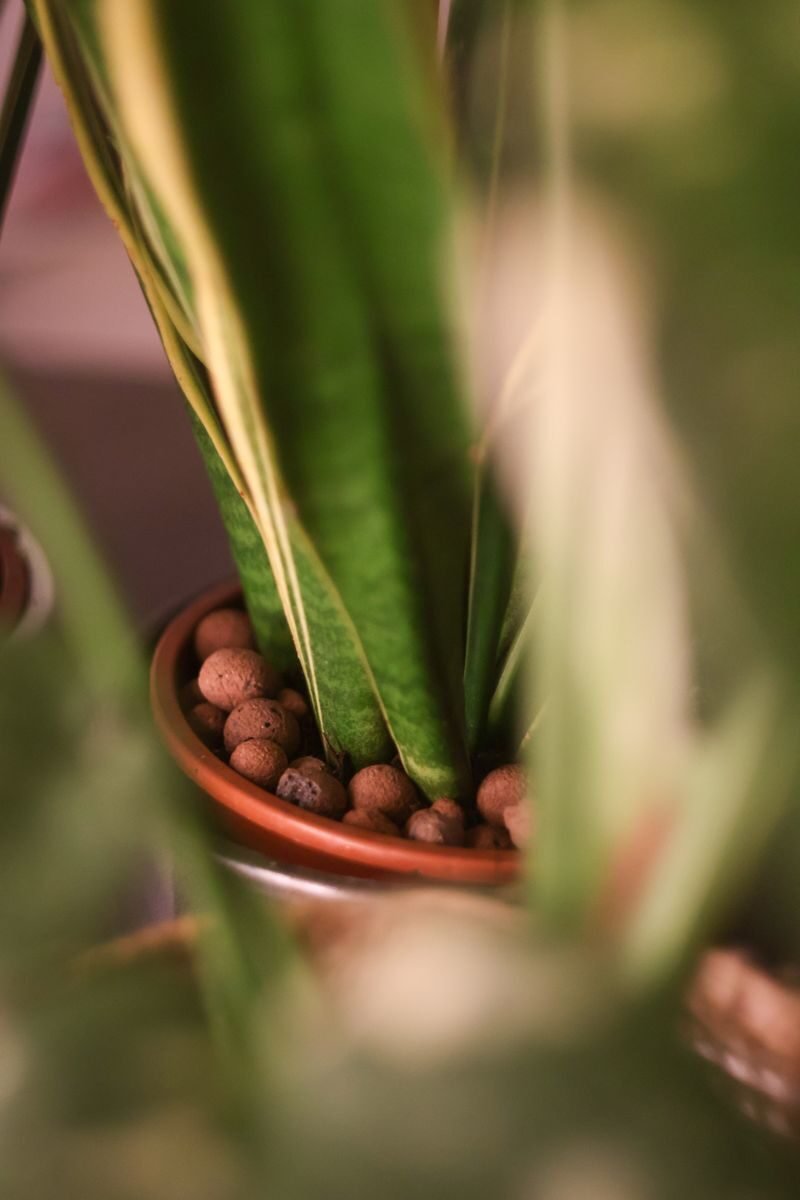
Expanded clay pebbles (LECA) sit at the airy end. Large pores, so solution flows through and air reaches the roots easily, but they hold little water and dry quickly. Good where the system keeps the roots wet, risky where it does not.
Perlite is also near the airy end, and Oklahoma State rates it among the best of all media for oxygen. It holds some water but drains freely, which is why I so often see it blended into other media to open them up rather than used alone.
Rockwool sits in the useful middle. It holds a strong amount of water while still keeping roughly a fifth to a quarter of its volume as air, so roots get moisture and oxygen together. That balance is why it is a reliable standard for seedlings and steady systems.
Coco coir also lands in that middle. It holds moisture well but still lets air through, and it behaves like a soil in the hand, which makes it forgiving.
Vermiculite and peat sit toward the water-holding end. They soak up a lot of water, which is useful, but on their own they can stay too wet and keep air from the roots. When I see vermiculite waterlog a pot, it is the same failure I watched in compacted field soil: plenty of water, no air, roots short of oxygen in a medium that looks fine from the top.
Where this meets your system
I never pick a medium on its own, because the medium and the system go together. I walk through the systems in my guide to the types of hydroponic systems, but the logic is short once the water-air scale is in your head.
If your system keeps the roots constantly wet or floods them often, I lean airy, like clay pebbles, because the system supplies the water and the medium mainly supplies air. If the system waters less often, or you are hand-watering, I lean water-holding, like coco or rockwool, so the roots do not dry out between drinks.
The problem I see most is a mismatch: a thirsty, airy medium in a system that rarely waters, or a water-heavy medium in one that floods. Either way the balance tips and the roots suffer.
This is the same oxygen point I make in my post on why roots need an air pump. In water culture I add air with a pump. In a medium, the medium holds the air itself. Both are ways of getting oxygen to a root, one with bubbles, one with structure.
The chemistry the labels skip
Structure is only half the story, and the other half is where a different part of my training comes in. I studied how plants take up minerals, and one idea from that follows me into every medium choice: cation exchange.
Some materials carry a slight negative charge that grabs hold of positively charged nutrients, calcium and magnesium especially, and either holds them back from the plant or trades them for other ions.
Coco coir does exactly this. It is not the blank, inert material clay pebbles are. It grabs calcium and magnesium, which is why I buffer coco before planting and keep an extra eye on those two. It is the same property that makes coco feel forgiving and soil-like, so I do not treat it as a flaw, I plan around it.
Rockwool brings a different issue, a physical-chemistry one. Fresh rockwool starts at a high pH, so I always soak and adjust it before planting, or the first thing the roots meet is water that locks nutrients out.
If a medium ever has you chasing strange deficiencies or a pH that will not settle, that is one of the hidden causes I built my Fix Your Hydroponics guide to catch, because almost nobody thinks to check the medium.
Reusing it
Clay pebbles are the easy one. I rinse them, strip off old roots, sterilise them between crops, and they last me years. Rockwool and coco I treat as mostly single-season, because they break down and hold old roots and salts I would rather not fight.
Perlite I reuse if it is clean, though it usually ends up mixed into whatever I blended it with.
If you are just starting out
For a first system I would not overthink it. Coco or rockwool from the middle of the scale is forgiving, because it holds enough water to cover a missed watering while still letting roots breathe.
That is where I start beginners in my guide to starting a hydroponic garden, so the medium works with them while they learn everything else.
The one idea to carry
A growing medium is not a soil substitute and it is not a brand decision. It is a balance of water and air around a root, the same balance I measured in the soil around those silver birch. Match that balance to how your system feeds, and the medium does its work without trouble.
Get it wrong, and you will spend the season fighting roots that are either parched or waterlogged, when all they needed was the right mix of water and air to sit in.