

This article was analyzed by Serge, MSc. Leveraging a background in Botany, Plant Physiology, and Biogeochemistry, I provide evidence-based insights into plant health, soil science, and sustainable cultivation. My focus is on delivering scientifically accurate data to help you grow with confidence.
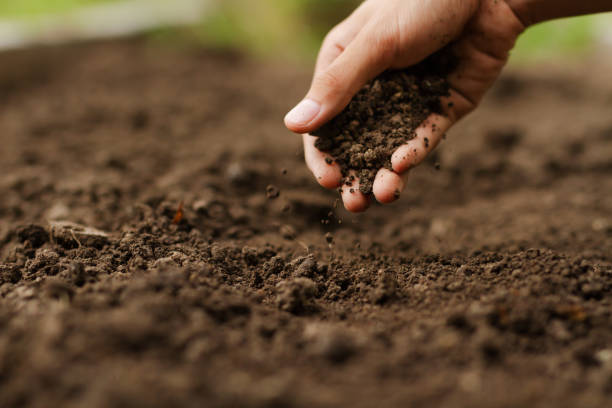
Gardening can be exciting, but starting a garden often comes with a hidden cost: soil.
Bagged soil at stores can be expensive, and filling even a small raised bed can get pricey fast. But soil is not just dirt, it’s a living ecosystem that supports plant roots, stores water, and houses countless microbes that recycle nutrients and maintain soil structure.
Understanding the biological and physical aspects of soil can help gardeners acquire it in a cost-effective way while still supporting healthy plant growth.
Soil as a Living System
Healthy soil is much more than just a medium for plants to anchor their roots. It is a complex mixture of mineral particles, organic matter, water, air, and microorganisms.
Each of these components interacts in subtle ways to influence water availability, nutrient cycling, and plant-microbe interactions.
Whether in a backyard garden or indoor containers, the right soil can enhance root growth, encourage beneficial microbial populations, and create a more resilient growing environment.
Buying Soil in Bulk
One of the most efficient ways to obtain garden soil at scale is to purchase it in bulk. Nurseries, landscaping suppliers, and municipal soil depots often provide large quantities at a fraction of the per-unit cost of pre-packaged bags.
Physical Properties of Bulk Soil
Bulk soil is not uniform, it varies in texture, composition, and microbial content. Sandy soil, for example, drains quickly and warms rapidly, making it suitable for plants that prefer drier, well-aerated environments, like root vegetables.
Clay soil retains water and nutrients efficiently but can be compacted, limiting root growth and oxygen diffusion. Loam, which combines sand, silt, and clay, generally provides the most balanced conditions for root expansion, water retention, and nutrient availability.
Biological Activity in Bulk Soil
From a biological perspective, bulk soil often contains naturally occurring microbial communities. Bacteria, fungi, and actinomycetes work to decompose organic matter, release nutrients, and facilitate symbiotic relationships with plant roots.
For instance, arbuscular mycorrhizal fungi form mutualistic associations with many plants, improving phosphorus uptake and water absorption.
Even a lower-cost bulk soil can contain these critical microbial players if sourced and stored properly, providing a living foundation for plant growth.
DIY Soil Mixtures
Creating your own soil mixtures at home is both cost-effective and scientifically interesting. By combining mineral soil with organic amendments, it is possible to influence soil structure, nutrient availability, water-holding capacity, and microbial diversity.
Key Components of DIY Soil
Compost: Provides essential macronutrients (nitrogen, phosphorus, potassium) and micronutrients. Microbes in compost, including bacteria and fungi, decompose organic matter gradually, releasing nutrients in a controlled manner. This slow nutrient release prevents deficiencies and supports consistent plant growth.

Topsoil: Provides the essential mineral matrix in which plant roots anchor, while also hosting naturally occurring microbial populations.
These microbes actively contribute to nutrient cycling, breaking down organic matter and making vital nutrients available to support healthy plant growth and soil fertility.

Sand: nhances soil drainage and aeration, especially in dense or clay-rich soils, by creating larger pore spaces. This improved structure facilitates root elongation, encourages deeper penetration, and allows oxygen to move freely, supporting overall root health and microbial activity.

Coco coir or peat: : Acts as a natural sponge in sandy or fast-draining soils, significantly improving water retention. By holding moisture while still allowing excess water to drain, it ensures that plant roots have a consistent supply of water without becoming waterlogged.
Additionally, it contributes to soil structure, promotes healthy root development, and supports microbial activity, creating a more balanced and biologically active growing environment for plants.

Leaf litter or grass clippings: Gradually break down to form nutrient-rich humus, a vital component that enhances soil fertility. This decomposition process fosters microbial activity, creating a thriving community of bacteria, fungi, and other microorganisms that aid nutrient cycling.
It also improves soil structure by increasing porosity and aggregation, and enhances cation exchange capacity, which allows soils to retain and supply essential nutrients more effectively to growing plants.

Example DIY Soil Recipes
| Mix Type | Ingredients | Biological Function | Suitable Plants |
|---|---|---|---|
| Vegetable Mix | 50% compost, 30% topsoil, 20% sand | Supports nutrient release, aeration, and root growth | Carrots, lettuce, tomatoes |
| Flower Mix | 40% compost, 40% topsoil, 20% coco coir | Retains moisture, supports microbial diversity | Annuals, perennials |
| Raised Bed Mix | 50% compost, 30% garden soil, 20% leaf mold | Promotes decomposition and nutrient cycling | Raised beds, large containers |
| Indoor Plant Mix | 40% compost, 30% topsoil, 20% sand, 10% perlite | Optimizes aeration, drainage, and microbial activity | Potted plants |
| Budget Bulk Mix | 60% local topsoil, 30% leaf litter, 10% sand | Maintains microbial populations and soil structure | General garden use |
The combination of mineral particles and organic matter directly influences root growth patterns and nutrient uptake. Roots can penetrate easily through looser, well-aerated soils, while microbial populations help convert organic compounds into accessible nutrients.
By adjusting ratios of sand, compost, and topsoil, gardeners can create soil that supports specific plant types and growth conditions.
Local and Free Soil Resources
Another strategy is to leverage local organic materials. Cities and municipalities often have compost programs, where yard waste is collected, partially decomposed, and made available to residents. These composts contain microbial communities that are already active and ready to process nutrients for plants.
Leaf litter, grass clippings, and small branches can also be composted or integrated into soil mixtures. Decomposition of these materials contributes to humus formation, improves soil structure, and supports microbial diversity. These local organic sources provide a slow-release supply of nutrients, improving soil fertility over time without any direct cost.
Community gardens and garden swaps can be excellent resources as well. Sharing excess compost, leaf litter, or topsoil reduces waste and strengthens local nutrient cycles. Integrating these organic materials increases microbial diversity, encourages symbiotic relationships between roots and fungi, and enhances nutrient cycling, ultimately improving plant health.

Timing and Planning
Seasonal timing influences both cost and biological activity of soil. Bulk soil may be less expensive in fall or winter when demand is lower, while spring is ideal for preparing DIY mixes to align nutrient release with the plant growth cycle.
Organic amendments decompose more rapidly in warmer conditions, so applying leaf litter or compost in early spring allows microbes to process nutrients just as plants enter their active growth phase.
This ensures that nitrogen, phosphorus, and potassium are available when roots need them most. Pre-mixing soils also allows microbial populations to establish before planting, creating a biologically active substrate that supports both root development and above-ground growth.
Planning soil preparation with these seasonal and biological dynamics in mind can maximize efficiency and ensure healthy, productive plants without relying solely on high-cost commercial products.
FAQs
Where can garden soil be sourced locally?
Look for municipal compost programs, community gardens, or local nurseries offering bulk soil, these often provide nutrient-rich soil at lower cost.
Can soil be made at home from organic materials?
Yes. Mixing topsoil with compost, sand, or leaf litter creates biologically active soil that supports root growth and nutrient cycling.
Is recycled soil from previous seasons useful?
It can be, especially if refreshed with compost or organic amendments. Observe its texture and smell; healthy, crumbly soil with an earthy scent usually still has active microbes.
Does budget soil have the same nutrients as premium soil?
Not automatically. Low-cost soil may lack organic matter or microbial diversity, but adding compost or leaf litter can restore fertility and biological activity.
When is the best time to acquire or prepare soil?
Late fall or winter often offers cheaper bulk soil. Early spring is ideal for preparing DIY mixes so microbial activity and nutrient release align with plant growth.
Conclusion
Sourcing soil cost-effectively is not just about economics, it is an opportunity to engage with the biology and ecology of soil. Bulk purchases, DIY soil mixtures, and local organic sources all provide substrates that support root development, nutrient cycling, and microbial activity.
By considering soil texture, organic content, microbial diversity, and seasonal timing, gardeners can create nutrient-rich, biologically active soil environments.
These strategies support sustainable gardening practices, enhance plant growth, and allow both indoor and outdoor ecosystems to thrive without relying on high-cost commercial products.
Seeing soil as a living system transforms the process from simply “getting dirt” to managing a dynamic ecosystem that sustains plants, microbes, and overall garden health.
