
This article was analyzed by Serge, MSc. Leveraging a background in Botany, Plant Physiology, and Biogeochemistry, I provide evidence-based insights into plant health, soil science, and sustainable cultivation. My focus is on delivering scientifically accurate data to help you grow with confidence.

Plant biology, also called botany, is the scientific study of plants, their structure, function, growth, reproduction, classification, and interactions with the environment.
It is a field that combines molecular biology, physiology, ecology, and taxonomy to understand how plants survive, adapt, and influence the ecosystems around them.
My journey in plant biology began with curiosity about the natural world and developed into formal academic training in plant biology, plant biochemistry, environmental biology, and biogeochemistry.
Through this training, I have explored the microscopic workings of plant cells, the complex physiological processes that sustain life, the classification of diverse plant species, and the ecological interactions that shape forests and other ecosystems.
Along the way, field trips identifying and collecting plant species allowed me to experience firsthand the beauty, diversity, and intricacy of plant life.
In this article, I will explain what plant biology encompasses, exploring the science of plant anatomy and physiology, reproduction, taxonomy, and ecology. I will also share insights from field and indoor studies that illuminate both the scientific and aesthetic aspects of plants.
By the end, readers will understand not only the mechanisms that sustain plants but also the broader significance of plant biology in nature.

Plant Structure: Anatomy and Cells
A central part of plant biology is anatomy, the study of the structure of plant cells and tissues. Plant cells are unique: they have rigid cellulose walls for support, large central vacuoles that maintain turgor pressure, and chloroplasts where photosynthesis occurs.
Plant tissues are organized into three main types:
Dermal tissue – Protective outer layers, including the epidermis and cuticle, which help prevent water loss and protect against environmental stress.
Vascular tissue – Xylem and phloem transport water, minerals, and sugars, supporting growth and survival.
Ground tissue – Performs photosynthesis, storage, and structural support, including parenchyma, collenchyma, and sclerenchyma cells.
Studying these structures in the lab laid the foundation, but field experiences brought them to life. Observing roots anchoring plants, stems carrying nutrients, and leaves capturing sunlight illustrated how anatomy connects directly to function and survival.
Plant Physiology: Growth, Energy, and Life Processes
Plant physiology examines how plants carry out essential life processes. Growth occurs in meristems, regions of undifferentiated cells capable of division. Apical meristems drive elongation in shoots and roots, while lateral meristems contribute to thickening stems and roots. Hormones such as auxins, cytokinins, and gibberellins regulate growth, cell differentiation, and tissue development.
Photosynthesis is a key physiological process. In chloroplasts, light energy is converted into chemical energy by transforming carbon dioxide and water into glucose and oxygen.

These products fuel growth, reproduction, and interactions with the environment. Observing sunlight exposure differences in forest canopies or indoor plants highlighted how environmental factors influence physiology and adaptation.
Reproduction: Sexual and Asexual Strategies
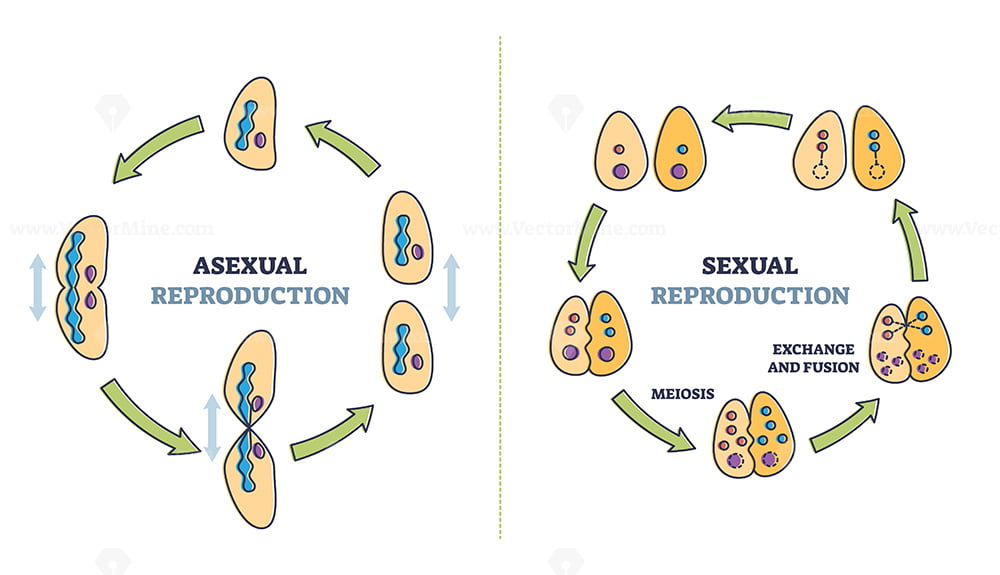
Plant biology also explores how plants reproduce. Sexual reproduction involves flowers, pollen, ovules, and seeds, ensuring genetic diversity.
Asexual reproduction allows plants to propagate without seeds, through runners, bulbs, or tubers, producing genetically identical offspring. Studying these processes in the lab and observing them in the field revealed the variety of strategies plants use to survive in diverse environments.
Classification and Taxonomy: Understanding Plant Diversity
Another key aspect of plant biology is classification and taxonomy, the organization of plants based on shared traits and evolutionary relationships. Major groups include:
Bryophytes – Non-vascular plants like mosses
Bryophytes are small, non-vascular plants that lack specialized tissues for transporting water and nutrients. They typically grow in moist environments, relying on diffusion to move water between cells.
Mosses, liverworts, and hornworts are common examples. Despite their simple structure, bryophytes play important ecological roles, including soil stabilization, water retention in ecosystems, and providing habitats for microorganisms. They also represent some of the earliest land plants in evolutionary history.

Pteridophytes – Vascular plants without seeds, such as ferns
Pteridophytes are vascular plants, meaning they have specialized tissues, xylem and phloem, for transporting water, minerals, and nutrients. Unlike seed plants, they reproduce via spores, often produced on the undersides of fronds.
Ferns, horsetails, and clubmosses belong to this group. Pteridophytes are generally found in moist, shaded habitats. Their vascular system allows them to grow larger and taller than bryophytes, making them a key component of many forest ecosystems.

Gymnosperms – Seed-producing plants like conifers
Gymnosperms are plants that produce seeds without flowers. Their seeds are often exposed on cones rather than enclosed within fruits. Conifers, such as pine, spruce, and fir trees, are the most well-known gymnosperms.
These plants have adapted to diverse environments, including cold and dry regions, by developing needle-like leaves and thick cuticles to reduce water loss. Gymnosperms are ecologically and economically significant, providing timber, resin, and habitats for wildlife.

Angiosperms – Flowering plants, the most diverse group on Earth
Angiosperms are flowering plants and the largest, most diverse group of plants on Earth, with over 300,000 species. They produce seeds enclosed within fruits, which aid in protection and dispersal.

Angiosperms exhibit incredible variation in size, form, and habitat, from tiny herbs to towering trees. Flowers attract pollinators, enabling genetic diversity, while fruit structures facilitate seed spread. This group dominates most terrestrial ecosystems and plays a central role in food webs and ecosystem functions.
Field trips and specimen collection helped me connect theory with real-world diversity, seeing how structural differences and adaptations reflect evolutionary history and ecological roles.
Forest Ecology and Plant Interactions
Plant biology extends beyond individual plants to their interactions in ecosystems. Forests, for example, are complex networks where plants regulate light, nutrient cycles, and biodiversity. Canopy trees influence understory growth, roots interact with soil microbes, and seasonal changes affect reproduction and survival.

Field trips allowed me to observe these dynamics firsthand, combining scientific learning with appreciation for the aesthetic beauty of plant life.
Indoor studies complement this understanding by showing how controlled environments affect plant growth, light absorption, and development. Both approaches highlight how plant biology integrates structure, function, and ecology.
FAQs About Plant Biology
1. What is plant biology?
Plant biology is the scientific study of plants, covering their anatomy, physiology, growth, reproduction, classification, and ecological interactions.
2. Why is anatomy important in plant biology?
Anatomy explains how cells and tissues function, supporting water transport, nutrient distribution, and photosynthesis.
3. How do plants grow?
Growth occurs in meristems through cell division and elongation, regulated by hormones and environmental conditions.
4. How do plants reproduce?
Plants reproduce sexually through seeds and flowers and asexually through structures like runners or bulbs.
5. What is the role of classification in plant biology?
Classification organizes plants by traits and evolutionary relationships, helping us understand diversity and ecological roles.
6. How do plants interact with ecosystems?
Plants influence light, nutrient cycles, and biodiversity in ecosystems, while responding to environmental cues through structural and physiological adaptations.
Conclusion
Plant biology is the study of plants at every scale, from microscopic cells to entire ecosystems. Through my academic training in plant biology, biochemistry, environmental biology, and biogeochemistry, combined with field experiences identifying and collecting species, I have seen both the scientific complexity and the beauty of plant life.
Studying plant anatomy, physiology, reproduction, and ecology has revealed how plants grow, adapt, and sustain ecosystems.
For students, enthusiasts, and curious readers, understanding plant biology provides insight into the mechanisms of life and fosters appreciation for the intricate and interconnected world of plants.
