

This article was analyzed by Serge, MSc. Leveraging a background in Botany, Plant Physiology, and Biogeochemistry, I provide evidence-based insights into plant health, soil science, and sustainable cultivation. My focus is on delivering scientifically accurate data to help you grow with confidence.

I was recently asked by a friend, “How can I start seeing results quickly when growing plants indoors?”
She had just moved into a small apartment and wanted a green space that felt alive, but didn’t have months to wait for slow-growing plants to flourish. That question got me thinking about the joy and motivation of watching seeds sprout, leaves unfurl, and small plants grow taller day by day.
Fast-growing indoor plants aren’t just practical; they’re rewarding and perfect for beginners, students, or anyone who wants instant gratification in their home garden.
Growing plants indoors can be incredibly fulfilling. Unlike outdoor gardening, where you wait for months to see blooms or harvests, indoor gardening allows you to observe the growth cycle up close, often in just a few weeks.
Watching seeds turn into seedlings and then into healthy, vibrant plants is not only visually satisfying but also a hands-on lesson in plant biology.
In this guide, we’ll explore the fastest-growing herbs, vegetables, and flowers you can grow indoors. We’ll also share practical tips for speeding up growth, common mistakes to avoid, and a table summarizing the best options for your indoor garden. By the end, you’ll have a roadmap for creating a lush, lively indoor space in record time.
Herbs That Grow Fast Indoors
Herbs are often the easiest and quickest plants to grow indoors. They not only bring greenery to your space but also provide fresh ingredients for cooking.
– Basil
Basil is a classic fast-growing herb. It typically sprouts within 7–10 days and thrives in sunny windowsills or under grow lights. Well-draining soil is essential, and regular pinching of the tips encourages bushier growth, giving you more leaves to harvest. Basil’s fragrance and flavor also add an extra sensory reward to indoor gardening.

– Mint
Mint is a vigorous grower and can spread several inches in just a few weeks. It prefers slightly moist soil and indirect sunlight. One advantage of mint is that it grows well in containers, preventing it from overtaking other plants. Its rapid growth and aromatic leaves make it a favorite among beginners.

– Chives
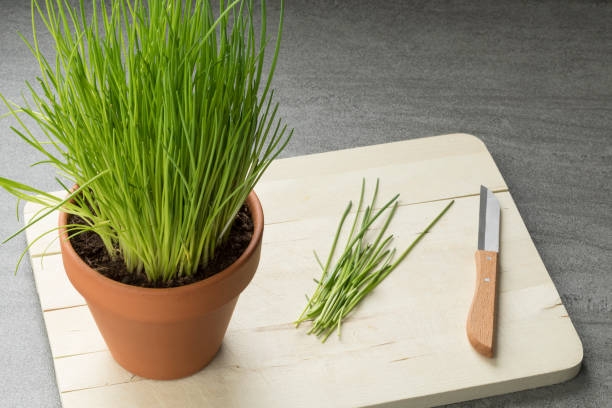
Chives grow from seeds or small bulbs, with noticeable results in 2–3 weeks. They thrive in bright light and regular watering. Their small, slender leaves make them ideal for windowsill gardens, and they pair well with other fast-growing herbs.
– Parsley and Cilantro
Parsley grows a bit slower than herbs like basil or mint but can thrive indoors. Seeds typically take 2–3 weeks to germinate. It prefers warmth, bright light, and consistent care to develop strong, aromatic leaves full of flavor.

Cilantro sprouts faster than parsley, usually appearing within 7–14 days. It grows well indoors with ample sunlight and a warm environment. Regular watering and good light help produce vibrant, flavorful leaves, making it ideal for fresh cooking and garnishing.

Planting multiple herbs together in small containers not only maximizes space but also creates a vibrant mini-garden where you can observe different growth habits simultaneously.
Vegetables That Sprout Quickly
Indoor vegetables can provide surprisingly fast results, especially leafy greens and small root crops.
Lettuce – Lettuce is among the fastest-growing vegetables indoors. Seeds often sprout in 3–7 days, and baby leaf varieties can be harvested in just 3–4 weeks. Lettuce prefers cooler indoor temperatures (around 60–70°F) and consistent moisture, making it perfect for beginners who want a quick harvest.

Radishes – Radishes are fast-growing root vegetables. Seeds sprout in 4–7 days, and small roots can be ready to harvest in just 3–4 weeks. They require deep, loose soil for proper root development and bright, indirect light for best results.

Microgreens – Microgreens, which are tiny versions of vegetables like kale, broccoli, or arugula, are incredibly fast growers. They can be harvested in as little as 7–14 days, offering instant gratification. Shallow trays, light soil, and consistent moisture are all that’s needed to grow them successfully.

Spinach – Spinach sprouts in 7–10 days and grows quickly if kept consistently moist. Its adaptability to indoor conditions makes it perfect for beginners seeking a quick leafy harvest.

Vegetables like these are ideal for windowsills, small balconies, or under fluorescent lights. They allow gardeners to experience the satisfaction of a harvest without waiting for months.
Flowering Plants That Grow Fast
Adding color and life to an indoor space is easy with fast-growing flowers.
Marigolds – Marigold seeds germinate in 5–7 days, and seedlings can bloom within 8–10 weeks. They thrive in bright light and well-draining soil. Their vibrant orange and yellow flowers make them ideal for cheerful indoor spaces.

Nasturtiums – Nasturtiums sprout in 7–10 days and grow quickly in small containers. They are forgiving of poor soil but need ample sunlight to flourish. Their bright flowers are also edible, making them a fun choice for indoor herb-and-flower gardens.

Petunias – Petunias germinate in 7–12 days. They grow vigorously and produce abundant flowers under sufficient light, offering color and decoration to brighten indoor spaces.

Zinnias – Zinnias are fast-growing and low-maintenance. Seeds germinate in 5–7 days, and flowering can occur within 8–10 weeks. They tolerate indoor conditions well, making them perfect for beginners.

Mixing fast-growing flowers with herbs and vegetables creates a vibrant, multi-layered indoor garden. The visual appeal and quick results help maintain motivation and interest, especially for first-time gardeners.
Tips for Speeding Growth
Even fast-growing plants can slow down if conditions aren’t ideal. Here’s how to help them thrive:
Light – Bright light accelerates growth. Place plants near south- or west-facing windows, or use LED grow lights for 10–14 hours daily.
Soil – Light, well-draining potting soil encourages roots to expand quickly. Seed-starting mixes are perfect for young plants because they are easy for roots to penetrate. Avoid heavy garden soil indoors.
Watering – Keep soil evenly damp but not soggy. Use gentle watering methods like misting or a small watering can to prevent washing away seeds or disturbing delicate roots.
Temperature – Fast-growing herbs and vegetables prefer 65–75°F (18–24°C). Avoid drafts and heaters that create temperature fluctuations.
Fertilization – Once seedlings develop their first true leaves, apply a weak liquid fertilizer every 2–3 weeks. Over-fertilizing can harm young plants.
Spacing – Thin seedlings early to prevent overcrowding. Crowded plants compete for light, nutrients, and water, which slows growth.
Common Mistakes That Slow Growth
Beginners often make simple mistakes that impede fast-growing plants:
Too little light – Seedlings stretch and become weak.
Overwatering – Leads to root rot and fungal growth.
Poor soil – Heavy soil slows root expansion.
Ignoring thinning – Overcrowded seedlings compete, slowing growth.
Wrong temperature – Cold indoor conditions delay germination and development.
Recognizing and correcting these mistakes quickly ensures that plants grow at their natural speed and reach maturity faster.
The Mechanisms of Rapid Growth in Plants
Some plants grow quickly due to their natural biology:
High metabolism – Plants like lettuce and basil efficiently convert sunlight and nutrients into energy.
Short germination cycles – Radishes, microgreens, and other fast-growers sprout in just a few days.
Small leaves and stems – Smaller structures require less energy to expand, leading to faster visible growth.
Understanding these traits allows gardeners to choose the right plants when quick results are desired. Fast growth also teaches us how plants prioritize energy, adapt to their environment, and respond to care practices like watering, fertilization, and light exposure.
Table of Fast-Growing Indoor Plants
| Plant Type | Examples | Days to Germinate | Time to Harvest/First Leaves |
|---|---|---|---|
| Herbs | Basil, Mint, Chives | 5–10 | 3–4 weeks |
| Vegetables | Lettuce, Radish, Microgreens | 3–10 | 2–4 weeks |
| Flowers | Marigold, Nasturtium, Zinnia | 5–12 | 8–10 weeks |
This table makes it easy to choose plants that match your available time and space.
Summary
Fast-growing indoor plants are perfect for beginners and anyone who wants instant gratification from gardening. Herbs, leafy vegetables, and quick-flowering plants provide greenery and even edible benefits.
The keys to success are:
-
Choosing fast-growing species
-
Providing enough light, water, and good soil
-
Avoiding overcrowding
With patience and observation, even small indoor spaces can become thriving gardens in just a few weeks. Watching seeds sprout and plants grow teaches the basics of plant biology in a very tangible way.
FAQs
1. How long does it take basil to grow indoors?
Basil seeds usually sprout in 7–10 days. Leaves are ready to harvest in about 3–4 weeks if given enough light and water.
2. Do all indoor plants grow fast?
No. Some plants, like certain orchids or large tropical plants, take months or years to grow. Fast-growing herbs, vegetables, and flowers are best for beginners.
3. Can I grow vegetables like lettuce and radish indoors year-round?
Yes. As long as they receive sufficient light, water, and temperature control, leafy greens and root vegetables can grow indoors throughout the year.
4. Do I need a grow light for indoor plants?
Grow lights help if natural sunlight is limited. LED or fluorescent lights can provide 10–14 hours of light per day, which speeds up growth.
5. What mistakes should I avoid to ensure fast growth?
Avoid overcrowding seedlings, overwatering, insufficient light, and poor soil. Correcting these issues will help plants grow quickly and remain healthy.
