
This article was analyzed by Serge, MSc. Leveraging a background in Botany, Plant Physiology, and Biogeochemistry, I provide evidence-based insights into plant health, soil science, and sustainable cultivation. My focus is on delivering scientifically accurate data to help you grow with confidence.

Few months ago, I was walking through a wet meadow, listening to a small creek bubbling nearby, when I realized something, plants have their own sense of time.
Seeds don’t just start growing whenever. They have a system that tells them the right moment to “wake up” from their sleep, or dormancy. It’s really interesting and kind of amazing.
I’ll explain it in a simple way, like I’m talking to a friend while sitting on a log and watching the winter sunlight filter through the trees.
Timing as a Regulatory Mechanism in Plant Life Cycles
Timing is everything in nature, isn’t it? Suppose oak trees started dropping acorns in the middle of winter. Most wouldn’t survive. Seeds are masters of timing, they know when conditions are just right for growth.
Environmental cues, like temperature, moisture, and light, tell them when it’s safe to start their journey into active life. Think of seeds as tiny, patient strategists, waiting for the perfect moment.
Seed Dormancy as a Biological Strategy
You might ask, why would a seed “sleep” at all? Dormancy is basically nature’s way of saying, “Hold on, it’s not your time yet.”
There are a few types:
– Physical dormancy: Some seeds have thick, hard coats that water can’t penetrate right away. They need mechanical wear or passing through an animal’s digestive system to start growth.
– Physiological dormancy: Other seeds have internal chemical blocks that keep them from germinating until conditions signal it’s safe.
– Morphological dormancy: A few seeds are released before their embryos are fully developed and need time to grow internally.
The beauty of dormancy is that it’s an evolutionary safety net. By spreading out germination over time, seeds increase the chances that at least some offspring survive unpredictable environments.

Environmental Signals That Activate Seeds
So, what actually wakes seeds up? It’s a mix of factors that basically tell the seed, “Hey, it’s your turn now!”
Temperature and metabolic thresholds
Seeds need a certain temperature to start metabolizing. Too cold, and they stay asleep; too hot, and they risk damage. After a long winter, when soil warms in spring, seeds sense it and kickstart growth.
Moisture and cellular rehydration
Water is like an espresso shot for seeds. Dry seeds are metabolically paused, but the moment rain seeps in, their cells rehydrate, enzymes activate, and growth begins. Watching a dry patch of earth after a sudden summer shower, you can almost see the magic happening under the soil.
Light sensitivity in certain plant species
Some seeds need sunlight to germinate. Others only grow when buried deep, protected from light. It’s like seeds have their own “instructions” depending on how and where they landed.
Seasonal Patterns in Seed Activation
Timing is also about seasons. Cool-season plants, like many wildflowers, sprout in spring or fall. Warm-season plants wait for summer heat.
Geography matters too: seeds in temperate forests react differently than those in tropical rainforests or arid deserts. A single forest trail can show you this in action, different plants, different schedules, all tuned to local climates.
Seed Activation in Indoor and Controlled Environments
Even humans try to control seed timing. In greenhouses or indoor gardens, artificial cues like temperature, light cycles, and watering schedules mimic nature’s signals.
It’s amazing how predictable germination can become when you replicate the right cues. You start to appreciate how seeds are naturally programmed to “read” their environment.
Biological Constraints on Early or Late Activation
Seeds do not grow at random. Even when conditions outside seem perfect, there are limits inside the seed that control when growth can begin.
One major limit is energy. Every seed carries a small supply of stored food that supports the young plant before it can make its own energy. If a seed starts growing too early, or after its reserves have weakened, it may run out of energy before roots and leaves fully form.
There are also developmental limits. Some seeds are not fully ready inside when they are released. Their embryos need time to mature before growth is possible. No amount of water, warmth, or light can force these seeds to grow before they are biologically prepared.
These internal constraints help ensure that seeds begin life only when survival is truly possible.
Frequently Asked Questions About Seed Timing
What causes a seed to break dormancy?
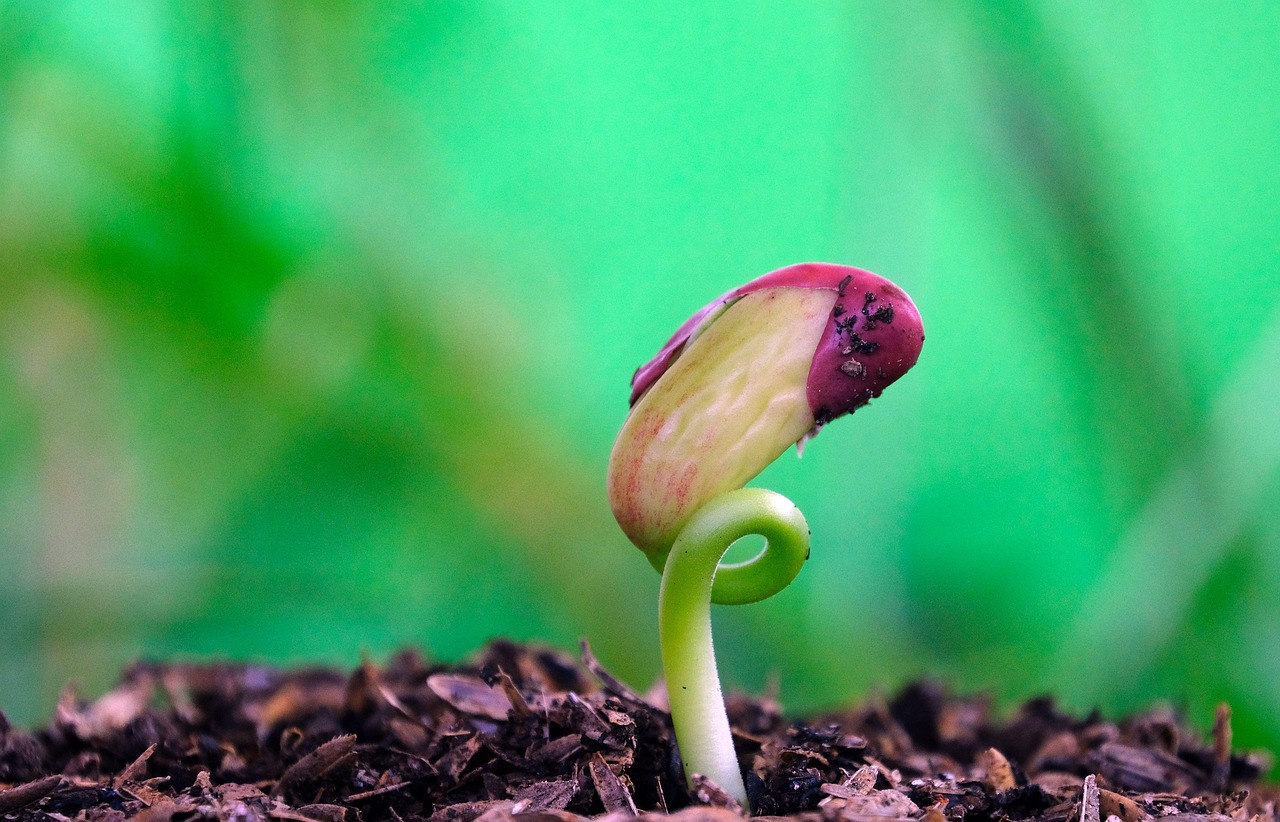
Dormancy is like a seed hitting “pause.” Water, temperature, and light act as signals to wake it up. After a spring rain, you might see tiny shoots suddenly emerge, that’s the seed responding to hydration and favorable conditions.
Why do some seeds require cold exposure?
This process, called stratification, is common in temperate plants. The cold tells the seed that winter has passed. Without it, they just won’t sprout. Walking in the woods, you can see some wildflowers emerge early, while others wait weeks, illustrating this staggered timing beautifully.
How does temperature influence seed metabolism?
Temperature dictates how fast chemical reactions happen inside seeds. Warmth can accelerate growth, while cold slows things down. But too hot or too cold, and the seed may stay dormant or die.
On a sunny spring day, the sudden sprouting of grass and wildflowers shows how responsive seeds are to soil temperature.
Why do seeds germinate at different times?
Even seeds from the same plant don’t sprout together. Some wait longer to spread risk, ensuring that if early seedlings fail due to frost, drought, or predation, others survive. It’s evolution’s insurance policy.
How do plants synchronize reproduction with seasons?
Plants track day length, temperature, and rainfall. Cool-season plants emerge in spring or fall, warm-season plants wait for summer, and tropical plants time themselves with rainy seasons.
It’s fascinating to see a meadow in spring with different plants emerging on different schedules, all in harmony with seasonal cues.
Conclusion
Sitting in a field, you realize timing is central to plant reproduction. Seeds aren’t just inert packets of life, they’re finely tuned systems responding to the world around them. Dormancy, environmental cues, and seasonal patterns all work together to ensure survival.
Seeds teach us patience, resilience, and the wisdom of waiting for the right moment. Next time you walk through a meadow or forest, take a moment to think about the seeds under your feet, silent, waiting, and ready to burst into life when their time comes.
