
This article was analyzed by Serge, MSc. Leveraging a background in Botany, Plant Physiology, and Biogeochemistry, I provide evidence-based insights into plant health, soil science, and sustainable cultivation. My focus is on delivering scientifically accurate data to help you grow with confidence.

Organic pest control is not about eradicating every insect in a garden. In fact, attempting to remove all pests can disrupt natural balance and harm beneficial species.
A thriving garden depends on creating a resilient ecosystem where plants, insects, and soil interact in harmony. When healthy conditions are maintained, pests rarely cause serious damage.
The most effective approach starts with prevention and observation. Catching problems early reduces the need for interventions, and understanding pest behavior ensures treatments target the right species without affecting beneficial organisms.
Observation and Early Detection
Routine inspection of leaves, stems, flowers, and soil surfaces is key. Early signs of infestations often include chewed leaves, sticky residue from sap-sucking insects, wilting, or discoloration. Observing these indicators before they escalate allows for targeted action.
Not every pest sighting requires intervention; many natural predators, such as ladybugs, lacewings, and ground beetles, can control populations without additional measures.
Spacing plants for adequate airflow, controlling humidity, and avoiding overcrowding reduces conditions that favor pest outbreaks.
Overwatered soil and constantly wet foliage can encourage fungal growth and attract soft-bodied insects. Mulching, composting, and soil amendments strengthen plant resilience, indirectly reducing pest problems.
Organic Pest Control Solutions
Solutions can be applied depending on the type of pest and the affected area. The order in which they are used is not fixed; decisions should be based on observation and necessity.
Mulching
Mulching alters conditions at the soil surface in ways that affect both plants and insects. A layer of organic material reduces light exposure for germinating weeds, slows evaporation, and moderates temperature and moisture fluctuations near plant roots.
That same layer creates a physical barrier that can interfere with insects that lay eggs in the soil or emerge from it, reducing access to stems and lower foliage.
As organic mulches such as straw, leaf litter, or compost gradually decompose, they contribute organic matter to the soil and support earthworms, fungi, and bacteria involved in nutrient cycling. These processes improve soil structure and plant stability, which indirectly influences how plants respond to insect pressure.

Microbial Insecticides (Bt)
Bacillus thuringiensis, commonly called Bt, is a soil-dwelling bacterium that affects certain insects during their larval stage, particularly caterpillars and related worm larvae. It works only after being ingested.
Once inside the insect, proteins produced by the bacterium interfere with digestion, causing feeding to stop before death occurs. Because this interaction depends on specific gut receptors, Bt does not affect insects outside that narrow group, nor does it act on birds or mammals.
Results are gradual rather than immediate, but population pressure declines as feeding damage slows. Bt is often used where hornworms, cabbage loopers, or cutworms are present.

Companion Planting and Trap Crops
Plant placement can influence how insects move through a growing space. Some species release scents or visual cues that discourage certain insects, while others are more attractive and draw feeding activity away from more vulnerable plants.
When these plants are positioned deliberately, pest pressure can shift toward less critical areas rather than concentrating on a single crop.
Marigolds, basil, nasturtiums, and calendula are often used for this reason. Instead of eliminating insects outright, this approach changes their behavior and distribution, which can reduce the need for repeated interventions and help keep the system functioning more evenly.

Neem Oil
Neem extracts affect insects in more subtle ways than contact-based controls. Compounds in neem interfere with feeding behavior and disrupt normal growth and development rather than causing immediate mortality.
When applied to plants, these compounds can be absorbed through leaves or roots and move within plant tissues, allowing exposure to insects that feed internally or are sheltered from surface treatments.
Because these effects are not highly selective to a single species, careful timing and limited use matter. Used sparingly, neem alters insect activity and population trends without overwhelming the surrounding insect community.

Diatomaceous Earth (DE)
Diatomaceous earth (DE) is a useful tool for managing garden pests. Its fine, abrasive particles damage the outer layer of insects, leading to dehydration and eventual death.
This makes it effective against soft-bodied pests that commonly affect garden plants, such as aphids, whiteflies, root maggots, and slugs. Because DE is non-selective, it can also affect beneficial insects, so careful placement is important.
Sprinkling it on moist leaves or soil helps it stick, increasing the chances that pests will come into contact with it as they move through the garden.

Hand Removal
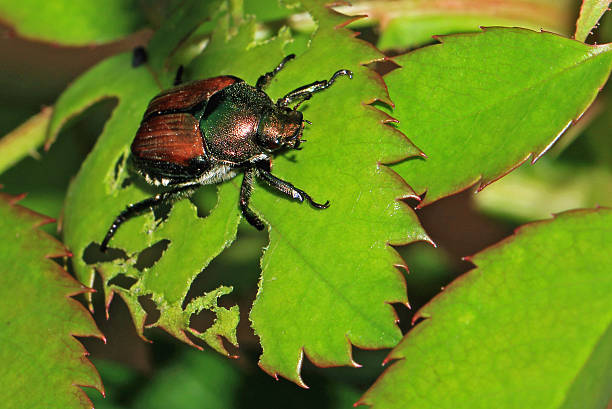
For larger pests like caterpillars, beetles, and slugs, manual removal can be surprisingly effective. Picking pests directly from plants or shaking them into containers reduces populations without the use of chemicals. Early-season hand removal prevents infestations from growing uncontrollably.

Water Sprays
A strong spray of water can physically knock off small pests like aphids, spider mites, and whiteflies from garden plants. Directing the spray to the undersides of leaves, where many of these insects gather, increases its effectiveness.
While it doesn’t kill the pests instantly, repeated applications can significantly reduce their numbers and feeding activity. This method is simple, requires no chemicals, and targets only the pests present, leaving beneficial insects largely unaffected.
It’s especially useful as an early-season measure before populations grow large.

Encouraging Beneficial Insects
Adding flowering plants and small shelters around the garden helps attract natural predators like ladybugs, lacewings, parasitic wasps, and predatory beetles.
These insects feed on common pests and can keep populations in check without any chemical intervention. Providing a variety of plants and hiding spots creates a stable habitat, giving these predators the resources they need to stick around and do their work throughout the season.
Over time, a diverse insect community can reduce pest pressure and make other control methods less necessary.

Crop Rotation
Switching where plants are grown each year helps prevent pests that specialize in a particular plant family from building up in the garden.
By moving crops around, insects and soil-dwelling pests lose their predictable food source, which can slow population growth. Rotation also encourages healthier soil by balancing nutrient use and reducing the buildup of plant-specific pathogens.
Over time, this simple practice supports stronger plants and fewer recurring pest and disease problems, making the garden more resilient without relying on additional interventions.

New Strategies to Enhance Control
-
Sacrificial Plants: Certain crops can be deliberately planted to attract pests, protecting primary vegetables or flowers. For example, nasturtiums can draw aphids away from cabbage.
-
Staggered Planting: Planting crops in stages reduces simultaneous vulnerability and limits the potential for widespread infestations.
-
Soil Health Testing: Nutrient deficiencies often weaken plants, making them more susceptible to pests. Correcting imbalances enhances resilience.
-
Accepting Minor Damage: Cosmetic leaf damage is often harmless and does not justify intervention, allowing natural predators to work without disturbance.
-
Timing Treatments: Applying sprays early in the morning or evening minimizes harm to pollinators and avoids plant stress caused by heat.
Knowing When Not to Intervene
Not all pest activity requires treatment. Beneficial insects can resolve small infestations naturally. Intervening too frequently can harm these populations and destabilize the garden ecosystem. Monitoring and patience often yield better results than repeated applications of any product.
Frequently Asked Questions (FAQs)
Q: How effective are organic pest control methods?
A: When applied thoughtfully, organic methods are highly effective. They focus on long-term balance rather than immediate eradication.
Q: Can these methods harm beneficial insects?
A: Some treatments, if overused or misapplied, can affect non-target species. Targeted application and careful timing minimize risks.
Q: How quickly do results appear?
A: Depends on the method. Physical or mechanical controls like hand removal or sprays show immediate effect, while microbial or systemic treatments can take several days.
Q: Can different treatments be combined?
A: Yes, but integration should be strategic. Combining complementary approaches often increases effectiveness without overloading plants or the ecosystem.
Q: Are organic treatments safe for pets and humans?
A: Most are safe, but products like DE or neem oil require careful handling. Protective measures like gloves and masks may still be recommended.
Q: What if pests persist?
A: Persistent problems usually indicate underlying plant stress, poor soil health, or environmental conditions rather than failure of treatments. Adjusting cultural practices often resolves these issues.
Q: Is intervention needed for every plant?
A: Targeted approaches are generally more effective. Spot-treat affected plants rather than blanket spraying the entire garden.
Summary
Effective organic pest control combines prevention, observation, and targeted intervention. Maintaining plant health, fostering biodiversity, and using strategic treatments ensures that pests remain manageable without disrupting the garden ecosystem.
Patience and careful monitoring often reduce the need for chemical solutions. Healthy soil, well-spaced plants, and diverse habitats allow natural systems to work, turning a garden into a self-regulating ecosystem where pests are controlled naturally.
By integrating multiple strategies, observing carefully, and allowing natural predators to act, pest management becomes less of a struggle and more of a collaborative process between plants, insects, and gardeners.
Try these methods in your indoor or outdoor garden and keep pests under control naturally!
