


This article was analyzed by Serge, MSc. Leveraging a background in Botany, Plant Physiology, and Biogeochemistry, I provide evidence-based insights into plant health, soil science, and sustainable cultivation. My focus is on delivering scientifically accurate data to help you grow with confidence.

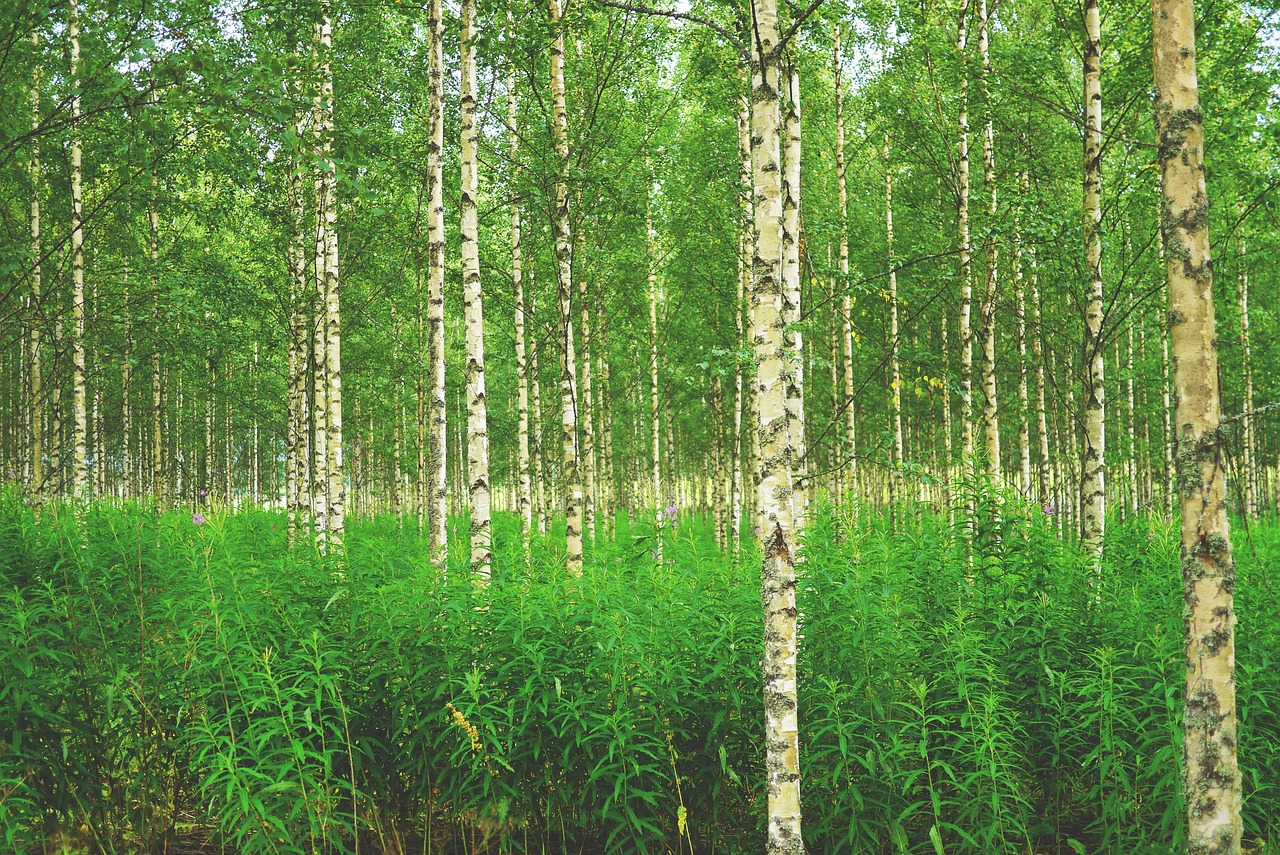
Silver birch (Betula pendula) is a fast-growing deciduous tree native to boreal and temperate forests across Europe and parts of Asia. It plays a critical ecological role by providing early canopy cover in disturbed forests, supporting biodiversity, and contributing to soil nutrient cycling. Economically, it is valued for timber, pulp, and landscaping.
Understanding how environmental factors affect silver birch growth is essential for predicting forest responses to climate change.
Two major drivers of global environmental change are climate warming and elevated tropospheric ozone (O₃). Rising temperatures can alter phenology, photosynthesis, and respiration rates in trees, while ozone, a reactive gas formed from nitrogen oxides and volatile organic compounds in sunlight, can impair leaf function and reduce carbon assimilation.
Studying their individual and combined effects on tree growth and soil processes helps illuminate forest ecosystem dynamics, carbon cycling, and plant resilience.
This article draws on research I was part of during my MSc thesis using open-air experiments. The work examined how moderate warming and elevated ozone influenced silver birch growth above and below ground, emphasizing differences among tree genotypes.
Temperature Effects on Tree Growth
Stem Growth
Temperature is a central factor in plant growth because it regulates biochemical processes like photosynthesis, respiration, and nutrient transport. In boreal and temperate forests, tree growth is often limited by cooler conditions. When temperatures rise moderately, silver birch stems generally elongate faster. This occurs because warmer conditions enhance carbon assimilation in leaves, providing additional resources for shoot growth.
Stem diameter, however, is often less sensitive to moderate warming. Diameter growth depends on cambial activity and the deposition of structural compounds such as cellulose and lignin. While stem height reflects rapid carbon allocation to vertical growth, thickening is a slower, more resource-intensive process, sometimes showing delayed or modest responses to temperature changes.
Leaf Development
Leaves are the primary photosynthetic organs, and their development strongly influences overall tree productivity. Moderate warming usually increases leaf number, potentially enhancing the tree’s carbon uptake. Responses in leaf area, however, vary among genotypes. Some silver birch trees respond to warming by producing more, smaller leaves, while others expand leaf area without greatly increasing leaf number.
These patterns reflect a balance between photosynthesis and photorespiration. At higher temperatures, the oxygenation activity of Rubisco increases, sometimes reducing net carbon gain in leaves. Consequently, certain genotypes may show reduced leaf expansion even if leaf number increases. This variability highlights the importance of genetic diversity in determining tree responses to climate change.
Ozone Effects on Tree Growth
Tropospheric ozone is a phytotoxic gas that enters leaves through stomata. Inside leaf tissues, it reacts with cellular components to form reactive oxygen species, which can damage membranes, proteins, and photosynthetic machinery. Chronic ozone exposure often reduces stem elongation, leaf expansion, and biomass accumulation, while acute high-concentration exposure can cause visible necrotic spots and accelerate leaf senescence.
In short-term experiments with silver birch, ozone effects on stem height and leaf production were generally minor. However, genotype-specific differences were evident. Some trees experienced slight reductions in stem diameter or soil respiration, whereas others remained largely unaffected.
Interestingly, temperature can modulate ozone impact. Elevated temperatures often reduce stomatal conductance, which limits ozone uptake by leaves. This interaction demonstrates that warming and ozone do not always have additive effects; sometimes warming mitigates ozone stress, allowing trees to maintain growth under mild ozone exposure.
Soil Respiration and Belowground Processes
Soil respiration represents the flux of CO₂ from soil to the atmosphere, including contributions from root metabolism and microbial decomposition of organic matter. This process is critical for carbon cycling in forest ecosystems.
Temperature increases generally accelerate root respiration and microbial activity, resulting in higher CO₂ efflux. Genotypes exhibiting more vigorous aboveground growth often show stronger soil respiration responses because larger root systems deliver more carbon belowground, fueling microbial communities.
Ozone can indirectly influence soil respiration by reducing carbon allocation to roots. Trees stressed by ozone may transfer less carbon to roots, which can decrease microbial activity and CO₂ release. When warming occurs alongside ozone exposure, these negative effects may be offset as higher temperatures stimulate root metabolism and carbon allocation, reinforcing the connection between aboveground growth and belowground processes.
Genotype Variation and Interactive Effects
Silver birch genotypes vary in their responses to environmental stressors. One genotype may increase leaf number and soil respiration under warming, while another expands leaf area without large increases in leaf count. These differences demonstrate the ecological significance of genetic diversity: they allow populations to buffer against environmental variability and maintain ecosystem functions.
Interactive effects of warming and ozone also differ by genotype. In some cases, moderate warming can counteract ozone stress, while in others, ozone effects may be negligible. Recognizing these variations is critical for predicting how forests will respond to climate change, informing conservation strategies, and guiding reforestation efforts with resilient genotypes.
Connecting Aboveground and Belowground Responses
Stem growth, leaf development, and soil respiration are interconnected. Taller trees with more leaves typically channel more carbon to roots, stimulating microbial activity and soil respiration. Conversely, stressors like ozone can disrupt this connection by limiting carbon flow from leaves to roots.
These interactions illustrate the complexity of ecosystem responses: environmental factors do not act in isolation but influence multiple plant and soil processes simultaneously.
Conclusion
Research on silver birch indicates that moderate warming can enhance tree growth, particularly stem height and leaf production, while ozone effects are generally minor under short-term exposure. Genotype-specific responses emphasize the importance of genetic variation in shaping resilience to environmental stressors. Soil respiration closely mirrors aboveground growth patterns, highlighting the interconnectedness of plant and soil systems.
Overall, climate-related changes can alter forest structure, carbon cycling, and ecosystem dynamics. The extent and nature of these effects depend on both environmental conditions and genetic differences within species. Understanding these patterns is essential for predicting forest responses to future climate scenarios and for fostering resilient forest ecosystems.
Frequently Asked Questions
1. How does warming affect silver birch growth?
Moderate warming generally increases stem height and leaf number, though leaf area responses vary by genotype.
2. What is tropospheric ozone and why is it important for trees?
Ozone is a reactive gas formed from pollutants in sunlight. It can damage leaves, reduce photosynthesis, and slow growth in sensitive trees.
3. Why does soil respiration increase with temperature?
Higher temperatures accelerate root and microbial metabolism, releasing more CO₂ from the soil.
4. Do all silver birch trees respond the same way to environmental changes?
No. Genetic differences among trees lead to varied responses in growth, leaf development, and soil respiration.
5. Can warming reduce the negative effects of ozone on trees?
In some cases, yes. Elevated temperatures can decrease ozone uptake by reducing stomatal opening, mitigating its impact.
Note: This article summarizes findings from research I was part of on silver birch growth under climate-related stressors.
