
This article was analyzed by Serge, MSc. Leveraging a background in Botany, Plant Physiology, and Biogeochemistry, I provide evidence-based insights into plant health, soil science, and sustainable cultivation. My focus is on delivering scientifically accurate data to help you grow with confidence.
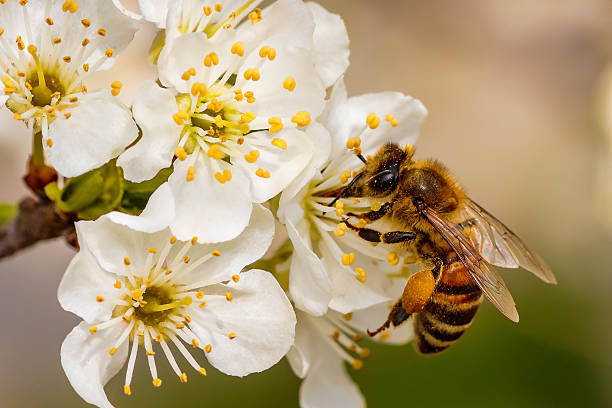
If you’re passionate about plants like I am, there’s something especially rewarding about watching them flower, set fruit, and complete their life cycle.
Pollination is the natural process that makes this possible, allowing plants to reproduce and produce fruits and seeds. Outdoors, insects, birds, and even the wind usually handle this without any help from us. Indoors, however, the situation is quite different. Limited space, fewer pollinators, and controlled environments mean pollination often doesn’t happen on its own.
Pollination isn’t just about harvesting fruit, it’s a critical step in a plant’s life cycle that ensures seed formation and the continuation of the species. Observing and supporting pollination indoors offers a fascinating look at how plants interact with their environment, whether they’re growing on a sunny balcony or beside a bright living room window.
In this guide, we’ll explore which indoor plants need pollination, how pollination occurs naturally versus manually, simple techniques to help the process along, and common reasons flowers fail to produce fruit.
By the end, beginners will have a clear understanding of how to support pollination and help their indoor gardens flourish.
Plants That Need Pollination Indoors
Not all indoor plants require pollination. Many plants grown purely for foliage, like pothos or snake plants, do not produce flowers often and therefore do not need pollination. However, fruiting plants such as tomatoes, peppers, cucumbers, and some flowering ornamentals like hibiscus or orchids do require pollination to set fruit or seeds.
knowing which plants need pollination is the first step. For example, a tomato plant produces flowers that contain both male and female parts. These flowers can self-pollinate if the pollen moves from the anther to the stigma within the same flower.
Other plants, like peppers or cucumbers, may require cross-pollination between flowers to produce fruit. Knowing your plant’s pollination needs helps you take appropriate steps indoors, where natural pollinators are absent.
Natural Pollination vs. Manual Pollination
Outdoors, pollination occurs in two main ways: naturally through insects or wind. Bees, butterflies, and other insects carry pollen from flower to flower, while wind can move pollen in species like corn or grasses. Indoors, the absence of bees and the limited airflow mean these processes are often less effective.
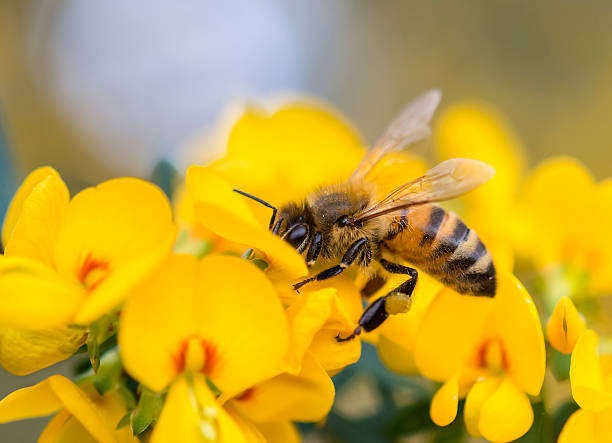
Some plants, however, can still self-pollinate indoors if conditions are right. Flowers that naturally release pollen onto their own stigma may not need extra help, but plants that rely on insects often require human intervention to mimic these natural processes. Manual pollination is a simple way to ensure fruiting and flowering continue in controlled indoor environments.
Tools and Techniques for Hand Pollination
Hand pollination can be surprisingly easy. You do not need specialized equipment, just a few household items and careful technique. A soft brush, cotton swab, or even a small paintbrush can be used to transfer pollen from one flower to another.
For self-pollinating flowers, gently shaking the plant or tapping flowers can help pollen move within the flower. This technique mimics the vibration caused by wind or bee activity outdoors. For plants requiring cross-pollination, pollen must be transferred from the male flower (or male part of a flower) to the female stigma of another flower. Using a brush or swab to pick up pollen and deposit it on the stigma is often effective.

Another technique is the use of small fans to create airflow, especially for plants that rely on wind pollination. Positioning a fan near flowering plants can move pollen naturally, simulating outdoor conditions. In greenhouses, growers often combine gentle air movement with hand pollination to ensure consistent fruit production.
Tips for Successful Flowering and Fruiting
Successful pollination is only part of the process. Ensuring plants flower and produce fruit indoors also depends on their environment. Adequate light, temperature, and humidity are essential for flowers to develop and for pollen to remain viable.
Light is critical. Most flowering plants need long periods of bright light to trigger flower development. For indoor gardeners without direct sunlight, LED or fluorescent grow lights can provide the necessary energy. Keeping lights on for 10–14 hours per day often encourages strong flowering.
Temperature and humidity also influence pollination. Warm days with slightly cooler nights often encourage flowers to open fully, allowing pollination to occur. Extremely dry air can cause pollen to become non-viable, while overly humid conditions may lead to fungal growth on flowers. Monitoring indoor climate conditions can help maximize pollination success.
Fertilization plays a subtle role as well. Adequate nutrients support flower and fruit development, ensuring the plant has the energy to produce viable seeds. Nitrogen, phosphorus, and potassium, in balanced amounts, support strong flowering and healthy fruiting.
Common Issues: Lack of Fruit and Poor Flowering
Indoor gardeners often notice that their plants bloom but fail to set fruit. This is often due to insufficient pollination, poor light, or environmental stress. For instance, a tomato plant that flowers but produces few fruits may need hand pollination or a slight increase in airflow to move pollen.
Another common problem is incomplete or weak flowers. Low light, inconsistent watering, or nutrient deficiencies can cause flowers to drop prematurely. Observing plants closely helps identify these issues early. Simple adjustments in watering schedules, light exposure, or manual pollination techniques can make a significant difference.
Some plants may also experience pollination failure due to timing. Flowers often have brief periods when pollen is viable, so regular monitoring and timely hand pollination increase success rates.
Summary. Step-by-Step Pollination Guide
Indoor pollination can be summarized in a simple, practical way.
Following these steps ensures flowering plants thrive and produce seeds or fruits:
– Identify plants that need pollination. Focus on fruiting or flowering species.
– Observe flower types. Determine if the plant self-pollinates or requires cross-pollination.
– Use a soft brush, swab, or gentle tap. Transfer pollen from male to female parts carefully.
– Simulate wind where needed. A small fan or gentle shaking can mimic outdoor conditions.
– Maintain proper environment. Provide adequate light, stable temperatures, and humidity.
– Monitor flower development. Pollinate during the peak of flower receptivity for best results.
– Adjust care routines. Fertilize as needed and avoid overwatering to support flowering and fruiting.
By combining observation, proper technique, and suitable environmental conditions, indoor gardeners can replicate natural pollination effectively. This not only helps plants reproduce but also deepens understanding of plant biology in a controlled setting.
FAQs
1. Can wind pollinate indoor plants?
Yes, to a limited extent. Indoor airflow is usually weaker than outdoors, so using a small fan or gently shaking plants can simulate natural wind movement and help pollen transfer.
2. Do all indoor plants need pollination?
No. Many indoor plants grown for foliage, like ferns or pothos, rarely flower and do not require pollination. Only fruiting or flowering plants need attention for pollination.
3. What is the best time to hand-pollinate flowers?
Pollination is most effective when flowers are fully open and pollen is fresh. Morning is usually ideal, as pollen tends to be more viable during cooler, early hours.
4. Can indoor plants self-pollinate?
Some plants, like tomatoes and peppers, have flowers that can self-pollinate. Others require pollen transfer between flowers. Checking the plant species’ pollination type helps determine the best approach.
5. How do I know if pollination is successful?
After successful pollination, flowers usually begin to develop fruit or seeds. Leaves remain healthy, flowers remain intact for longer, and you may notice swelling or growth at the base of the flower.
