
This article was analyzed by Serge, MSc. Leveraging a background in Botany, Plant Physiology, and Biogeochemistry, I provide evidence-based insights into plant health, soil science, and sustainable cultivation. My focus is on delivering scientifically accurate data to help you grow with confidence.

Seeds are among the most remarkable innovations in the history of plant evolution. They serve as the reproductive units of seed plants, encapsulating the potential for an entire organism within a compact, resilient structure.
From the smallest wildflower to towering trees, seeds are central to plant reproduction, survival, and ecological success. Their evolutionary development represents a critical shift in plant biology, allowing plants to reproduce efficiently on land, protect embryonic tissue from environmental stress, and disperse offspring across diverse habitats.
In this article, I will draw on my academic training in plant biology, plant biochemistry, environmental biology, and biogeochemistry to explore seeds in depth: their structure, formation, ecological role, and significance for both natural ecosystems and human-managed systems such as agriculture and horticulture.
My aim is to provide a comprehensive understanding of seeds that is accessible to both scientists and non-specialists, reflecting current scientific knowledge while emphasizing real-world applications.

What a Seed Is in Plant Biology
In biological terms, a seed is a reproductive structure produced by seed plants (gymnosperms and angiosperms) following fertilization. Unlike mature plants, which are capable of photosynthesis, growth, and reproduction, seeds represent a dormant developmental stage, storing both genetic material and nutrients that support early growth once germination occurs.
Seeds are unique because they combine three key components:
– An embryo, the nascent plant itself.
– A nutrient reserve, often in the form of endosperm or cotyledons.
– A protective seed coat, which safeguards the embryo during dormancy and dispersal.
This combination allows seeds to survive unfavorable conditions for extended periods, sometimes years or even decades, ensuring the continuity of plant populations.

Internal Structure of a Seed
Understanding the internal architecture of a seed is crucial to appreciating its role in plant life cycles.
Embryo Organization and Early Development
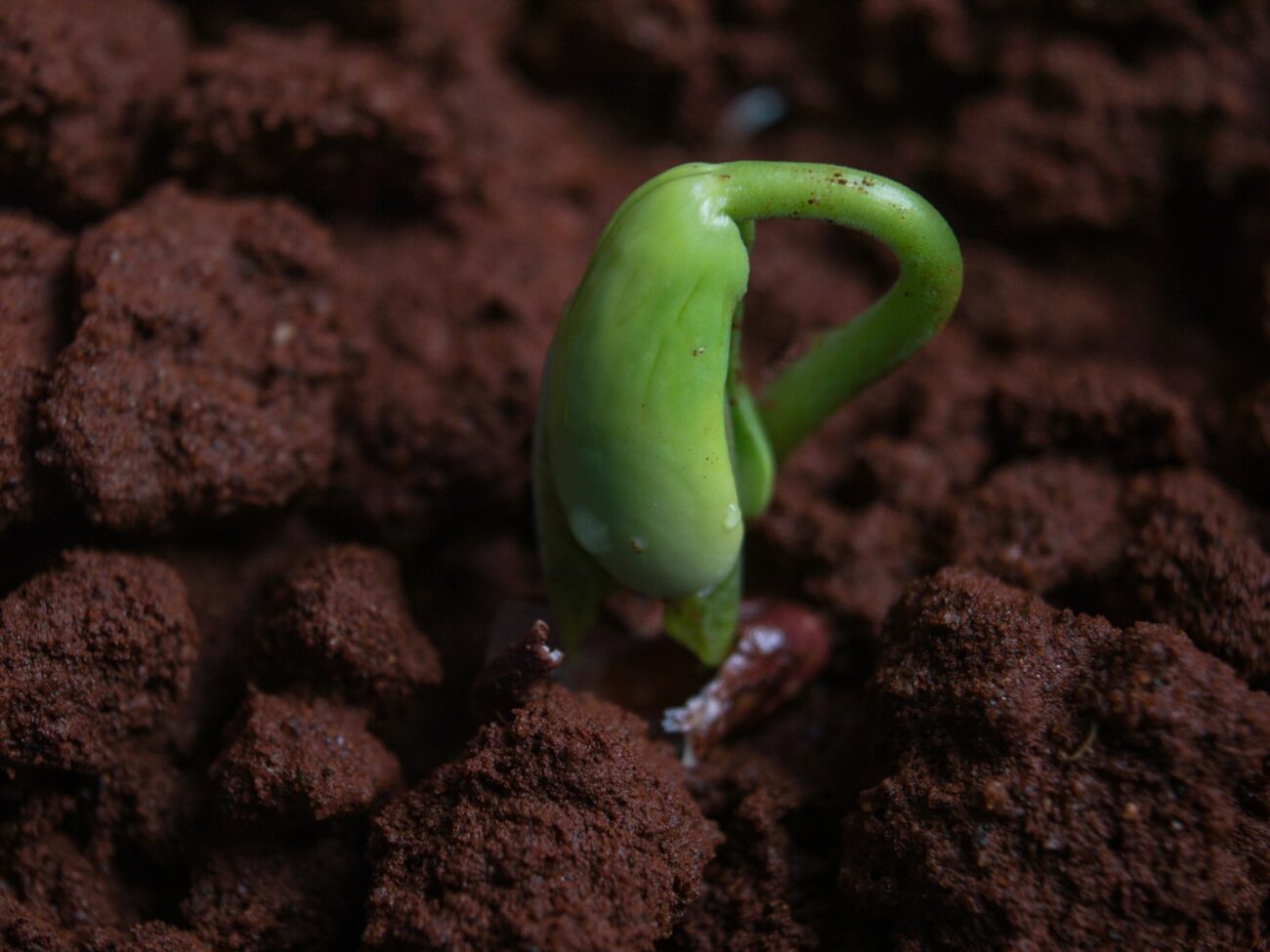
The embryo is the young, undeveloped plant contained within the seed. It develops from the zygote formed during fertilization and typically consists of:
Radicle: the embryonic root that anchors the plant and absorbs water.
Plumule: the embryonic shoot that gives rise to stems and leaves.
Cotyledons: seed leaves that often store nutrients for early growth.
In some species, cotyledons act as nutrient storage tissues, while in others, they primarily facilitate nutrient transfer from the endosperm.
Embryo development is a precisely regulated biochemical process involving complex signaling pathways, hormonal regulation (such as auxins, cytokinins, and abscisic acid), and macromolecule synthesis, reflecting my background in plant biochemistry.
Endosperm and Nutrient Storage
Most seeds contain endosperm, a tissue that provides essential nutrients including carbohydrates,proteins, and lipids, to support the embryo during germination.
The composition and size of the endosperm vary between monocots (such as grasses) and dicots (such as beans). In monocots like maize, the endosperm is the primary food reserve, whereas in many dicots, cotyledons store most nutrients.
Protective Role of the Seed Coat
The seed coat (testa) protects the embryo and endosperm from mechanical damage, microbial attack, and desiccation.
In some species, the seed coat also regulates water uptake and dormancy, a critical factor in plant survival under fluctuating environmental conditions. The biochemical composition of seed coats, cellulose, lignin, and cutin, reflects adaptations to specific ecological niches and dispersal strategies.
Where Seeds Form Within Plants
Seed formation is intricately linked to plant reproductive structures, particularly flowers in angiosperms and cones in gymnosperms.
Role of Flowers and Fertilization
In flowering plants, seeds develop following double fertilization, a unique process in which one sperm fertilizes the egg cell (forming the zygote), while another fuses with central cell nuclei to produce the endosperm. This coordinated process ensures that the embryo and nutrient tissue develop in synchrony.
Ovules and Seed Development
Seeds originate from ovules, which contain the female gametophyte. After fertilization, the ovule differentiates into the seed, while surrounding tissues may develop into a fruit, which aids in seed protection and dispersal.
The transformation of ovules into seeds involves complex gene expression and hormonal regulation, reflecting the remarkable precision of plant developmental biology.
Relationship Between Fruits and Seeds
Fruits are essentially mature ovaries that enclose seeds. They enhance seed survival by:
Providing a physical barrier against predators.
Facilitating dispersal through mechanisms like wind, water, or animal ingestion.
Acting as nutrient-rich attractants for frugivores, indirectly ensuring seed propagation.
Ecological Importance of Seeds
Seeds are critical not only for individual plants but for ecosystem dynamics.
Seeds in Population Maintenance
Seeds maintain plant populations by allowing regeneration after disturbances such as fire, grazing, or seasonal droughts. Many plants produce large numbers of seeds, increasing the likelihood that at least some will survive to maturity. Others invest in fewer, larger seeds with more resources per seed, favoring competitive seedlings.
Dispersal Mechanisms and Habitat Expansion
Seed dispersal is a cornerstone of plant ecology. Dispersal strategies include:
Anemochory (wind dispersal): e.g., dandelions.
Hydrochory (water dispersal): e.g., coconut.
Zoochory (animal-mediated dispersal): e.g., berries consumed by birds.
Autochory (self-dispersal): e.g., explosive seed pods of touch-me-not.
Dispersal enables plants to colonize new habitats, maintain genetic diversity, and avoid competition with parent plants.
Soil Seed Banks and Biodiversity
Seeds contribute to soil seed banks, reservoirs of dormant seeds in the soil that sustain plant populations over time. These banks are critical for ecosystem resilience, supporting biodiversity after disturbances and enabling natural succession in forests, grasslands, and wetlands.
Seeds in Cultivated and Managed Systems
Humans have long recognized the importance of seeds for agriculture and horticulture.
Seeds in Agriculture and Horticulture
Farmers and gardeners rely on seeds to propagate crops efficiently. Through selective breeding and seed conservation, humans have influenced seed traits such as:
Size and nutritional content.
Dormancy and germination rates.
Resistance to pests, diseases, and environmental stress.
Human-Managed Reproduction vs. Natural Systems
Unlike natural systems, where seed production and dispersal are governed by ecological pressures, human-managed reproduction allows controlled propagation.
Seed storage, germination treatments (scarification, stratification), and hybridization maximize crop yields and adapt plants to specific environments. However, understanding natural seed biology remains crucial to sustainable agriculture, conservation, and restoration ecology.
Frequently Asked Questions About Seed Biology
Are seeds considered plants?
No, seeds are not plants themselves. They are reproductive structures containing the embryo, which develops into a mature plant under suitable conditions.
Where are seeds located in a plant?
Seeds form within ovules, which are housed in flowers (angiosperms) or cones (gymnosperms).
Where are seeds made within flowering plants?
Seeds develop after fertilization within the ovary of the flower, which later matures into a fruit.
Why are seeds important for plants?
Seeds ensure survival, dispersal, and genetic continuity, allowing plants to persist across generations and adapt to changing environments.
Why can seeds remain dormant for long periods?
Seed dormancy, often regulated by hormones like abscisic acid, prevents germination during unfavorable conditions, enhancing survival odds. Protective seed coats and metabolic suppression contribute to longevity.
Conclusion
Seeds are foundational to plant life cycles, embodying the remarkable combination of protection, nourishment, and potential for new growth.
Their structure, the embryo, endosperm, and seed coat, reflects a sophisticated adaptation for survival and dispersal. Seeds play vital ecological roles, from maintaining population dynamics to sustaining biodiversity through soil seed banks.
In human-managed systems, seeds underpin agriculture, horticulture, and food security, highlighting the profound intersection between plant biology and human civilization.
Drawing on insights from plant biology, plant biochemistry, environmental biology, and biogeochemistry, it becomes clear that seeds are not merely reproductive units; they are complex biochemical and ecological systems, critical to life on Earth.
Their study bridges fundamental science with practical applications, offering lessons in evolution, resilience, and the intricate interconnections between organisms and their environment.
In essence, understanding seeds is not only about appreciating the miracle of germination, it is about recognizing the foundation of terrestrial life itself.
