

Helpful herbal resources you can keep forever!
Discover digital resources designed to help you learn, plan, and grow your skills. The resources listed below include eBooks, guides, templates, and checklists, all selected to provide real value and practical guidance.
🌱 HomeGrown Herbalist – Digital Courses & Downloadables
With an academic background in plant biology, biochemistry, and environmental biology, I tend to be selective about the herbal education resources I share. Accuracy, botanical clarity, and sound explanation of plant-based traditions matter to me, especially when materials are presented for learning and study.
The HomeGrown Herbalist digital library, created by Dr. Patrick Jones, stands out for its focus on traditional plant knowledge, botanical context, and real-world observation drawn from decades of experience.
The materials are presented in a clear, accessible way and are designed for educational exploration of herbal practices, not as substitutes for professional care.
Below are several digital resources I find particularly valuable for those interested in learning more about plants, traditional herbal systems, and home-based botanical study.
1. Herbal First Aid – Digital Movie
This digital presentation offers an introduction to how plants have traditionally been used in everyday situations. Dr. Jones explains the historical reasoning and plant characteristics behind common herbal approaches, focusing on understanding plant actions rather than giving instructions.
It’s a helpful starting point for anyone interested in learning how herbal knowledge has been applied in daily life across cultures.
2. Kitchen Medicine – Digital Movie
This resource explores the plants and spices commonly found in kitchens and examines their traditional uses and natural compounds. From a biochemical perspective, it’s interesting to see how everyday plants are discussed in terms of their chemical makeup, while still remaining easy to follow.
The focus is on learning how common plants have been viewed and used historically, making this a practical and approachable educational resource.
3. Making Herbal Medicine – Digital Movie + PDF
This resource walks through traditional methods of preparing plant-based products such as tinctures, infused oils, glycerites, and vinegars. The emphasis is on process, preparation techniques, and historical context, rather than outcomes.
The included PDF provides clear reference material, making this a useful educational guide for understanding how herbal preparations have been made over time.
4. Principles & Strategies of Herbal Gardening – Digital Movie
This course focuses on the ecology of medicinal plants and how they grow in relation to soil, climate, and surrounding species. It looks at trees, shrubs, flowers, and common wild plants from a gardening and environmental perspective.
I appreciate how it connects plant cultivation with ecosystem awareness rather than treating plants in isolation.
5. The HomeGrown Herbalist Book (Digital or Physical)
This book serves as a broad introduction to herbal traditions and plant profiles. The writing is clear and accessible while remaining botanically grounded.
Each plant profile focuses on identification, traditional background, and historical use, making it a solid reference for readers who want a foundational overview of herbal studies.
6. Herbal Cleansing & Supportive Therapies – Digital Book
This book takes a measured, educational look at how traditional herbal systems have approached the idea of cleansing and internal balance. Rather than promoting trends or myths, it explains how the body’s natural processes have been understood historically and where certain plants fit into those traditions.
It’s a thoughtful resource for readers interested in learning how these ideas developed over time.
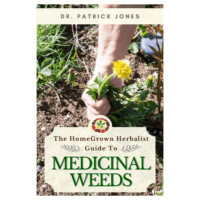
7. Medicinal Weeds – Digital Book
This guide explores common plants often labeled as “weeds” and examines their botanical traits and traditional uses. It encourages readers to look more closely at plants growing nearby and understand their historical roles in herbal systems.
The plant profiles are straightforward and beginner-friendly, making this an approachable educational resource.
8. When There Is No Doctor – Full Digital Course
This comprehensive course examines traditional approaches to self-reliance, plant identification, and historical responses to challenging situations. It is framed as educational study, drawing from long-standing practices and observational knowledge.
The course is best viewed as a way to understand how people have historically relied on plants and practical skills, rather than as a replacement for modern professional services.