
This article was analyzed by Serge, MSc. Leveraging a background in Botany, Plant Physiology, and Biogeochemistry, I provide evidence-based insights into plant health, soil science, and sustainable cultivation. My focus is on delivering scientifically accurate data to help you grow with confidence.

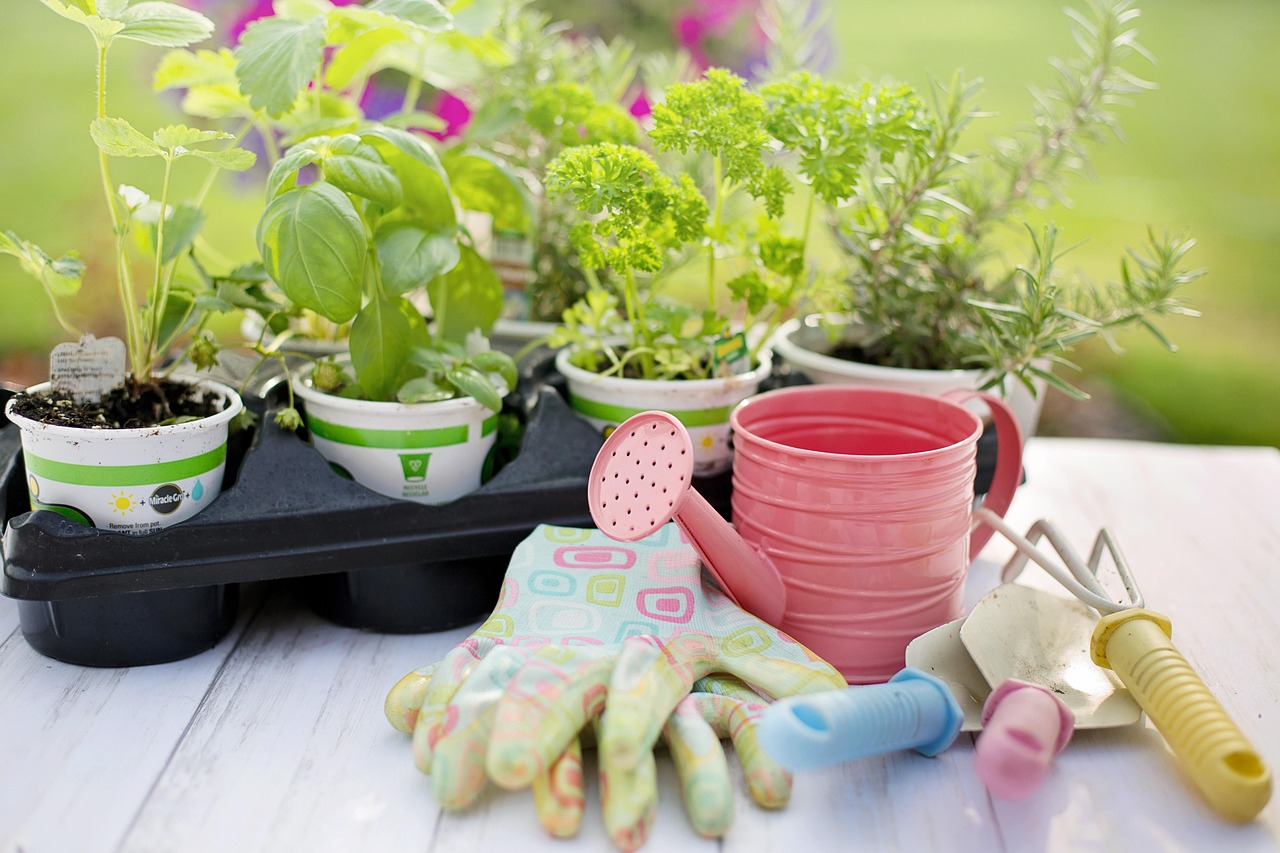
Gardening is funny like that. From the outside it looks easy. You see people posting pictures of tomatoes or flowers and think, “I could do that.” And you can. But once you actually start, you realize there’s a lot of little things that make a difference. Tools are one of those things people don’t think about until their hands hurt or their plants don’t look quite right.
Most beginners start by using whatever they find around the house. A spoon, an old knife, bare hands. I did the same. It works at first, but after a while you notice it’s slow, uncomfortable, and kind of frustrating. That’s usually when people either give up or finally buy a couple of real tools. And once they do, they wonder why they waited so long.
Believe it or not, you don’t need a lot of tools. You just need the right ones. The ones you’ll keep grabbing without thinking. The ones that make gardening feel less like work and more like something you enjoy doing.
You’ll want these 10 tools in your garden…
👉 Check out this section on recommended gardening tool brands for some great options!
1. Trowel
If you only bought one tool, this would probably be it. A trowel gets used constantly. You use it to dig small holes, move soil around, plant seedlings, and fix mistakes when something doesn’t look right.
It’s one of those tools that stays nearby because you never know when you’ll need it. A comfortable handle matters more than people think. If it feels awkward in your hand, you’ll notice it pretty quickly.

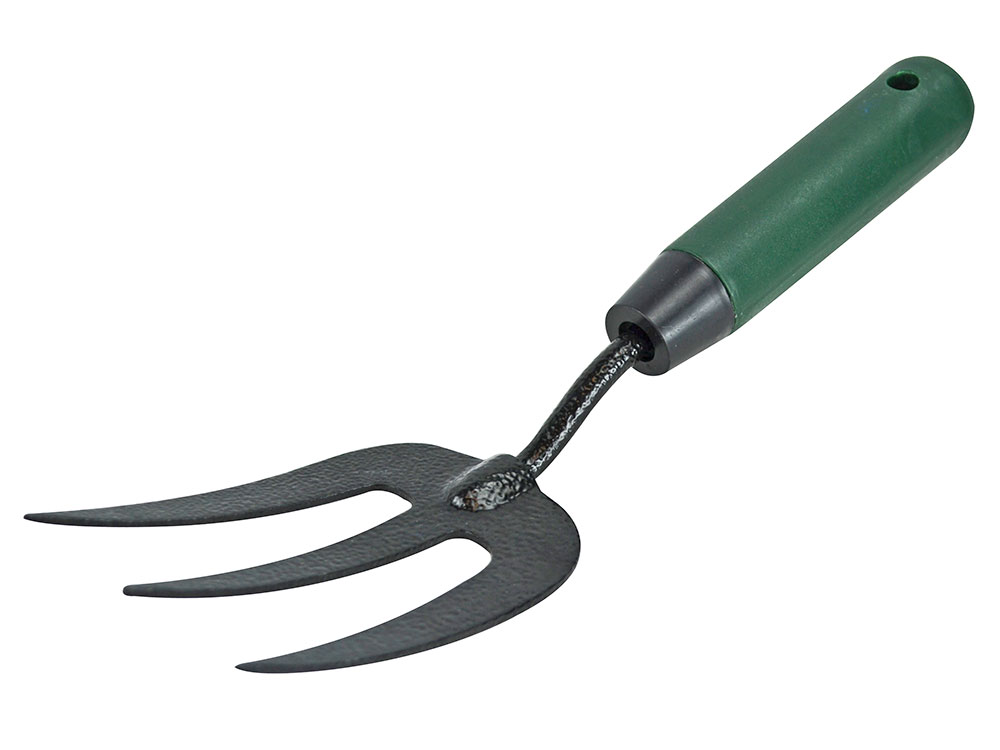
2. Hand Fork / Cultivator
This one doesn’t look exciting, but it’s really useful. Soil gets compacted over time, especially in pots and raised beds. A hand fork helps loosen things up without damaging roots.
I usually grab it when the soil looks hard or water just sits on top instead of soaking in. A few minutes with this tool can make a big difference.
3. Pruners / Shears
At some point, plants grow more than you expect. Leaves die, stems get long, herbs need cutting. That’s when pruners come in. Using your fingers or a dull knife just tears the plant, and it shows later.
Clean cuts heal better. You don’t need anything fancy, just something sharp that feels good in your hand. Once you have decent pruners, you’ll use them more than you think.

4. Spade / Shovel
This is for the heavier work. Digging bigger holes, moving soil, mixing compost. A full-size shovel can feel like too much if your garden is small, so a medium one is usually enough. You don’t want something that wears you out in five minutes.

5. Rake
A rake is one of those tools you don’t appreciate until you don’t have one.
It helps smooth soil, break up clumps, and clean things up. After planting seeds, I usually rake lightly just to even things out. Small hand rakes work better than big ones if you’re dealing with containers or raised beds.
6. Watering Can
Watering sounds simple, but it’s easy to mess up. Too much water, too fast, and you wash soil away or damage seedlings. A watering can gives you control.
You can slow down and actually see where the water is going. For indoor plants especially, this matters. Once you use a good watering can, hoses start to feel clumsy.
7. Gloves
Some people don’t like gloves. I get it. But after a few scratches, thorns, or sore hands, they start to make sense. Gloves protect your skin and make longer gardening sessions more comfortable. They don’t have to be thick or stiff. Just something that fits well and lets you move your fingers easily.

8. Hoe / Weeder
Weeds show up whether you want them or not. A hoe or small weeder makes dealing with them quicker and less annoying. Pulling weeds by hand works, but tools help you get roots out properly. I usually do a little weeding often instead of letting it pile up. These tools make that possible.

9. Garden Knife / Hori Hori
This is one of those tools people discover later and then swear by. A garden knife can dig, cut roots, divide plants, and even measure depth. It’s especially useful when you don’t want to grab multiple tools. If space is limited, this one earns its place quickly.

10. Wheelbarrow / Bucket
Gardening always involves carrying stuff. Soil, compost, plants, tools. Carrying everything by hand gets old fast. A wheelbarrow is great if you have space, but even a strong bucket helps. It saves your back and keeps things organized while you work.

Summary of Essential Gardening Tools
| Tool | Purpose | Notes / Tips |
|---|---|---|
| Trowel | Dig small holes, transplant seedlings, mix soil | Lightweight with comfortable grip; narrow blade for precise digging |
| Hand Fork / Cultivator | Loosen soil, aerate, break clumps | Three-pronged fork works well for containers and delicate roots |
| Pruners / Shears | Trim leaves/stems, shape plants, cut flowers/herbs | Keep blades sharp; bypass for live plants, anvil for woody stems |
| Spade / Shovel | Dig larger holes, move soil, edge beds | Spade flat for cutting/edging, shovel curved for moving soil; medium size recommended for small gardens |
| Rake | Level soil, break clumps, collect debris | Hand rake suitable for containers; helps even soil for seeds |
| Watering Can | Deliver water evenly, control flow | Fine spout or spray bottle for seedlings; small for indoor, large for outdoor |
| Gloves | Protect hands from cuts, scrapes, thorns, dirt | Flexible, breathable or waterproof; fits snugly |
| Hoe / Weeder | Remove weeds, loosen soil, maintain beds | Small hoes work best around seedlings and in pots |
| Garden Knife / Hori Hori | Cut roots, divide plants/bulbs, dig small holes | Sharp, sturdy knife replaces multiple tools in small spaces |
| Wheelbarrow / Bucket | Move soil, compost, plants; organize tools | Buckets or small carts can replace full-size wheelbarrows in tight spaces |
👉 Check out this section on recommended gardening tool brands for some great options!
Tips for Beginners
Budget vs. Quality
Cheap tools are fine if you’re just trying things out. They work for light gardening. But a few decent tools make a big difference. They last longer. They feel better in your hand. And they just make everything easier. Trust me, it’s worth it.
Multi-Purpose Tools
Some tools do more than one thing. Like a garden knife. You can dig small holes with it. Cut roots. Divide bulbs. It’s handy. If you have a couple of tools like that, you don’t need a bunch of stuff cluttering your space.
Grab What You’ll Actually Use
Don’t buy everything at once. Really, you won’t use it all. Start with the essentials. Trowel, hand fork, pruners, watering can, gloves. That’s it. Enough to get going. Add more later, when you actually need them.
FAQs
Most important tools for beginners?
Trowel, hand fork, pruners, watering can, gloves. Simple. That’s all you need.
Can I garden without a full set?
Yeah. Especially if you’re indoors or have a balcony. Minimal tools are fine. You don’t need the whole shed.
When to replace tools?
Clean them after each use. Dry them too. Replace them when they get rusty, break, or just don’t work right anymore. Easy.
Trowel vs. spade?
A trowel is for small jobs. Digging holes, moving seedlings. A spade is bigger, flat, better for digging bigger holes or moving lots of soil.
Indoor vs. outdoor tools?
Indoor needs smaller, lighter stuff. Outdoor often needs bigger shovels, rakes, or even a wheelbarrow.
Tools for small apartments or balconies?
Mini trowels, forks, pruners, watering cans, knives. Buckets can replace wheelbarrows. It works.
Summary
You don’t need a lot of fancy tools, just a few essentials make gardening easier and more enjoyable. Comfortable, useful tools reduce strain and help your plants grow, whether on a balcony, windowsill, or in a backyard patch.
Gardening is about paying attention, learning, and enjoying the process. Mistakes happen, leaves yellow, soil spills, some plants fail, but each experience teaches something valuable. The little things matter: a seedling growing, a bloom appearing, or herbs doing well under care.
It’s not about perfection. With a few basic tools, patience, and regular attention, even a small space can turn into a garden you’re proud of.
👉 Check out this section on recommended gardening tool brands for some great options!
